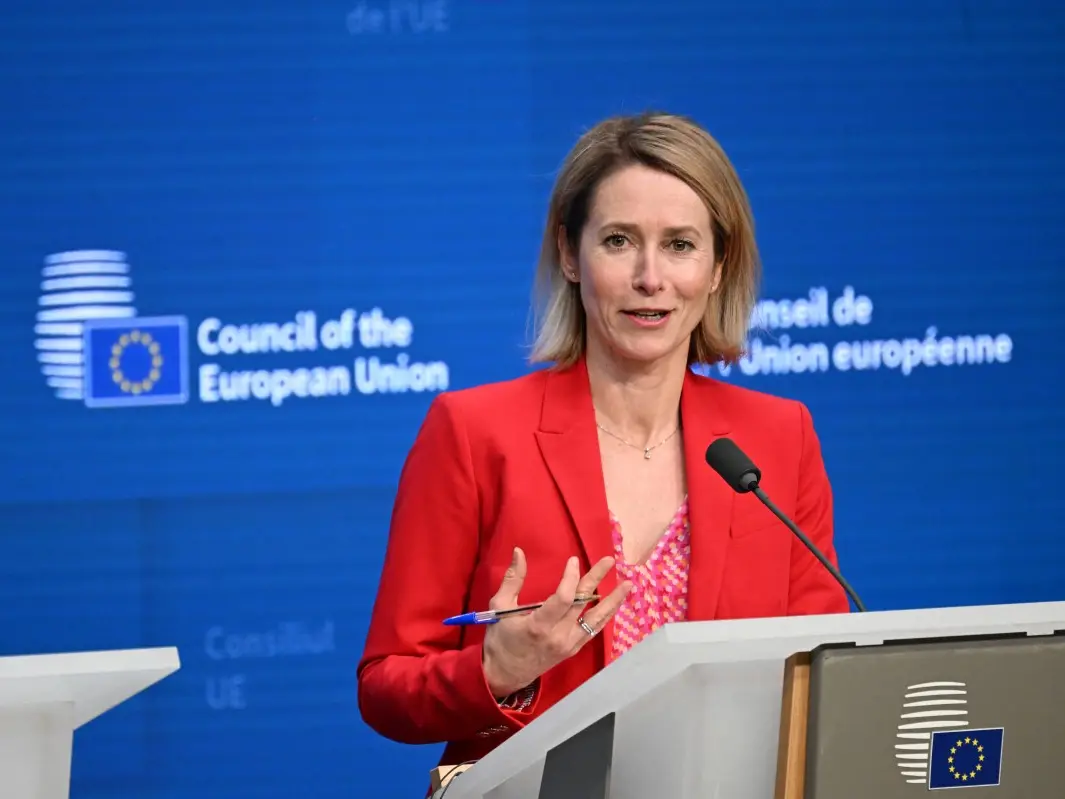
'Putin in a weaker position than ever before', says European Union Vice-President Kaja Kallas

&imwidth=600&imheight=450&format=webp&quality=medium "'Putin in a weaker position than ever before', says European Union Vice-President Kaja Kallas")
Kaja Kallas Photograph: (AFP)
In Brussels, Kaja Kallas said that Ukraine is stronger, Russia weaker, and the European Union must speed sanctions, security plans, and Kyiv’s EU accession
Kaja Kallas on Monday (May 11) said Ukraine is now in a stronger position than it was a year ago as EU foreign ministers met in Brussels to discuss the war, sanctions, and Europe’s broader security strategy. Speaking after the talks, Kallas said that “Ukraine is in a much better position than a year ago” as the dynamics of the war are changing due to the EU’s €90bn loan package, Russia’s record battlefield losses, and Ukraine’s expanding long-range strikes inside Russian territory. “But of course, there is no time for complacency,” she said. Kallas stressed that the European Union continues to work on additional measures to counter hybrid threats, prepare future sanctions packages, and explore long-term security guarantees for Ukraine.
“The EU has always supported attempts to achieve a just and lasting peace. For Europe to take a more active role, we must agree amongst ourselves what we want to talk to Russia about and what our red lines are.” She also highlighted Ukraine’s progress toward EU membership despite the ongoing war, calling the country’s reforms remarkable under difficult conditions. “There is now new momentum, and we must use it to advance Ukraine’s path into the EU. This means opening all negotiation clusters before summer. Getting Ukraine into the EU is not charity. It’s an investment in our own security. And our message to Putin is clear: Ukraine’s European future is more important to us than the destruction of Ukraine is to Russia.”
Kallas joked about differing interpretations of when ‘summer’ begins after being asked whether she meant June or August for the timeline on opening accession negotiation clusters. “I said, [summer], that’s [in] two weeks, but actually, apparently, European summer is August, so let’s see.”
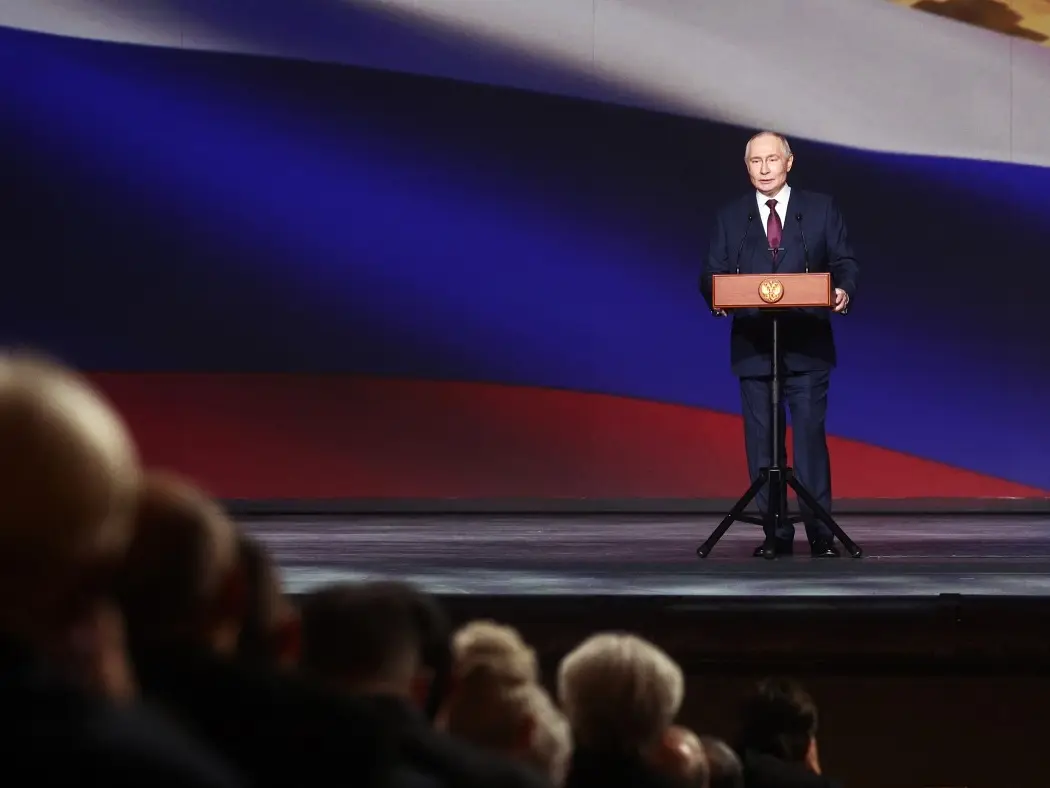
On Russia, she revealed that EU ministers had already started discussing a 21st sanctions package aimed at Russia’s military-industrial sector and potentially its shadow fleet operations. She also commented on Russian President Vladimir Putin, suggesting the war could eventually come to an end. “I think the overall understanding is that Putin is in a weaker position than he has ever been before.” According to Kallas, Russia is failing to secure decisive victories on the battlefield while domestic frustration and internet restrictions are increasing inside the country. However, she cautioned that Moscow still maintains “maximalist claims” and is not genuinely ready for peace negotiations. “That’s why we need to continue with our work,” she said.
Kallas dismissed suggestions that former German Chancellor Gerhard Schroder could act as a mediator between Europe and Russia. “If we give the right to Russia to appoint a negotiator on our behalf, that would not be very wise. And second, I think Gerhard Schröder has been the high-level lobbyist for Russian state-owned companies, so it’s clear why Putin wants him to be the person, so that actually he would be sitting on both sides of the table.”
Trending Stories
&imwidth=280&imheight=210&format=webp&quality=medium)
&imwidth=280&imheight=210&format=webp&quality=medium)
&imwidth=280&imheight=210&format=webp&quality=medium)
&imwidth=280&imheight=210&format=webp&quality=medium)
&imwidth=280&imheight=210&format=webp&quality=medium)
&imwidth=280&imheight=210&format=webp&quality=medium)
&im=FitAndFill=(700,400)&imwidth=280&imheight=210&format=webp&quality=medium)
&imwidth=280&imheight=210&format=webp&quality=medium)
&imwidth=280&imheight=210&format=webp&quality=medium)
&imwidth=280&imheight=210&format=webp&quality=medium)
&im=FitAndFill=(700,400)&imwidth=280&imheight=210&format=webp&quality=medium)
&imwidth=280&imheight=210&format=webp&quality=medium)
&imwidth=280&imheight=210&format=webp&quality=medium)
&imwidth=280&imheight=210&format=webp&quality=medium)
&imwidth=280&imheight=210&format=webp&quality=medium)
&imwidth=280&imheight=210&format=webp&quality=medium)
&im=FitAndFill=(700,400)&imwidth=280&imheight=210&format=webp&quality=medium)
&im=FitAndFill=(700,400)&imwidth=280&imheight=210&format=webp&quality=medium)
&imwidth=280&imheight=210&format=webp&quality=medium)
&imwidth=280&imheight=210&format=webp&quality=medium)
&imwidth=280&imheight=210&format=webp&quality=medium)
&imwidth=280&imheight=210&format=webp&quality=medium)
&imwidth=280&imheight=210&format=webp&quality=medium)
&imwidth=280&imheight=210&format=webp&quality=medium)
&im=FitAndFill=(700,400)&imwidth=280&imheight=210&format=webp&quality=medium)
&imwidth=280&imheight=210&format=webp&quality=medium)
&imwidth=280&imheight=210&format=webp&quality=medium)
&imwidth=280&imheight=210&format=webp&quality=medium)
&imwidth=280&imheight=210&format=webp&quality=medium)
&imwidth=280&imheight=210&format=webp&quality=medium)
&imwidth=280&imheight=210&format=webp&quality=medium)
&imwidth=280&imheight=210&format=webp&quality=medium)
&imwidth=280&imheight=210&format=webp&quality=medium)
On the Middle East, Kallas said EU ministers agreed to deepen cooperation with Gulf nations following tensions linked to Iran. “We will accelerate our work regarding the strategic partnership agreements with all six Gulf … countries, and we are ready to front-load our security and defence cooperation in the Strait of Hormuz.” She warned that the ceasefire involving Iran remained fragile and confirmed that the EU would expand sanctions targeting those obstructing navigation through the Strait of Hormuz.
Kallas also said that Hamas’ refusal to surrender weapons raises the risk of renewed conflict in Gaza.
Separately, she confirmed that the EU would resume cooperation agreements with Syria and lift sanctions on Syria’s interior and defence ministers, calling it an important signal. She additionally praised closer ties with Canada, describing it as the most European of all the non-European countries in the world. "Canada and the EU can be a stabilising force for foreign policy and trade."
Kallas concluded by warning that Russia continues to expand its influence operations across Europe, including in sports and cultural institutions. “We unfortunately already see this in sports organisations, where, you know, Russians are allowed to compete as if nothing has happened. And there are discussions there. We also saw the Venice Biennale, where they are there like nothing has happened. So clearly they are working all the time, and we have to be vigilant as well.”

