‘Protecting sensitive material’: White House bars journalists from accessing press secretary’s office

&imwidth=600&imheight=450&format=webp&quality=medium "‘Protecting sensitive material’: White House bars journalists from accessing press secretary’s office")
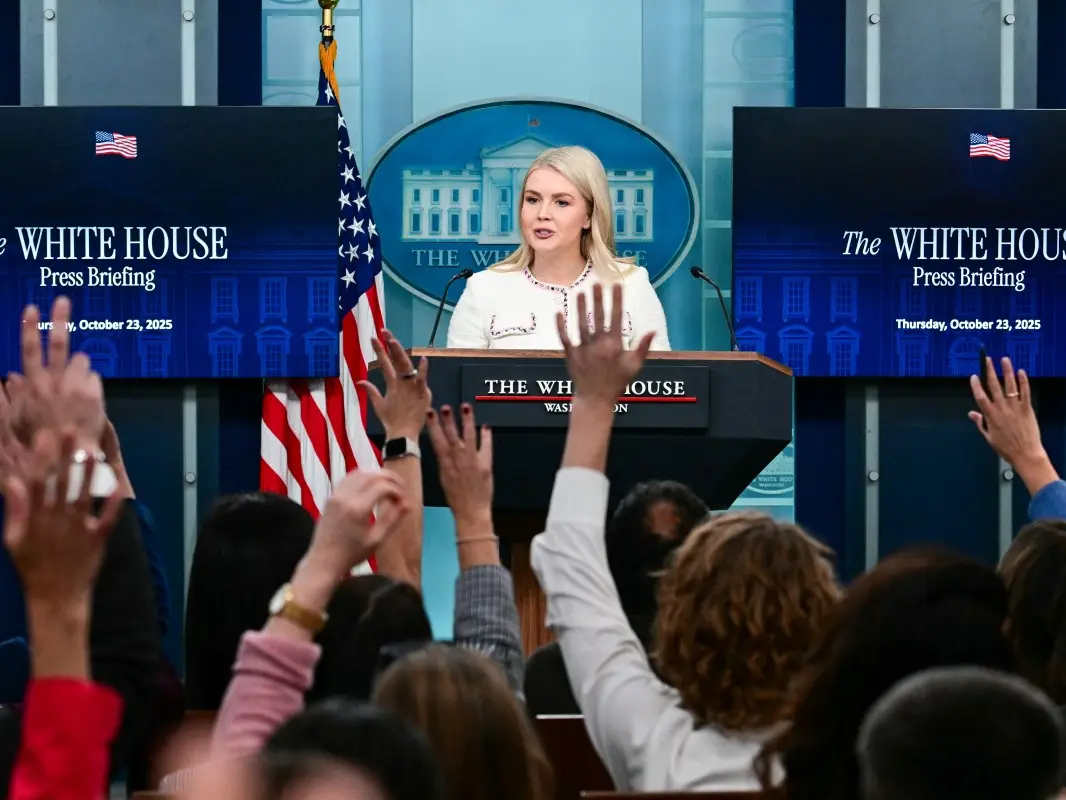
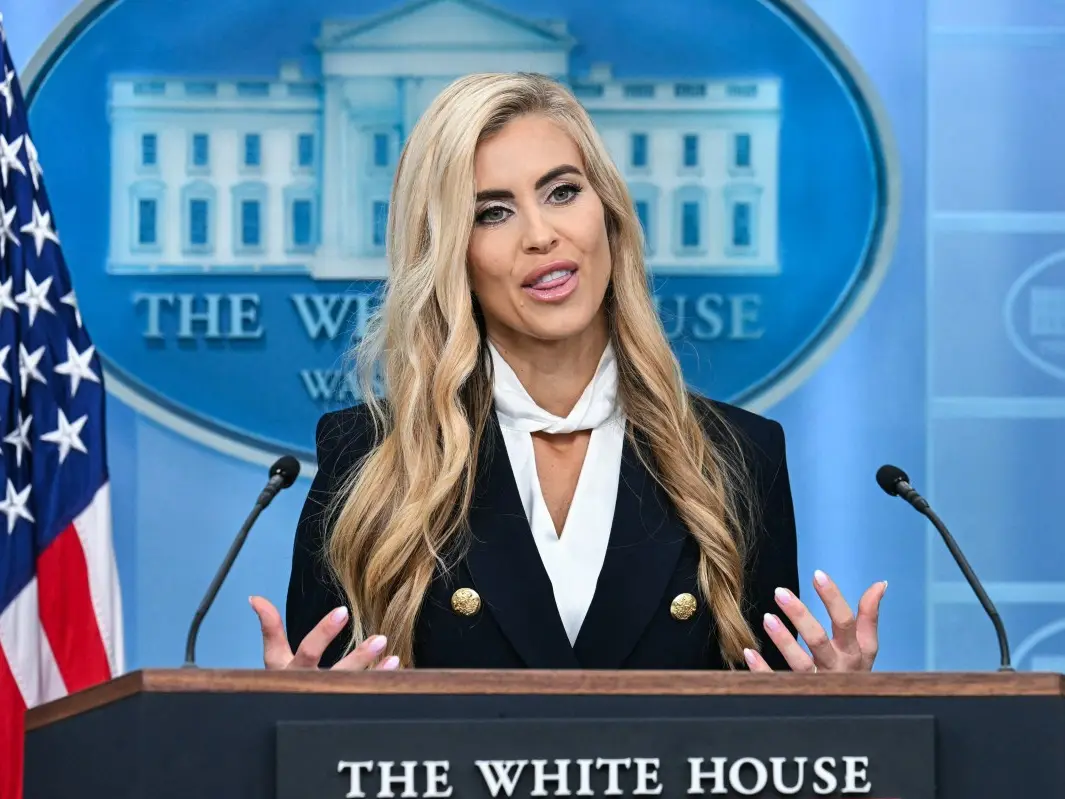
White House Press Secretary Karoline Leavitt speaks during the press briefing in the Brady Briefing Room of the White House in Washington, DC, on October 23, 2025. Photograph: (AFP)
The move has been taken to protect “sensitive material” and will take effect immediately.
US President Donald Trump’s administration on Friday (Oct 31) restricted access for credentialed journalists from the core part of the White House press office without a prior appointment. The new rule bars journalists from entering the offices of press secretary Karoline Leavitt and other top communications officials in the West Wing, also known as Upper Press. The move has been taken to protect “sensitive material” and will take effect immediately.
Defending the move, White House Communications Director Steven Cheung accused the reporters of “ambushing” cabinet secretaries in the area and secretly recording video and audio.
Cheung said on X that “some reporters have been caught secretly recording video and audio of our offices, along with pictures of sensitive info, without permission.”
“Cabinet Secretaries routinely come into our office for private meetings, only to be ambushed by reporters waiting outside our doors,” he added, also accusing reporters of “eavesdropping on private, closed-door meetings.” He did not provide any evidence for the accusations.
What did the memo say?
“This memorandum directs the prohibition of press passholders from accessing... ‘Upper Press,’ which is situated adjacent to the Oval Office, without an appointment,” said a memo, addressed to Leavitt and Cheung, from the White House National Security Council (NSC). It added that the decision was aimed at “protecting sensitive material from unauthorized disclosure in Upper Press.”
Trending Stories
&imwidth=280&imheight=210&format=webp&quality=medium)
&imwidth=280&imheight=210&format=webp&quality=medium)
&imwidth=280&imheight=210&format=webp&quality=medium)
&imwidth=280&imheight=210&format=webp&quality=medium)
&imwidth=280&imheight=210&format=webp&quality=medium)
&imwidth=280&imheight=210&format=webp&quality=medium)
&imwidth=280&imheight=210&format=webp&quality=medium)
&imwidth=280&imheight=210&format=webp&quality=medium)
&imwidth=280&imheight=210&format=webp&quality=medium)
&imwidth=280&imheight=210&format=webp&quality=medium)
&imwidth=280&imheight=210&format=webp&quality=medium)
&imwidth=280&imheight=210&format=webp&quality=medium)
&imwidth=280&imheight=210&format=webp&quality=medium)
&imwidth=280&imheight=210&format=webp&quality=medium)
&imwidth=280&imheight=210&format=webp&quality=medium)
&imwidth=280&imheight=210&format=webp&quality=medium)
&imwidth=280&imheight=210&format=webp&quality=medium)
&imwidth=280&imheight=210&format=webp&quality=medium)
&imwidth=280&imheight=210&format=webp&quality=medium)
&imwidth=280&imheight=210&format=webp&quality=medium)
&imwidth=280&imheight=210&format=webp&quality=medium)
&imwidth=280&imheight=210&format=webp&quality=medium)
&imwidth=280&imheight=210&format=webp&quality=medium)
&imwidth=280&imheight=210&format=webp&quality=medium)
&imwidth=280&imheight=210&format=webp&quality=medium)
&imwidth=280&imheight=210&format=webp&quality=medium)
&im=FitAndFill=(700,400)&imwidth=280&imheight=210&format=webp&quality=medium)
&imwidth=280&imheight=210&format=webp&quality=medium)
&imwidth=280&imheight=210&format=webp&quality=medium)
&imwidth=280&imheight=210&format=webp&quality=medium)
&imwidth=280&imheight=210&format=webp&quality=medium)
&imwidth=280&imheight=210&format=webp&quality=medium)
&imwidth=280&imheight=210&format=webp&quality=medium)
&imwidth=280&imheight=210&format=webp&quality=medium)
&imwidth=280&imheight=210&format=webp&quality=medium)
Until now, White House reporters were allowed to visit the area freely, including seeking information or confirming stories from Leavitt or senior press officers. According to the memo, the journalists can now only access the area called “Lower Press”, which is next to the White House briefing room and has more junior press officers’ desks.
The new guidelines come amid other restrictions imposed by the Trump administration, including new rules for journalists at the Pentagon that major outlets refused to sign earlier this month.
The memo stated that the new restrictions were imposed due to “recent structural changes to the National Security Council”, which meant that White House press officers were now dealing with more sensitive information.
The NSC was put under the control of Secretary of State Marco Rubio following the scandal involving the use of the messaging app Signal for discussing strikes on Yemen that led to the resignation of former National Security Advisor Mike Waltz.

