

&imwidth=800&imheight=600&format=webp&quality=medium "'Contacts with Iranian leadership difficult at this moment, spoke to FM Araghchi': Jaishankar's statement on US-Iran-Israel war")
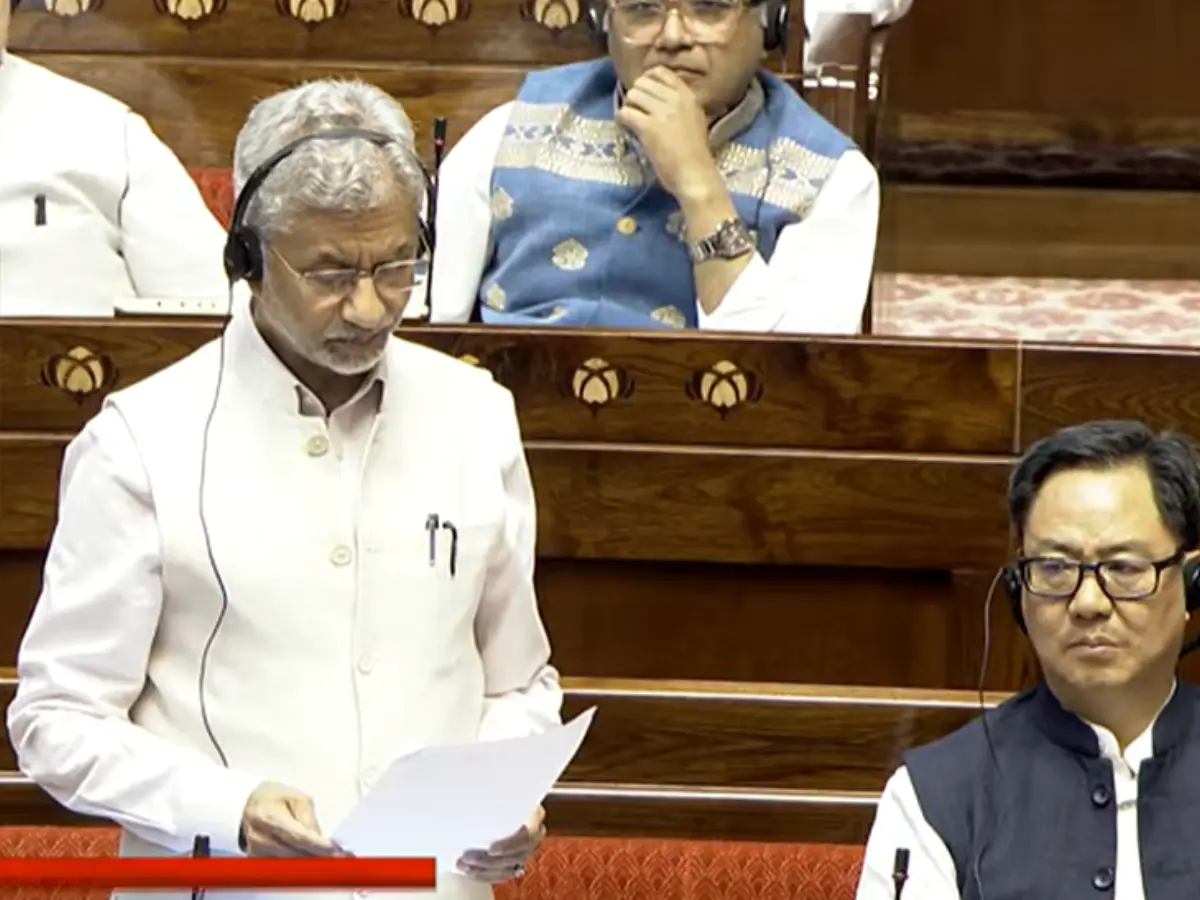
External Affairs Minister S Jaishankar, on Monday (Mar 9) briefed the Rajya Sabha on the escalating tensions in West Asia amid war between Iran, the US and Israel and highlighted India's stance that dialogue and diplomacy are the ways forward for all sides to de-escalate. He said that Prime Minister Narendra Modi is “closely monitoring the situation” and has already spoken to leaders of relevant countries in West Asia. Jaishankar also told the House that attempts were made to reach out to the Iranian side but it is difficult right now, adding that he has spoken to his counterpart Abbas Araghchi. He also emphasized that India's priority is the safety of Indians and addressed the key questions about energy amid raging war. Jaishankar's address was interrupted by Opposition sloganeering, with the Rajya Sabha chairman asking them to listen to the EAM.
Also Read: 'I am not...': Trump's first reaction after Iran appoints Mojtaba Khamenei as new Supreme Leader
He also touched upon the issue of Iranian warship docking at Kochi and said that request for the same was received on Feb 28. He added that Araghchi had thanked India for granting refuge to the Iranian naval vessel IRIS Lavan at Kochi port, though the Indian FM did not speak anything about the IRIS Dena that was attacked by US torpedo and sank off the coast of Sri Lanka, killing 87 people.
On energy needs, Jaishankar said that the interest of the Indian consumer would remain the government’s “overriding priority”, even as he admitted that the escalating situation could trigger "serious supply chain disruption." "The region is key to our energy security and includes many important suppliers of oil and gas. Serious supply chain disruptions and a climate of instability are serious issues,” he told the House. "The Prime Minister continues to closely monitor the emerging developments, and relevant ministries are coordinating to ensure effective responses," Jaishankar stated. He further noted that the government maintains constant communication with Indians across the Gulf and confirmed that the Indian Embassy in Tehran remains "fully operational," providing active assistance to students caught in the conflict. Jaishankar warned that the region is "key to our energy security" as it houses critical suppliers of oil and gas.
He cautioned that "serious supply chain disruptions and a climate of instability are serious issues," adding that the conflict has continued to intensify while the regional security environment has “deteriorated significantly.” According to the Minister, the hostilities have now "spread to other countries with mounting destruction," resulting in a situation where “normal life and activities are visibly affected.”
Trending Stories
&imwidth=180&imheight=135&format=webp&quality=medium)
Putin wants joint meeting with Trump-Xi summit on Ukraine war, proposes talks alongside APEC: Report
&imwidth=180&imheight=135&format=webp&quality=medium)
KATSEYE performs at Victoria’s Secret show, teases Sophia Laforteza’s return
&imwidth=180&imheight=135&format=webp&quality=medium)
'It's a joy to see the makers bring it on such a grand scale': SS Rajamouli on Ramayana
&imwidth=180&imheight=135&format=webp&quality=medium)
Kylie Jenner makes Victoria’s Secret debut in $50 million diamond-encrusted design as Timothée Chalamet cheers
&imwidth=180&imheight=135&format=webp&quality=medium)
Lawrence Bishnoi gang claims responsibility for firing at Tiger Shroff over ties to Salman Khan
&imwidth=180&imheight=135&format=webp&quality=medium)
Karan Johar reimagines Student Of The Year with thriller series After Dark, Shanaya Kapoor to debut on OTT
&imwidth=180&imheight=135&format=webp&quality=medium)
MI5 is opening an AI threat centre, and OpenAI just told MPs the worst isn't over
&imwidth=180&imheight=135&format=webp&quality=medium)
Why France looks the most fragile in the G7 amid protests and budget deadlock
&imwidth=180&imheight=135&format=webp&quality=medium)
Anthropic’s public benefit plan: What its 5% share commitment means for AI’s future
&imwidth=180&imheight=135&format=webp&quality=medium)
Girl 'dead' for 8 hours wakes up at her own funeral, dad insists she wasn't breathing
&imwidth=180&imheight=135&format=webp&quality=medium)
'We feel like Mr India': Gujarat’s undercover SHE team guard garba nights at Navratri
&imwidth=180&imheight=135&format=webp&quality=medium)
US to review Russia sanctions waiver within 60 days as Rubio cites India’s ‘substantial’ Russian energy imports
&imwidth=180&imheight=135&format=webp&quality=medium)
Saudi Arabia asks skyscraper employees to work from home amid Houthi threats
&imwidth=180&imheight=135&format=webp&quality=medium)
Nobel laureate Machado, who dedicated prize to Trump, confirmed as Venezuela opposition leader
&imwidth=180&imheight=135&format=webp&quality=medium)
Brendan Taylor overtakes Andy Flower to become Zimbabwe’s leading ODI run-scorer
&im=FitAndFill=(700,400)&imwidth=180&imheight=135&format=webp&quality=medium)
Tesla Roadster engineering: The hidden hardware behind its flying demonstration
&imwidth=180&imheight=135&format=webp&quality=medium)
India moves to buy 10,000 more AI chips for a national compute pool open to startups
&imwidth=180&imheight=135&format=webp&quality=medium)
Priest dies after crucifix falls on his head during livestreamed Mass in Ecuador | VIDEO
&imwidth=180&imheight=135&format=webp&quality=medium)
Asian Para Games: Nishad Kumar clinches T47 long jump gold; Ravi Budigina bags swimming silver
&im=FitAndFill=(700,400)&imwidth=180&imheight=135&format=webp&quality=medium)
New OTT releases this week (October 19-25, 2026): Gajab Raat to Chaar Yaar-8 titles to watch during Dussehra week on Netflix, Prime Video and more
&imwidth=180&imheight=135&format=webp&quality=medium)
No Ravindra Jadeja, Yashasvi Jaiswal in India’s 2027 ODI World Cup plans: Report
&imwidth=180&imheight=135&format=webp&quality=medium)
Cattle-feed bran in biscuits, detergent in milk: FSSAI acts against 3 companies
&imwidth=180&imheight=135&format=webp&quality=medium)
NFl 2026/27 - Saints vs Steelers to go ahead in Paris next week despite protest
&imwidth=180&imheight=135&format=webp&quality=medium)
Researchers name newly discovered Andean plant after Argentina legend Lionel Messi
&imwidth=180&imheight=135&format=webp&quality=medium)
'Grassroots leagues help bridge the gap': India's ODI WC winner Suresh Raina lauds ISCL ahead of Season 2
&imwidth=180&imheight=135&format=webp&quality=medium)
Tiger Shroff attacked by three gunmen in Mumbai, actor safe, two injured
&imwidth=180&imheight=135&format=webp&quality=medium)
After Kennedy Center and reflecting pool disputes, Trump turns to Washington golf course plan amid legal battle
&imwidth=180&imheight=135&format=webp&quality=medium)
Shastri backs Shami comeback; lauds Bhuvi and warns Bumrah on format workload ahead of World Cup
&imwidth=180&imheight=135&format=webp&quality=medium)
4 killed, 19 critically injured in grass fire at Canada's largest military base
&imwidth=180&imheight=135&format=webp&quality=medium)
Anirudh Ravichander-Kavya Maran wedding: Telangana CM reveals Chennai reception date
&imwidth=180&imheight=135&format=webp&quality=medium)
Cattle feed found in biscuits of Indian company, FSSAI sends legal notice
&imwidth=180&imheight=135&format=webp&quality=medium)
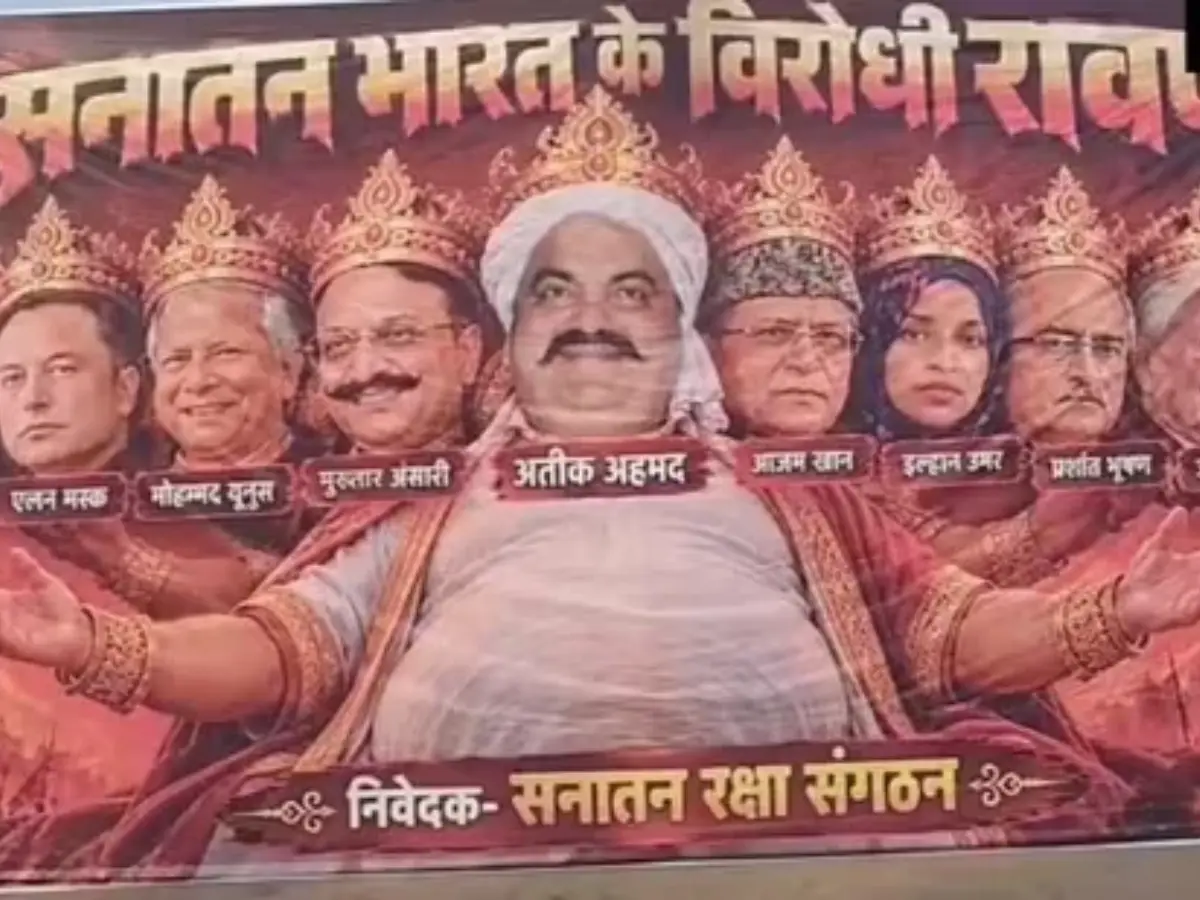
Elon Musk features on Lucknow's 'anti-India' Ravan poster alongside Rahul Gandhi, Akhilesh
&imwidth=180&imheight=135&format=webp&quality=medium)
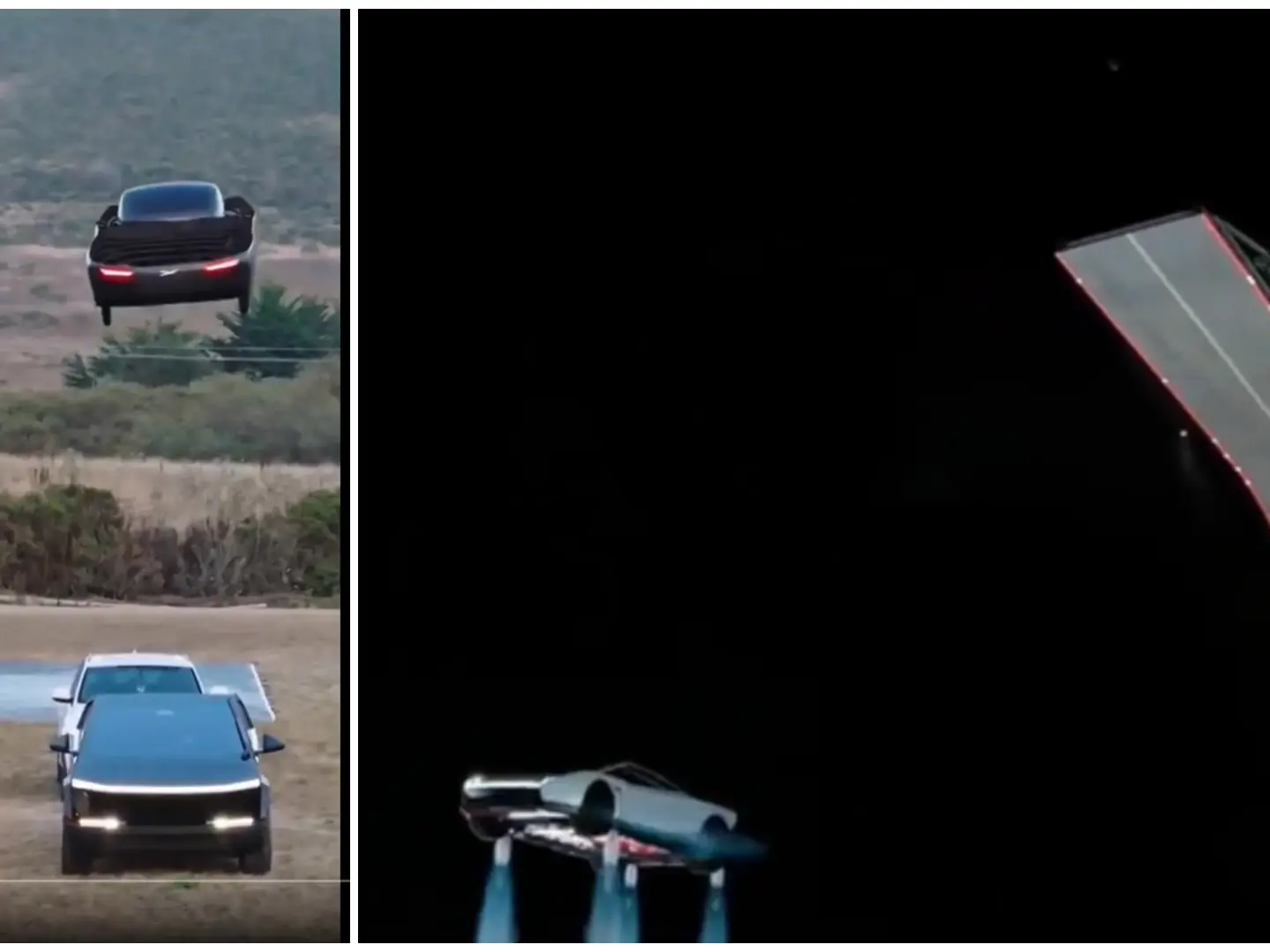
Flying car race: Alef Aeronautics welcomes Tesla Roadster '11 years' later, but are the two models the same?
&imwidth=180&imheight=135&format=webp&quality=medium)
China responds to Trump's Press Secretary Katie Zacharia after toilet remark: 'Visit China more often'
The Minister told the House that the embassy has already facilitated the relocation of several students to "safer areas." Furthermore, he indicated that intensive efforts are underway to assist Indians currently stranded in nations such as Qatar and Jordan to ensure they are “brought back safely.” Providing a grim update on the human cost of the maritime disruptions, Jaishankar informed the Rajya Sabha, “We have lost two Indian mariners (merchant shipping), and one remains missing.” Detailing the broader geopolitical and economic implications, the Union Minister said, "This ongoing conflict is of particular concern to India. We are a neighbouring region, and have obvious stakes that West Asia remains stable."

