‘No direct or indirect talks’: Iran denies conversation with Trump after US prez claims 'detailed, constructive’ talks

&imwidth=600&imheight=450&format=webp&quality=medium "‘No direct or indirect talks’: Iran denies conversation with Trump after US prez claims 'detailed, constructive’ talks")
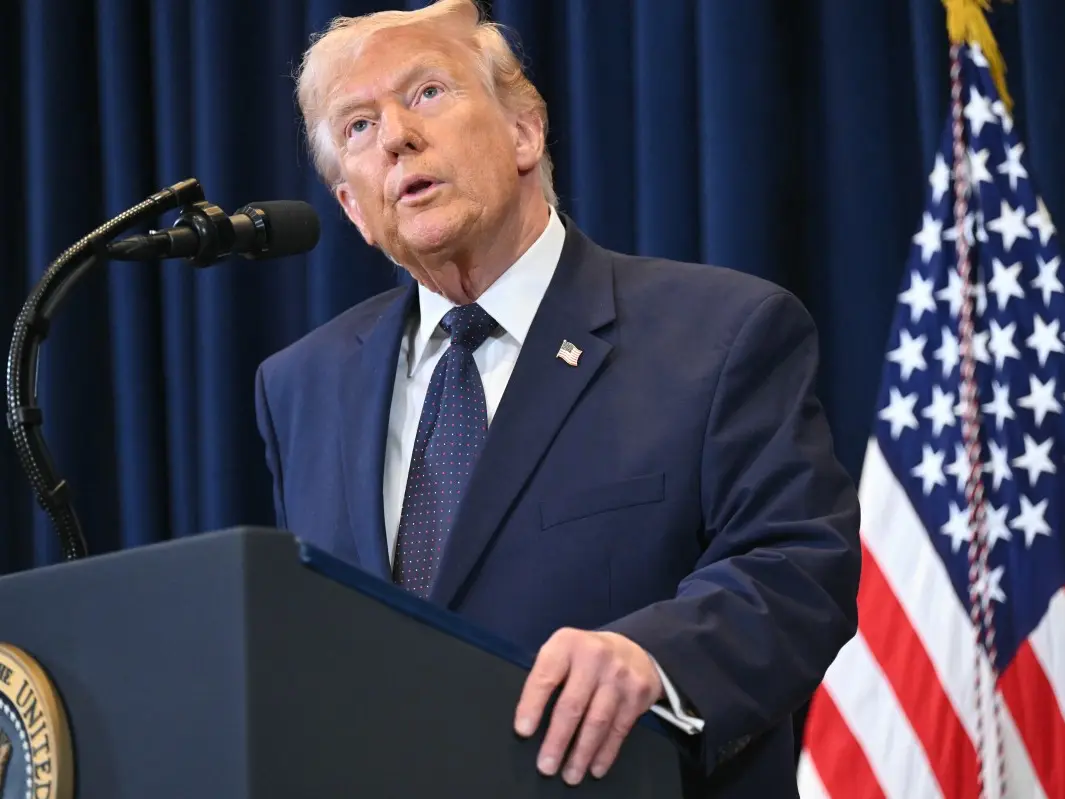
File image of Trump for representation Photograph: (AFP)
Iran denied any talks with Donald Trump after he claimed “constructive conversations,” calling it misinformation aimed at influencing markets, while IRGC-linked outlets reiterated no direct or indirect contact occurred.
A clear contradiction has emerged between Washington and Tehran after US President Donald Trump said on Monday (March 23) that the two countries held “very good and productive conversations,” while Iran categorically denied that any such talks took place.
Posting on Truth Social, Trump said the US and Iran had engaged in “in-depth, detailed, and constructive conversations” over the past two days. He also announced a five-day postponement of planned US strikes on Iranian power plants and energy infrastructure, citing the “tone and tenor” of these discussions.
However, Iran’s foreign ministry rejected the claim, stating there are no ongoing talks between Tehran and Washington. The statement, reported by Mehr News Agency, described Trump’s remarks as part of an effort to influence energy markets and gain time.
Separately, Fars News Agency, which is affiliated with Iran’s Islamic Revolutionary Guard Corps (IRGC), reported that there has been “no direct or indirect contact” with Trump. An Iranian source reiterated that no communication had taken place.
Trending Stories
)
)
)
)
)
)
)
)
)
)
)
)
)
)
)
)
)
)
)
)
)
)
)
)
)
)
)
)
)
)
)
)
)
)
&im=FitAndFill=(700,400))
)
)
)
)
Another IRGC-linked outlet, Tasnim News Agency, also quoted a senior security official as saying, “No negotiations have taken place and none are underway.” The official added that Iran had communicated through intermediaries that it would continue its defensive actions until what it described as a necessary level of deterrence is reached.
Iranian officials acknowledged that some regional countries have attempted to mediate and reduce tensions. However, Tehran maintained that it is not engaged in negotiations and that such efforts should be directed toward Washington.
Disclaimer: WION takes utmost care to accurately and responsibly report ongoing conflicts in West Asia involving Israel, Iran, US, Gulf nations and non-state actors like Hezbollah, Hamas, Houthis, Islamic State, and others. Claims and counterclaims, disinformation and misinformation are being made online and offline. Given this context, WION cannot independently verify the authenticity of all statements, social media posts, photos and videos.

