'I am sorry for believing Mandelson lies': UK Prime Minister Keir Starmer

&imwidth=600&imheight=450&format=webp&quality=medium "'I am sorry for believing Mandelson lies': UK Prime Minister Keir Starmer")
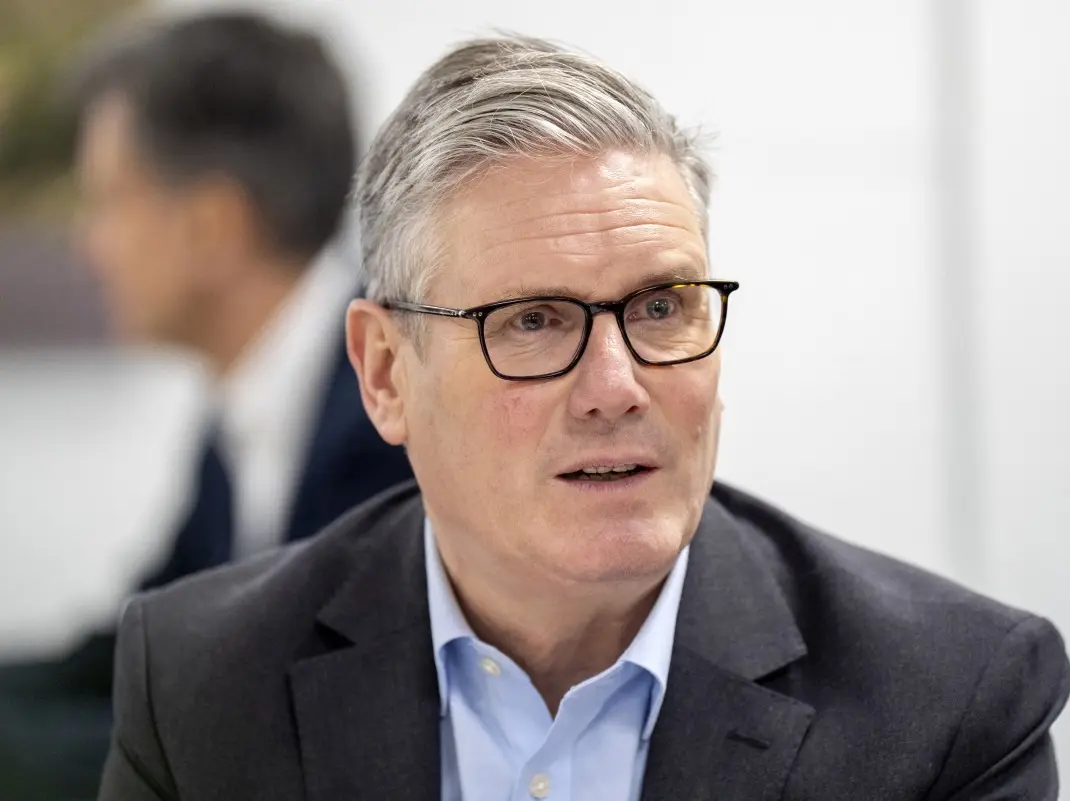
Keir Starmer Photograph: (AFP)
UK Prime Minister Keir Starmer on Thursday (February 5) said that no one was aware of the depth and the darkness of the Mandelson-Epstein relationship
UK Prime Minister Keir Starmer on Thursday (February 5) issued a public apology to the victims of Jeffrey Epstein, admitting Peter Mandelson had misled him before appointing him as the UK’s ambassador to the United States.
Opening a speech in East Sussex, Starmer confronted the growing controversy head-on, saying Mandelson had lied about the extent of his relationship with the convicted paedophile. While Mandelson’s acquaintance with Epstein was known at the time of his appointment, the prime minister said neither he nor others were aware of what he described as the “depths and the darkness” of that relationship.
“I am sorry,” Starmer said, directly addressing Epstein’s victims. “Sorry for having believed Mandelson’s lies and appointed him.” The Prime Minister said he shared the anger felt by the public when people in positions of power escape scrutiny. He acknowledged that Epstein’s victims had lived with trauma “that most of us can barely comprehend” and had seen accountability “delayed and too often denied”.
Also Read: 'If Iran gets nuclear weapons...': JD Vance warns of regional nuke arms race, mentions Saudi Arabia
Starmer revealed that Mandelson was questioned during the appointment process about his links to Epstein, including whether he had stayed with him after his conviction and whether he had accepted gifts from him. According to Starmer, Mandelson portrayed Epstein as someone he barely knew. “When it became clear that wasn’t true, he was sacked,” the Prime Minister said. “No one should hold public office if they can’t meet the basic test of honesty,” Starmer added.
Addressing demands to publish official documents related to the case, Starmer said he wanted the so-called Mandelson files released “as quickly as possible”. However, he said police had advised against doing so for now, warning that publication could prejudice future investigations or legal proceedings. While calling the delay “frustrating from a personal point of view”, Starmer said he would not take “politically tempting” steps that could risk justice for victims. Reflecting on his own political journey, Starmer said he entered politics later in life after a career in the criminal justice system, driven by a belief in service and duty rather than personal gain or status. “That is not why Mandelson did it,” he said, adding that duty only has meaning if high standards in public life are upheld.
Trending Stories
)
)
)
)
)
)
)
)
)
)
)
)
)
)
)
)
)
)
)
)
)
&im=FitAndFill=(700,400))
)
)
)
)
)
)
&im=FitAndFill=(700,400))
)
)
)
)
)
)
)
)
Starmer concluded by acknowledging that serious allegations and evidence had now emerged concerning Mandelson’s conduct, particularly his relationship with Epstein, and said the matter underscored the need for integrity and accountability at the highest levels of public office.

