‘Hardest war to solve’, says JD Vance as US-led Russia-Ukraine peace push stalls over territory

&imwidth=600&imheight=450&format=webp&quality=medium "‘Hardest war to solve’, says JD Vance as US-led Russia-Ukraine peace push stalls over territory")
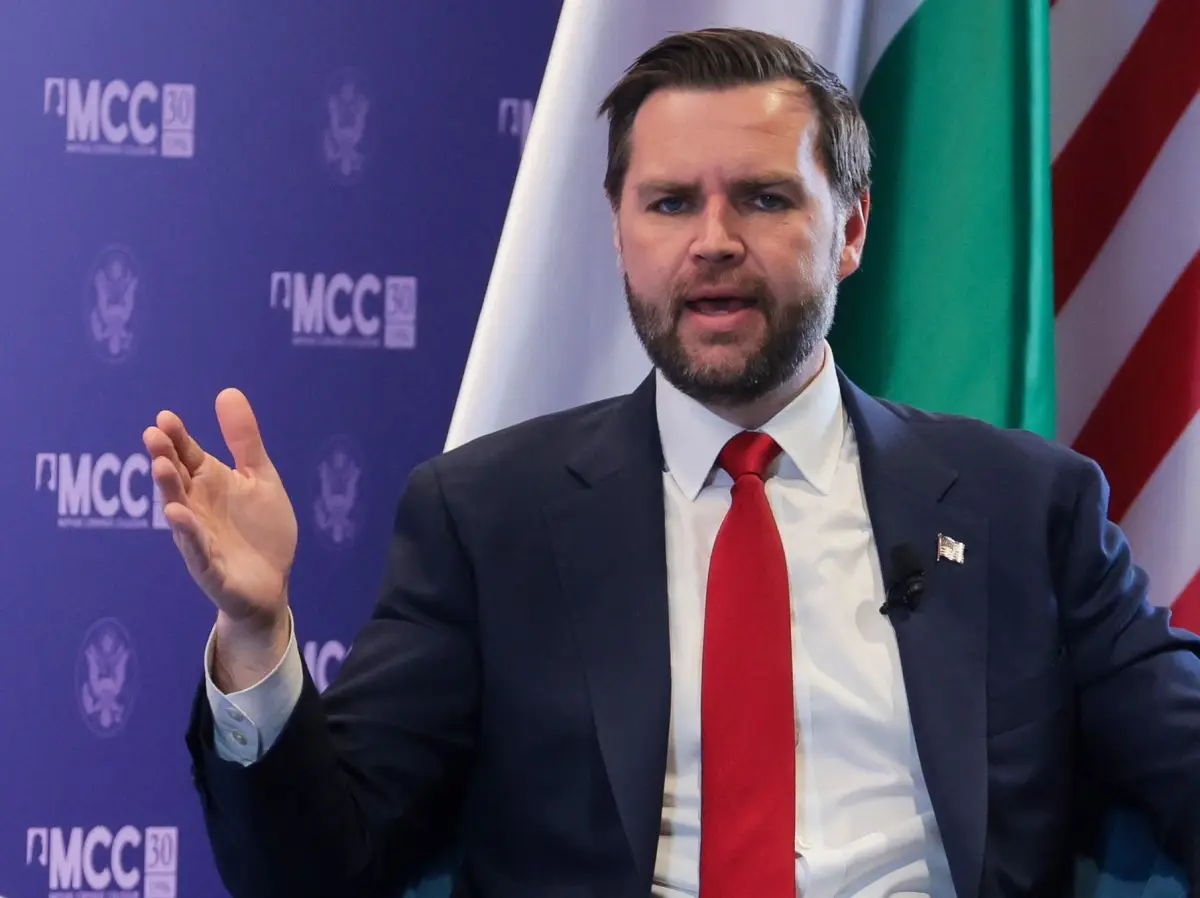
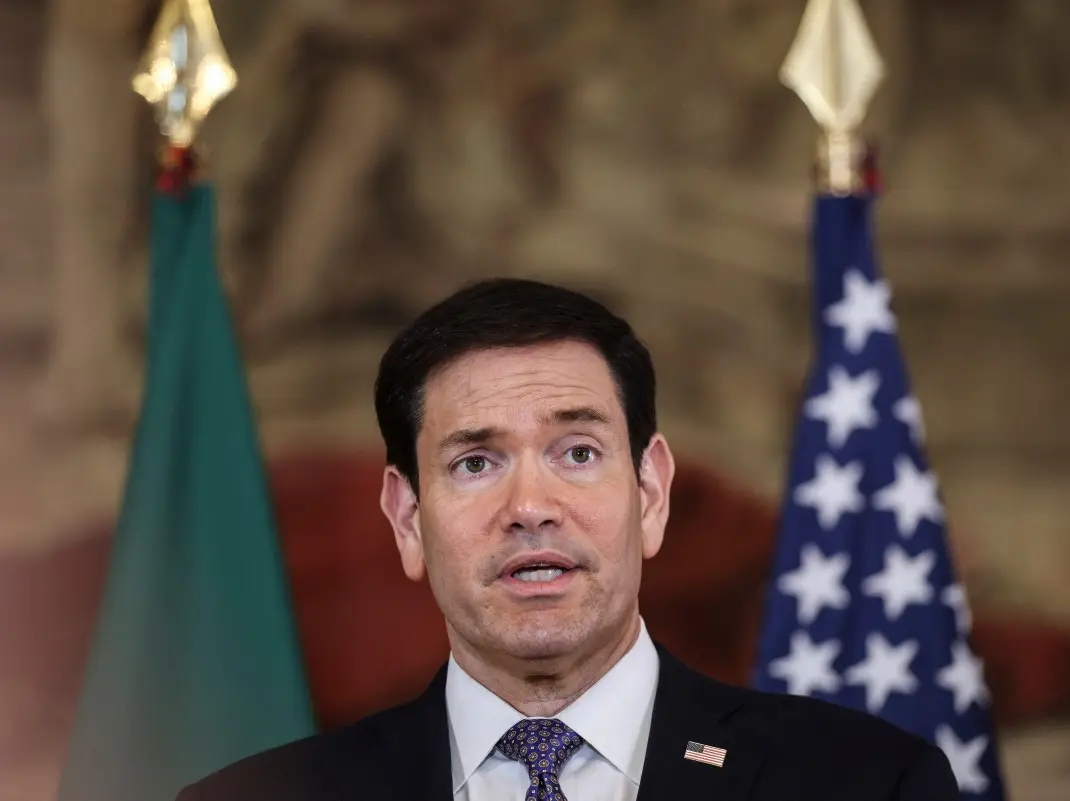
US Vice President JD Vance delivers remarks at the Mathias Corvinus Collegium in Budapest on April 8, 2026, on the second day of his visit to Hungary. Photograph: (AFP)
Vice President JD Vance labelled the Russia-Ukraine war the "hardest" to solve, acknowledging stalled peace efforts as both nations clash over territorial concessions despite US-led mediation and proposed Easter ceasefires.
US Vice President JD Vance on Wednesday (April 8) described the Russia-Ukraine war as the “hardest” conflict to resolve, acknowledging that months of US-led diplomatic efforts have yet to produce a breakthrough even as the war enters its fifth year.
Speaking during a visit to Budapest, Vance said Washington would “keep on working” to end the war, which began with Russia’s full-scale invasion of Ukraine in February 2022. He quoted US President Donald Trump as saying the conflict had proven far more complex than initially expected.
“What the president has said is that it's the hardest war to solve. In some ways, we thought it would be the easiest, but it has been the hardest,” Vance said, adding that there had nevertheless been “significant progress”. Vance suggested that any eventual settlement would require difficult compromises from both Moscow and Kyiv, appearing to hint at possible territorial concessions.
We’re talking about haggling at this point over a few square kilometres of territory. Is that worth losing hundreds of thousands of additional Russian and Ukrainian young men?” he said. “The answer is clearly no. But it takes two to tango. We can only open the door. The Russians and the Ukrainians have to walk through it.”
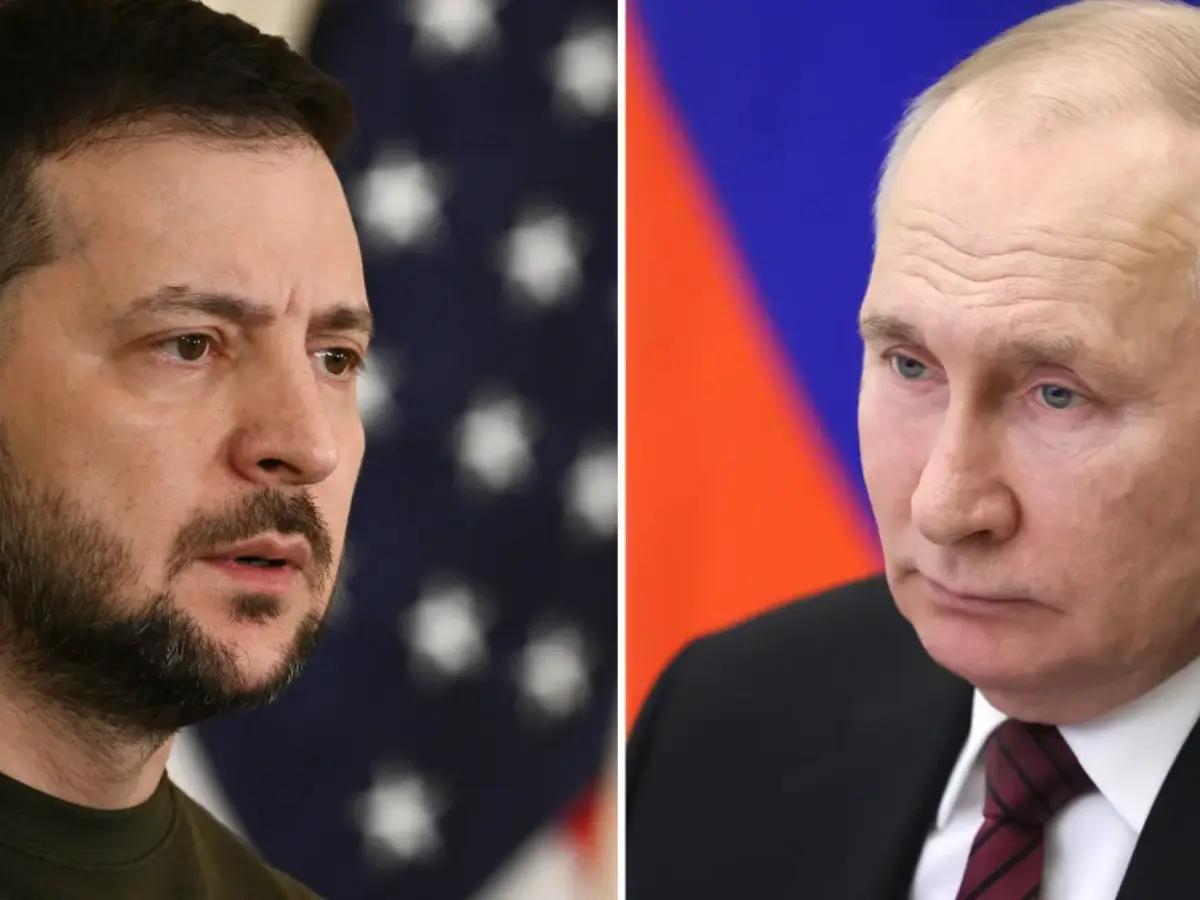
His remarks come amid renewed but fragile diplomatic activity. Last Sunday, Ukrainian President Volodymyr Zelensky said he would ask US mediators to convey a proposal to Russia for an Easter ceasefire. Speaking on the sidelines of an event marking the anniversary of the Bucha killings, Zelensky said Ukraine was ready to pause attacks on energy infrastructure during the holiday period.
Trending Stories
&imwidth=280&imheight=210&format=webp&quality=medium)
&imwidth=280&imheight=210&format=webp&quality=medium)
&imwidth=280&imheight=210&format=webp&quality=medium)
&imwidth=280&imheight=210&format=webp&quality=medium)
&imwidth=280&imheight=210&format=webp&quality=medium)
&imwidth=280&imheight=210&format=webp&quality=medium)
&imwidth=280&imheight=210&format=webp&quality=medium)
&imwidth=280&imheight=210&format=webp&quality=medium)
&imwidth=280&imheight=210&format=webp&quality=medium)
&im=FitAndFill=(700,400)&imwidth=280&imheight=210&format=webp&quality=medium)
&imwidth=280&imheight=210&format=webp&quality=medium)
&imwidth=280&imheight=210&format=webp&quality=medium)
&imwidth=280&imheight=210&format=webp&quality=medium)
&imwidth=280&imheight=210&format=webp&quality=medium)
&imwidth=280&imheight=210&format=webp&quality=medium)
&imwidth=280&imheight=210&format=webp&quality=medium)
&imwidth=280&imheight=210&format=webp&quality=medium)
&imwidth=280&imheight=210&format=webp&quality=medium)
&imwidth=280&imheight=210&format=webp&quality=medium)
&imwidth=280&imheight=210&format=webp&quality=medium)
&im=FitAndFill=(700,400)&imwidth=280&imheight=210&format=webp&quality=medium)
&imwidth=280&imheight=210&format=webp&quality=medium)
&imwidth=280&imheight=210&format=webp&quality=medium)
&imwidth=280&imheight=210&format=webp&quality=medium)
&imwidth=280&imheight=210&format=webp&quality=medium)
&imwidth=280&imheight=210&format=webp&quality=medium)
&imwidth=280&imheight=210&format=webp&quality=medium)
&im=FitAndFill=(700,400)&imwidth=280&imheight=210&format=webp&quality=medium)
&imwidth=280&imheight=210&format=webp&quality=medium)
&imwidth=280&imheight=210&format=webp&quality=medium)
&imwidth=280&imheight=210&format=webp&quality=medium)
&imwidth=280&imheight=210&format=webp&quality=medium)
&imwidth=280&imheight=210&format=webp&quality=medium)
&imwidth=280&imheight=210&format=webp&quality=medium)
&imwidth=280&imheight=210&format=webp&quality=medium)
However, the Kremlin signalled caution. Spokesman Dmitry Peskov said Moscow had not received a clear or formal proposal from Kyiv, according to Al Jazeera.
Also read: Was Trump going to order attacks if deadline for Iran had crossed? This is what Hegseth says
Despite several rounds of US-backed talks this year, progress has been limited. A first round of trilateral discussions in January was described as “constructive”, followed by a second meeting in early February in Abu Dhabi, where both sides agreed to a prisoner exchange and to continue negotiations. A further round expected later this month has now been delayed.

