‘For today’s war and tomorrow’s security’: Ukraine’s new Flamingo missile is the gift that will keep on giving

&imwidth=600&imheight=450&format=webp&quality=medium "‘For today’s war and tomorrow’s security’: Ukraine’s new Flamingo missile is the gift that will keep on giving")
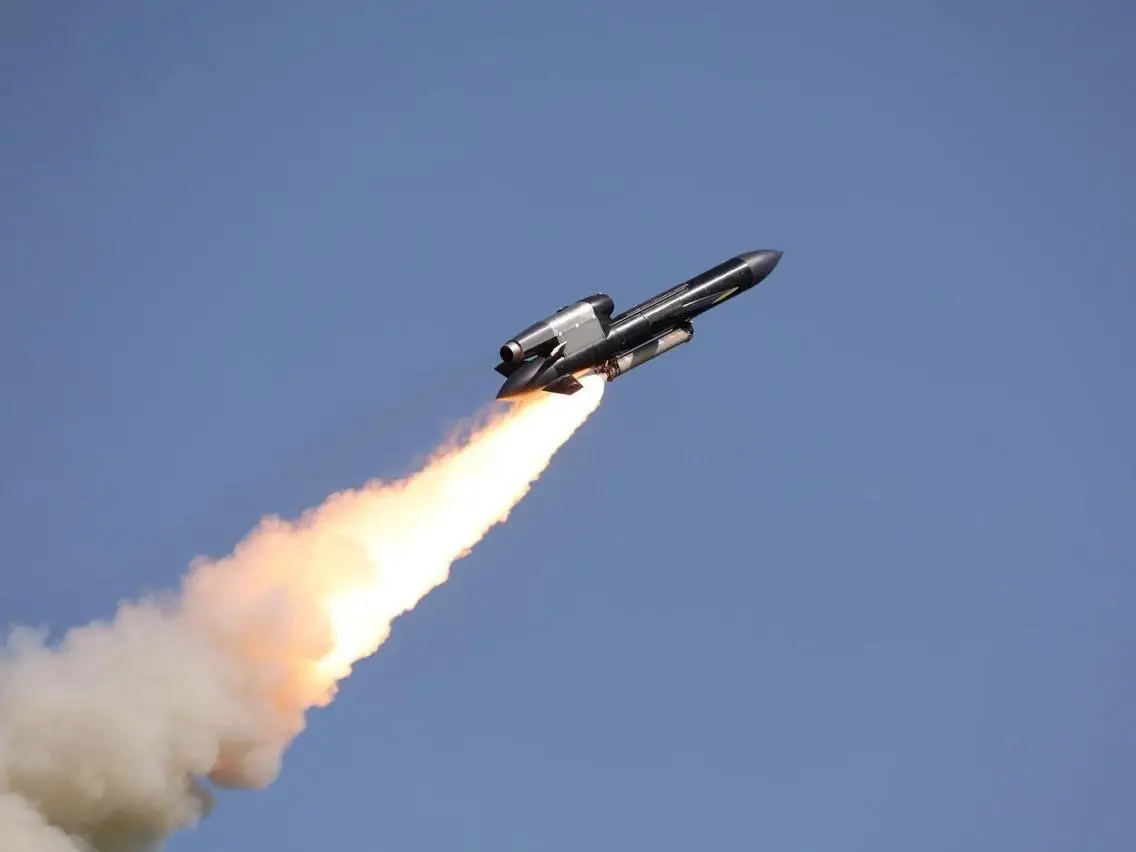
Ukraine’s new Flamingo missile is the gift that will keep on giving Photograph: (Fire Point)
Ukraine unveiled the FP-5 “Flamingo” cruise missile on August 17, gaining global attention as a potential deterrent against Russia amid the ongoing war and rising regional tensions.
Ukraine revealed a new Ukrainian cruise missile, the FP-5 “Flamingo”, on August 17, and since then, it has been getting attention on a global level, seen as a deterrent to Russia amid the ongoing war. Here's all you need to know about Ukraine's Flamingo:
How big is the Flamingo missile?
The FP-5 Flamingo is the heaviest missile system Ukraine has ever built. Fire Point says it has:
• A wingspan of six metres
• A launch weight of 6,000 kilograms
• A payload capacity of 1,150 kilograms
Trending Stories
&im=FitAndFill=(700,400)&imwidth=280&imheight=210&format=webp&quality=medium)
&imwidth=280&imheight=210&format=webp&quality=medium)
&imwidth=280&imheight=210&format=webp&quality=medium)
&imwidth=280&imheight=210&format=webp&quality=medium)
&imwidth=280&imheight=210&format=webp&quality=medium)
&imwidth=280&imheight=210&format=webp&quality=medium)
&imwidth=280&imheight=210&format=webp&quality=medium)
&imwidth=280&imheight=210&format=webp&quality=medium)
&imwidth=280&imheight=210&format=webp&quality=medium)
&imwidth=280&imheight=210&format=webp&quality=medium)
&imwidth=280&imheight=210&format=webp&quality=medium)
&imwidth=280&imheight=210&format=webp&quality=medium)
&imwidth=280&imheight=210&format=webp&quality=medium)
&imwidth=280&imheight=210&format=webp&quality=medium)
&imwidth=280&imheight=210&format=webp&quality=medium)
&imwidth=280&imheight=210&format=webp&quality=medium)
&imwidth=280&imheight=210&format=webp&quality=medium)
&imwidth=280&imheight=210&format=webp&quality=medium)
&imwidth=280&imheight=210&format=webp&quality=medium)
&imwidth=280&imheight=210&format=webp&quality=medium)
&imwidth=280&imheight=210&format=webp&quality=medium)
&imwidth=280&imheight=210&format=webp&quality=medium)
&imwidth=280&imheight=210&format=webp&quality=medium)
&imwidth=280&imheight=210&format=webp&quality=medium)
&imwidth=280&imheight=210&format=webp&quality=medium)
&imwidth=280&imheight=210&format=webp&quality=medium)
&imwidth=280&imheight=210&format=webp&quality=medium)
&im=FitAndFill=(700,400)&imwidth=280&imheight=210&format=webp&quality=medium)
&imwidth=280&imheight=210&format=webp&quality=medium)
&im=FitAndFill=(700,400)&imwidth=280&imheight=210&format=webp&quality=medium)
&im=FitAndFill=(700,400)&imwidth=280&imheight=210&format=webp&quality=medium)
&im=FitAndFill=(700,400)&imwidth=280&imheight=210&format=webp&quality=medium)
&imwidth=280&imheight=210&format=webp&quality=medium)
&imwidth=280&imheight=210&format=webp&quality=medium)
This makes it far larger and more powerful than earlier Ukrainian drones or mini-cruise missiles.
Why does it look like the V-1 rocket?
The top-mounted engine gives it a resemblance to the German V-1 “flying bomb” from the Second World War. But that is where the similarities stop. The V-1 used a basic pulse jet. The Flamingo instead runs on a Motor Sich AI-25TL turbofan engine, the same type used in Aero L-39 trainer jets. This engine explains how the Flamingo can reach a range of 3,000 kilometres, far beyond Ukraine’s existing strike weapons.
How fast and accurate is the Flamingo missile?
Fire Point says the missile can travel at speeds of around 950 km/h. This likely refers to its top velocity near the end of flight, though its cruising speed is a little slower. For guidance, the Flamingo relies on GPS-assisted inertial navigation. It does not carry more advanced systems like terrain-matching or infrared seekers. This keeps production simple, but it also means a reported accuracy (CEP) of around 14 metres.
Production goals and limits
At present, Fire Point produces about one missile per day, roughly 30 per month. By year-end, the company claims it could increase this sevenfold, reaching over 200 per month, or 2,500 annually. The main challenge is the engine. While most components can be scaled up, production depends on Motor Sich or other suppliers being able to deliver enough turbofan engines. Even if the target is ambitious, keeping production steady at 30 to 50 missiles per month would still give Ukraine a strong arsenal of heavy cruise missiles.
How destructive is the Flamingo?
The FP-5 has two major advantages over Ukraine’s current systems:
• Penetration power: Its high terminal velocity and weight mean it can pierce structures before detonation.
• Bigger blast radius: With a warhead of more than 1,000 kilograms, it can devastate both hardened military structures and softer targets like oil refineries.
What does this mean for Ukraine’s future?
While the Flamingo’s immediate value is clear for today’s war, its long-term importance could be even greater. If Ukraine can mass-produce thousands of Flamingo-type missiles, it would gain a powerful deterrent. In a post-war Europe, such an arsenal could make Russia think twice before any future aggression. Ukraine’s Flamingo is not just a missile for today’s battlefield, it could be the country’s insurance policyfortomorrow.
