

&imwidth=800&imheight=600&format=webp&quality=medium "'Check for any backdoor', Xi's light-hearted warning on phones he gifted to S Korea president. Yes, someone can crack your phone for spying")
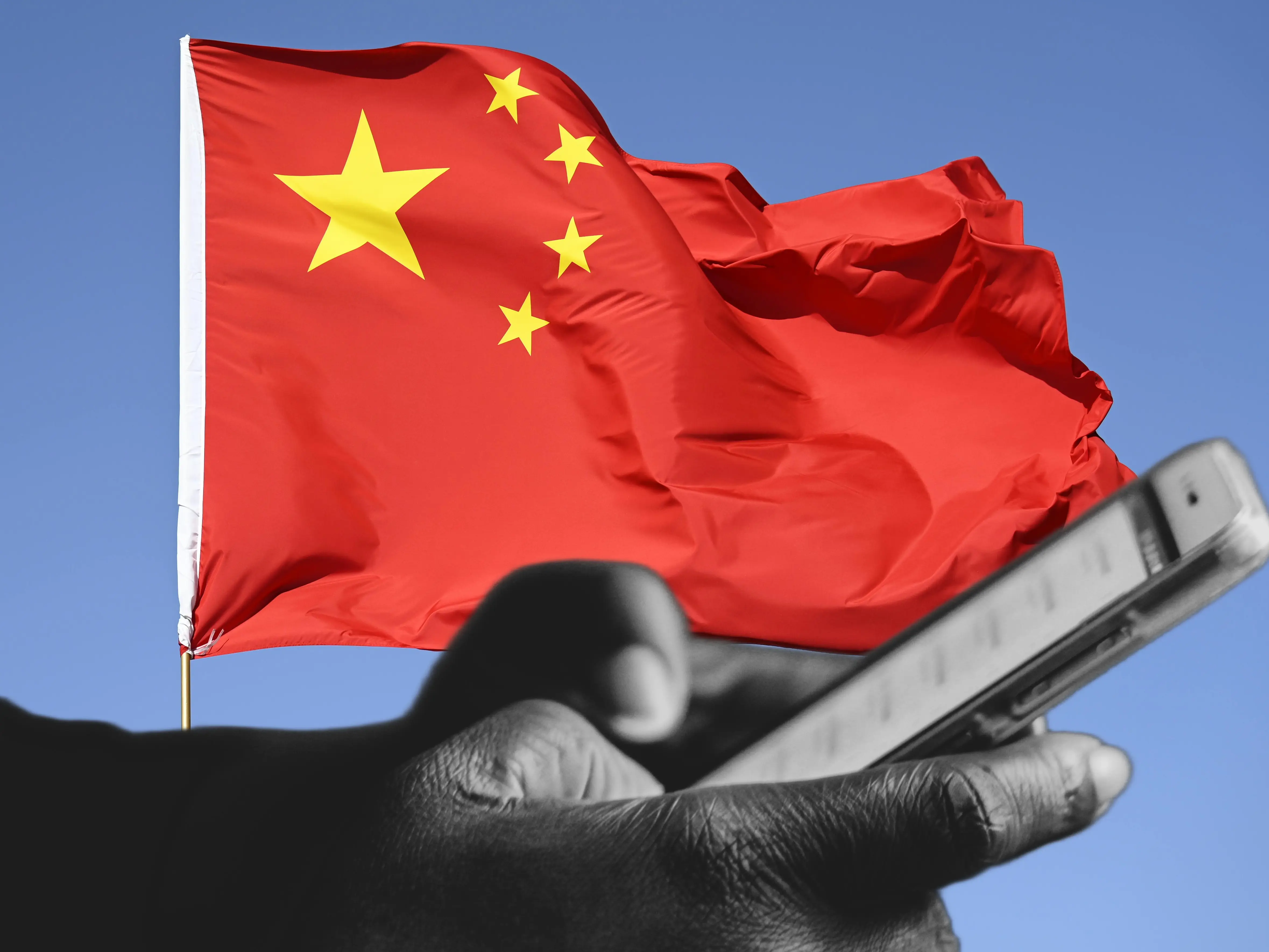
Chinese President Xi Jinping jocularly told Lee Jae-myung to "check if there’s any backdoor" on the smartphones he gifted to his South Korean counterpart. The unusual exchange was seen in some circles as a sarcastic remark on longstanding suspicions that mobile phones are used as tools of surveillance by China. But what exactly is a "backdoor"? Is it even possible to spy on cell phone users via such a method? The answers might surprise you — and no, it’s not only China that’s been accused of turning devices into digital spies. Read on to find more about the world of digital device surveillance.
What Xi told Lee when gifting Xiaomi smartphones
During a bilateral meeting on the sidelines of the APEC Summit in Gyeongju on November 1, Xi gifted Lee Jae-myung a pair of Xiaomi smartphones. When Lee asked if the devices were secure, Xi smiled and said through an interpreter, "You should check if there’s a backdoor," drawing laughter from the leaders and delegations on both sides. The moment, light-hearted as it was, carried a subtle undertone: A wry acknowledgement of global fears that modern smartphones — mainly Chinese-made but others too— could be turned into listening posts in a new era of digital geopolitics.
Digital surveillance: What's the hidden ‘backdoor’ inside your phone?
In cybersecurity, a ‘backdoor’ refers to a secret method of bypassing normal authentication or encryption controls on digital devices. This would potentally allow hackers, the manufacturers or even governments, to sneak inside the system without users' permission. Once accessed, calls can be quietly intercepted. Messages and photos can be accessed. Even the camera and microphone of these devices can be turned on remotely.
Unlike a typical software bug, a backdoor is put there deliberatedly. Some of these could be for maintenance (remote-access of phones and computers) or law-enforcement access. It is nearly impossible to be sure who all can access a single phone using such backdoors. The backdoors, even when created for "good" intentions, could be used for exploitation.
Trending Stories
&im=FitAndFill=(700,400)&imwidth=180&imheight=135&format=webp&quality=medium)
How do army night-vision systems see in almost complete darkness?
&imwidth=180&imheight=135&format=webp&quality=medium)
‘Saddam Hussein opened a cheesecake factory’: Obama mocks Trump’s White House renovations; defends Abdul El-Sayed
&imwidth=180&imheight=135&format=webp&quality=medium)
Daler Mehndi controversy: Mika Singh’s team confirms Subodh Uniyal’s apology
&imwidth=180&imheight=135&format=webp&quality=medium)
'I promised Gautam & Kotak Sir that...': Tilak Varma opens up on match-winning mindset against NZ
&imwidth=180&imheight=135&format=webp&quality=medium)
'Already tired of his 9-to-5': Baby born with a moustache becomes internet sensation, video goes viral | Watch
&imwidth=180&imheight=135&format=webp&quality=medium)
Pahalgam, Gulmarg record season’s first sub-zero temperatures as winter chill intensifies in Kashmir
&imwidth=180&imheight=135&format=webp&quality=medium)
Brazil re-elects factory worker Lula for fourth term; Indian PM Modi congratulates 'dear friend'
&imwidth=180&imheight=135&format=webp&quality=medium)
Why Europe’s protests are about more than austerity and rising costs
&imwidth=180&imheight=135&format=webp&quality=medium)
Can Putin cheat death? All about his daughter’s billion-dollar quest for immortality
&imwidth=180&imheight=135&format=webp&quality=medium)
Serbia’s student-led movement defeats Vucic’s party after 14 years in power: Why it matters
&imwidth=180&imheight=135&format=webp&quality=medium)
Elon Musk’s Grok releases first AI-generated Odyssey episode, months after promising ‘historically accurate’ full-length film
&imwidth=180&imheight=135&format=webp&quality=medium)
‘That is a miss’: Ravi Ashwin questions Sooryavanshi’s demotion to No. 3 in 2nd T20I vs NZ
&imwidth=180&imheight=135&format=webp&quality=medium)
Formula 1: Mercedes' Kimi Antonelli one race and ninth spot finish away from title after US Grand Prix win
&imwidth=180&imheight=135&format=webp&quality=medium)
'Clear overkill': Putin rejects claims Russia is behind mass protests in Europe
&imwidth=180&imheight=135&format=webp&quality=medium)
Telangana unveils AI avatar of IT minister D Sridhar Babu at Hyderabad DevFest 2026
&imwidth=180&imheight=135&format=webp&quality=medium)
Netanyahu warns Israelis of ‘existential threat’ from Iran, posts AI image of nuclear strike
&imwidth=180&imheight=135&format=webp&quality=medium)
Donald Trump targets Bill Maher in lengthy post after White House dinner, says ‘Don’t call anymore’
&imwidth=180&imheight=135&format=webp&quality=medium)
Rahul Gandhi’s convoy collides with ambulance on UP expressway | VIDEO
&imwidth=180&imheight=135&format=webp&quality=medium)
'Hell of a beautiful a**': Trump compliments Nicki Minaj as rapper joins him in Michigan rally
&imwidth=180&imheight=135&format=webp&quality=medium)
Nagpur man fails to pay rent, allegedly prints fake Rs 500 notes worth Rs 37 lakh
&imwidth=180&imheight=135&format=webp&quality=medium)
FIR filed against opposition MPs for ‘trespassing’ amid Jamia Millia students’ protest
&imwidth=180&imheight=135&format=webp&quality=medium)
Clayface tops North American box office, Elizabeth Holmes documentary follows close behind
&imwidth=180&imheight=135&format=webp&quality=medium)
Delhi's new entry rules for vehicles begin November 1. Here's all you need to know about the ban
&imwidth=180&imheight=135&format=webp&quality=medium)
IND vs NZ: Tilak Varma sets world record with most T20I catches in a year
&imwidth=180&imheight=135&format=webp&quality=medium)
US midterms 2026: Election workers face rising threats, vote-counting process under pressure
&imwidth=180&imheight=135&format=webp&quality=medium)
Fire breaks out at Delhi’s North Block, thick black smoke seen | VIDEO
&imwidth=180&imheight=135&format=webp&quality=medium)
US Midterms: Trump targets Norway over Nobel Peace Prize snub, likens Abdul El-Sayed to 9/11 hijackers
&im=FitAndFill=(700,400)&imwidth=180&imheight=135&format=webp&quality=medium)
Why does this fighter jet have a golden window that looks like alien technology?
&imwidth=180&imheight=135&format=webp&quality=medium)
WATCH | Langur walks into Odisha repair shop, hugs shopkeeper; internet reacts to heartwarming video
&im=FitAndFill=(700,400)&imwidth=180&imheight=135&format=webp&quality=medium)
Armoured vehicles vs main battle tanks: What is the real difference?
&im=FitAndFill=(700,400)&imwidth=180&imheight=135&format=webp&quality=medium)
Why do some fighter jets have two engines while others use one?
&im=FitAndFill=(700,400)&imwidth=180&imheight=135&format=webp&quality=medium)
New OTT releases this week (October 26-November 1, 2026): Baththa, Akka, The One About Matthew Perry- 7 titles coming on Netflix, Prime Video and more
&imwidth=180&imheight=135&format=webp&quality=medium)
Who is Eyal Zamir, Israeli army chief, who reportedly clashed with Netanyahu over Iran?
&imwidth=180&imheight=135&format=webp&quality=medium)
Pakistan airline PIA unveils new crew uniforms, faces online criticism
China’s tech industry has long faced accusations of covert data collection
In 2016, researchers found pre-installed software in some budget Android phones made in China. They were allegedly transmitting user data secretly to servers in China. Huawei and Xiaomi have often faced such allegations, but both have repeatedly denied building surveillance features into their devices. In their defence, these Chinese companies had pointed the fingers at rogue app developers or firmware vendors.
Digital device snooping: No country is innocent
China, however, is not the only country alleged to have used backdoors on digital devices. In the US, the "Clipper chip" sought to give the government a built-in key to encrypted phones. This was cancelled due to public backlash. The Edward Snowden leaks revealed that the US intelligence agencies like NSA, could infiltrate smartphones by intercepting them in transit and implanting spy firmware.
The Israeli firm NSO Group’s Pegasus spyware created invisible backdoors on iPhones and Android devices. This controversial product, sold commercially, could allow governments worldwide to monitor journalists and activists. Russia reportedly deployed malware that could hijack soldiers’ smartphones in conflict zones.
Every phone and digital device is a potential spy
While no nation publicly admits to planting consumer backdoors, nearly every major power has used digital tools to watch, listen, and gather intelligence. As cellular networks grow smarter and more connected, the line between convenience and surveillance is thinning out .
Xi’s quip to Lee may have been a joke, but it echoed a deeper truth that trust in technology is as fragile as the code it runs on. Checking if your device has a backdoor is not always possible. But it's not just a matter of paranoia anymore: it’s an aspect of digital self-defence.
Checking for a backdoor isn’t paranoia anymore; it’s digital self-defense.

