How AI and big data are transforming the battlefield

Artificial Intelligence (AI) and big data are changing warfare forever. by speeding up intelligence processing, improving decision-making, and enhancing surveillance. These tools make armies smarter and faster but require careful control.
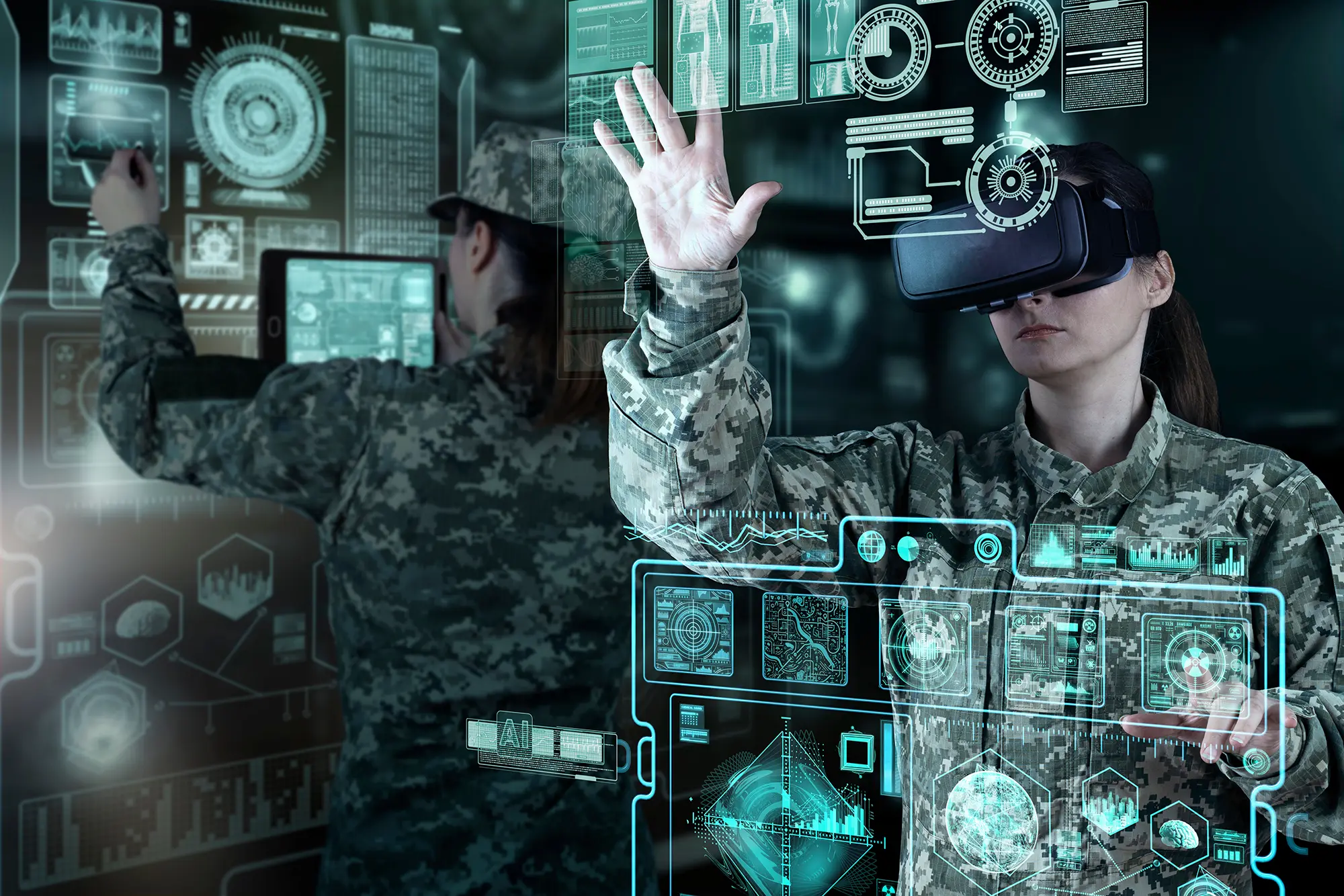
What Is Big Data in the Military?
Big data means collecting and analysing extremely large amounts of information from satellites, drones, sensors, and communications. This data helps commanders understand the battlefield better, giving real-time situational awareness to support decisions.
AI as the Brain of the Battlefield
AI systems process vast data quickly. Using machine learning, AI recognises enemy movements, detects unusual patterns, and predicts future threats. It also helps reduce human error and operator fatigue during long, complex missions.
AI-Driven Surveillance and Reconnaissance
AI combines data from drones, cameras, radar, and signals to create a clear picture of the enemy’s location and activities. AI-powered image and video analysis can identify weapons, vehicles, and even individual fighters on the move with high accuracy.
Smarter Decision-Making with AI
AI doesn’t replace commanders but supports them with fast options like routes for troops or timing of airstrikes. Real-time risk assessment and threat ranking allow military leaders to make better, faster tactical and strategic choices.

AI in Electronic Warfare and Cybersecurity
AI identifies enemy communications, jams signals, and detects cyber threats. It helps defend military networks and disrupt enemy operations by spotting hidden electronic transmissions.
Challenges and Ethical Questions
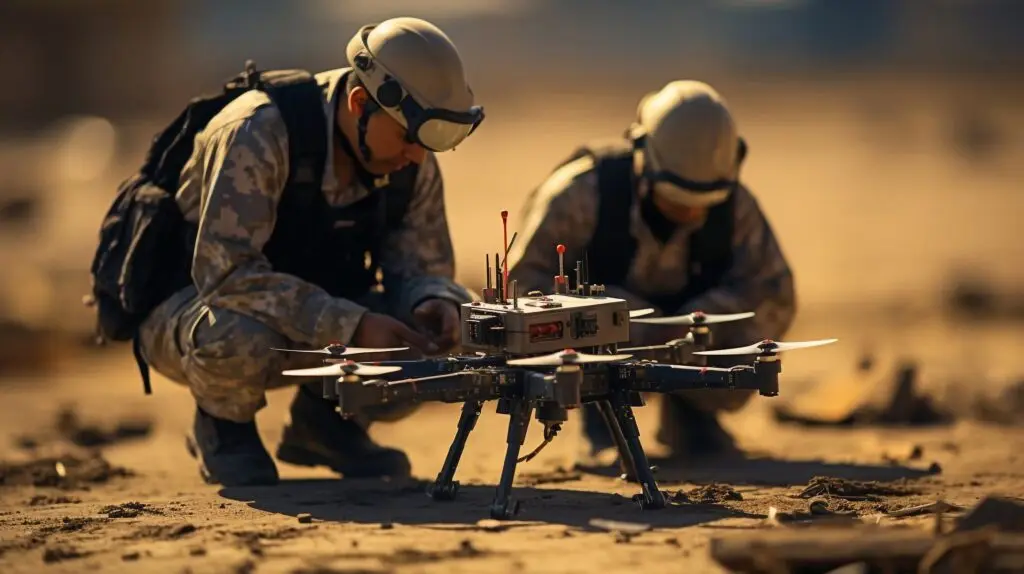
While AI boosts military power, experts warn about risks like malfunction, misuse, and autonomous weapons raising serious ethical questions. Human control and oversight remain critical to prevent accidents or escalation of violence.
The Future of Battlefield AI
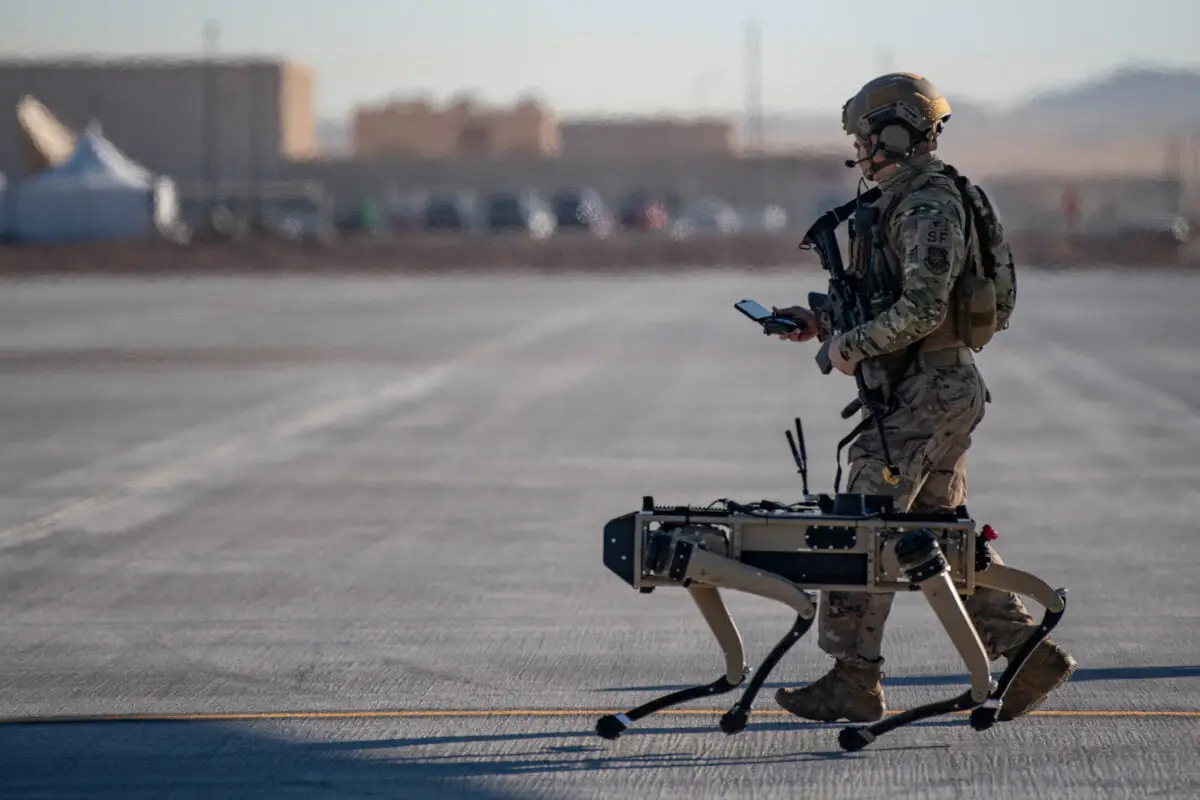
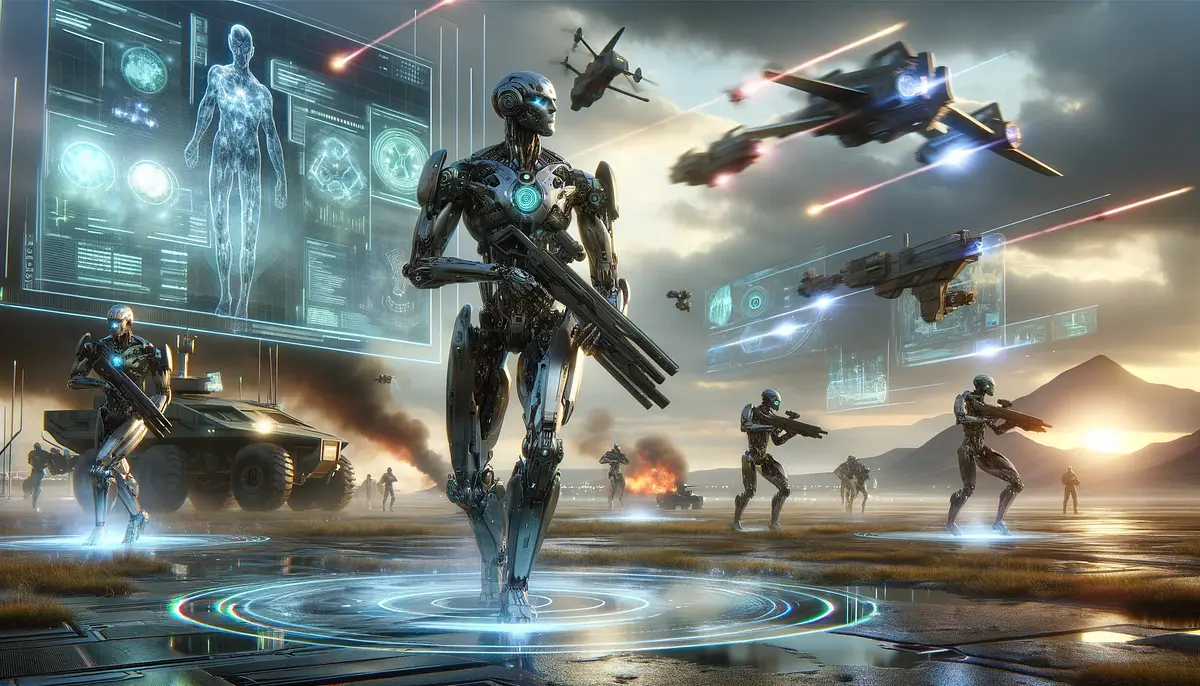
The race to integrate AI fully into warfare will shape 21st-century conflicts. Future battlefields may feature “hive minds” networks of AI-connected machines fighting alongside humans speeding up warfighting but requiring new rules and technologies.
)
)
)
)
)