From Radio to YouTube: How Indians have watched the Independence Day ceremony over the years

From All India Radio broadcasts to live streaming on digital platforms, India’s Independence Day coverage has witnessed a major evolution in the last 80 years.
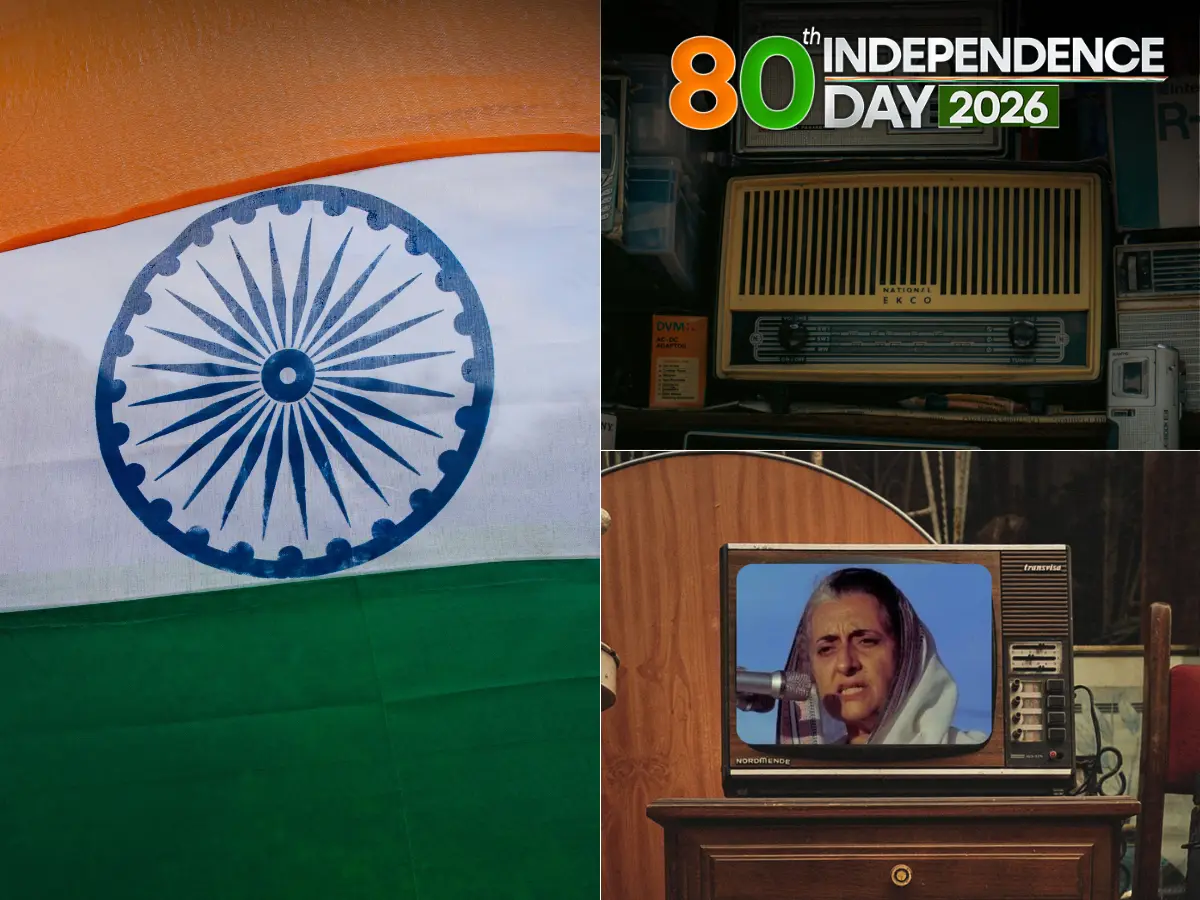
How Red Fort broadcasts evolved over the decades
India’s Independence Day celebrations on August 15 every year have always been a symbol of national pride, but the way citizens experience this historic event has also undergone a major evolution over the decades. From the crackling voices on All India Radio in 1947 to streaming the ceremony in high definition on smartphones and social media platforms today, it's been quite a journey. As India marks the 80th year of freedom in 2026, here’s a look at how Independence Day broadcasting evolved from radio to a digital spectacle.
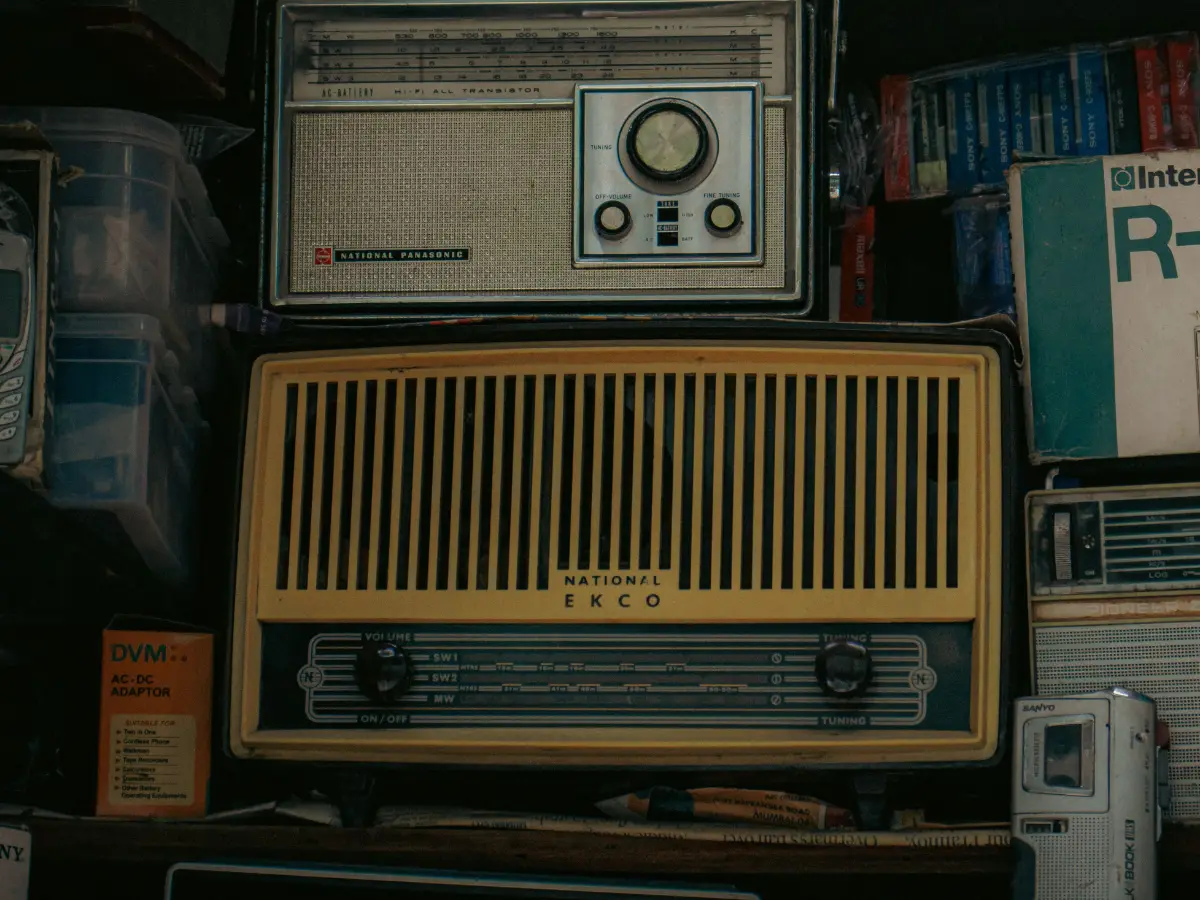
1947- Radio becomes the nation's voice
The historic Independence Day ceremony, including the flag hoisting and the Prime Minister's speech from the Red Fort in New Delhi, was first broadcast on August 15, 1947, via All India Radio (AIR). Radio became the nation’s first voice, broadcasting live from the capital to the newly independent country and keeping citizens informed. People across India relied on fixed radio sets in community spaces, households, and wired public address speaker horns.
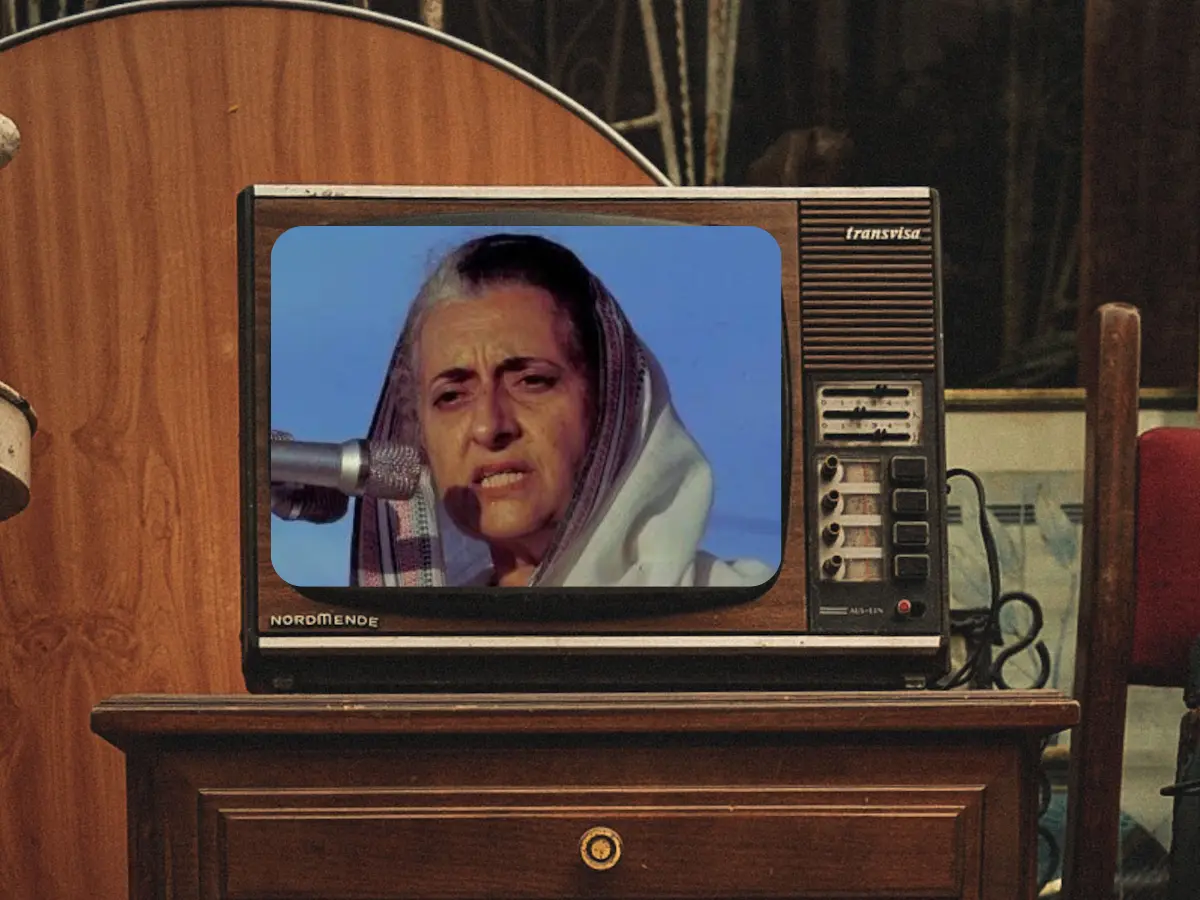
1959- Television arrives in India
In 1959, television broadcasting began, marking the start of a new era in media coverage. Doordarshan began as a small experimental TV broadcast in Delhi, operated under All India Radio. Around 1965, regular daily TV transmissions and short news bulletins also began. Later, on August 15, 1982, Independence Day celebrations and Prime Minister Indira Gandhi’s address were telecast in colour for the first time, bringing the Red Fort ceremony to life for millions.
1990- Nationwide TV reach
In 1990, Doordarshan, which was India’s sole television broadcaster, reached nearly 70% of the country's population and covered roughly 80% of its geographical area. Its live national telecast of the Independence Day ceremony, the flag-hoisting moment, and India's prime minister's address set an example and commanded domestic TV viewership.
2000- Private News Channels Join
Breaking the sole monopoly of Doordarshan, private news channels in India came into focus, secured the uplinking rights, and began broadcasting live telecasts of national events. The 2000s shifted radio to Doordarshan and then to 24x7 real-time national coverage. Zee TV was the first private television channel in India to break Doordarshan's state monopoly.
2010-2026- Digital streaming era
Independence Day ceremonies and speeches by the respective Prime Minister of India are then made available online through websites, mobile apps, and social media platforms. The event secured its place on various streaming platforms and began drawing more attention from audiences worldwide in real time.
)
)
)
)
)