Independence Day travel: Historic destinations that bring India's freedom story to life

India will celebrate its 80th Independence Day on August 15, 2026, marking 79 years since freedom from British rule. Here are destinations that bring India's freedom struggle closer to life.
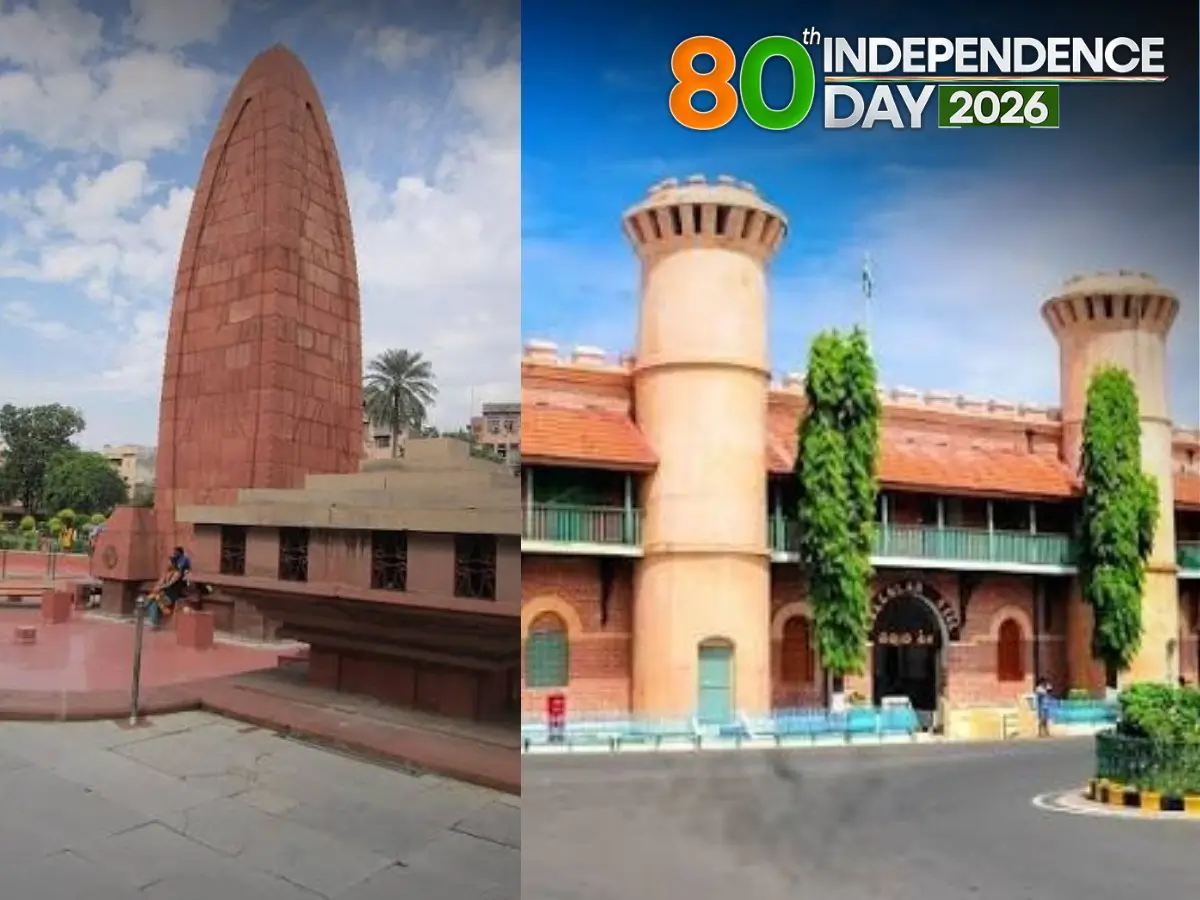
Historic destinations with connect to India's freedom struggle
Independence Day is celebrated every year on August 15, with flag hoisting, patriotic songs and family gatherings. But India's freedom story can also be experienced through the places where history actually unfolded. From Red Fort in Delhi, where the national flag was first raised on August 15, 1947, to Sabarmati Ashram, which became closely associated with Mahatma Gandhi's campaigns. Here are a few of these destinations that offer travellers a chance to connect with the events and people behind India's independence.
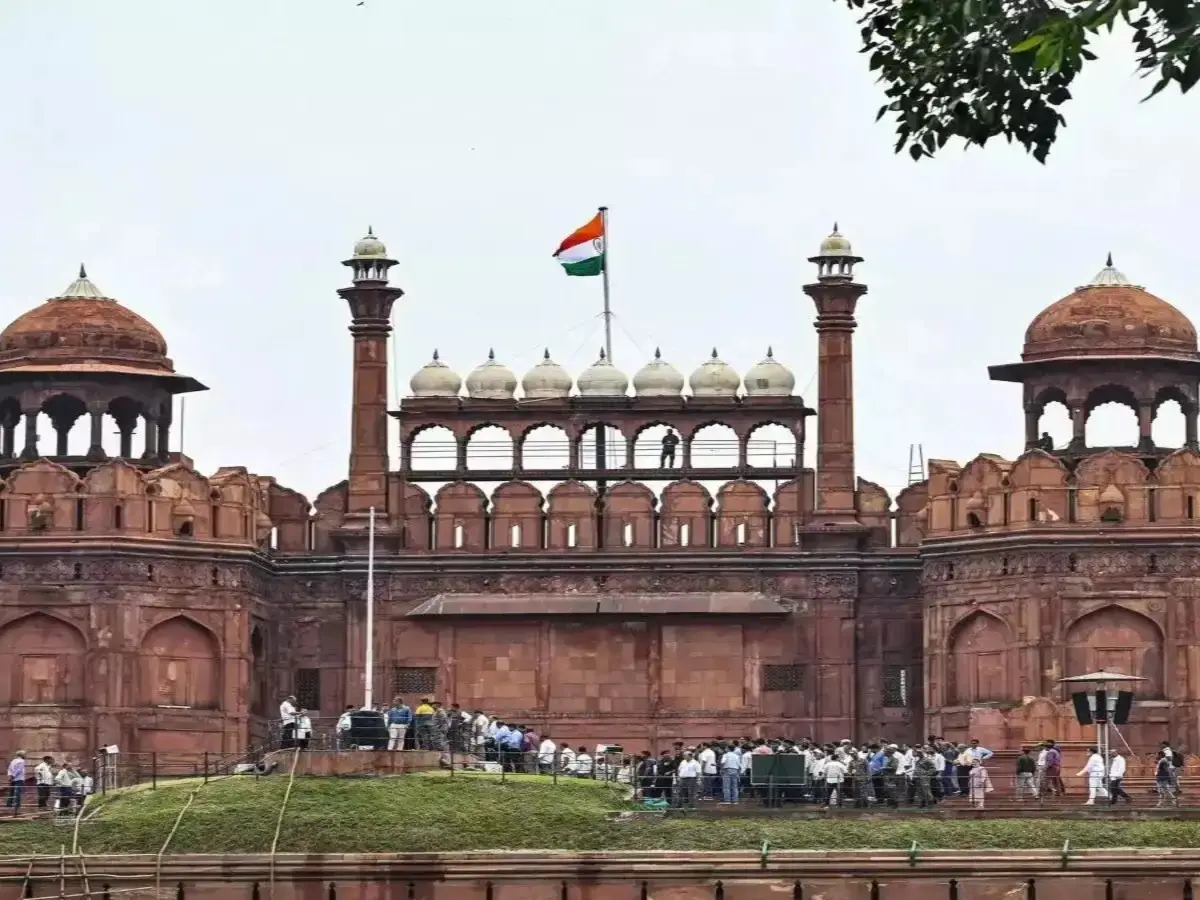
Red Fort, Delhi
Red Fort is the ultimate stage for India's Independence Day because it represents the shift from foreign and imperial rule to sovereign democratic power. On August 15, 1947, Prime Minister Jawaharlal Nehru raised the Indian national flag at the Red Fort, starting an annual tradition that honours the nation's freedom.
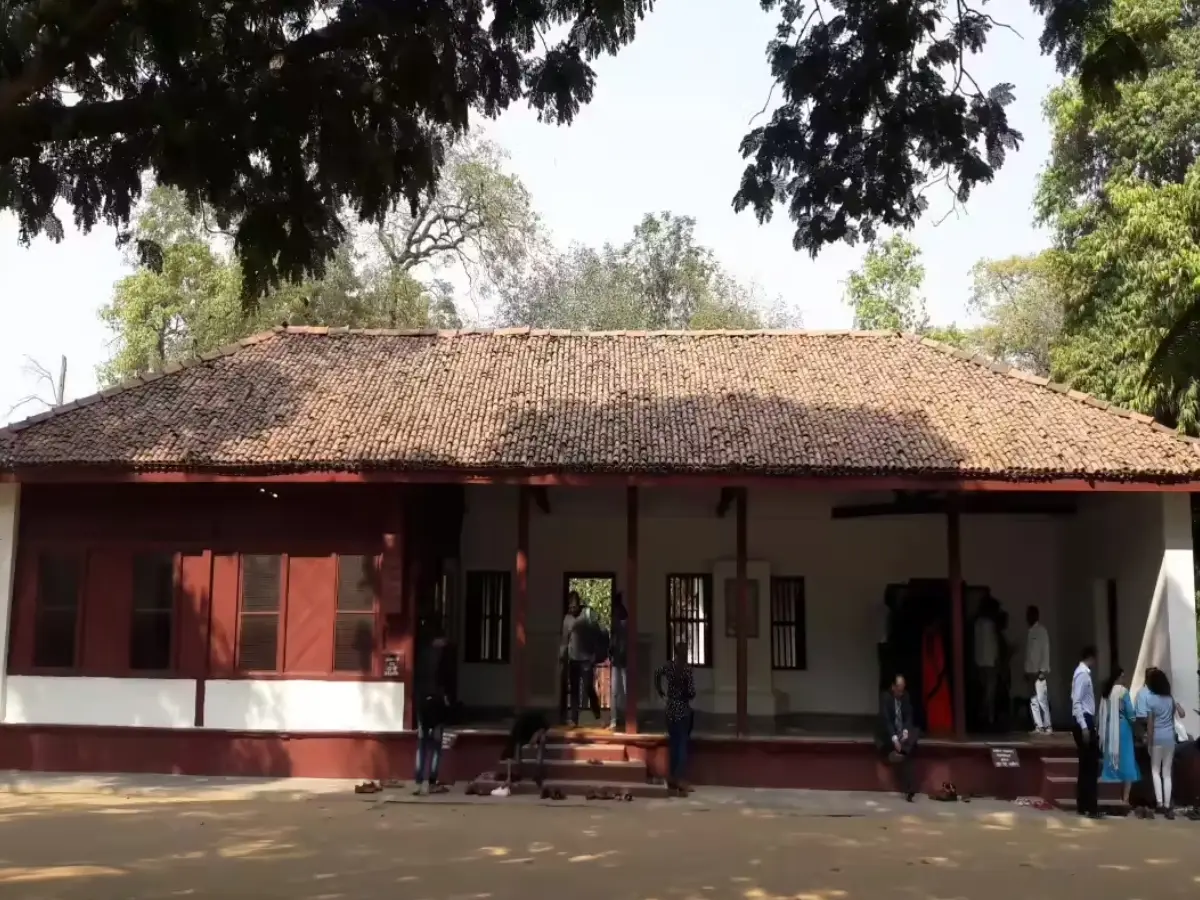
Sabarmati Ashram, Ahmedabad
Located on the banks of the Sabarmati River in Ahmedabad, the Sabarmati Ashram served as Mahatma Gandhi's home from 1917 to 1930. It was the core headquarters for India's freedom movement, the birthplace of the historic Dandi March and a vital centre for practising nonviolent resistance and self-reliance.
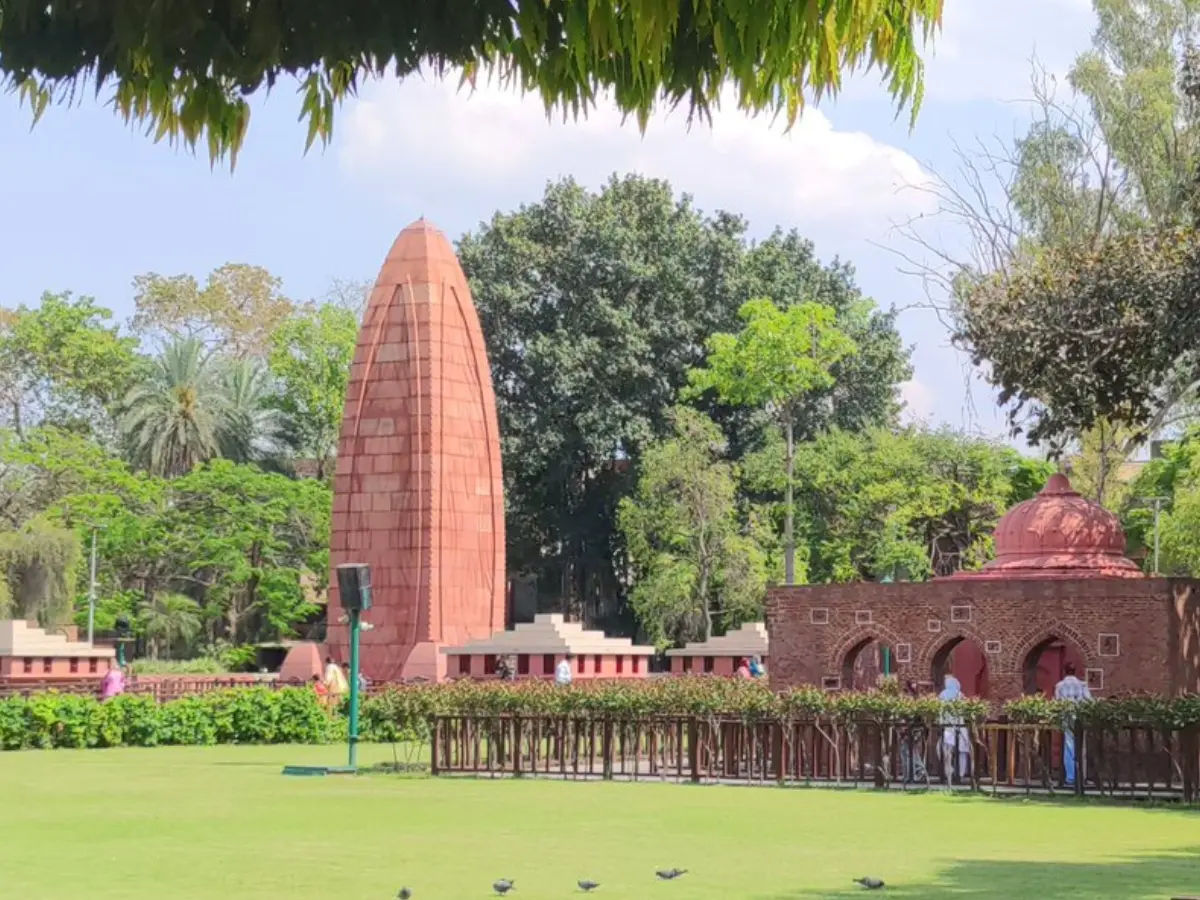
Jallianwala Bagh, Amritsar
The Jallianwala Bagh massacre on April 13, 1919, in Amritsar, Punjab, was a turning point in India's independence movement. Brigadier-General Dyer ordered British troops to fire on thousands of unarmed, peaceful protestors and festival-goers trapped in a walled garden, killing around 379 people and wounding 1200.
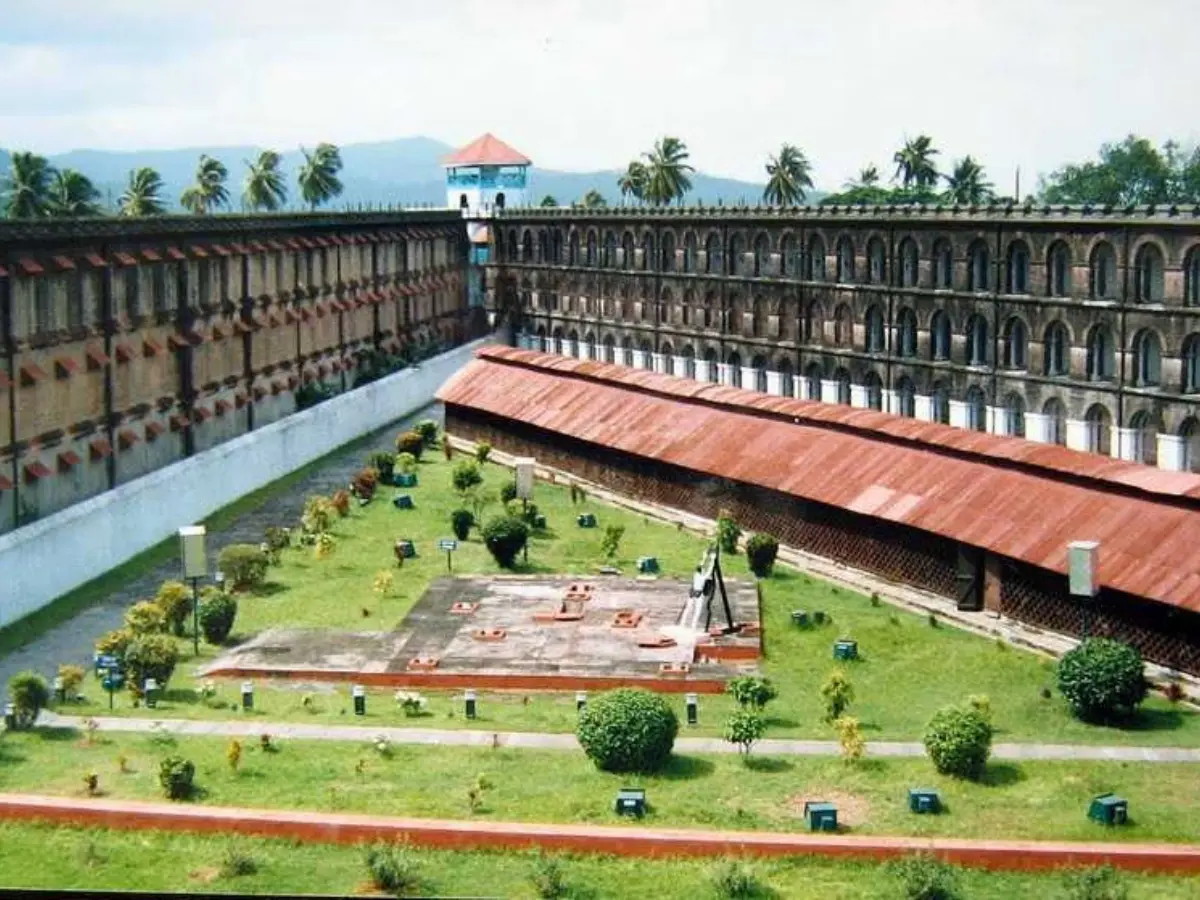
Cellular Jail, Andaman and Nicobar Islands
The Cellular Jail in Port Blair, Andaman and Nicobar Islands, also known as Kala Pani (Black Water), holds immense historical significance as a colonial-era prison where the British exiled and tortured Indian freedom fighters in total isolation to crush the nationalist movement. Built between 1896 and 1906, the prison got its name "Cellular" because it contained strictly individual cells designed for solitary confinement. It had seven wings radiating from a central watchtower so that guards could monitor inmates easily, preventing any communication or unity among prisoners. Inmates faced brutal physical labour, severe starvation diets, public floggings, and frequent solitary confinement. Many prisoners gave their lives or suffered permanent physical damage due to the inhumane treatment. Housed legendary Indian revolutionaries and political prisoners, including Vinayak Damodar Savarkar, Batukeshwar Dutt, and Sachindra Nath Sanyal.
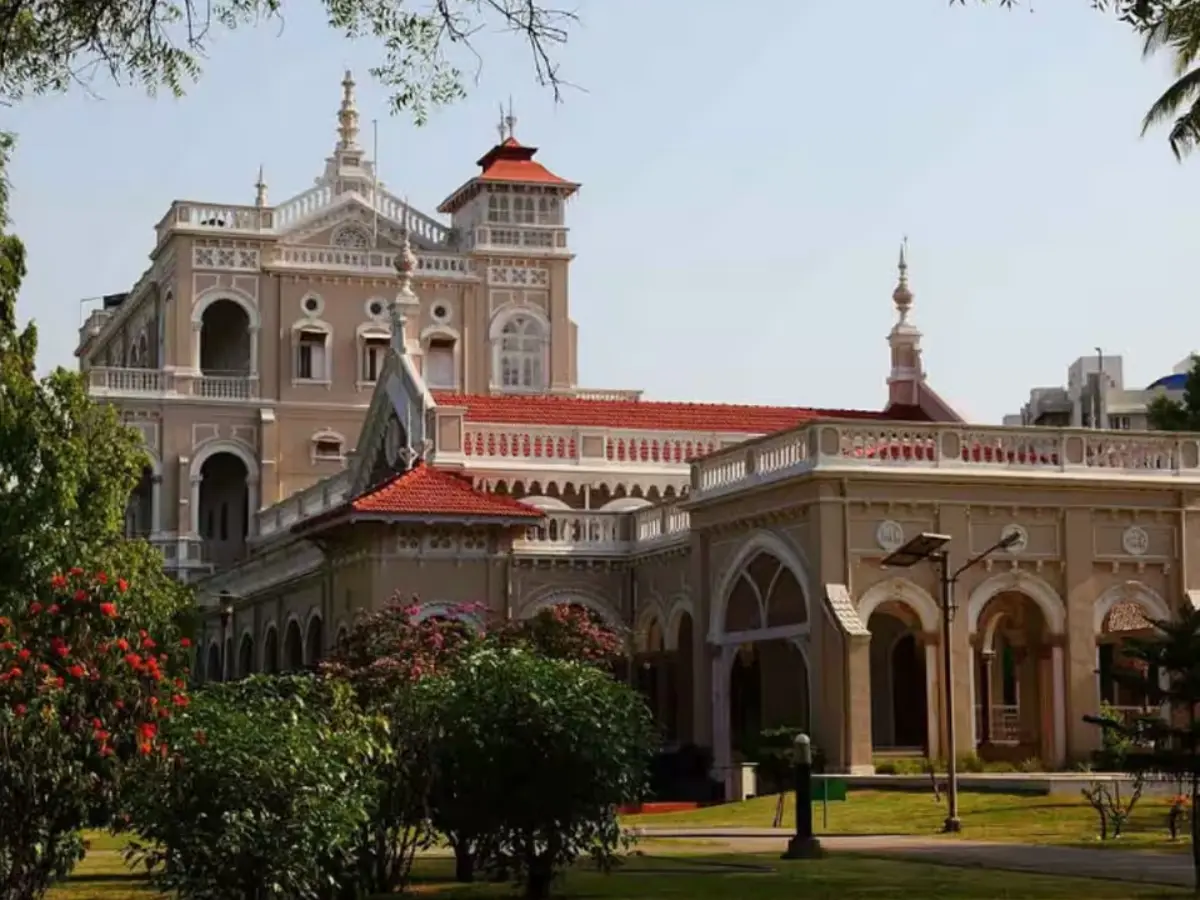
Aga Khan Palace, Pune
The Aga Khan Palace in Pune is a vital national monument because it served as a high-security prison for Mahatma Gandhi and key freedom fighters during the 1942 Quit India Movement. It is deeply tied to the nation's independence struggle through the sacrifices and deaths of Gandhi’s closest confidants. Following the launch of the Quit India Movement on August 9, 1942, the British government arrested and interned Mahatma Gandhi, his wife Kasturba Gandhi, his personal secretary Mahadev Desai, and leader Sarojini Naidu inside the palace. Mahadev Desai died of a heart attack in the palace in August 1942, and Kasturba Gandhi passed away there in February 1944 while still in British captivity. Their samadhis (memorial tombs) remain on the palace grounds, transforming the site into a hallowed place of pilgrimage for the freedom movement. In 1969, the Aga Khan IV officially gifted the palace to the Indian people as a mark of respect for Gandhi and his ideals. Today, the palace functions as a memorial housing a museum with rare photographs, handwritten letters, and personal items of Gandhi, including his spinning wheel (charkha) and bed.
)
)
)
)
)