Women who eat meat have a higher chance of living to 100: Study

&imwidth=600&imheight=450&format=webp&quality=medium "Women who eat meat have a higher chance of living to 100: Study")
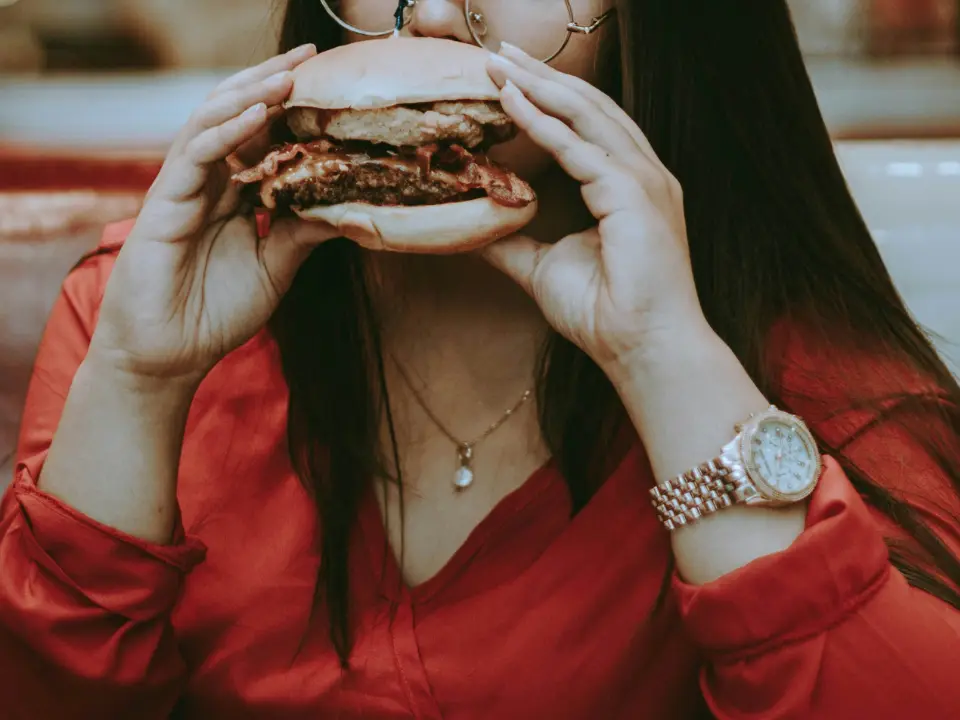
A study in China found that women who eat meat live longer than vegetarian women.
A study in China has found that older women who eat meat are more likely to live to the age of 100. However, no evidence for the same was found among men. Scientists say more body weight in older adults gives them a better chance of being healthy.
Eating vegetables has been linked to longevity in several studies. But new research done in China has found that women who eat meat were more likely to reach age 100 than female vegetarians. "Daily consumption of meat was associated with a 44 per cent higher likelihood of reaching 100 years old [compared to a vegetarian diet] in the underweight group, whereas this association did not present in the normal weight or overweight group," the authors wrote. The study was published in The American Journal of Clinical Nutrition.
There was also no significant association between longevity and vegetarianism among males. The Chinese Longitudinal Healthy Longevity Survey (CLHLS) was carried out among more than 5,000 people aged 80 and over and was the largest study done among older adults anywhere in the world.
But it comes with a catch. The researchers noted that only vegetarian participants who were underweight were less likely to live to 100 than meat eaters. Besides, vegetarians who ate fish, dairy, or eggs had a similar chance of reaching 100 as meat eaters.
The study supports findings suggesting that, to remain healthy while ageing, it is important to protect muscle mass by eating protein. It also shows that adult women who consume enough calories and essential nutrients have a higher chance of reaching 100.
Vegetarianism, BMI and longevity
Scientists from Fudan University, the Chinese Center for Disease Control and Prevention, and Shanghai Jiao Tong University compared the results of 1,459 centenarians with those of 3,744 non-centenarians in their 80s and 90s. When researchers looked at the link between a vegetarian diet and having a shorter life expectancy, a person's Body Mass Index (BMI) turned out to be one of the underlying factors driving that relationship.
Trending Stories
&imwidth=280&imheight=210&format=webp&quality=medium)
&imwidth=280&imheight=210&format=webp&quality=medium)
&imwidth=280&imheight=210&format=webp&quality=medium)
&imwidth=280&imheight=210&format=webp&quality=medium)
&im=FitAndFill=(700,400)&imwidth=280&imheight=210&format=webp&quality=medium)
&imwidth=280&imheight=210&format=webp&quality=medium)
&im=FitAndFill=(700,400)&imwidth=280&imheight=210&format=webp&quality=medium)
&imwidth=280&imheight=210&format=webp&quality=medium)
&imwidth=280&imheight=210&format=webp&quality=medium)
&imwidth=280&imheight=210&format=webp&quality=medium)
&imwidth=280&imheight=210&format=webp&quality=medium)
&imwidth=280&imheight=210&format=webp&quality=medium)
&imwidth=280&imheight=210&format=webp&quality=medium)
&imwidth=280&imheight=210&format=webp&quality=medium)
&imwidth=280&imheight=210&format=webp&quality=medium)
&imwidth=280&imheight=210&format=webp&quality=medium)
&imwidth=280&imheight=210&format=webp&quality=medium)
&imwidth=280&imheight=210&format=webp&quality=medium)
&imwidth=280&imheight=210&format=webp&quality=medium)
&imwidth=280&imheight=210&format=webp&quality=medium)
&imwidth=280&imheight=210&format=webp&quality=medium)
&imwidth=280&imheight=210&format=webp&quality=medium)
&imwidth=280&imheight=210&format=webp&quality=medium)
&imwidth=280&imheight=210&format=webp&quality=medium)
&imwidth=280&imheight=210&format=webp&quality=medium)
&imwidth=280&imheight=210&format=webp&quality=medium)
&imwidth=280&imheight=210&format=webp&quality=medium)
&imwidth=280&imheight=210&format=webp&quality=medium)
&imwidth=280&imheight=210&format=webp&quality=medium)
&imwidth=280&imheight=210&format=webp&quality=medium)
&im=FitAndFill=(700,400)&imwidth=280&imheight=210&format=webp&quality=medium)
&imwidth=280&imheight=210&format=webp&quality=medium)
&imwidth=280&imheight=210&format=webp&quality=medium)
&imwidth=280&imheight=210&format=webp&quality=medium)
Since older people are the ones mostly underweight, researchers say the role of BMI in longevity is "worth exploring". However, researchers admit that other factors could also be affecting the results. The study did not take into consideration the changes in eating habits over the years, and only noted what they ate in old age.
Scientists say diversity and balance are important in diet. Vegetarian diets, plant-based diets, and low-meat diets have been linked to lower risks of heart disease, stroke, type 2 diabetes, and obesity. But this does not mean that meat is a bad choice. For eg, red meat and processed meats are linked to poor health.

