

&imwidth=800&imheight=600&format=webp&quality=medium "Why Nepal joins Japan in banning Indian Mango imports & how it could impact exporters")
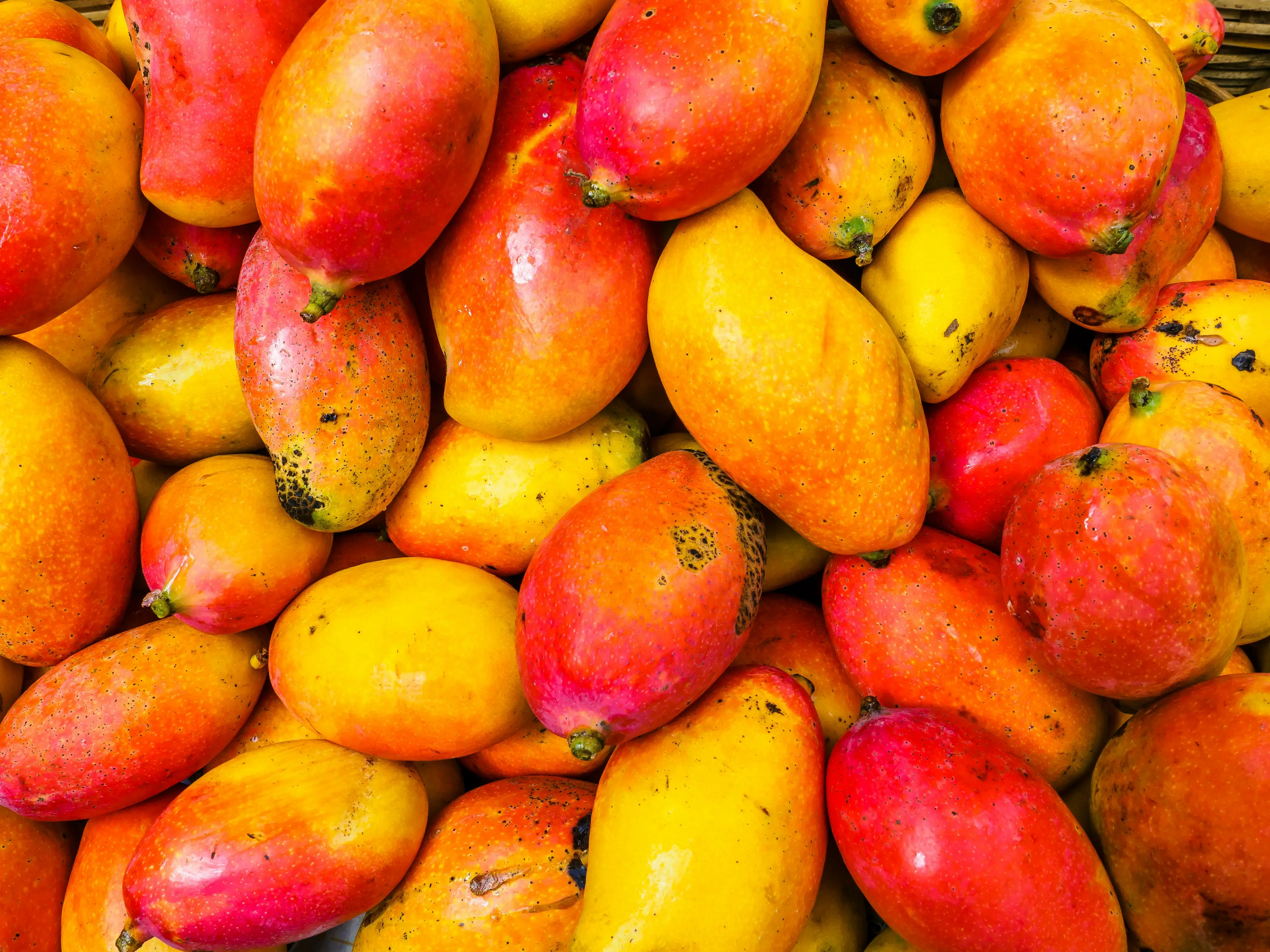
After Japan, the neighbouring country, Nepal, has also reportedly banned mangoes and several other fruits coming from India. The development unfolded after the Balen Shah government in Nepal imposed a quick ban after border quarantine inspectors found large levels of chemical pesticides in imported shipments, according to a report by The Rising Nepal.
However, India's Union Ministry of Agriculture & Farmers Welfare clarified that no such ban has been imposed on the import of Indian mangoes. Exports of Indian mangoes to Nepal continue uninterrupted. Since January 2026, a total of 149 consignments comprising 2005 MT of mangoes have been exported to Nepal. During June 2026 alone, 18 consignments totalling 266 MT have been exported so far.
The Government of Nepal, through its Plant Quarantine and Pesticide Management Center (National Plant Protection Organization of Nepal), clarified on 10th June 2026 that no ban has been imposed on the import of Indian mangoes. Imports continue to be permitted subject to prescribed phytosanitary requirements. Import permits and release orders are being issued upon compliance with these requirements and submission of valid phytosanitary certificates issued by the Government of India.
Nepal recently revised certain import conditions, including the requirement for Hot Water Treatment (HWT), and India continues to facilitate exports in compliance with the prescribed requirements.
Japan had suspended imports of Indian mangoes last month after its quarantine authorities found lapses in pest-control procedures at Indian treatment facilities during inspections earlier this year. The move highlights the first such steps in nearly two decades against India. Earlier, Japan had banned Indian mangoes over fruit fly issues and lifted those curbs only in 2006 after India strengthened its treatment protocols.
In March, a team of quarantine officers from Japan paid a visit to the Rehmanpur area of Uttar Pradesh and found a lack of fumigation and related disinfection measures at treatment facilities. The ban marks a big blow to Indian exporters, who have already been experiencing losses due to the West Asia conflicts.
Trending Stories
&imwidth=180&imheight=135&format=webp&quality=medium)
'Hell of a beautiful a**': Trump compliments Nicki Minaj as rapper joins him in Michigan rally
&imwidth=180&imheight=135&format=webp&quality=medium)
'Hire the robot, fire the human': Bill Gates's words hint at a bleak future
&imwidth=180&imheight=135&format=webp&quality=medium)
'Lousy president': Trump hits back at Obama over 'cheesecake factory' White House jibe
&imwidth=180&imheight=135&format=webp&quality=medium)
Jordan strikes 'terrorist organisations' in Syria after deadly church attack as Damascus shuts main border crossing
&imwidth=180&imheight=135&format=webp&quality=medium)
Microsoft offers voluntary exit packages to 60,000 employees in India, US, UK and Canada
&imwidth=180&imheight=135&format=webp&quality=medium)
WATCH | Virat Kohli returns to training ahead of New Zealand ODI series
&imwidth=180&imheight=135&format=webp&quality=medium)
'He is a red flag': Ex-India strength and conditioning coach on Rohit's fitness regime
&imwidth=180&imheight=135&format=webp&quality=medium)
One dead, six injured in Elizabeth, New Jersey mass shooting; suspect flees
&imwidth=180&imheight=135&format=webp&quality=medium)
Maurene Comey, daughter of ex-FBI director James Comey, was unlawfully fired as federal prosecutor, judge rules
&imwidth=180&imheight=135&format=webp&quality=medium)
Hijack scare unfolds on United flight over suspicious text message. Here is what happened
&imwidth=180&imheight=135&format=webp&quality=medium)
‘That is a miss’: Ravi Ashwin questions Sooryavanshi’s demotion to No. 3 in 2nd T20I vs NZ
&imwidth=180&imheight=135&format=webp&quality=medium)
Pakistan airline PIA unveils new crew uniforms, faces online criticism
&imwidth=180&imheight=135&format=webp&quality=medium)
Police called after 3-year-old scores 10 goals in 12 minutes at Florida youth soccer game
&imwidth=180&imheight=135&format=webp&quality=medium)
Trick or Treat -Anthropic's IPO sales pitch is the perfect Halloween scare for AI enthusiasts
&im=FitAndFill=(700,400)&imwidth=180&imheight=135&format=webp&quality=medium)
New OTT releases this week (October 26-November 1, 2026): Baththa, Akka, The One About Matthew Perry- 7 titles coming on Netflix, Prime Video and more
&imwidth=180&imheight=135&format=webp&quality=medium)
Mohra re-release in 4K: Akshay Kumar, Raveena Tandon’s film to clash with Ranbir Kapoor’s Ramayana
&imwidth=180&imheight=135&format=webp&quality=medium)
IND vs NZ 3rd T20I: Abhishek Sharma equals Rohit Sharma's record of 35-ball 100
&imwidth=180&imheight=135&format=webp&quality=medium)
US Midterms 2026: Last leg polls and forecasts indicate Democratic momentum, but Senate control remains uncertain
&imwidth=180&imheight=135&format=webp&quality=medium)
'Already tired of his 9-to-5': Baby born with a moustache becomes internet sensation, video goes viral | Watch
&imwidth=180&imheight=135&format=webp&quality=medium)
Zimbabwe slips four places to 14th out of 29 in Africa’s Digital Rights and Inclusion ranking
&imwidth=180&imheight=135&format=webp&quality=medium)
IND vs NZ, 3rd T20I: When and where to watch live streaming in India?
&imwidth=180&imheight=135&format=webp&quality=medium)
Democrats allege 'desperate efforts to cover up' Trump's involvement in Jeffrey Epstein sex crimes, release 50-page report
&imwidth=180&imheight=135&format=webp&quality=medium)
'She is a beautiful woman': Trump mocks Mexican President Sheinbaum, mimics her voice at US Midterms rally
&imwidth=180&imheight=135&format=webp&quality=medium)
Uttarakhand innovator Ravi Tamta builds flying car without any formal engineering degree
&imwidth=180&imheight=135&format=webp&quality=medium)
US midterms 2026: Democrat Annie Andrews gains bipartisan backing against Trump's pick Darline Graham in South Carolina Senate race
&imwidth=180&imheight=135&format=webp&quality=medium)
Chris Brown given suspended eight-month jail term for London nightclub attack
&imwidth=180&imheight=135&format=webp&quality=medium)
Shah Rukh Khan unveils new poster of King, Internet reacts
&imwidth=180&imheight=135&format=webp&quality=medium)
'Shove that ballroom up your a**': Trump heckled at Mississippi rally over White House ballroom renovations | WATCH
&imwidth=180&imheight=135&format=webp&quality=medium)
Trump accused of 'brutal' rape by ex-Miss Switzerland; Beatrice Keul alleges 'Don's best friend' Epstein facilitated assault in 1993
&imwidth=180&imheight=135&format=webp&quality=medium)
Meta’s AI bet is getting more expensive: What its $95 billion share plan means
&imwidth=180&imheight=135&format=webp&quality=medium)
Trump’s oil and gas holdings surge to $81.6 million amid Iran war as Americans face rising fuel costs
&imwidth=180&imheight=135&format=webp&quality=medium)
'I've done my work sincerely': AR Rahman on facing backlash over Ramayana soundtrack
On the other hand, the restrictions introduced by the Ministry of Agriculture and Livestock Development of Nepal have reportedly been in force since April-May. The decision is likely to impact exports during the peak summer mango season and affect popular Indian varieties, including Alphonso, Dasheri, Chausa, Kesar, Langra and Banganapalli.
Local traders told The Rising Nepal that the curbs were implemented without sufficient planning or a long-term roadmap, creating challenges for businesses. Bhuvaneshwar Purbe, general secretary of the Fruit and Vegetable Traders' Association in Janakpurdham, said domestic production may not be enough to satisfy the country's total demand for mangoes.
He appealed to the government, led by Prime Minister Balen Shah, to improve quarantine mechanisms and permit the entry of Indian fruits after proper quality inspections, rather than enforcing a blanket ban on imports.
Meanwhile, Nepali authorities have portrayed the restrictions as a measure to boost local fruit growers. Manish Kumar Pal, spokesperson for the Ministry of Land Management, Agriculture and Cooperatives of Madhes Province, told The Rising Nepal that the move has opened up greater market opportunities for domestically grown fruits, which he described as healthier alternatives.
Also read: More babies behind bars than ever before? Report reveals 10-fold surge in ICE detentions under Trump
What impact could ban have on India?
India produces nearly 24 million metric tonnes of mango each year, with only around 32,000 metric tonnes being exported, while the vast majority is consumed domestically. The country's leading export destination for the top 5 mango varieties are the United States, the United Arab Emirates (UAE), the United Kingdom, the Netherlands and Saudi Arabia.
Although Nepal is not a major market for Indian mango exports, the restrictions could affect shipments of premium varieties such as Alphonso, Dasheri, Chausa, Kesar, Langra and Banganapalli. The issue has also sparked concerns over the use of chemical pesticides, drawing attention to quality and safety standards within India's fruit production sector.

