What is Juneteenth? America’s second Independence day and the meaning behind red-hued foods

&imwidth=600&imheight=450&format=webp&quality=medium "What is Juneteenth? America’s second Independence day and the meaning behind red-hued foods")
Celebration of Juneteenth Photograph: (X)
What Is Juneteenth? America’s Second Independence Day is celebrated on June 19 to mark the end of slavery and the freedom that came after a long delay. Scroll to read the history, it's significance and more.
On June 19, people across the United States observe Juneteenth, a day that commemorates the end of slavery in the country. Known by several names, including Freedom Day, Emancipation Day, Black Independence Day, and “America’s Second Independence Day,” it is a day that holds great importance in American history and among the nation's Black community.
Made from two terms, June and nineteenth, the date on which the historic event took place, and the freedom was announced in Galveston, Texas. What's the history of the day, how Americans observe Juneteenth and much more.
Why Juneteenth is celebrated
In 2021, then-US President Joe Biden signed the Juneteenth National Independence Day Act, establishing it as a national holiday. While it became a national holiday much later, but it's celebrations date back to 1866 and are one of the oldest-running African American holidays.
The story of Juneteenth is not just about freedom, but about the freedom that was deliberately delayed. On this particular day after the end of the Civil War, the enslaved black people in Galveston, Texas, were told that they had been freed . A day before this day, Union Major General Gordon Granger arrived in Galveston with more than 2,000 federal soldiers.
This announcement happened when two years after then-President Abraham Lincoln issued the Emancipation Proclamation, a pivotal moment in American history that declared that all enslaved people in the Confederate states were freed. But despite this, the slavery continued in practice because the Civil War was still ongoing, and federal authorities lacked control over Confederate territories. But Goden's proclamation declared that all enslaved people were free under the authority of the United States government.
Trending Stories
&imwidth=280&imheight=210&format=webp&quality=medium)
&imwidth=280&imheight=210&format=webp&quality=medium)
&imwidth=280&imheight=210&format=webp&quality=medium)
&imwidth=280&imheight=210&format=webp&quality=medium)
&imwidth=280&imheight=210&format=webp&quality=medium)
&imwidth=280&imheight=210&format=webp&quality=medium)
&imwidth=280&imheight=210&format=webp&quality=medium)
&imwidth=280&imheight=210&format=webp&quality=medium)
&imwidth=280&imheight=210&format=webp&quality=medium)
&imwidth=280&imheight=210&format=webp&quality=medium)
&imwidth=280&imheight=210&format=webp&quality=medium)
&imwidth=280&imheight=210&format=webp&quality=medium)
&imwidth=280&imheight=210&format=webp&quality=medium)
&imwidth=280&imheight=210&format=webp&quality=medium)
&imwidth=280&imheight=210&format=webp&quality=medium)
&imwidth=280&imheight=210&format=webp&quality=medium)
&imwidth=280&imheight=210&format=webp&quality=medium)
&imwidth=280&imheight=210&format=webp&quality=medium)
&imwidth=280&imheight=210&format=webp&quality=medium)
&imwidth=280&imheight=210&format=webp&quality=medium)
&imwidth=280&imheight=210&format=webp&quality=medium)
&imwidth=280&imheight=210&format=webp&quality=medium)
&imwidth=280&imheight=210&format=webp&quality=medium)
&imwidth=280&imheight=210&format=webp&quality=medium)
&imwidth=280&imheight=210&format=webp&quality=medium)
&imwidth=280&imheight=210&format=webp&quality=medium)
&im=FitAndFill=(700,400)&imwidth=280&imheight=210&format=webp&quality=medium)
&imwidth=280&imheight=210&format=webp&quality=medium)
&imwidth=280&imheight=210&format=webp&quality=medium)
&imwidth=280&imheight=210&format=webp&quality=medium)
&imwidth=280&imheight=210&format=webp&quality=medium)
&imwidth=280&imheight=210&format=webp&quality=medium)
&imwidth=280&imheight=210&format=webp&quality=medium)
&imwidth=280&imheight=210&format=webp&quality=medium)
&imwidth=280&imheight=210&format=webp&quality=medium)
For thousands of African Americans in Texas, the announcement represented a long-
awaited moment of liberation.
)
Celebration of Juneteenth Photograph: (X)
The beginning of a tradition
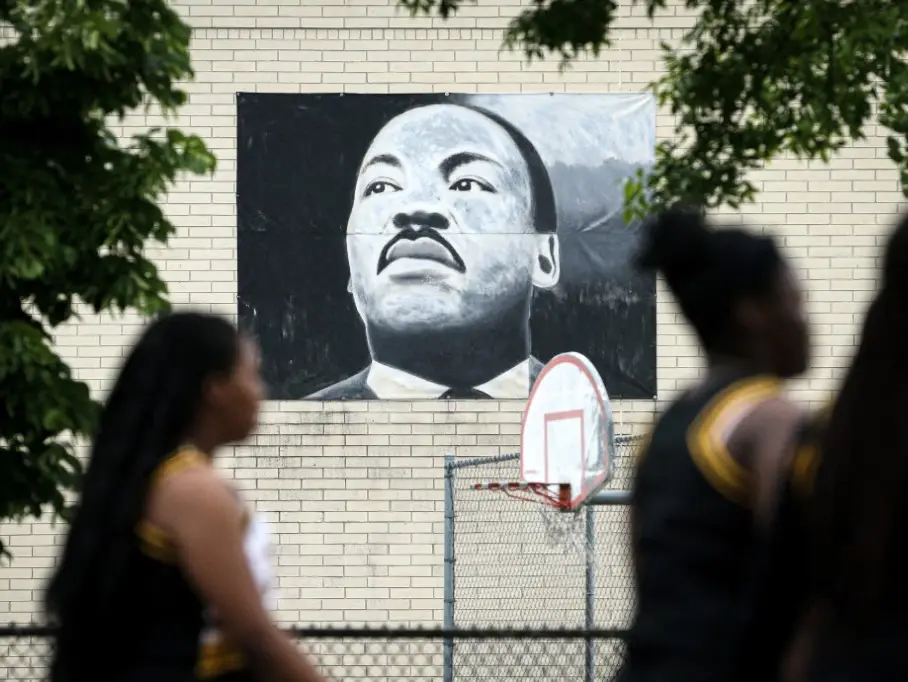
The first Juneteenth commemorations were held in Texas in 1866 when black communities gathered to pray, sing, share meals and enjoy the freedom that they were given. These annual observances gradually became an important cultural tradition. As African Americans moved to different parts of the country over the following decades, they carried the celebration with them. What began as a regional observance eventually gained recognition nationwide. Texas became the first state to officially recognise Juneteenth as a holiday in 1980.
The road to federal recognition
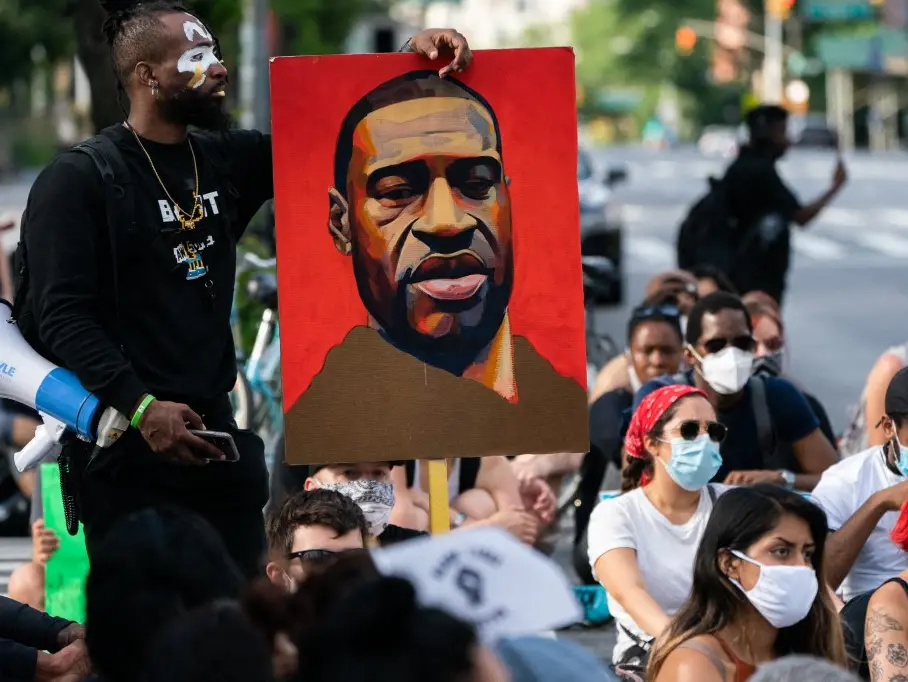
For many years, Juneteenth remained largely unknown outside African American communities. Public awareness grew dramatically after the death of George Floyd in May 2020. Floyd's killing during an arrest sparked nationwide demonstrations and renewed discussions about racial inequality and justice in the United States.
The increased attention to Black history and civil rights also brought greater recognition to Juneteenth. In June 2021, former President Joe Biden signed legislation making Juneteenth National Independence Day a federal holiday, giving the observance official nationwide status.
)
Celebration of Juneteenth Photograph: (X)
How Americans observe Juneteenth
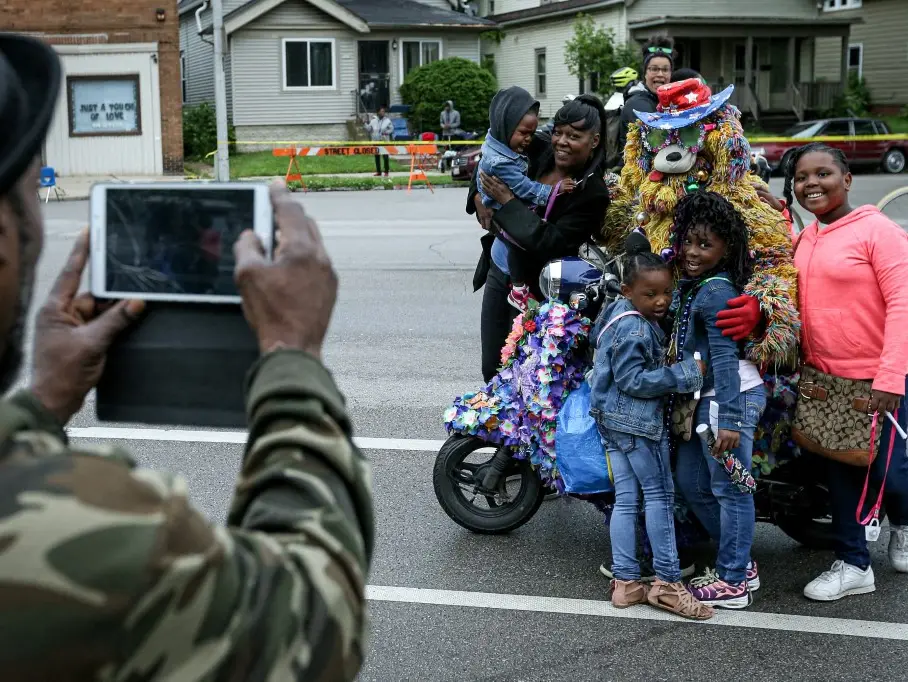
Today, Juneteenth is marked through a variety of events and activities. Cities host parades, festivals, concerts, educational programs and cultural exhibitions. Many communities organise historical presentations, public readings related to emancipation and family gatherings that celebrate African American heritage.
As a federal holiday, many schools, government offices and businesses close for the day, allowing people to participate in commemorative events.
The meaning behind red foods
One of the most recognisable Juneteenth traditions is the serving of red-colored foods and beverages. From fruit punches and strawberry desserts to red velvet cake and barbecue dishes, red is a prominent colour at many celebrations.
Historians note that the colour carries symbolic importance. The red-hued food and drink have been a staple of Juneteenth cuisine. As per the reports, the red colour represents the sacrifice and bloodshed of millions of enslaved people who had faced the suffering.

