Supernova from millions of years ago slammed into an airplane on Earth. Here's what happened

&imwidth=600&imheight=450&format=webp&quality=medium "Supernova from millions of years ago slammed into an airplane on Earth. Here's what happened")
Supernova slammed into airplane
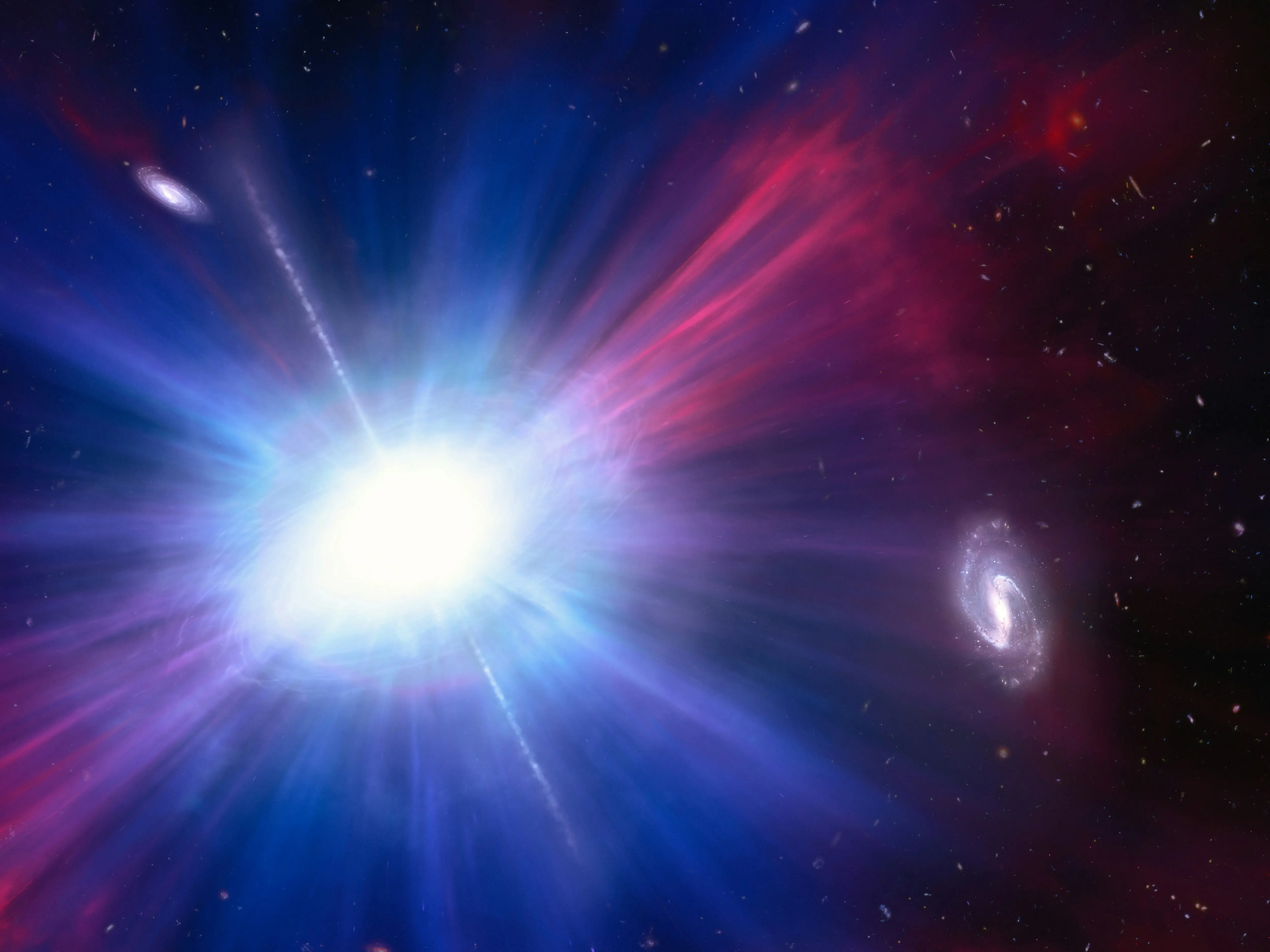
Cosmic rays, not solar particles, shook the JetBlue flight that lost altitude in October, forcing Airbus to ground 6,000 more planes. A scientist says this is the most likely scenario and eerily similar to another incident recorded in 2008.
A supernova explosion that likely occurred outside the Milky Way slammed into an aeroplane in October, causing it to lose altitude suddenly. The scary episode landed at least 15 passengers at the hospital with injuries. The plane had to make an emergency landing after high-energy particles hit the aircraft, something that had never been seen before. On October 30, a JetBlue Airbus A320 aircraft heading from Cancun, Mexico, to Newark in New Jersey lost altitude over Florida. It was forced to make an emergency landing at Tampa International Airport. The authorities found no fault with the plane. Airbus later stated that it possibly happened because of "intense solar radiation". However, none of the observatories recorded such powerful solar flares at this time.
Star exploded and a plane was hit
So what happened with the JetBlue flight? Clive Dyer, a space weather and radiation expert at the University of Surrey in the UK, told Space.com that it is highly likely a cosmic ray hit the flight on that day. He has been studying the effects of solar radiation on aircraft electronics for decades. Somewhere in the universe, a star exploded and released a stream of high-energy particles that travelled for millions of years to reach Earth, ending up slamming into an aeroplane. Also Read: 'We need to be ready': Scientists warn of major solar storm as study notes huge radiation spike in flight zone
Airbus grounded 6,000 airplanes
"Cosmic rays can cause a simple bit flip, like a 0 to 1 or 1 to 0. They can mess up information and make things go wrong," Dyer said. These rays can "induce a current in an electronic device and burn it out." Airbus grounded over 6,000 planes and updated its software to fix the affected systems. "A slight problem is that over 20 years, they've become complacent, because there have not been any [significant solar weather] events."
Trending Stories
&imwidth=280&imheight=210&format=webp&quality=medium)
&imwidth=280&imheight=210&format=webp&quality=medium)
&im=FitAndFill=(700,400)&imwidth=280&imheight=210&format=webp&quality=medium)
&imwidth=280&imheight=210&format=webp&quality=medium)
&imwidth=280&imheight=210&format=webp&quality=medium)
&imwidth=280&imheight=210&format=webp&quality=medium)
&imwidth=280&imheight=210&format=webp&quality=medium)
&imwidth=280&imheight=210&format=webp&quality=medium)
&imwidth=280&imheight=210&format=webp&quality=medium)
&imwidth=280&imheight=210&format=webp&quality=medium)
&imwidth=280&imheight=210&format=webp&quality=medium)
&imwidth=280&imheight=210&format=webp&quality=medium)
&imwidth=280&imheight=210&format=webp&quality=medium)
&imwidth=280&imheight=210&format=webp&quality=medium)
&imwidth=280&imheight=210&format=webp&quality=medium)
&imwidth=280&imheight=210&format=webp&quality=medium)
&imwidth=280&imheight=210&format=webp&quality=medium)
&imwidth=280&imheight=210&format=webp&quality=medium)
&imwidth=280&imheight=210&format=webp&quality=medium)
&imwidth=280&imheight=210&format=webp&quality=medium)
&imwidth=280&imheight=210&format=webp&quality=medium)
&im=FitAndFill=(700,400)&imwidth=280&imheight=210&format=webp&quality=medium)
&imwidth=280&imheight=210&format=webp&quality=medium)
&imwidth=280&imheight=210&format=webp&quality=medium)
&imwidth=280&imheight=210&format=webp&quality=medium)
&imwidth=280&imheight=210&format=webp&quality=medium)
&imwidth=280&imheight=210&format=webp&quality=medium)
&imwidth=280&imheight=210&format=webp&quality=medium)
&imwidth=280&imheight=210&format=webp&quality=medium)
&im=FitAndFill=(700,400)&imwidth=280&imheight=210&format=webp&quality=medium)

&im=FitAndFill=(700,400)&imwidth=280&imheight=210&format=webp&quality=medium)
&imwidth=280&imheight=210&format=webp&quality=medium)
&imwidth=280&imheight=210&format=webp&quality=medium)
&imwidth=280&imheight=210&format=webp&quality=medium)
&imwidth=280&imheight=210&format=webp&quality=medium)
&imwidth=280&imheight=210&format=webp&quality=medium)
&imwidth=280&imheight=210&format=webp&quality=medium)
Single-event upset due to cosmic explosion
What happened on October 30 was a single-event upset. Supernova explosion pushes out a stream of protons across the universe at the speed of light. When they repeatedly bang into Earth's atmosphere constantly, their interaction with the molecules of air produces showers of exotic particles such as muons, high-energy neutrons and positrons. A single-event upset happens when they hit an electronic circuit inside an aircraft sensor or onboard computer. Solar particles can do the same, and are, in fact, thousands of times stronger.
When cosmic particles banged another plane
He recalls that in 2008, Qantas Flight 72, also an Airbus, nosedived twice above the Pacific Ocean, injuring several passengers. Dyer believes that was also an incident of cosmic rays slamming into the aeroplane.

