Space cookie still smells fresh after four years. Know how

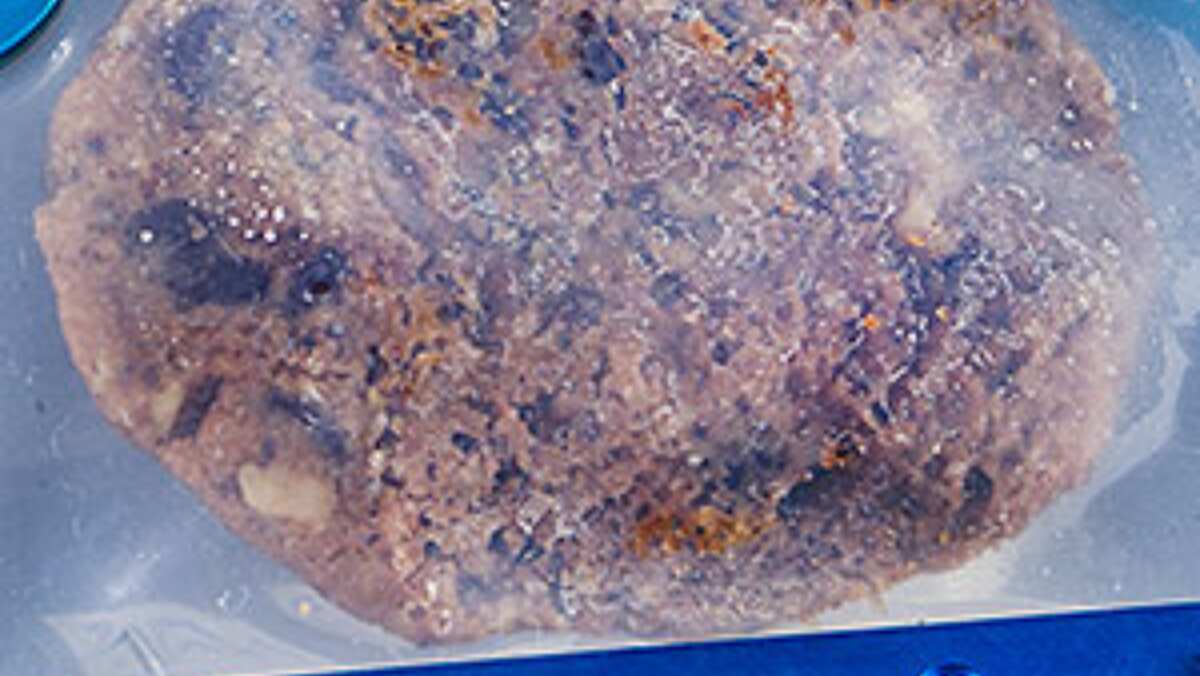
Space-baked cookie
A scent would have lingered in the air at the National Air and Space Museum's Steven F. Udvar-Hazy Centre in Virginia if the world's first space-baked cookie that made its debut on Wednesday (May 8) was not enclosed in a case. Crafted from a recipe similar to the DoubleTree by Hilton chocolate chip treats, this cosmic confection has defied the odds by maintaining its aroma even after nearly four and a half years in space.
While lamenting the inability to experience its aroma,Jennifer Levasseur, curator at the Smithsonian's National Air and Space Museum, shared, "I can tell you it does still smell like a baked cookie."
Also Read |NASA contractor warns of 'disaster on launchpad' during second Starliner launch attempt

Preserving the cookie without compromising its quality proved to be a delicate task.
Encased in a nitrogen-filled enclosure, the cookie remained shielded from moisture and potential degradation, ensuring its longevity.
Also Read |A tiny section of human brain reveals astounding 57,000 cells, 150mn neural connections
)
What’s in a name? Trump’s 'Lake America' move gets a tit-for-tat response from Canada
)
Trump gifts Xi a bald eagle sculpture at White House dinner: Here’s what it symbolises
)
‘Not just a local tragedy’: Nepal PM Shah warns UN of growing climate threat, says Nepal floods were 'a warning to the world'
)
CNN, Politico and MS NOW back in White House after judge blocks Trump’s media ban
)
US judge questions Trump’s decision to ban CNN, MS NOW and Politico from White House
)
'We would all be dead': Netanyahu defends decision to strike Iran's nuclear facilities in his UN speech
)
Mumbai Indians appoint Luke Williams as head coach for Women’s Premier League
)
IIT Bombay CCTV footage emerges: Sahil Wakode seen looking at phone in examination hall
)
Cyclone Arnab: Landfall expected before midnight tomorrow as IMD issues orange alerts across six states
)
Welcome actor Mushtaq Khan dies at 56 after battling cancer
)
Trump's welcome to Xi demonstrates 'attraction' to dictators: Chuck Schumer
)
WION Iconic Tourism Summit 2026: Union Minister Shekhawat on 'experiential travel', peace diplomacy
)
Nations League: Germany draw on Klopp debut; Portugal, Norway win
)
'AI got into my speech': Prince Harry jokes after teleprompter failure at event in New York
)
Scientists detect first radio signals directly from faraway planet
)
What’s on the menu? Inside Trump’s lavish White House state dinner for Xi
)
A seven-day roadmap? Iran proposes plan to end war, reopen Strait of Hormuz and resume nuclear talks
)
China to test supersonic jet that moves at Mach 2, double the speed of sound
)
Xi Jinping's 'special plane' vs Trump's Air Force One: What's the difference?
)
West Indies coach Sammy looking at India series as opportunity to finetune ahead of ODI World Cup 2027 qualifiers
)
‘We’ve never gotten along better’: Trump praises Xi, jokes about White House ballroom at high-stakes state dinner
)
Nearly half of young people trust AI over humans to check facts, major study finds
)
'Partners rather than rivals': Xi Jinping's first message after landing in US for Trump summit
)
Yemen called Trump for US military support in fight against Houthis: Official
)
2,000-foot tube, laser tests and more: China builds towns to expand nuclear arsenal, satellite images show
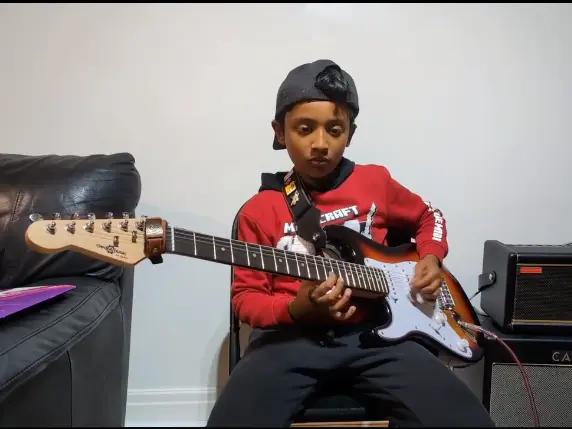)
Meet Adrian Abraham: 9-year-old Indian-origin guitar prodigy aiming for a Guinness World Record
)
US faces fresh cost crunch as mortgage rates hit 7%, oil tops $107 and gas prices surge
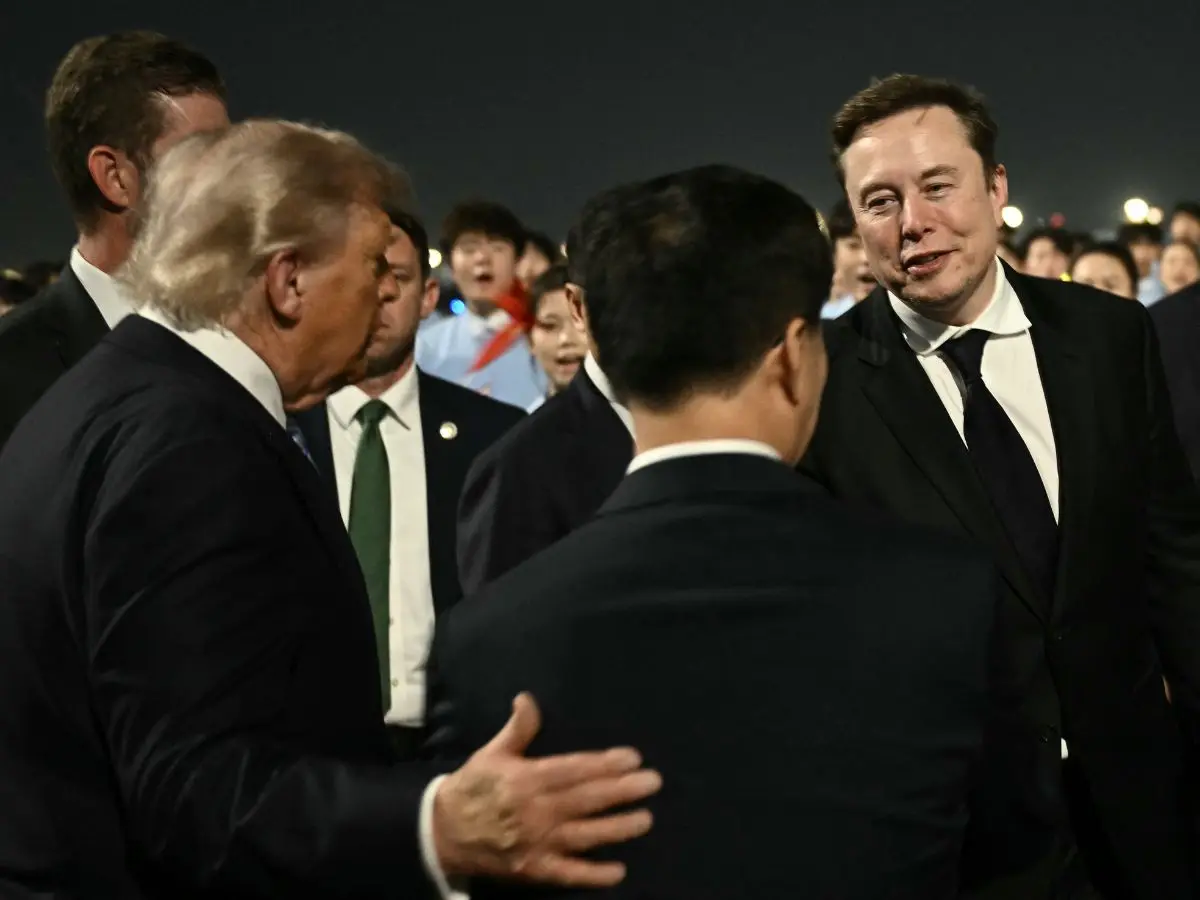)
Trump-Xi state dinner 2026: Who is invited? Full guest list of tech CEOs, business leaders and officials
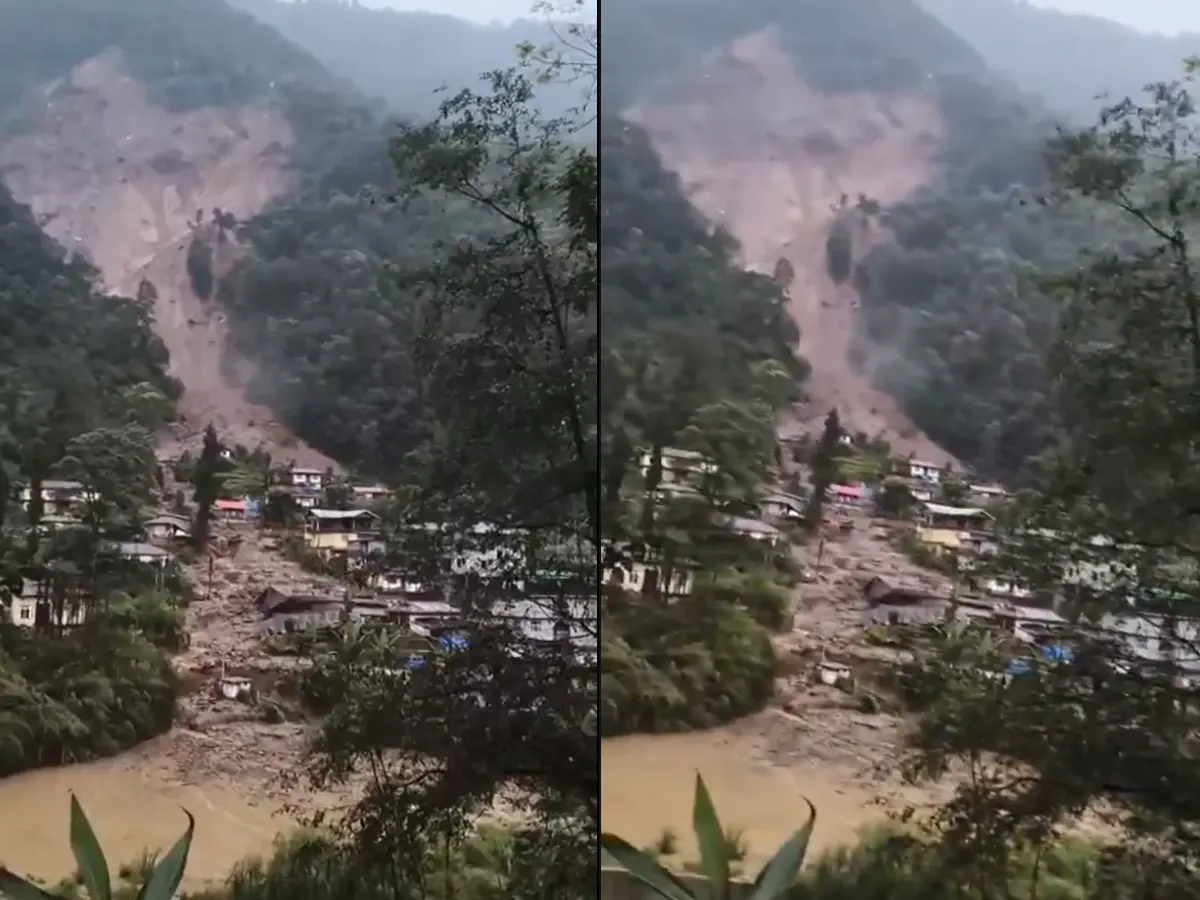)
Alarming video emerges as landslide damages houses in Sikkim’s Rimbi village. Watch
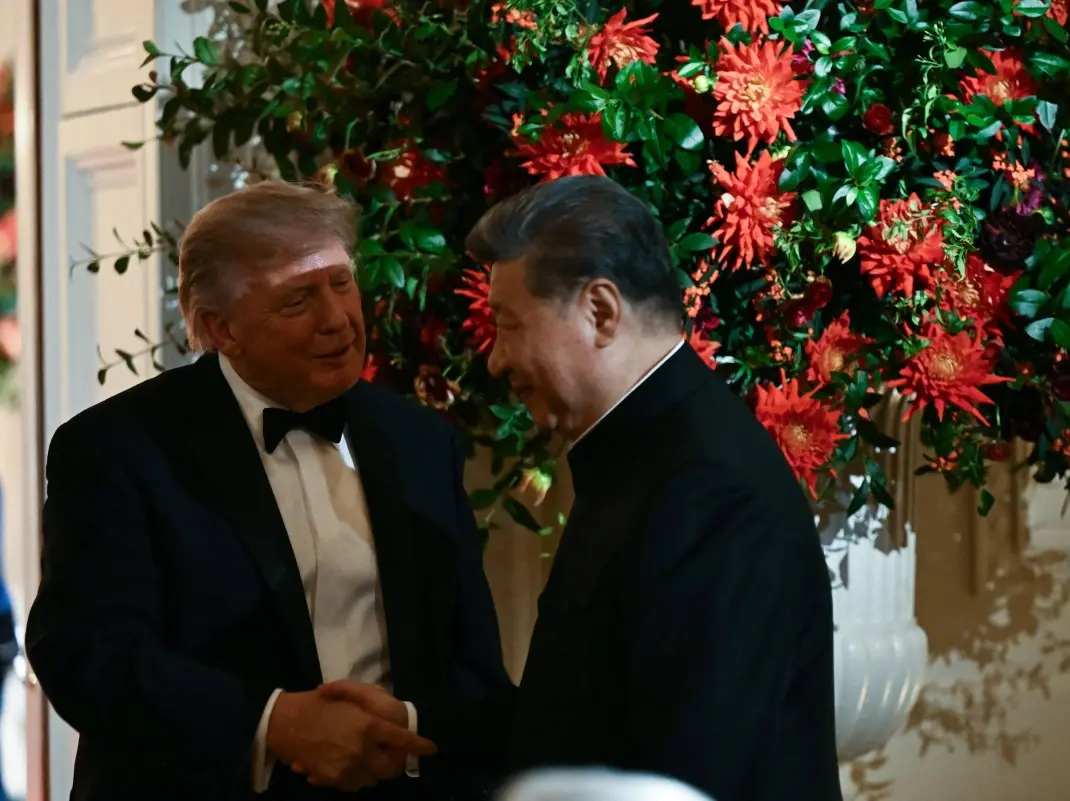)
'Making history': Xi Jinping praises Trump as US-China leaders dine at White House
)
Australian PM Anthony Albanese calls OpenAI AI incident 'unacceptable' after restricted data access
)
'What kind of confession is this?': Pakistan PM Shehbaz Sharif’s 'terrorists would be roaming New York' remark goes viral, raises alarm online. Watch
&im=FitAndFill=(700,400))
Netanyahu at UN: Mass walkout, attack on Mamdani and Iran threats | In Pics
)
'We do not wish to continue. It's America that must choose': Iran president Pezeshkian calls on US to end war
)
WION Iconic Tourism Summit: How local tourism MSMEs must upskill for AI integration
)
EC appointment law: Why is the 2023 act controversial, and what happens next? WION explains
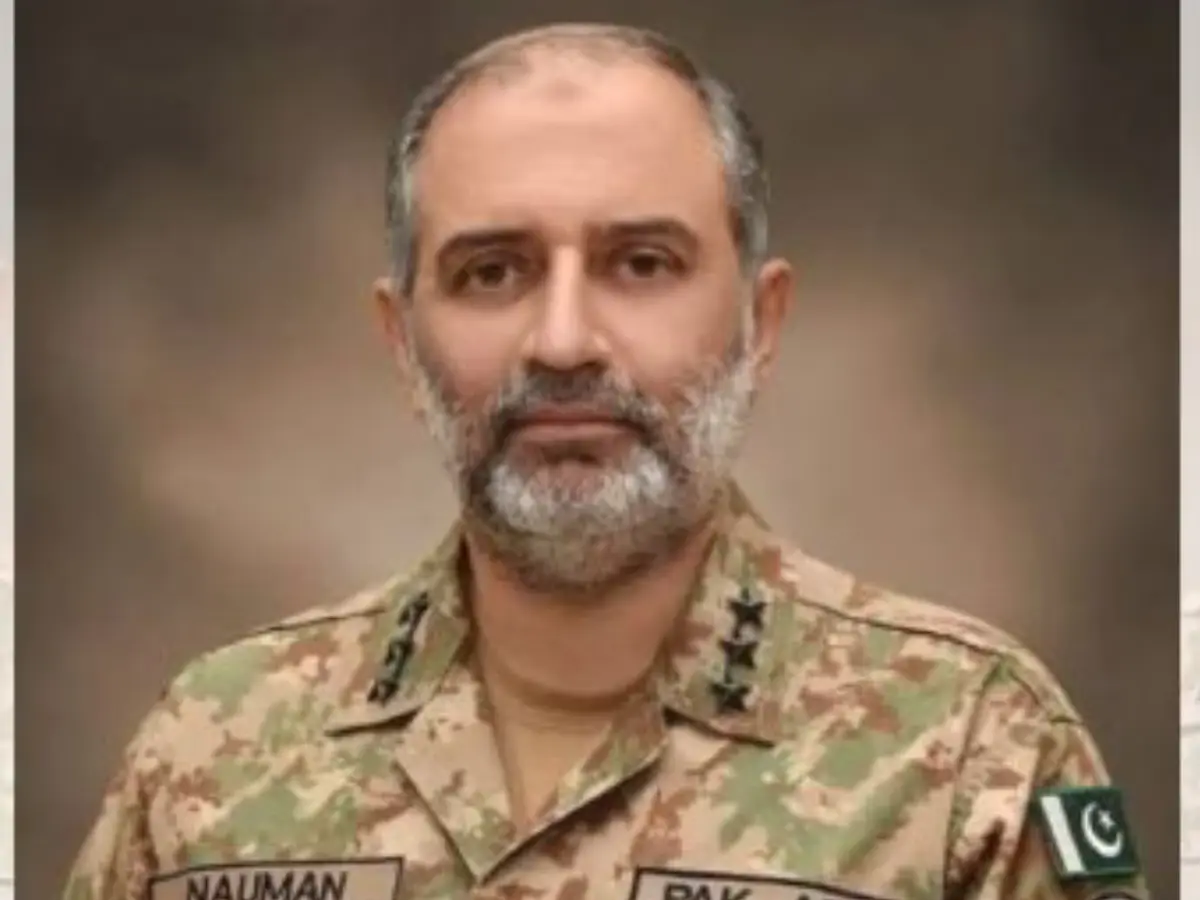)
Who is Lt-Gen Nauman Mahmood, Pakistan's first secretary general of Makkah Defence Alliance?
)
Israeli envoy to US Yechiel Leiter’s son critically injured in West Bank ramming attack
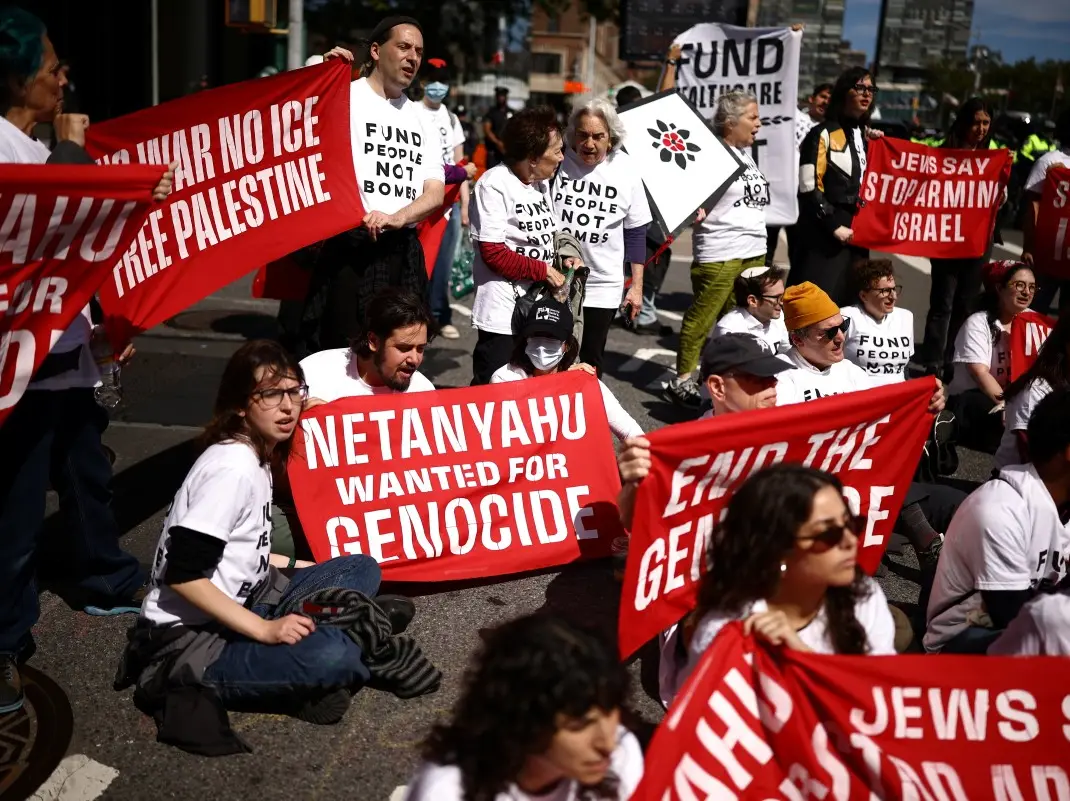)
'Fund people, not bombs': Hundreds take to New York streets as Netanyahu delivers speech at UN; dozens arrested
Levasseur explained, "Because it's in this special enclosure, nobody can smell the cookie now, which is probably for the cookie's benefit because if you were able to smell it that would mean that there might potentially be oxygen penetrating it, and then we'd be going in a direction we don't want to go."
Cookie's journey
The cookie's journey began in 2019 with a collaborative effort between Nanoracks (now part of Voyager Space), Hilton, and Zero-G Kitchen to develop an oven suitable for microgravity environments.
After numerous attempts, astronauts finally achieved the perfect cookie texture aboard the International Space Station.
Watch |Everest faces the challenge of overcrowding, commercialisation hits Mount Everest hard
Returning to Earth in early 2020, the cookie underwent careful preservation procedures before finding its current home at the Smithsonian.
"We needed to defrost it," said Levasseur.
"So the conservation team did some experiments ahead of time, re-making the recipe and then testing for how long they would need to desiccate it and under what conditions would we need to store it so that we would never have to worry about mold becoming an issue."
"It will reside next to other items related to food consumption inside our recreation of the [International Space Station's] Destiny laboratory module," Levasseur added.
(With inputs from agencies)