99.9% more powerful - Scientists find boy who can recall memories from just 3 months of age

&imwidth=600&imheight=450&format=webp&quality=medium "99.9% more powerful - Scientists find boy who can recall memories from just 3 months of age")
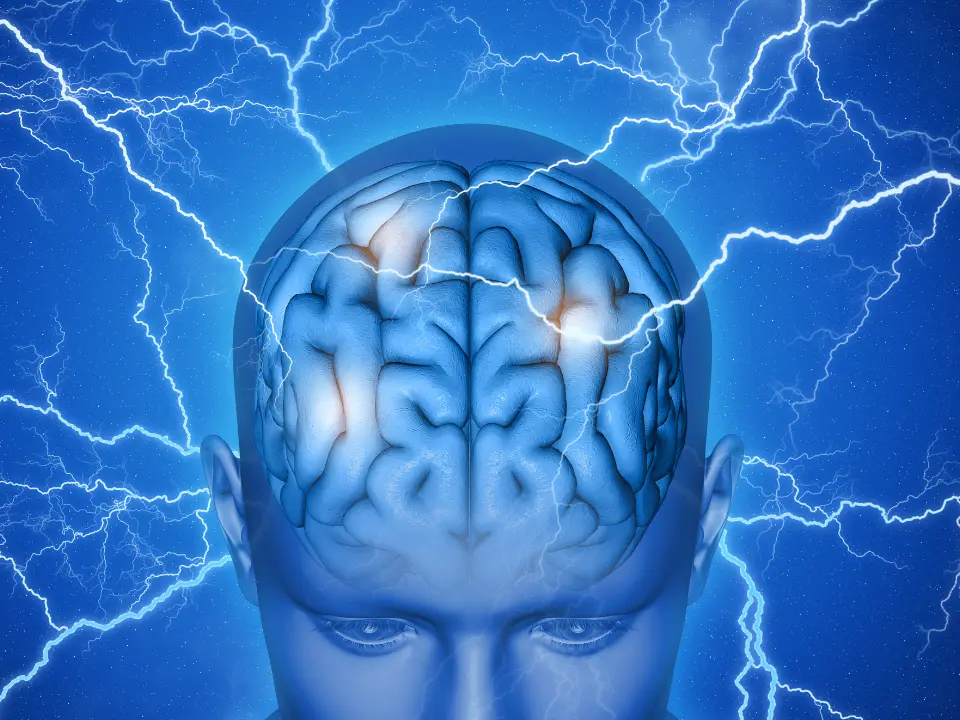
The boy says he can recall some memories in great detail, especially from the time he turned three years old Photograph: (Magnific)
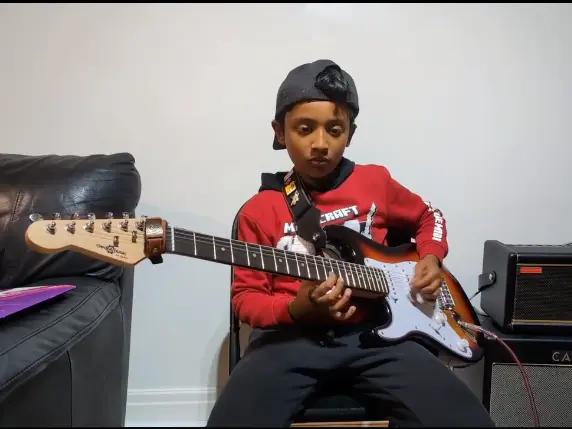
A teenage boy has been found capable of accessing some of his earlier memories in great detail, even those from when he was a baby and a young child. Scientists analysed him and say that he does not necessarily have a superior memory, but that something else is at play.
Humans are meant to forget memories from their time as a baby. No one can recollect even blurs of it, let alone the details. But scientists have found a teenager who has memories from when he was only three months old. From the age of three years onwards, he can remember his experiences in great detail. The research was published in Cortex.
This is scientifically known as highly superior autobiographical memory (HSAM), and fewer than 100 people reportedly have it. The 16-year-old boy, named KCL in the study, reached out to cognitive researcher Krystian Barzykowski in February 2025.
He told him about “exceptionally early autobiographical memories, including recollections dating back to approximately three months of age (April 2009), as well as memories from early childhood (2010–2011) that were reportedly corroborated by his parents.”
Boy could recall highly detailed memories
ScienceAlert reported that the boy had a "sense of continuous, conscious autobiographical experience emerged around the age of three" and most of his memories from then on were "highly detailed and readily accessible." He said his memories were triggered by "a smell, a song, a certain sentence." KCL also claimed that specifically from around August 2022, he was able to recall detailed events from about half of the days.
The researchers sent KCL a series of tests conducted remotely, which established that he did have HSAM, and his performance likely statistically exceeded 99.9 per cent of people. However, cognitively, he wasn't all that special, as his attention, working memory, and executive functioning were normal, something not seen in people with HSAM.
Trending Stories
)
)
)
)
)
)
)
)
)
)
)
)
)
)
)
)
)
)
)
)
)
)
)
)
)
)
)
)
)
)
&im=FitAndFill=(700,400))
)
)
)
)
)
)
)
Not cognitive superheroes
Barzykowski and other researchers wrote that "people with HSAM are not cognitive 'superheroes'," and are "largely comparable to the general population in domains such as learning everyday information or memorising numbers." However, what is special is the "way they remember and access autobiographical events – information about what they have experienced, witnessed, and lived through."
To see whether he had HSAM, the researchers told KCL to monitor a set of patterns on a computer. He was asked about the thoughts that were racing through his mind periodically. When his data was compared to those of ordinary people, KCL had a "markedly elevated" frequency of involuntary autobiographical memories.
The researchers concluded that the condition does not mean that the person has a superior memory, but stands out because of how autobiographical memories are accessed.

