Scam exposed: Mount Everest guides accused of poisoning tourists in $20 million insurance fraud, 32 booked

&imwidth=600&imheight=450&format=webp&quality=medium "Scam exposed: Mount Everest guides accused of poisoning tourists in $20 million insurance fraud, 32 booked")
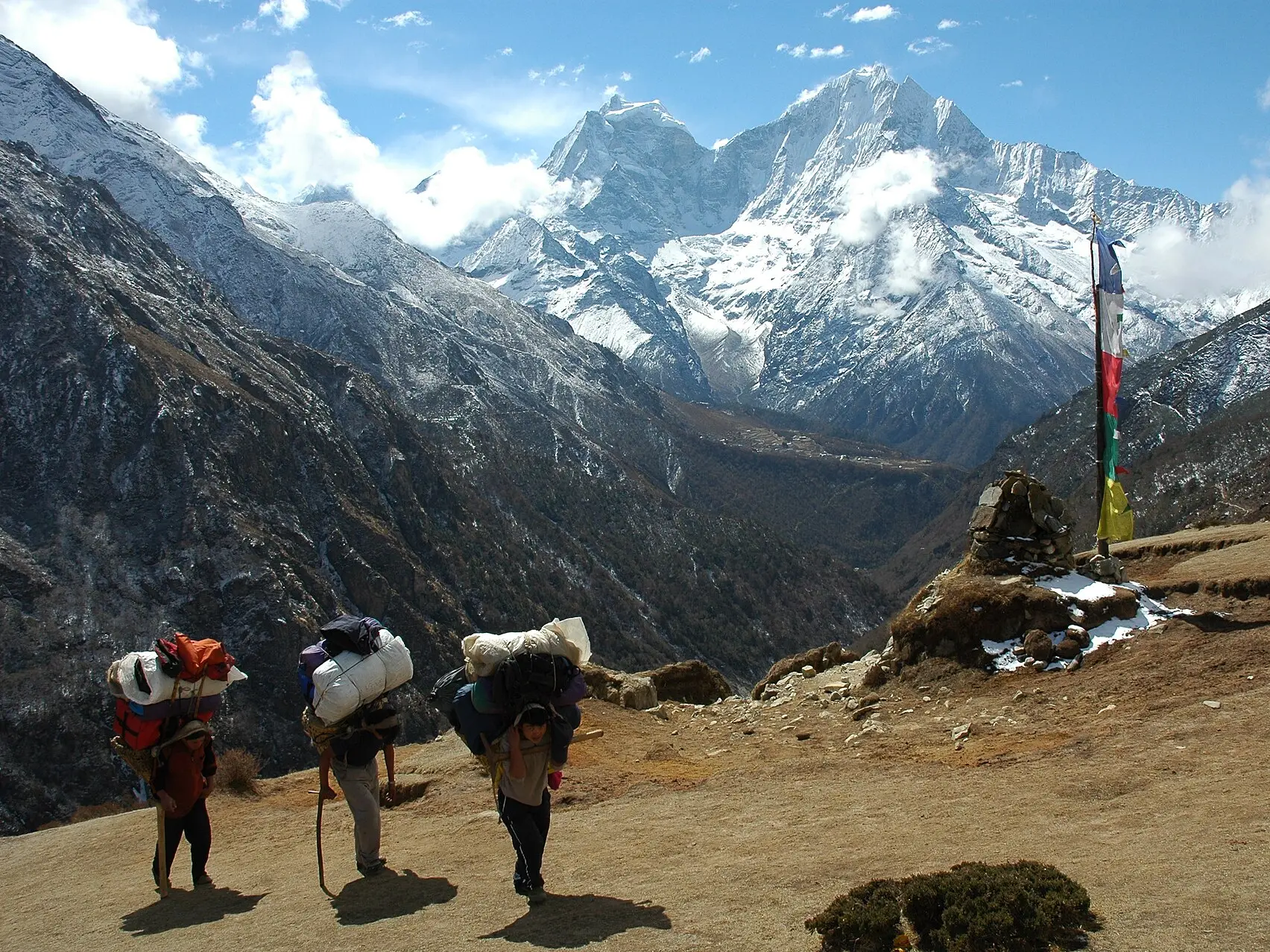
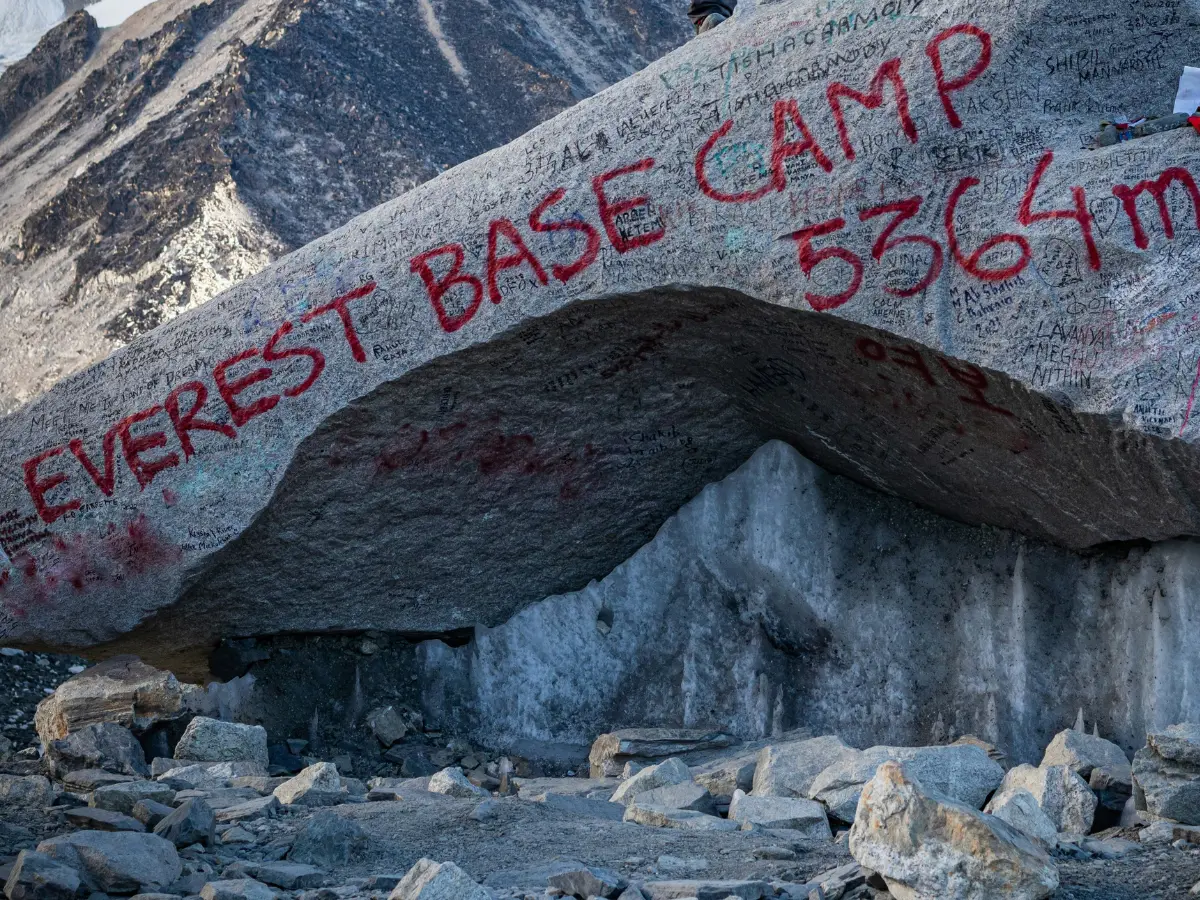
Representative image. Photograph: (Wikimedia Commons)
Investigators claimed that sherpas working with trekking agencies allegedly poisoned tourists by mixing baking soda into tourists' meals, leading to severe gastrointestinal symptoms that resembled altitude sickness or food poisoning.
Sherpas on Mount Everest have been accused of deliberately poisoning tourists’ food to induce illness and trigger costly helicopter rescues, reportedly as part of a $20 million insurance scam, according to a report by the Kathmandu Post. In response to it, Nepal police have booked 32 people, including trekking company owners, helicopter operators and hospital officials, on charges of organised crime and fraud related to the plot.
Investigators claimed that sherpas working with trekking agencies allegedly poisoned tourists by mixing baking soda into tourists' meals, leading to severe gastrointestinal symptoms that resembled altitude sickness or food poisoning. After tourists became unwell, they were reportedly pressured into opting for expensive emergency helicopter rescues. Authorities say operators then used falsified medical records and flight documents to bill international travel insurance companies.
From this profit, all the illicit gains were reportedly shared among sherpas, trekking agencies, helicopter companies and hospitals where tourists paid huge amounts for their fake treatments. The probe started in January with the arrest of six executives from three major mountain rescue firms. Based on the report, the groups falsely obtained at least $19.69 million using these schemes.
Nepalese police reopened the investigation
According to a report by the Kathmandu Post, the scam was disclosed in 2018, but development unfolded after Nepalese police recently reopened their probe into the case. Based on the report, the guides used to make an emergency plan for tourists from foreign countries, such as the UK or Australia. This resulted in making it difficult for insurance companies to verify the incidents in the Kathmandu area of Nepal.
At altitudes of around 10,000 feet, climbers on Mount Everest are naturally vulnerable to altitude sickness. However, Nepalese authorities allege that some guides deliberately added baking powder to climbers’ food to replicate its symptoms, later creating a false need for emergency assistance, according to police reports.
Trending Stories
&im=FitAndFill=(700,400))
)
)
)
&im=FitAndFill=(700,400))
)
)
)
)
)
)
)
)
)
)
)
&im=FitAndFill=(700,400))
)
)
)
)
)
)
)
)
)
&im=FitAndFill=(700,400))
&im=FitAndFill=(700,400))
)
)
&im=FitAndFill=(700,400))
)
)
Climbers were also reportedly given Diamox (Acetazolamide), a drug used to prevent and treat altitude sickness, along with unusually large amounts of water. "Altitude sickness is when your body doesn’t have time to adjust to lower oxygen availability higher up in the atmosphere," according to the Cleveland Clinic.
Helicopter firms, hospitals, and other groups were allegedly involved in the scam, helping guides fake emergency evacuations and treatments to claim insurance money. On the alleged scam, Era International Hospital reportedly received over $15.87 million, while Shreedhi International Hospital got more than $1.22 million. Mountain Rescue Service allegedly conducted 171 fake rescues, earning $10.31 million. Nepal Charter Service and Everest Experience and Assistance were also linked to millions in fraudulent insurance claims, according to police findings.
Also read: Feature update or April Fool’s prank? Viral video rumours baffle X users over link copying issue

