Norovirus spreading in US states, shows CDC data. Here's all you need to know about the zoonotic disease

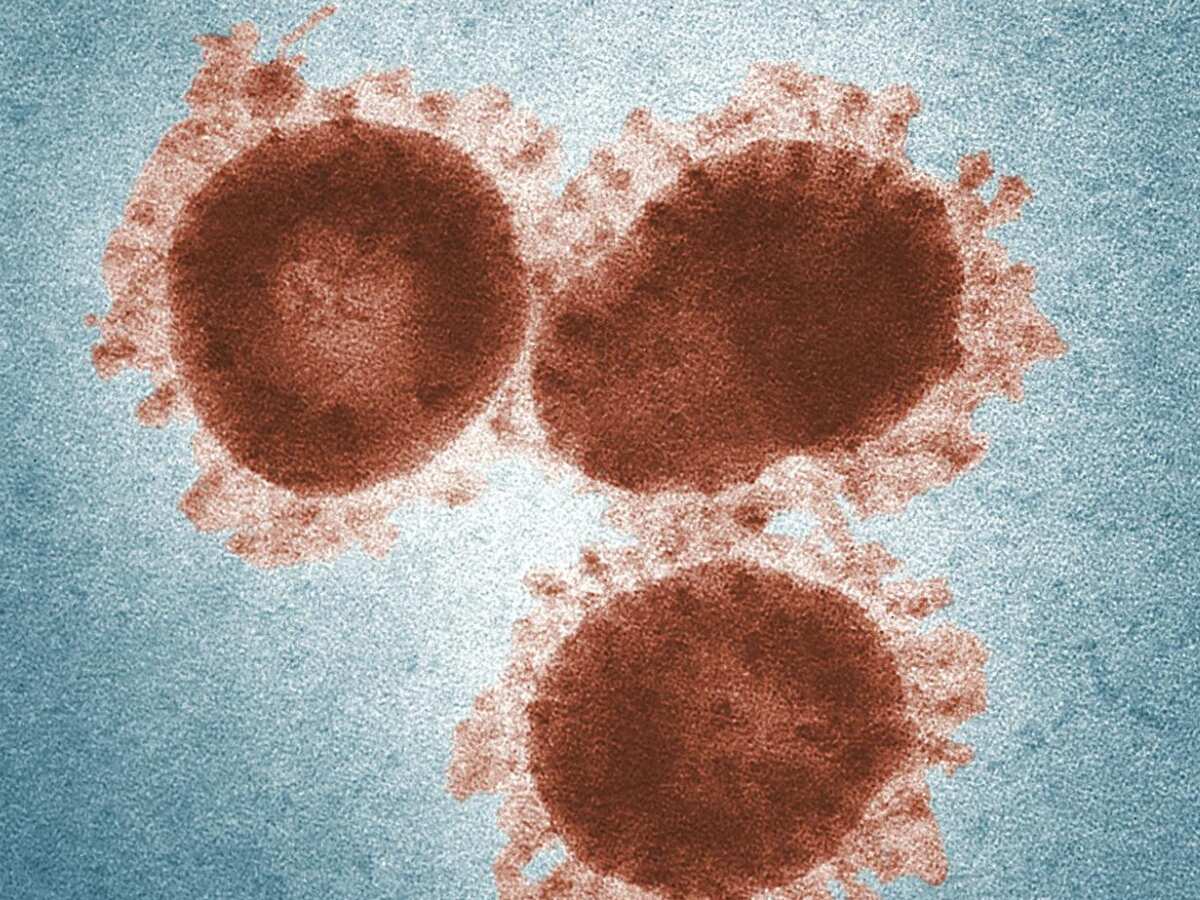
Norovirus usually has mild effects on healthy people.
A new virus is on the loose in the United States, called ‘norovirus’, which is a type of stomach virus or stomach flu. As per the recent data released by the Centres for Disease Control and Prevention (CDC), the virus is spreading rapidly in the north-eastern region of the US.
The nation’s public health agency stated that the three-week average of positive tests for norovirus in the region has reached 13.9 per cent in the past weeks, reported media outletThe Hill.
Quoting the CDC's advisory, the outlet mentioned that individuals may contract norovirus multiple times throughout their lives due to the existence of various virus strains. "One type of norovirus may not protect you against other types," the advisory said.

Also Read |A silent warning? Microplastics found in every human placenta, reveals new study
According to data from the CDC, norovirus is responsible for approximately 19 to 21 million illnesses per year in the United States, with the peak season typically occurring from November to April. Annually, there are approximately 109,000 hospitalisations and 900 deaths associated with norovirus, with older adults being the primary target.
Here is everything you need to know about the virus:
)
Lady Gaga is a mom! Oscar-winning singer welcomes first child with fiance Michael Polansky
)
BRICS Summit 2026: Iran's Pezeshkian praises PM Modi at BRICS
)
Karthik Subbaraj’s Dorothy gets a standing ovation at TIFF world premiere
)
North Korea fires missiles after US, South Korea and Japan military drills but America says 'does not pose immediate threat'
)
Delhi's top luxury hotels turn into high-security fortress hubs for BRICS 2026 delegations
)
BRICS Summit 2026: 30+ countries seek BRICS membership
)
Frustrated man demolishes his kitchen after thousands flock to see Mother Mary his wife spotted on the wall
)
BRICS summit: India faces delicate Iran-UAE diplomatic test
)
After praising Modi, Pezeshkian meets Indian religious leaders, Hurriyat's Mirwaiz Umar Farooq
)
Houthis vs Saudi Arabia: East-west oil pipeline shut after drone attacks from Iraq
)
South Africa batter Jordan Hermann hits highest individual score on ODI debut
)
800 million years old - Scientists discover 'fingerprints' of supercontinent Gondwana in ancient rocks
)
Vladimir Putin in New Delhi for BRICS Summit: Russia-India defence, energy and nuclear ties in focus ahead of meeting with PM Modi
)
Osama Bin Laden's son ALIVE? Al-Qaeda releases video 7 years after US declared him dead
)
BRICS Summit 2026: South Africa says it will use the summit to advance its economic priorities
)
Gravitas | Iran hammers US air power in West Asia after Navy badly hit
)
Israel spent nearly $470,000 on PM's hair, makeup since 2019, data shows
)
Did you know THIS actor narrowly escaped the 9/11 terror attacks due to a last-minute change of travel plans?
)
BRICS Summit 2026: Rivals in West Asia, partners in BRICS, UAE, Iran, and Saudi delegations in Delhi
)
BRICS Summit 2026: PM Modi meets Malaysia, Ethiopia leaders; defence ties, trade in focus
)
9-year-old Chennai prodigy clears Cambridge IGCSE grade 10 exams
)
BRICS Summit: China resumes Guangzhou-New Delhi flight, issues 'good-neighbourliness' remark ahead of Xi-Modi meet
)
Satya Niketan horror: Who is responsible?
)
BRICS Summit 2026: Top world leaders in New Delhi; West Asia war casts shadow on BRICS Summit
&im=FitAndFill=(700,400))
New Friday OTT releases (September 11, 2026): The Revolutionaries, Vishwanath & Sons, Ghamasaan- 6 new titles coming on Netflix, Prime Video and more
)
Years before 9/11, CIA warned Clinton, Bush of 'explosive-packed airplane attack': What newly released files reveal
)
In first of its kind, Trump admin deports Afghan woman via Alien Terrorist Court
)
Baba Vanga's first prophecy for 2027 is out, and straight out of science fiction
)
Saudi Arabia shuts East-West oil pipeline, key Hormuz bypass, after attacks
)
IND vs AFG, 1st T20I: When and where to watch live streaming in India?
)
WION Expertspeak: Understanding India's BRICS presidency amid wars, trade tensions and global turmoil
)
Satellite images show construction surge at Iran’s Pickaxe nuclear site amid US war
What is Norovirus?
As per the World Health Organization (WHO), norovirus is one of the predominant causes of acute gastroenteritis worldwide, resulting in symptoms such as sudden onset diarrhoea and vomiting.
This virus exhibits high contagion levels and spreads through contaminated water, food, and surfaces.
As reported by various health departments, initial symptoms of the virus are vomiting and/or diarrhoea alongside headaches and body aches.
Though the virus usually has mild effects on healthy people, it can cause severe abdominal illness in young children, the elderly, and people with other medical conditions.
The symptoms of norovirus infection typically include:
- Nausea
- Vomiting
- Diarrhoea
- Stomach cramps
- Low-grade fever: Mild increase in body temperature.
- Headache
- Body aches and fatigue
These symptoms usually appear within 12 to 48 hours after exposure to the virus and can last for 1 to 3 days. It's important to stay hydrated and rest if you experience these symptoms and to seek medical attention if they persist or worsen.
Also Read |Even presidents need prompts? Biden using 'cheat sheets' worries Democratic donors
Preventing norovirus infection involves implementing several precautions to minimise the risk of exposure.
1. Hand hygiene: Wash hands frequently with soap and water, especially after using the toilet, changing diapers, and before preparing or eating food. Hand sanitisers with at least 60 per cent alcohol can also be used if soap and water are not readily available.
2. Food safety: Practice safe food handling and preparation. Wash fruits and vegetables thoroughly before consuming, cook shellfish thoroughly before eating, and avoid preparing food for others if you are experiencing symptoms of norovirus.
3. Stay home when sick: If you have symptoms of norovirus, such as vomiting or diarrhoea, stay home from work, school, or other activities to prevent spreading the virus to others. Wait at least 48 hours after symptoms have resolved before returning to work or school.
4. Proper disposal of vomit and faecal matter: If you or someone else vomits or has diarrhoea, clean up the area immediately using disposable gloves and disinfectant. Wash your hands thoroughly afterwards.
(With inputs from agencies)