Martin Luther King Jr. Day: Know about King's life and legacy, most famous quotes and holiday that honours him


Martin Luther King Jr.
Martin Luther King Jr. Day:In the United States, Americans honour the life and legacy of Martin Luther King Jr. every year on the third Monday of January. Inspired by Mahatma Gandhi's philosophy, he advocated nonviolent resistance to end racial segregation.
Here's everything you need to know about Martin Luther King Jr. Day.

Martin Luther King Jr.: Life And Legacy
Martin Luther King Jr. became a public figure as a young Baptist minister during the Montgomery bus boycott in Alabama. It sparked after Rosa Parks, the most influential African American civil rights leader, refused to give up her seat in a segregated bus. It led to the passage of the Civil Rights Act of 1964 and Voting Rights Acts.
Martin Luther King Jr. received the Nobel Prize for Peace in 1964 for his activism.
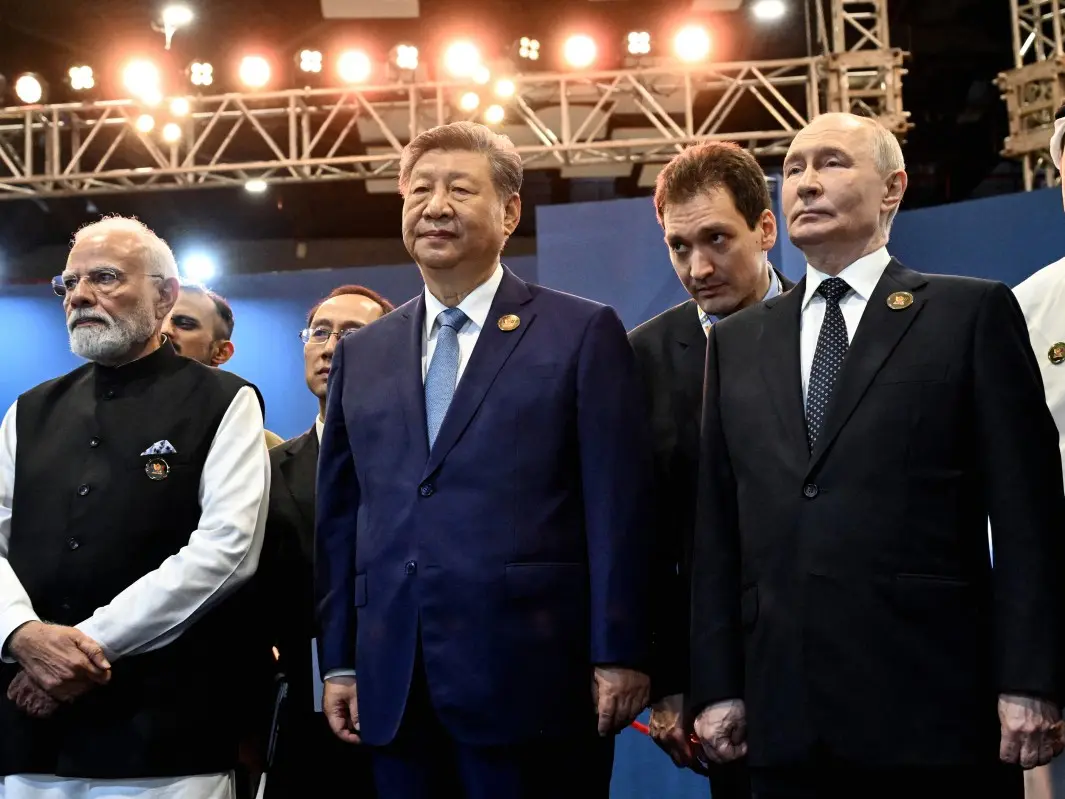)
Did India risk its US trade deal despite softer stance at BRICS?
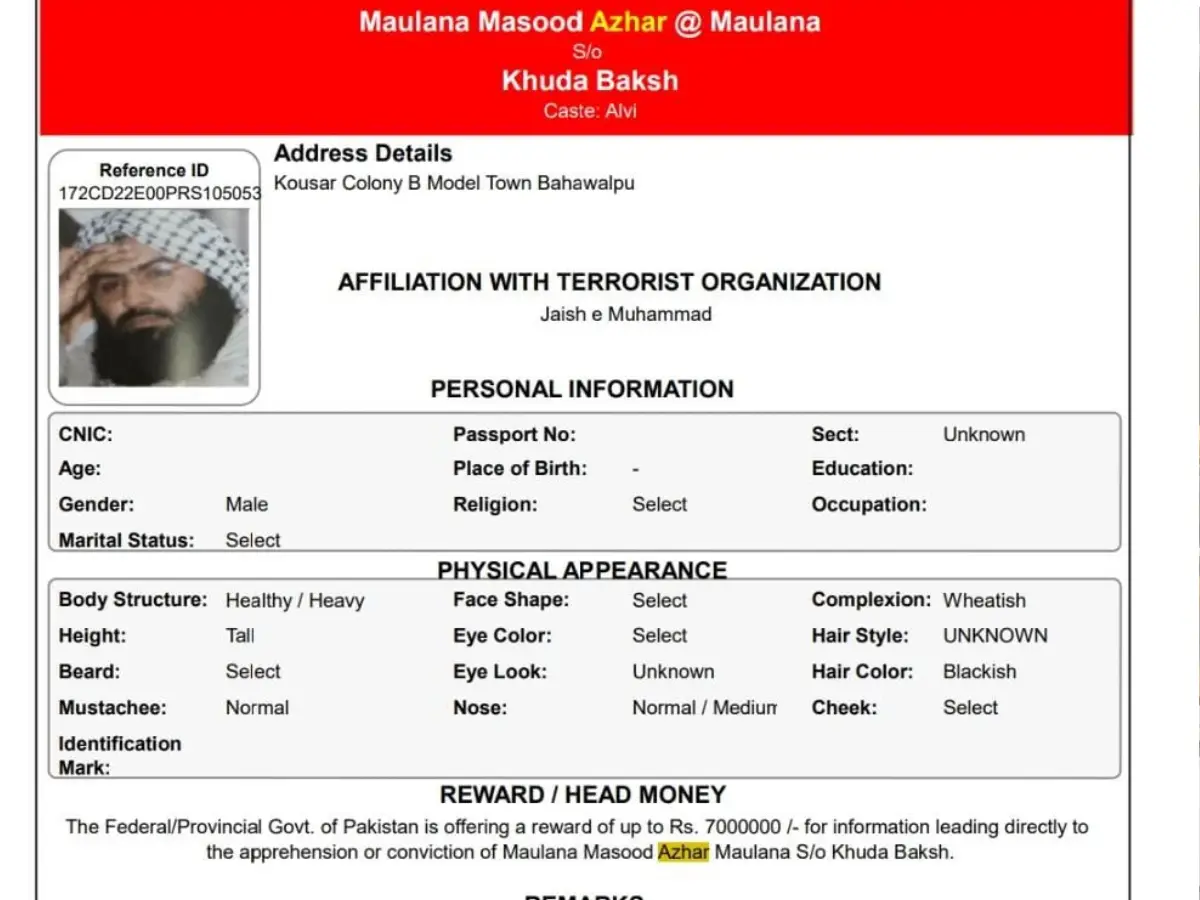)
Pakistan puts Pak Rs 70 lakh bounty on UN terrorist Masood Azhar; move draws skepticism in Delhi
)
First naval drone battle? Ukraine says Sargan 3000 sank Russian unmanned boat
)
Practical Magic 2 breaks Spidey spell over North American box office
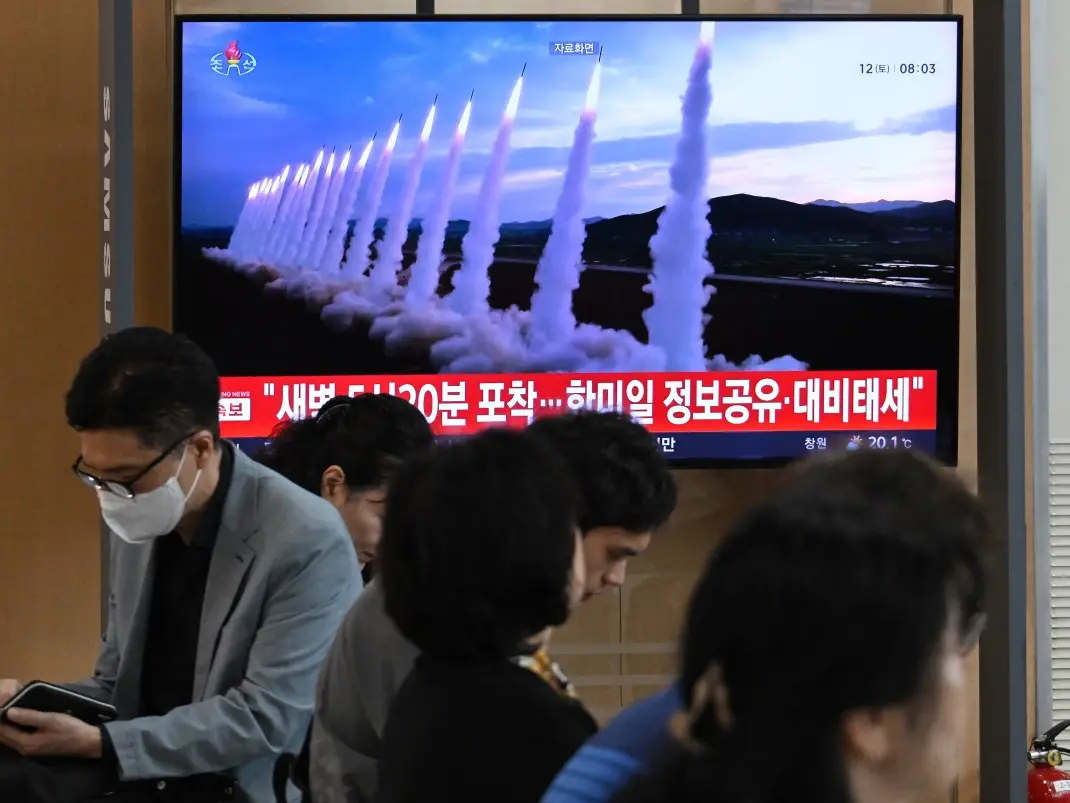)
'Huge destructive power': North Korea calls its latest missile launches 'live-fire drill' even as US dismisses 'immediate threat'
)
‘Let’s go’: Newly declassified videos show dramatic rescue of US Air Force officers downed in Iran
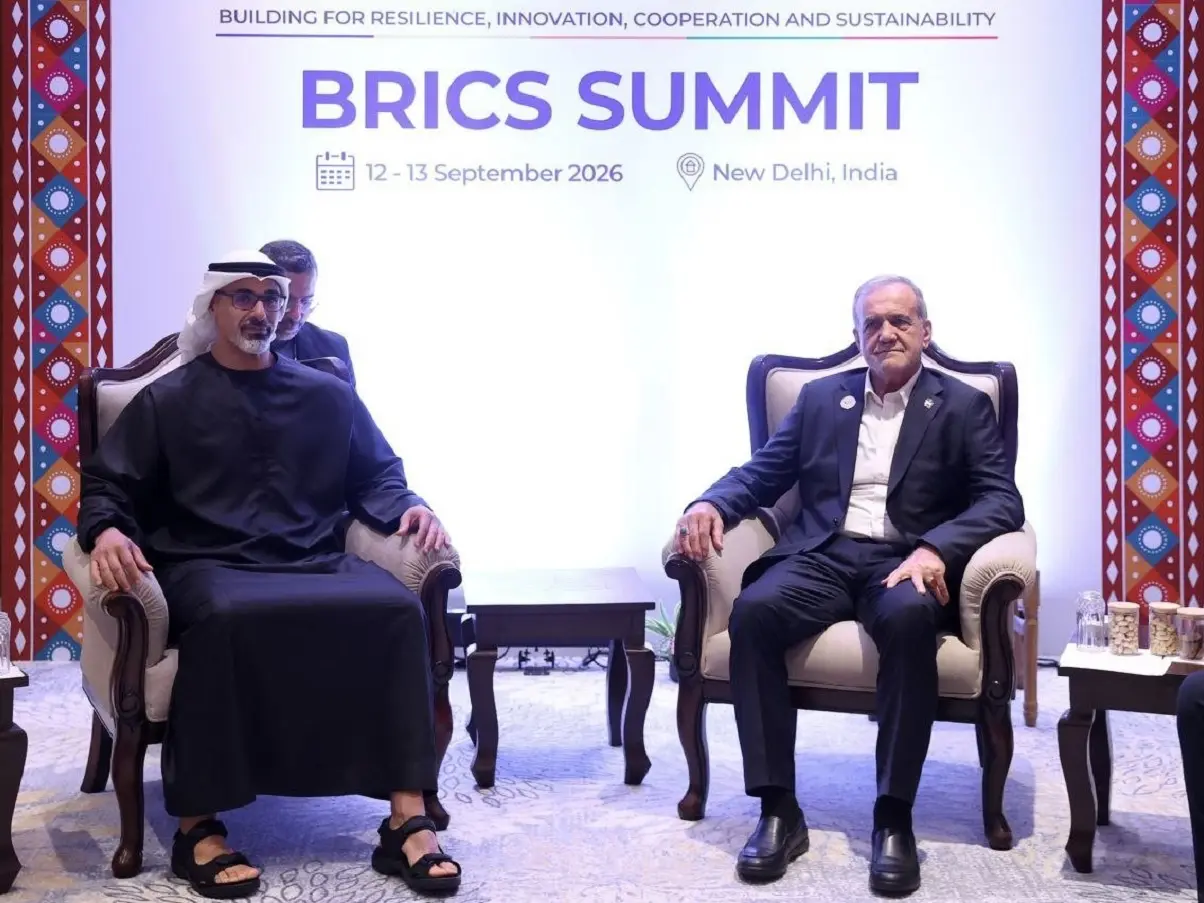)
Delhi’s balancing act: BRICS serves as a stage for West Asia diplomacy
&im=FitAndFill=(700,400))
Why European Meteor missiles use ramjet engines compared to standard US solid rockets
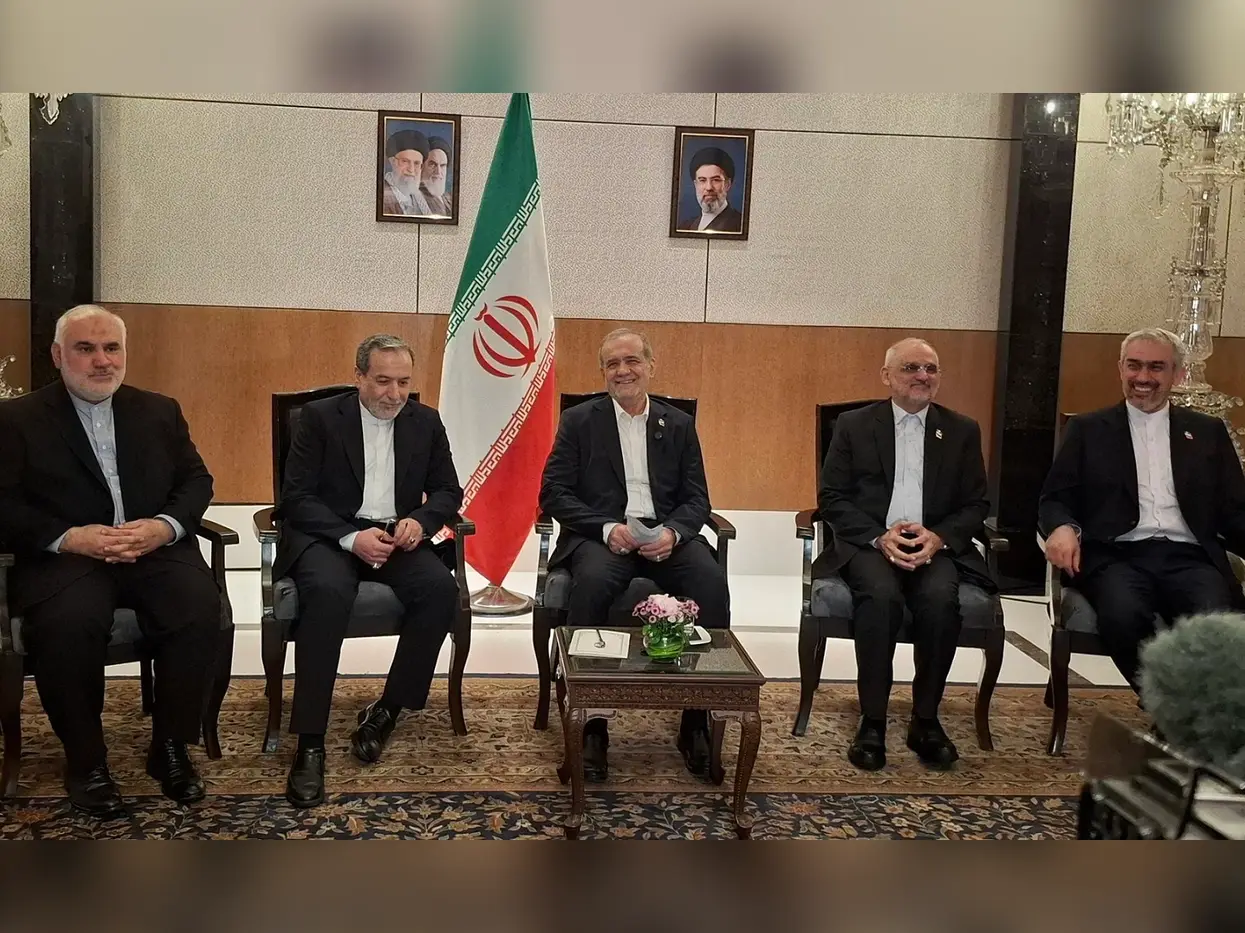)
Iran, India agree to deepen humanitarian and political ties, President Pezeshkian says
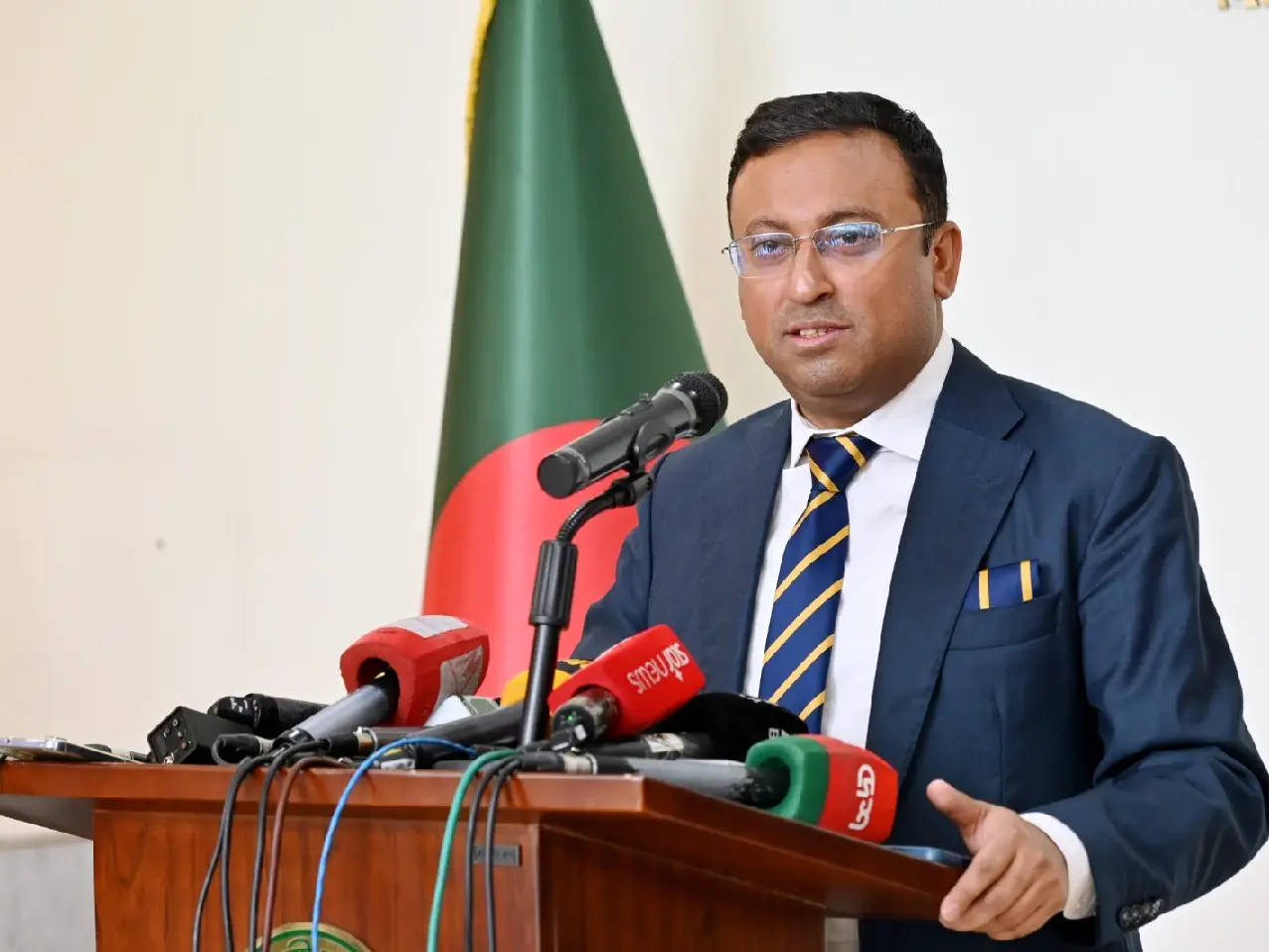)
‘Want to reset ties with India, have engagement based on mutual interests,’ says Bangladesh minister
)
Trump says Canada eager to reach a deal, it could come ‘fairly soon’ if Ottawa treats US farmers better
)
Turkish Airlines plane flies through a storm three times, triggering severe turbulence
&im=FitAndFill=(700,400))
Why Chinese PL-15 air-to-air missiles use dual-pulse motors compared to European interceptors
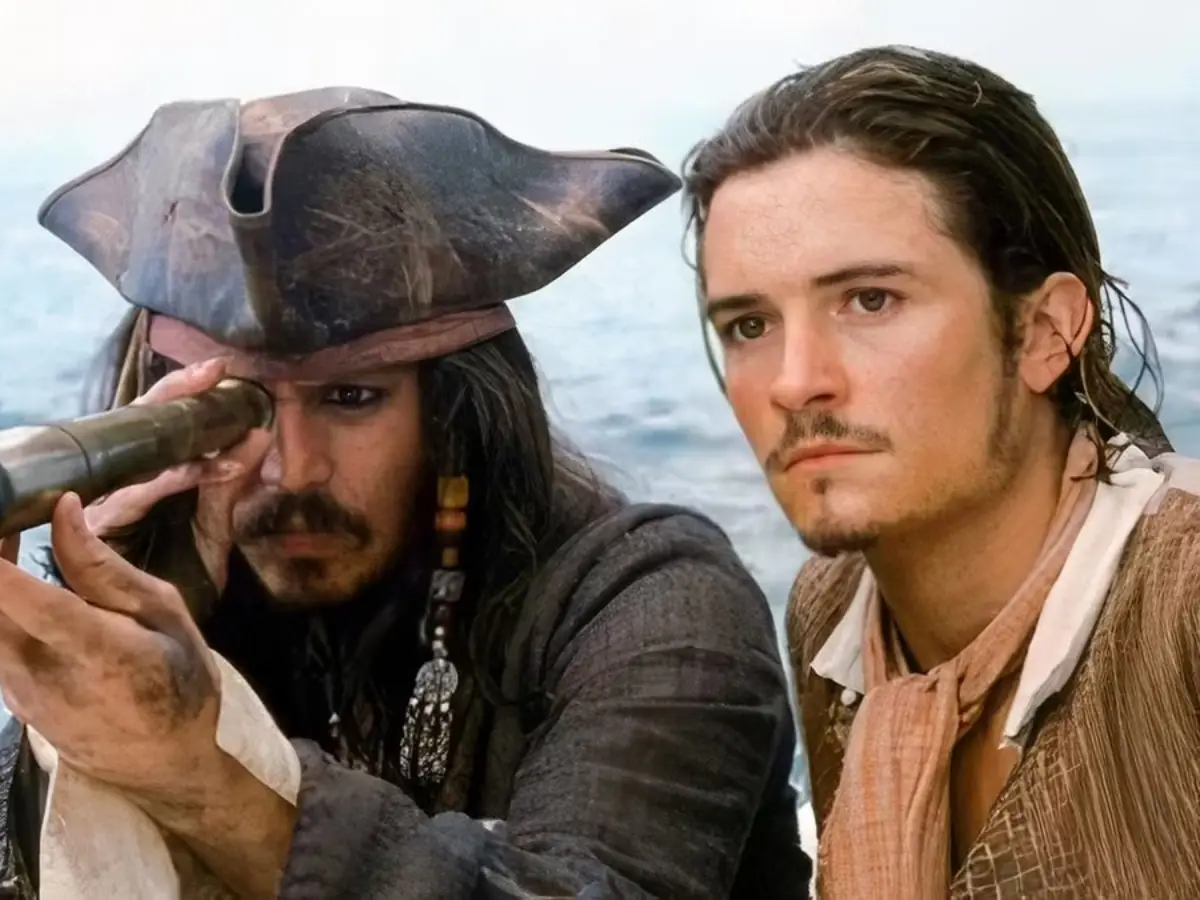)
Orlando Bloom addresses Pirates of the Caribbean comeback and reunion with Johnny Depp
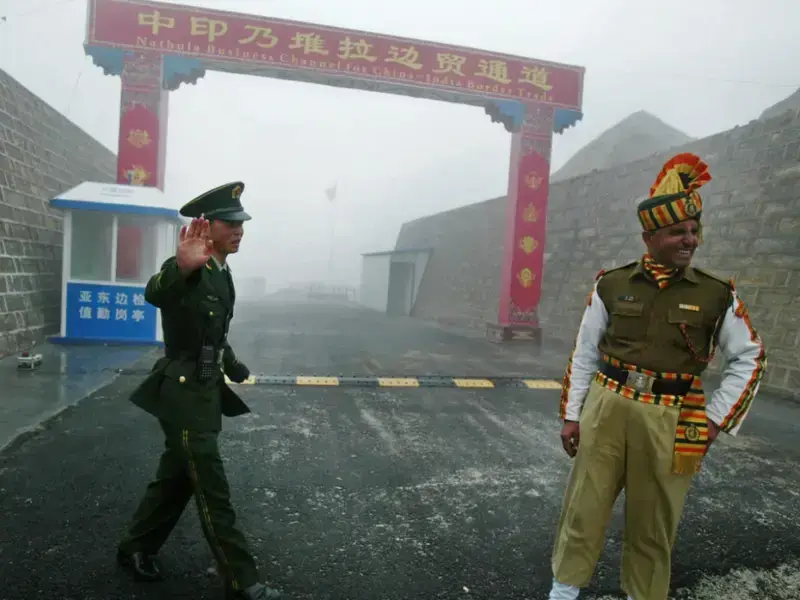)
China thinned Himalayan troop presence in 2025, India defence report says; terms border situation 'stable'
)
800 million years old - Scientists discover 'fingerprints' of supercontinent Gondwana in ancient rocks
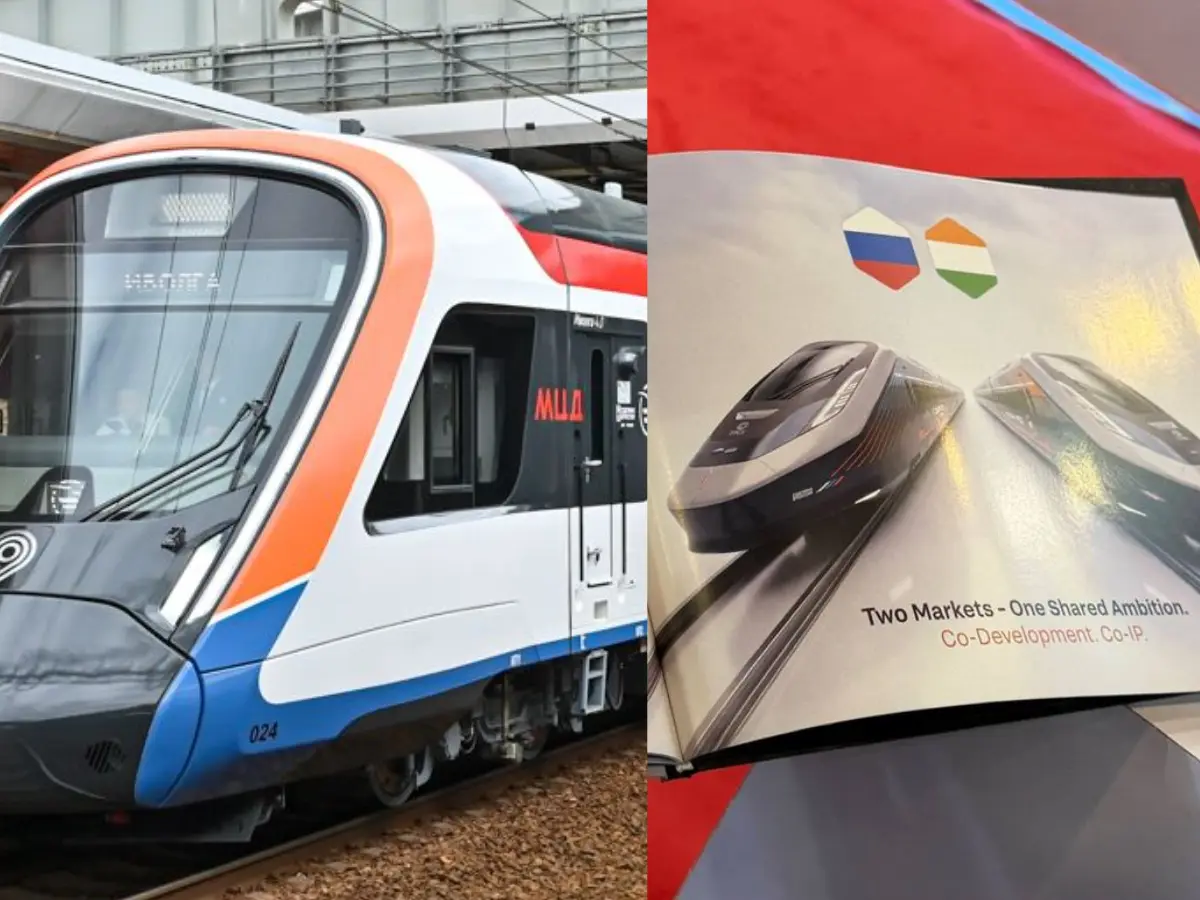)
Russia proposes to build 360 kmph Ivolga FG trains in India: What happened on sidelines of BRICS
)
Israeli minister calls to strip Gaza film directors of citizenship
)
'Nobody knows if it can be in control': ‘Godfather’ of AI, China spy chief back AI slowdown calls, flags political threat
)
China discovers vast gold and silver 'mine' in the Pacific with unheard-of deposits
)
Russian drone hits Warsaw-bound train near Polish border, Zelensky accuses Moscow of ‘deliberate’ targeting
)
War is making Russia stronger? How Ukraine is shaping Moscow’s next generation of weapons
)
Plane carrying prominent figure crashes at Libya’s Misrata airport: Report
)
Veteran Bollywood actress Nafisa Ali shares health update as Stage 4 cancer progresses, starts targeted therapy
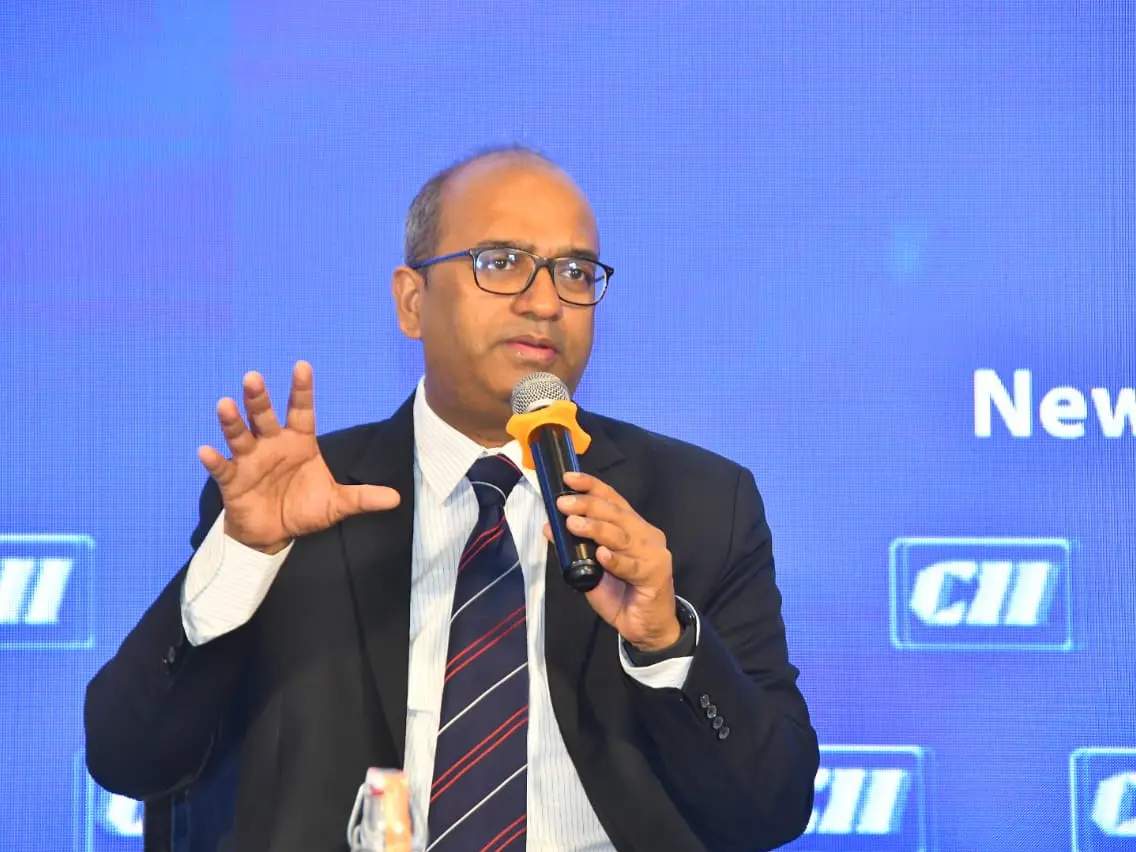)
NEET-UG to move to computer-based test soon, NTA DG says ‘CBT is the future’
)
Woman removes all her clothes on American Airlines flight, performs 'indecent acts'; arrested
)
Liam Neeson sparks romance rumours after holding hands with Stella Stocker at TIFF 2026
&im=FitAndFill=(700,400))
New OTT releases this week (September 14-20, 2026): Lust Stories 3, Waiting Hai, Irumudi- 5 new titles coming on Netflix, Prime Video and more
)
Indian importers urge Bangladesh to lift export ban on 'Hilsa' fish ahead of Durga Puja
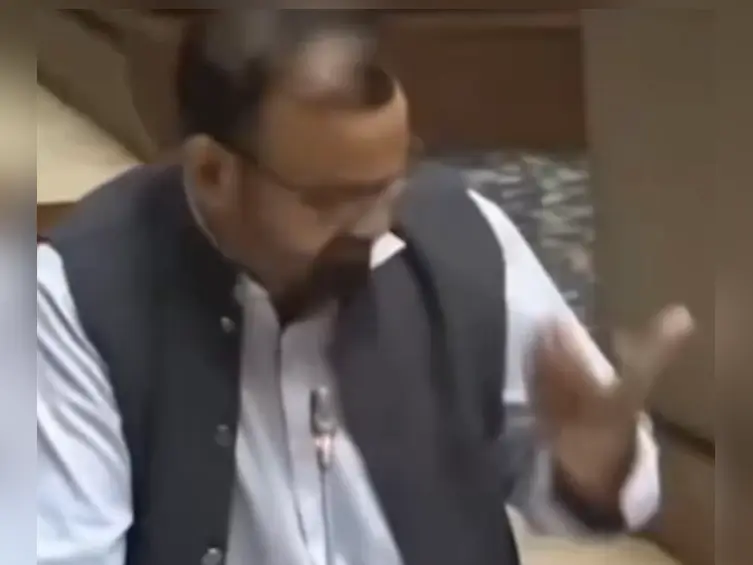)
Video of Pakistani lawmaker struggling to read English tribute to Jinnah goes viral - WATCH
)
Did China give Iran intel before US base strike that killed 3 troops? Trump says, 'You’re right...'
)
Crude oil prices jump more than $107 per barrel following Houthi attacks on Saudi
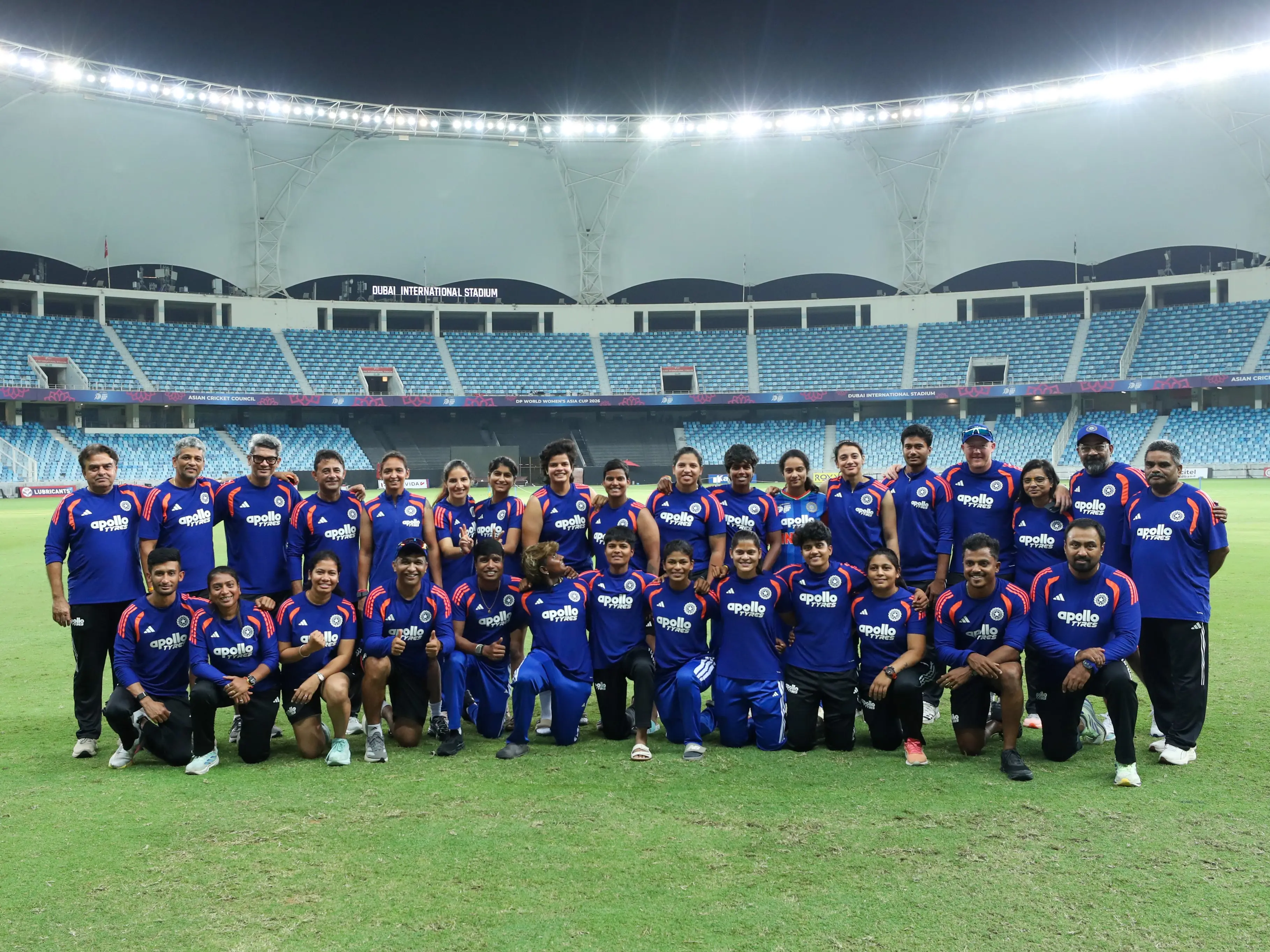)
Women's Asia Cup 2026: India denied trophy once again despite winning the title
)
Humans may lose control of AI: Anthropic CEO calls for slowdown, Altman, Musk back him
In 1968, James Earl Ray shot Martin Luther King Jr. while he was heading efforts against poverty, capitalism and the Vietnam War. His assassination was a reminder of the hindrances that come in the pursuit of social justice and equality. His demise triggered a wave of shock and grief throughout the United States.
How did Martin Luther King Jr. Day come into being?
After his assassination, labour unions proposed to create a national holiday to commemorate his legacy. African American Representative John Conyers and Senator Edward Brooke proposed a bill in Congress to mark January 15, Martin Luther King Jr.'s birthday. However, it faced opposition on racial and political grounds.
Republican President Ronald Reagan signed a bill proposed by African American Representative Katie Hall of Indiana to introduce a federal holiday honouring Martin Luther King Jr. The United States acknowledged the holiday in 1983.
Furthermore, the bill's passing established the Martin Luther King, Jr. Federal Holiday Commission, which oversees the holiday.
In 1994, Martin Luther King Jr. Day officially became National Service Day to encourage citizens of the United States to come together and engage in service activities and address social issues.
Most Famous Quotes By Martin Luther King Jr.
- "Darkness cannot drive out darkness; only light can do that. Hate cannot drive out hate; only love can do that."
- "Our lives begin to end the day we become silent about things that matter."
- "I have decided to stick with love. Hate is too great a burden to bear."
- "Faith is taking the first step even when you don't see the whole staircase."
- "Nothing in the world is more dangerous than sincere ignorance and conscientious stupidity."
(With inputs from agencies)