Information warfare: Russia poisoning AI tools to amplify false claims, think tank claims

&imwidth=600&imheight=450&format=webp&quality=medium "Information warfare: Russia poisoning AI tools to amplify false claims, think tank claims")
Retrieval Augmented Generation (RAG) poisoning spreading disinformation on AI tools.
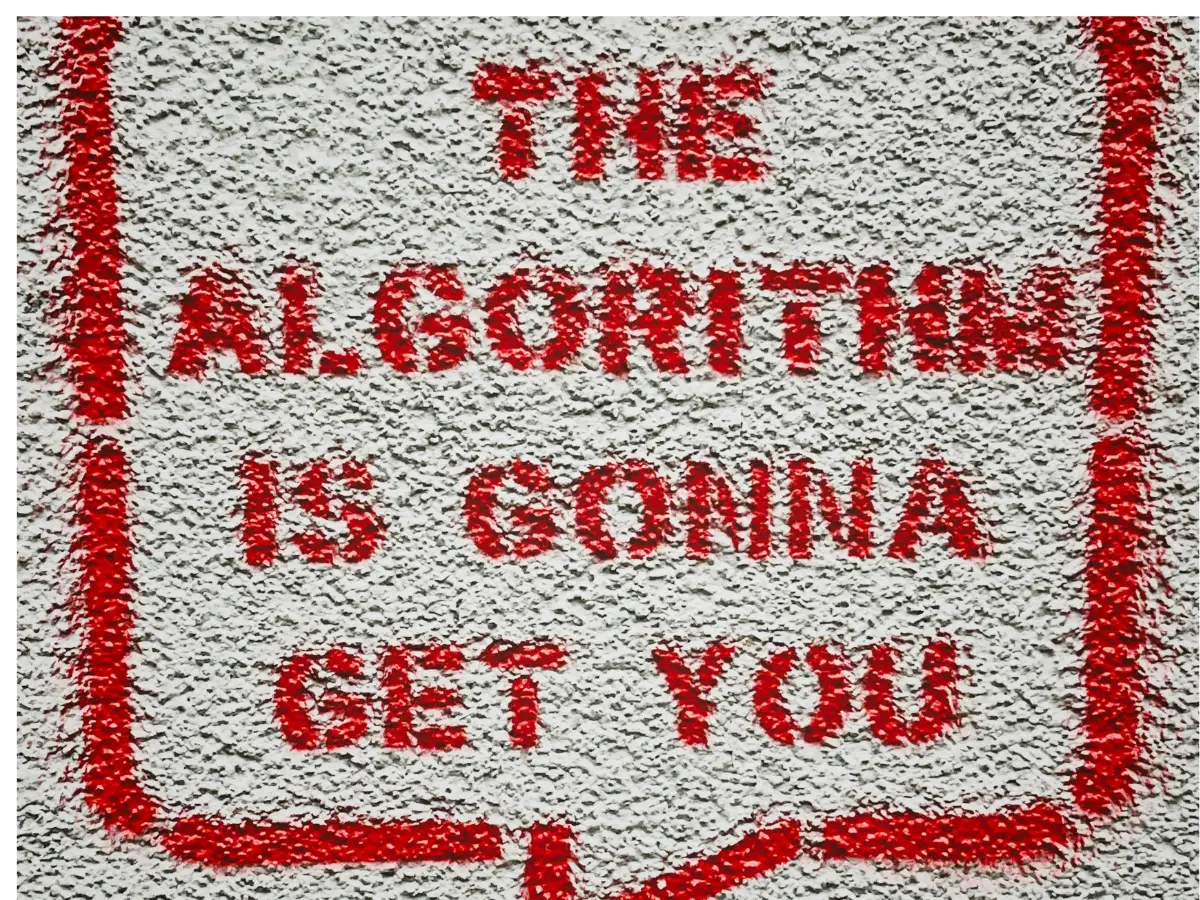
A report has claimed that Russia is poisoning the internet with false narratives in a bid to manipulate AI tools so that it gives wrong information to people accessing them for news and other things.
A think tank report has claimed that Russia is spreading disinformation by manipulating AI. It is spreading false narratives on websites and social media platforms, which the AI models are retrieving and regurgitating, thus giving users wrong information. This new form of information warfare has been dubbed "Retrieval Augmented Generation (RAG) poisoning". Commenting on the research done by think tank Demos, shadow technology secretary Julia Lopez said on Monday, "As AI becomes a primary source of information for millions of people, hostile states will inevitably seek to manipulate these systems just as we have seen on social media and search engines," the Daily Mail reported.
She added that "governments must ensure AI companies have robust safeguards to identify and clearly label state-backed disinformation." The authors of the report state that as more and more depend on AI tools for information, “whoever controls what those systems retrieve and believe gains enormous leverage.”
AI tools favoured a foundation sanctioned by EU
RAG poisoning means that the information on the internet is manipulated so that AI models draw from it and amplify false and misleading claims. Demos found that five frontier AI tools cited information about the Russian outlet Foundation to Battle Injustice (FBI) after suspected RAG poisoning. This favour happened despite it being sanctioned by the European Union.
The body is a fake human-rights defence group formed by Wagner group founder Yevgeny Prigozhin in March 2021. It is used as a front for Russian state influence and disinformation campaigns. However, when further checks were carried out, 31 per cent of the AI responses did not identify the FBI as a sanctioned group. The think tank also noted that around half of them debunked the false claims made by the FBI.
Trending Stories
&im=FitAndFill=(700,400)&imwidth=280&imheight=210&format=webp&quality=medium)
&imwidth=280&imheight=210&format=webp&quality=medium)
&imwidth=280&imheight=210&format=webp&quality=medium)
&imwidth=280&imheight=210&format=webp&quality=medium)
&imwidth=280&imheight=210&format=webp&quality=medium)
&imwidth=280&imheight=210&format=webp&quality=medium)
&imwidth=280&imheight=210&format=webp&quality=medium)
&imwidth=280&imheight=210&format=webp&quality=medium)
&im=FitAndFill=(700,400)&imwidth=280&imheight=210&format=webp&quality=medium)
&imwidth=280&imheight=210&format=webp&quality=medium)
&imwidth=280&imheight=210&format=webp&quality=medium)
&imwidth=280&imheight=210&format=webp&quality=medium)
&imwidth=280&imheight=210&format=webp&quality=medium)
&imwidth=280&imheight=210&format=webp&quality=medium)
&imwidth=280&imheight=210&format=webp&quality=medium)
&imwidth=280&imheight=210&format=webp&quality=medium)
&imwidth=280&imheight=210&format=webp&quality=medium)
&imwidth=280&imheight=210&format=webp&quality=medium)
&imwidth=280&imheight=210&format=webp&quality=medium)
&imwidth=280&imheight=210&format=webp&quality=medium)
&imwidth=280&imheight=210&format=webp&quality=medium)
&imwidth=280&imheight=210&format=webp&quality=medium)
&imwidth=280&imheight=210&format=webp&quality=medium)
&imwidth=280&imheight=210&format=webp&quality=medium)
&imwidth=280&imheight=210&format=webp&quality=medium)
&imwidth=280&imheight=210&format=webp&quality=medium)
&imwidth=280&imheight=210&format=webp&quality=medium)
&im=FitAndFill=(700,400)&imwidth=280&imheight=210&format=webp&quality=medium)
&imwidth=280&imheight=210&format=webp&quality=medium)
&imwidth=280&imheight=210&format=webp&quality=medium)
&imwidth=280&imheight=210&format=webp&quality=medium)
&imwidth=280&imheight=210&format=webp&quality=medium)
&imwidth=280&imheight=210&format=webp&quality=medium)
&imwidth=280&imheight=210&format=webp&quality=medium)
&imwidth=280&imheight=210&format=webp&quality=medium)
&imwidth=280&imheight=210&format=webp&quality=medium)
British AI minister Kanishka Narayan said that British voters are rightfully worried about the risks of the technology, and there are groups that are constantly working to spread disinformation through AI models.

