Indian scientists stumble upon 37,000-year-old bamboo stem with strange marks in Manipur. It changes things for Asia

&imwidth=600&imheight=450&format=webp&quality=medium "Indian scientists stumble upon 37,000-year-old bamboo stem with strange marks in Manipur. It changes things for Asia")
Fossilised bamboo stem found in Manipur. Photograph: (Department of Science and Technology (DST))
A fossilised bamboo stem from the Ice Age has been found in Manipur, which throws light on how the warm and humid conditions of Northeast India supported plant life at a time when other regions proved too cold and killed the bamboos.
Indian scientists have discovered a bamboo stem from the Ice Age that continued to thrive while the others died as they couldn't endure the harsh cold in Europe and other colder regions. Researchers from the Birbal Sahni Institution of Palaeosciences (BSIP) found an intact bamboo stem with thorn marks in the Chirang River in Manipur’s Imphal Valley. The 37,000-year-old stem is the earliest thorny bamboo fossil found in Asia, and can reveal the continent’s botanical history, and possibly alter it. It is rare to find bamboo fossils since its hollow stems and fibrous tissues decay pretty quickly. The only way to learn about the history of bamboo is to compare modern species with their habitats.
Also Read: Scientist finds earliest evidence that Rig Veda verses influenced civilisations outside India
Finding the marks on the bamboo stem was completely unexpected
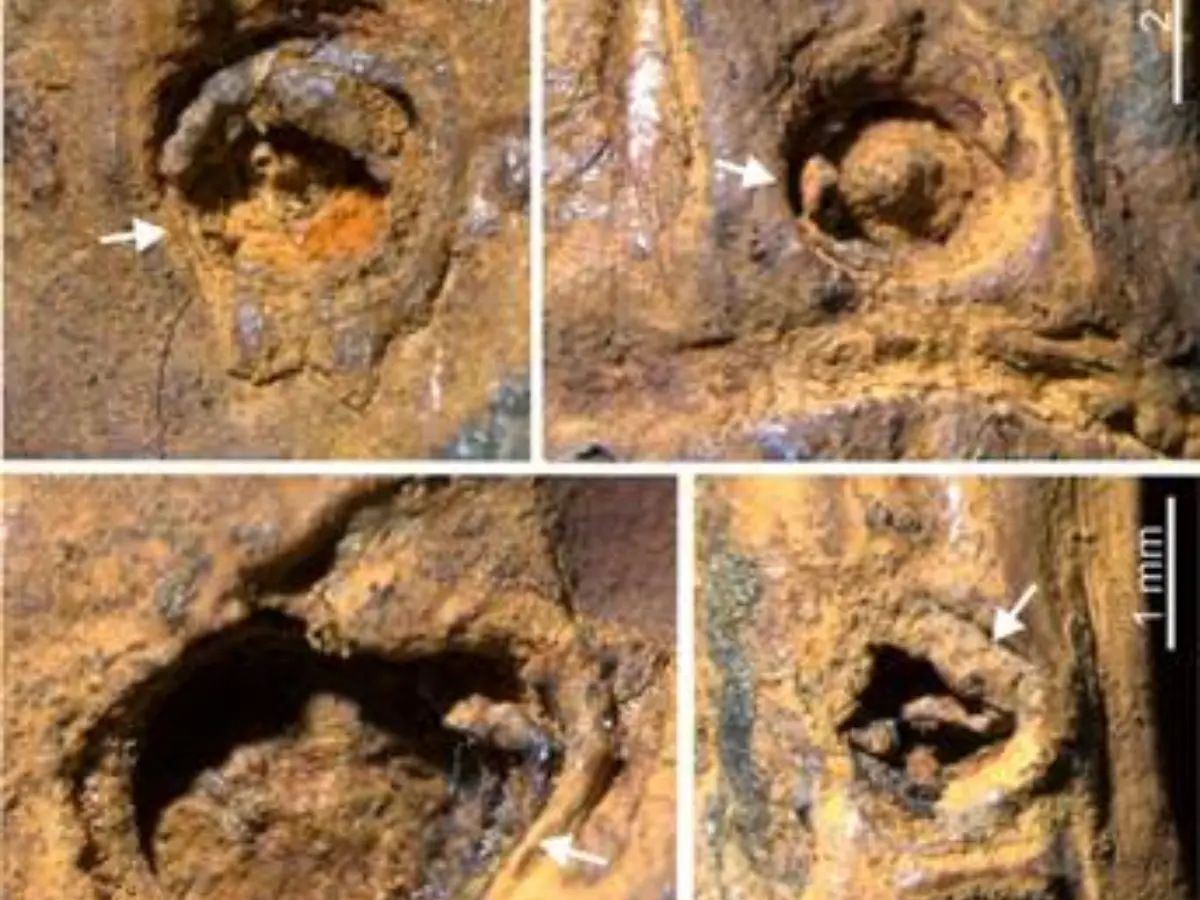
But when researchers from the institute stumbled upon this bamboo with scars all over it during a field survey, they knew that they had found something rare. The nature of the unusual markings wasn't clear initially. A detailed analysis was carried out to understand the bamboo species and what those marks could be. Scientists from the autonomous institute of the Department of Science and Technology (DST) found that the marks were left behind by thorns the bamboo once had. The stem was also assigned to the genus Chimonobambusa. Not only was there a bamboo stem fossil, but it was one with fossilised thorn marks.
They then compared the stem with living thorny bamboos such as Bambusa bambos and Chimonobambusa callosa to learn about how it defended itself and its place in the ecological chain. The thorns act as a way for bamboos to protect themselves against herbivores. This is the first fossil evidence that bamboos in Asia had already developed thorniness during the Ice Age. The discovery points to the fact that the warm and humid conditions of Northeast India were a haven for bamboo at a time when other regions were too cold, where bamboos perished.
The research was published in the journal Review of Palaeobotany and Palynology and carried out by Harshita Bhatia, Pushpa Kumari, NH Singh and Gaurav Srivastava.
Trending Stories
&imwidth=280&imheight=210&format=webp&quality=medium)
&imwidth=280&imheight=210&format=webp&quality=medium)
&imwidth=280&imheight=210&format=webp&quality=medium)
&imwidth=280&imheight=210&format=webp&quality=medium)
&imwidth=280&imheight=210&format=webp&quality=medium)
&imwidth=280&imheight=210&format=webp&quality=medium)
&imwidth=280&imheight=210&format=webp&quality=medium)
&imwidth=280&imheight=210&format=webp&quality=medium)
&imwidth=280&imheight=210&format=webp&quality=medium)
&imwidth=280&imheight=210&format=webp&quality=medium)
&imwidth=280&imheight=210&format=webp&quality=medium)
&imwidth=280&imheight=210&format=webp&quality=medium)
&imwidth=280&imheight=210&format=webp&quality=medium)
&imwidth=280&imheight=210&format=webp&quality=medium)
&imwidth=280&imheight=210&format=webp&quality=medium)
&imwidth=280&imheight=210&format=webp&quality=medium)
&imwidth=280&imheight=210&format=webp&quality=medium)
&imwidth=280&imheight=210&format=webp&quality=medium)
&imwidth=280&imheight=210&format=webp&quality=medium)
&imwidth=280&imheight=210&format=webp&quality=medium)
&im=FitAndFill=(700,400)&imwidth=280&imheight=210&format=webp&quality=medium)
&imwidth=280&imheight=210&format=webp&quality=medium)
&imwidth=280&imheight=210&format=webp&quality=medium)
&imwidth=280&imheight=210&format=webp&quality=medium)
&im=FitAndFill=(700,400)&imwidth=280&imheight=210&format=webp&quality=medium)
&imwidth=280&imheight=210&format=webp&quality=medium)
&imwidth=280&imheight=210&format=webp&quality=medium)
&im=FitAndFill=(700,400)&imwidth=280&imheight=210&format=webp&quality=medium)
&imwidth=280&imheight=210&format=webp&quality=medium)
&imwidth=280&imheight=210&format=webp&quality=medium)
&im=FitAndFill=(700,400)&imwidth=280&imheight=210&format=webp&quality=medium)
&imwidth=280&imheight=210&format=webp&quality=medium)
&imwidth=280&imheight=210&format=webp&quality=medium)
&imwidth=280&imheight=210&format=webp&quality=medium)
&imwidth=280&imheight=210&format=webp&quality=medium)
&imwidth=280&imheight=210&format=webp&quality=medium)

