
&imwidth=800&imheight=600&format=webp&quality=medium "How sudden rain after heat waves triggers vector-borne outbreaks")
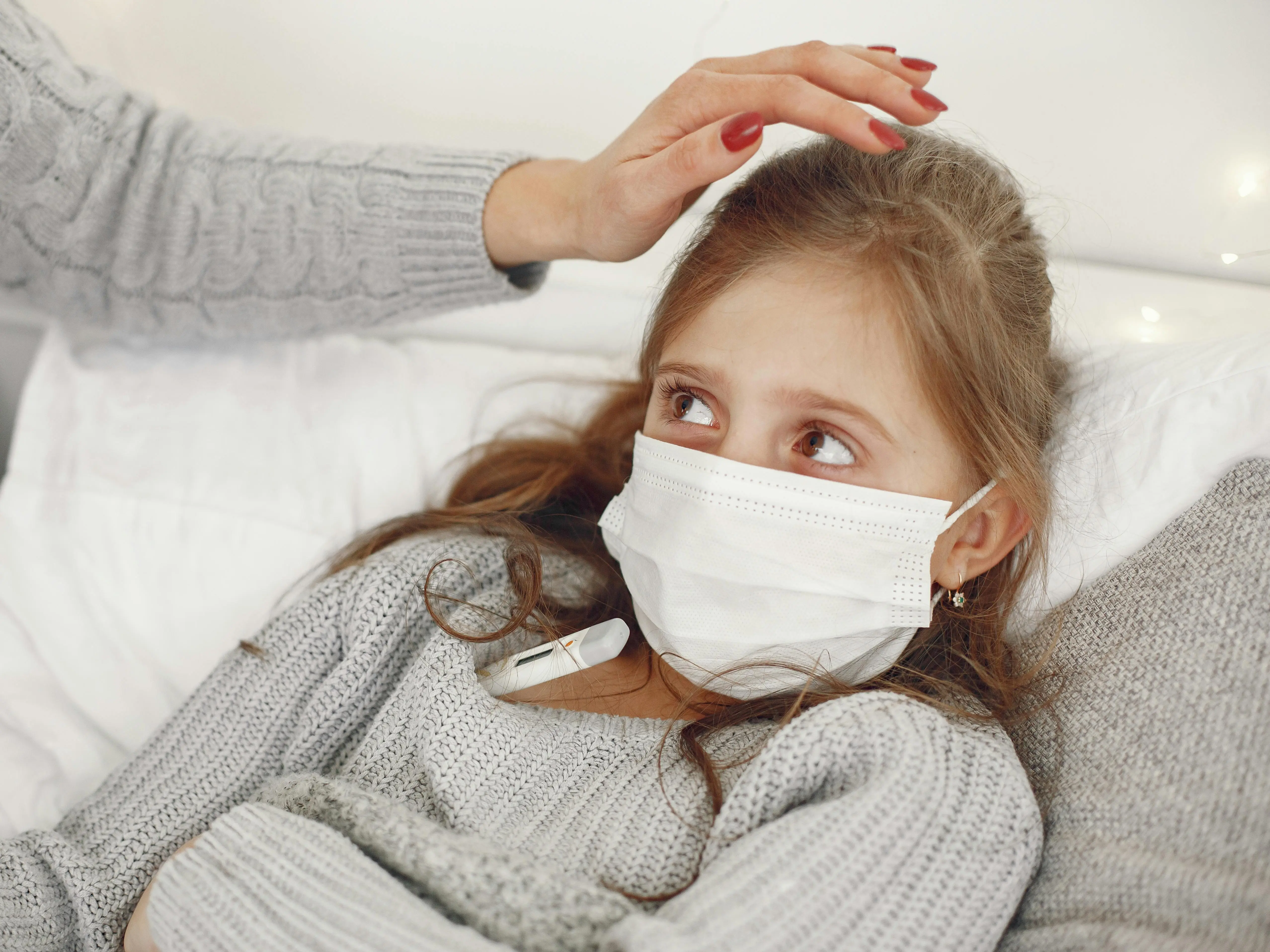
Medical experts suggest that periods of extreme heat followed by sudden rainfall can significantly increase the risk of vector-borne diseases such as dengue, malaria, chikungunya, Zika, and West Nile fever. This comes after an alteration in temperatures and weather patterns, giving a conducive environment for the incubation of several viruses as temperatures rise and fall.
Technically, Vector-borne diseases are caused by pathogens after getting transmitted from an infected animal to a human by a vector (a living organism, like a tick or mosquito). The diseases include dengue, Zika virus, malaria, Chikungunya and yellow fever. Based on the data, vector-borne diseases account for over 17 per cent of all infectious diseases, which cause more than 700,000 deaths annually in the world.
The sudden rainfall influences the pathogens, vectors and hosts responsible for vector-borne diseases, resulting in climate change-driven shifts in temperature and rainfall patterns that can significantly affect how these diseases spread.

The doctor claims temperature and rainfall are most critical factors
In response to the outbreaks, Dr Rajat Kant Jain, Senior Consultant, Internal Medicine and Physicians at Kailash Deepak Hospital, stated that temperature and rainfall are among the most critical environmental factors which influence the life cycle of disease-carrying mosquitoes and other vectors.
Trending Stories
&im=FitAndFill=(700,400))
How fast can the Sukhoi Su-30 fighter jet really fly?
)
South Korea plans for military deployment in Strait of Hormuz amid US pressure
)
Nigerian Navy discovers 99,000 litres of suspected stolen, illegally refined products as it intensifies anti-crude oil theft operations
)
Who is Aditi Paudel? 17-year-old becomes Japan's first literacy ambassador
&im=FitAndFill=(700,400))
Why US tanks can spin their heavy turrets much faster than Russian tanks
)
Man pushes Russian humanoid robot. Watch what happens next
)
US Open 2026: Auger-Aliassime out but Swiatek, Osaka, and Gauff advance into third round
)
Nobel laureate Machado says Venezuela’s ‘illegitimate’ regime has no right to strike US oil deal
)
The Verdict: Peace for Iran, pressure on Afghanistan: Pakistan’s contradictory diplomacy
)
Netherlands shifts 86 tonnes of gold reserve to UK citing geopolitical risks
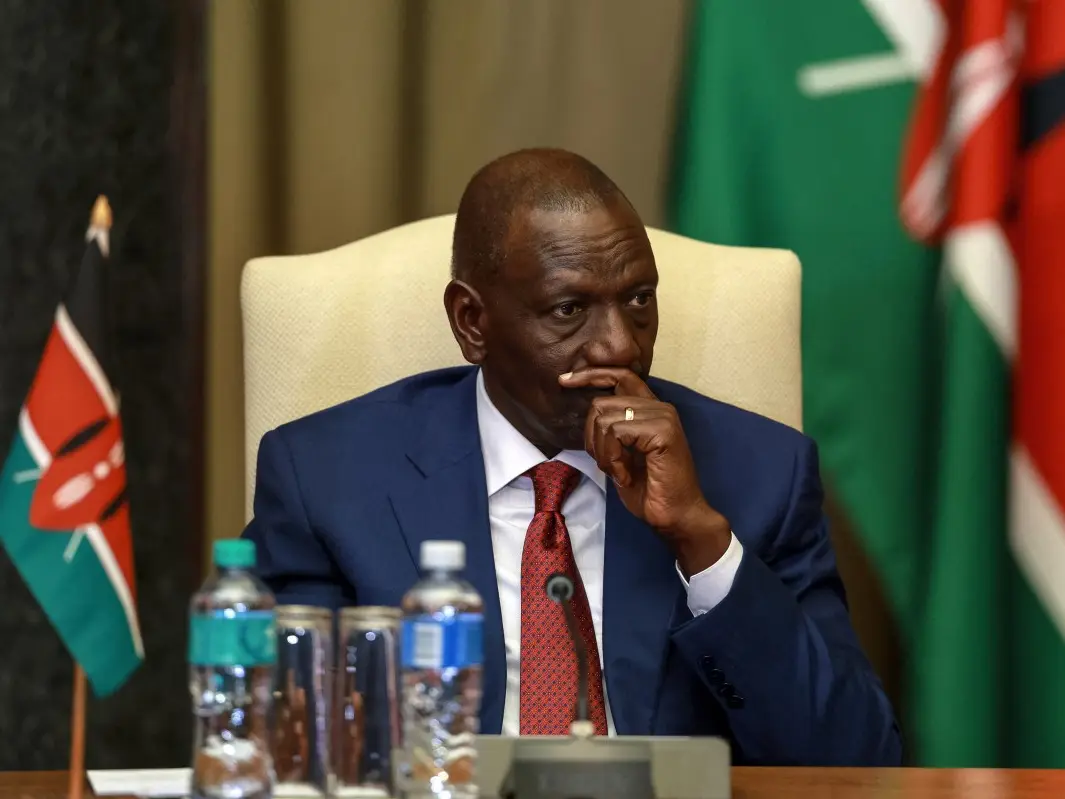)
Kenya vs Tata Chemicals: Why President William Ruto ordered company to stop operations
)
Breaking | Vance takes the podium: First White House briefing since Leavitt's exit
)
Indian agencies uncover hawala, shell firms and fake trade used to hide illicit money, FATF says
)
Inside Iran's shadow fleet: How Tehran dodges the US blockade at sea
)
Bangladesh batter Towhid Hridoy creates history with 350 not out in South Africa
&im=FitAndFill=(700,400))
Krishna Janmashtami 2026: From Dhaniya Panjiri to Makhana Kheer- 5 best sweet dishes perfect for celebrating Lord Krishna’s birth
)
ISRO stages comeback with GSLV-F17/EOS-05 success; targets six more launches
)
Lollapalooza India 2027: From Olivia Dean to KATSEYE, check full lineup, dates and tickets
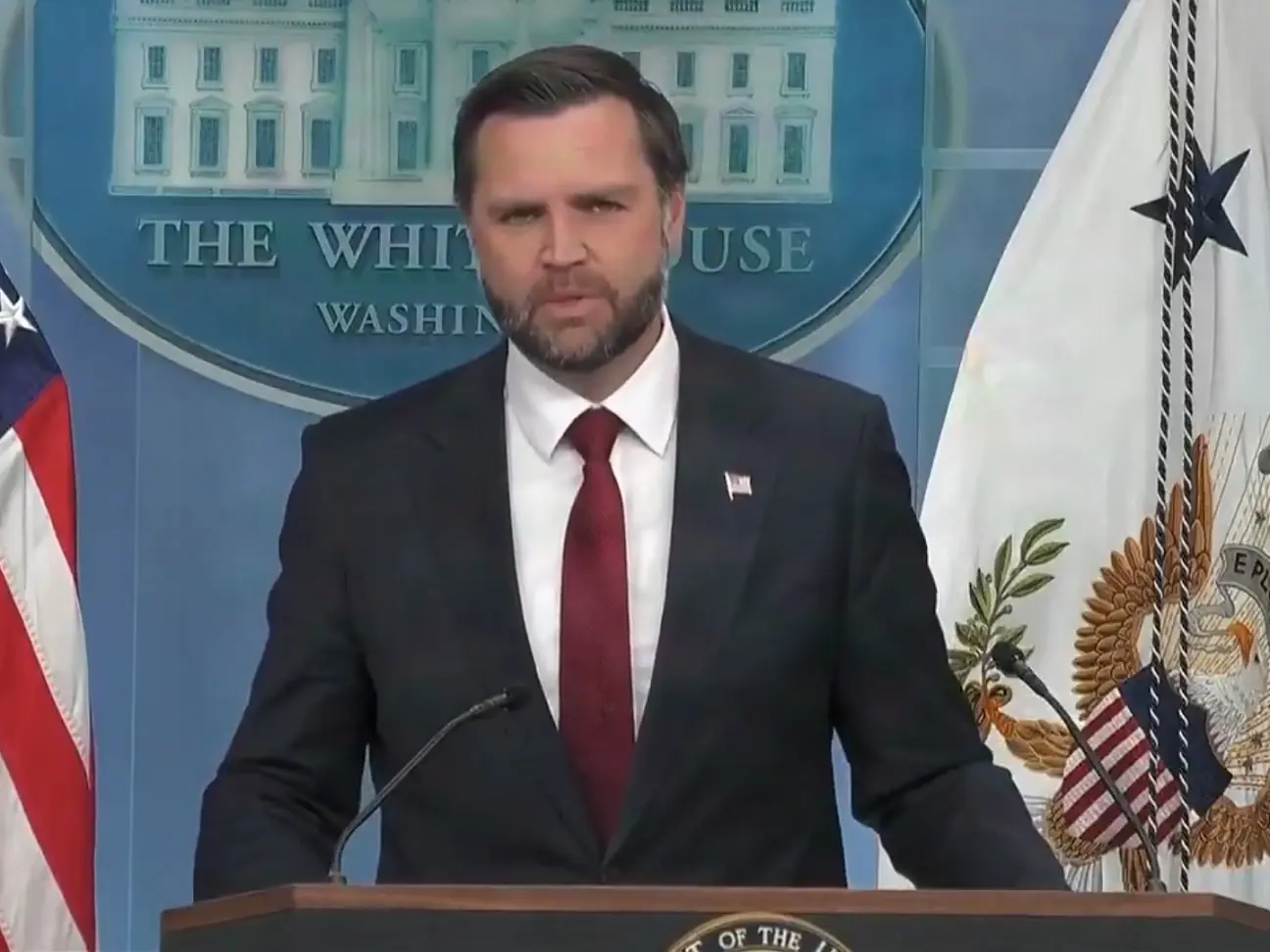)
‘I wouldn’t call it a war,’ says JD Vance on ongoing conflict with Iran
)
Iran's army conducts drone & missile attack on US bases
)
Happy Krishna Janmashtami 2026 wishes: 30+ messages, quotes, greetings, and WhatsApp status ideas to share
)
Husband uses secret camera to record wife’s affair, wins divorce case, ends up in jail for spying
)
Suvendu Adhikari threatens to cut school aid over refusal to sing full Vande Mataram
)
At least 2 killed in Minneapolis shooting, suspect also dead
&im=FitAndFill=(700,400))
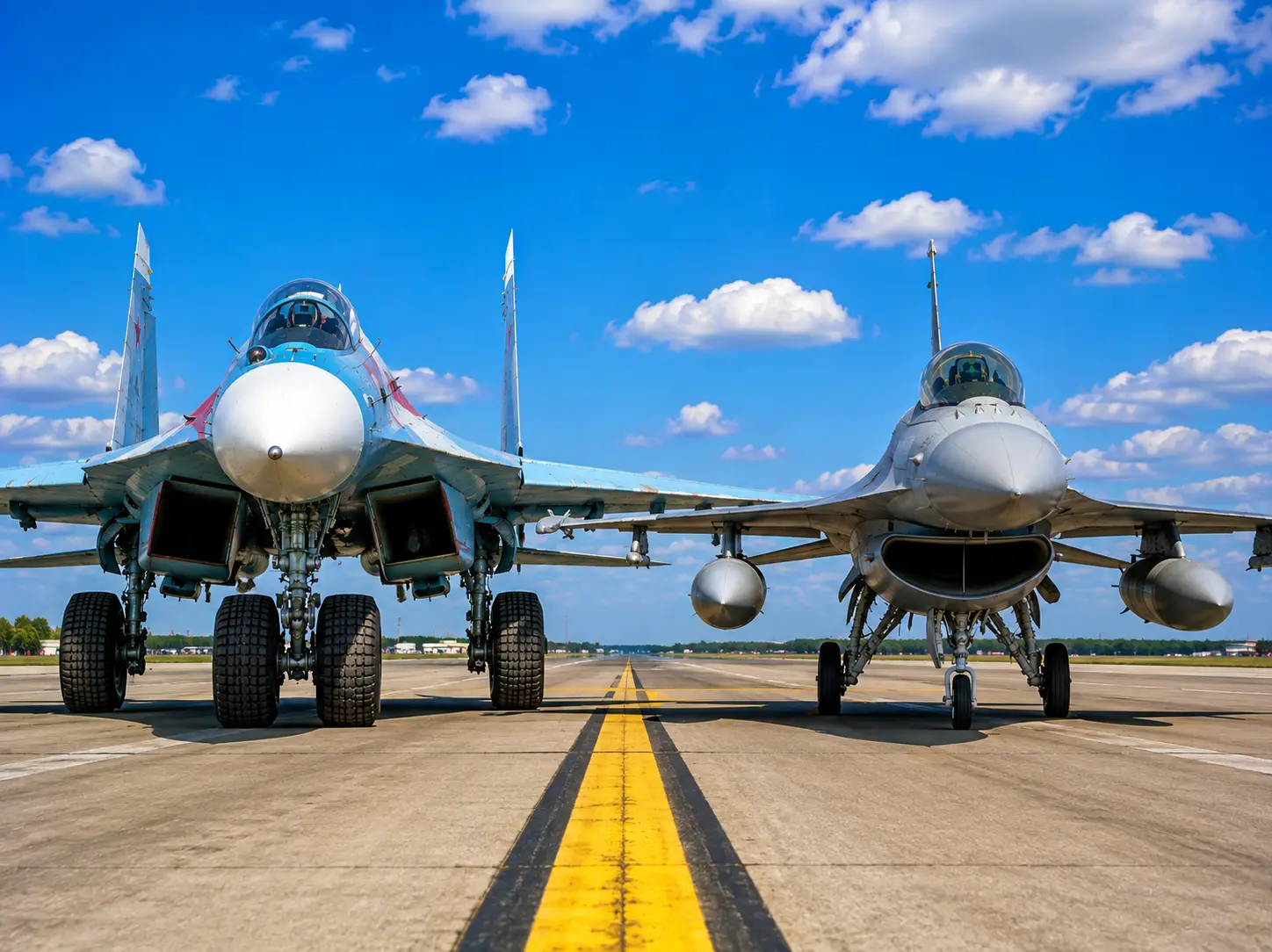
Why Russian fighter jets use bulky, low-pressure tyres compared to US jets
&im=FitAndFill=(700,400))
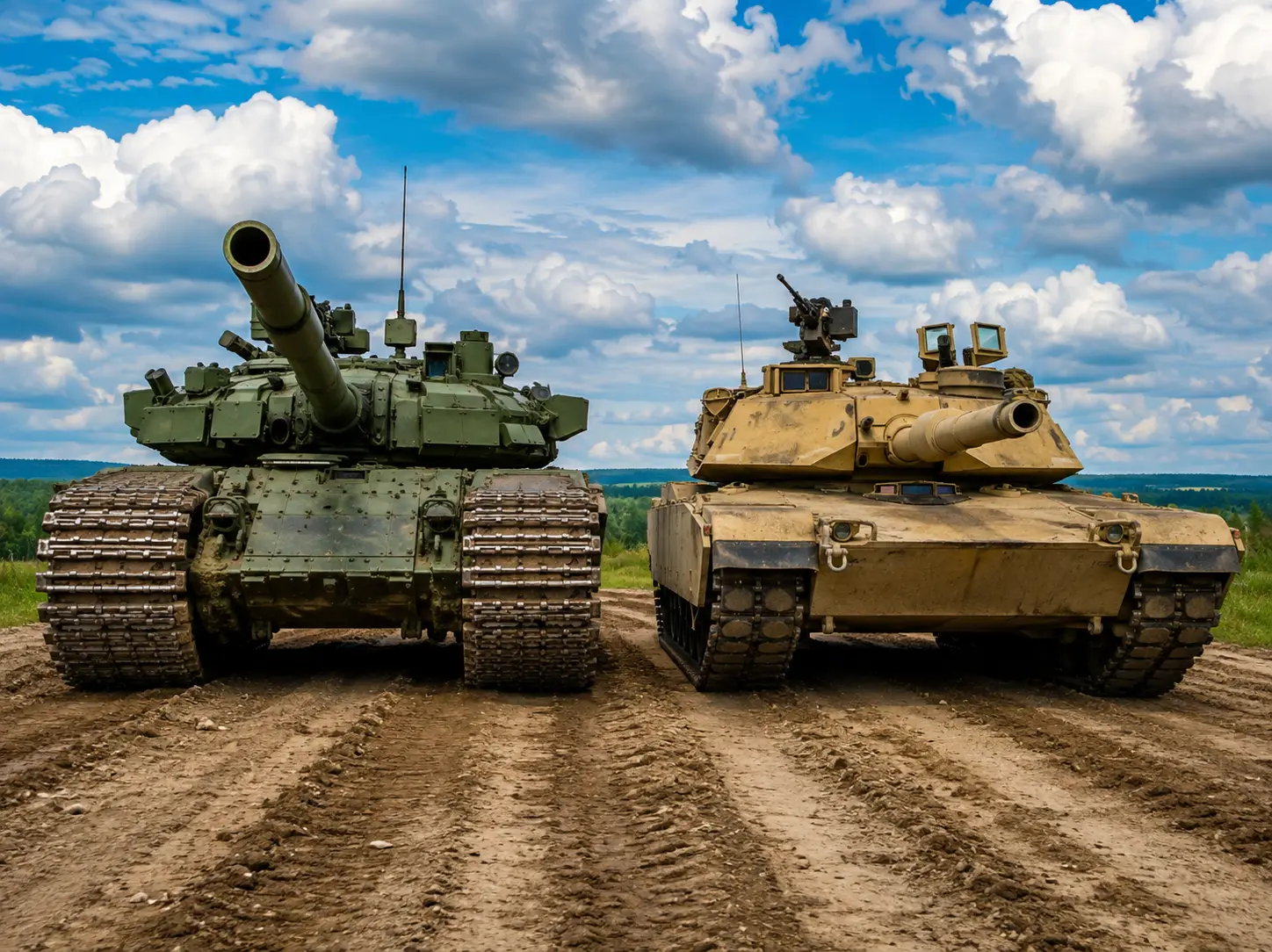
Why US tanks weigh over 20 tons more than Russian tanks
)
Major AI platforms ChatGPT, Claude, and Grok hit by simultaneous service disruptions
)
NATO troops gather in Arctic, Russia threatens nuclear retaliation
)
Manipur violence: 25 houses torched in Manipur’s Kangpokpi a day after 10 homes were burnt along Imphal-Tamenglong road
&im=FitAndFill=(700,400))
New Friday OTT releases (September 4, 2026): GDN, Dhamaal 4, Jagamae Sangeetham- Watch 6 new movies and TV shows on Netflix, Prime Video and more
)
Iran attacks US bases in Kuwait & UAE, supersecret missile project in focus | Gravitas
)
Influencer shows off what he claims is Apple's first foldable iPhone 18 Ultra
"During a heat wave, high temperatures accelerate mosquito development. Warmer conditions shorten the time required for mosquito eggs to mature into adults and can also speed up the replication of viruses and parasites inside the mosquito. As a result, mosquitoes become capable of transmitting infections more quickly," Dr Rajat Kant Jain said.
"When heavy rain arrives after prolonged heat, the risk increases further. Rainwater accumulates in puddles, drains, containers, discarded tyres, and other stagnant water sources, creating numerous breeding sites for mosquitoes. Dormant mosquito eggs that survive dry conditions can hatch rapidly when exposed to water. This often leads to an explosion in mosquito populations within days or weeks of rainfall," he added.
"The combination of heat and moisture is particularly favourable for species such as Aedes aegypti and Aedes albopictus, the primary vectors of dengue, chikungunya, and Zika. High temperatures increase mosquito activity and feeding frequency, while rainfall ensures a steady supply of breeding habitats. Together, these factors can significantly increase disease transmission," Dr Jain also said.
Noting about the climate researchers, Dr Jain also highlighted the broader impact of climate change on public health. He noted that extreme weather events, including heat waves, heavy rainfall, floods, and shifting precipitation patterns, are contributing to the spread of vector-borne diseases into new regions. Outbreaks are increasingly being connected to unusual weather events that generate favourable conditions for vectors to thrive.
Public health experts recommend preventive measures such as eliminating stagnant water around homes, improving drainage systems, using mosquito repellents, and strengthening disease surveillance after periods of heavy rain following extreme heat. In addition, Dr also stressed that early intervention is critical, as mosquito populations can increase rapidly, allowing outbreaks to develop before communities fully discover the risk.

