Basant Panchami 2026: Why are kites flown on Vasant Panchami? Learn how to celebrate it in different states

&imwidth=600&imheight=450&format=webp&quality=medium "Basant Panchami 2026: Why are kites flown on Vasant Panchami? Learn how to celebrate it in different states")
Representative image. Photograph: (Freepik)
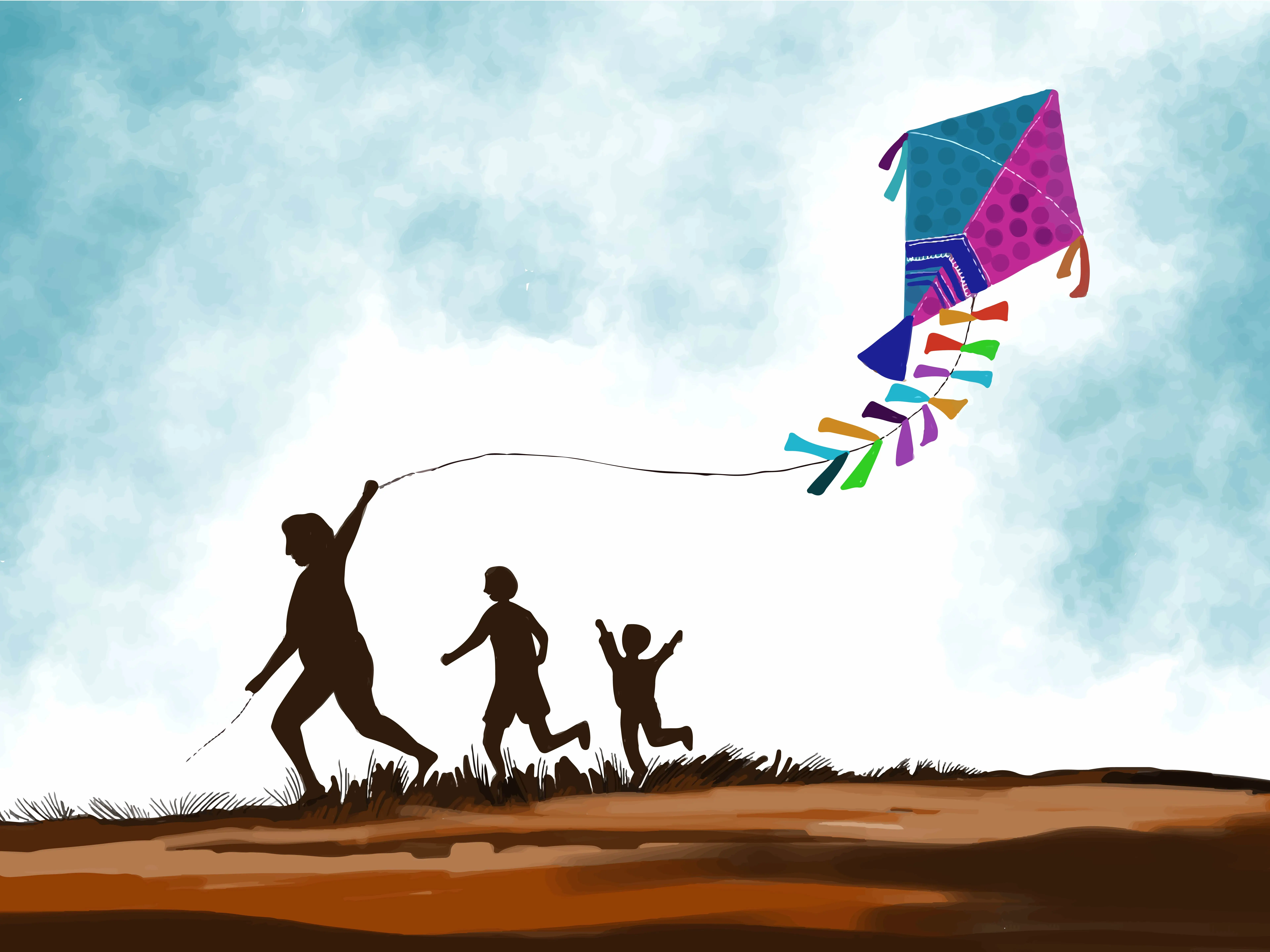
In North India, particularly in Delhi, Uttar Pradesh, Punjab, and Haryana, Basant Panchami is also synonymous with the lively tradition of kite flying. Skies come alive with kites of different shapes and bright colours, capturing the festive spirit and sense of freedom that spring represents.
India welcomes the cheerful arrival of spring with the vibrant celebration of Basant Panchami on January 23, 2026. This auspicious day is dedicated to the worship of Goddess Saraswati, the symbol of knowledge, music, and all arts. Across the country, schools and colleges observe the occasion with prayers and hymns, seeking divine blessings for learning, wisdom and creativity.
In North India, particularly in Delhi, Uttar Pradesh, Punjab, and Haryana, Basant Panchami is also synonymous with the lively tradition of kite flying. Skies come alive with kites of different shapes and bright colours, capturing the festive spirit and sense of freedom that spring represents.
Why are kites flown on Basant Panchami?
Among India’s six seasons, spring holds a special place, with Basant Panchami marking its peak. This is the time when nature sheds the chill of winter, fields turn lush with shades of green and yellow, and an atmosphere of joy fills the air. Over centuries, these signs of renewal and happiness have become closely linked with the age-old custom of flying kites.
Kites are more than just a visual delight. They represent hope, ambition and dreams. As they soar into the sky, they are believed to carry people’s wishes upward, while their struggle against the wind mirrors life’s challenges. Keeping a kite aloft reflects perseverance, balance and determination.
Though rooted in ancient traditions, today kite flying has become a popular pastime enjoyed by people of all ages, particularly in North India. Families and friends come together on rooftops and open grounds to fly kites and share laughter as well as excitement, making Basant Panchami a true celebration of togetherness and joy.
Trending Stories
&imwidth=280&imheight=210&format=webp&quality=medium)
&imwidth=280&imheight=210&format=webp&quality=medium)
&imwidth=280&imheight=210&format=webp&quality=medium)
&imwidth=280&imheight=210&format=webp&quality=medium)
&imwidth=280&imheight=210&format=webp&quality=medium)
&imwidth=280&imheight=210&format=webp&quality=medium)
&imwidth=280&imheight=210&format=webp&quality=medium)
&imwidth=280&imheight=210&format=webp&quality=medium)
&imwidth=280&imheight=210&format=webp&quality=medium)
&imwidth=280&imheight=210&format=webp&quality=medium)
&imwidth=280&imheight=210&format=webp&quality=medium)
&imwidth=280&imheight=210&format=webp&quality=medium)
&imwidth=280&imheight=210&format=webp&quality=medium)
&imwidth=280&imheight=210&format=webp&quality=medium)
&imwidth=280&imheight=210&format=webp&quality=medium)
&imwidth=280&imheight=210&format=webp&quality=medium)
&imwidth=280&imheight=210&format=webp&quality=medium)
&imwidth=280&imheight=210&format=webp&quality=medium)
&imwidth=280&imheight=210&format=webp&quality=medium)
&imwidth=280&imheight=210&format=webp&quality=medium)
&imwidth=280&imheight=210&format=webp&quality=medium)
&imwidth=280&imheight=210&format=webp&quality=medium)
&imwidth=280&imheight=210&format=webp&quality=medium)
&imwidth=280&imheight=210&format=webp&quality=medium)
&imwidth=280&imheight=210&format=webp&quality=medium)
&imwidth=280&imheight=210&format=webp&quality=medium)
&imwidth=280&imheight=210&format=webp&quality=medium)
&imwidth=280&imheight=210&format=webp&quality=medium)
&imwidth=280&imheight=210&format=webp&quality=medium)
&im=FitAndFill=(700,400)&imwidth=280&imheight=210&format=webp&quality=medium)
&imwidth=280&imheight=210&format=webp&quality=medium)
&imwidth=280&imheight=210&format=webp&quality=medium)
&imwidth=280&imheight=210&format=webp&quality=medium)
&imwidth=280&imheight=210&format=webp&quality=medium)
How is Basant Panchami celebrated in different states?
- West Bengal & Bihar: Known as Saraswati Puja, this is a major festival. Educational institutions, homes, and public pandals install Saraswati idols, performing elaborate rituals. Children often start their education (AksharAbhyasam) on this day. In Bihar, the Deo Sun Temple is specifically celebrated for its founding.
- Punjab & Haryana: Celebrated as a harvest festival, the sky is filled with kites (often yellow). People wear yellow, eat yellow rice, and enjoy festive, Lohri-style feasts.
- Maharashtra: Newly married couples perform special rituals and prayers to Lord Shiva and Goddess Parvati, wearing yellow garments to celebrate their first Basant.
- Rajasthan: It is customary to wear jasmine garlands and offer yellow flowers to the deity.
- Uttarakhand: Along with Saraswati, people worship Shiva and Parvati, often arranging feasts and traditional dance forms like Jhumelia and Chounphula.
- South India: Known as Sri Panchami, it is marked by temples, prayers, school rituals, and the worship of books and instruments.

