Banks cannot completely block, disable phones for unpaid loans, clarifies RBI

&imwidth=600&imheight=450&format=webp&quality=medium "Banks cannot completely block, disable phones for unpaid loans, clarifies RBI")
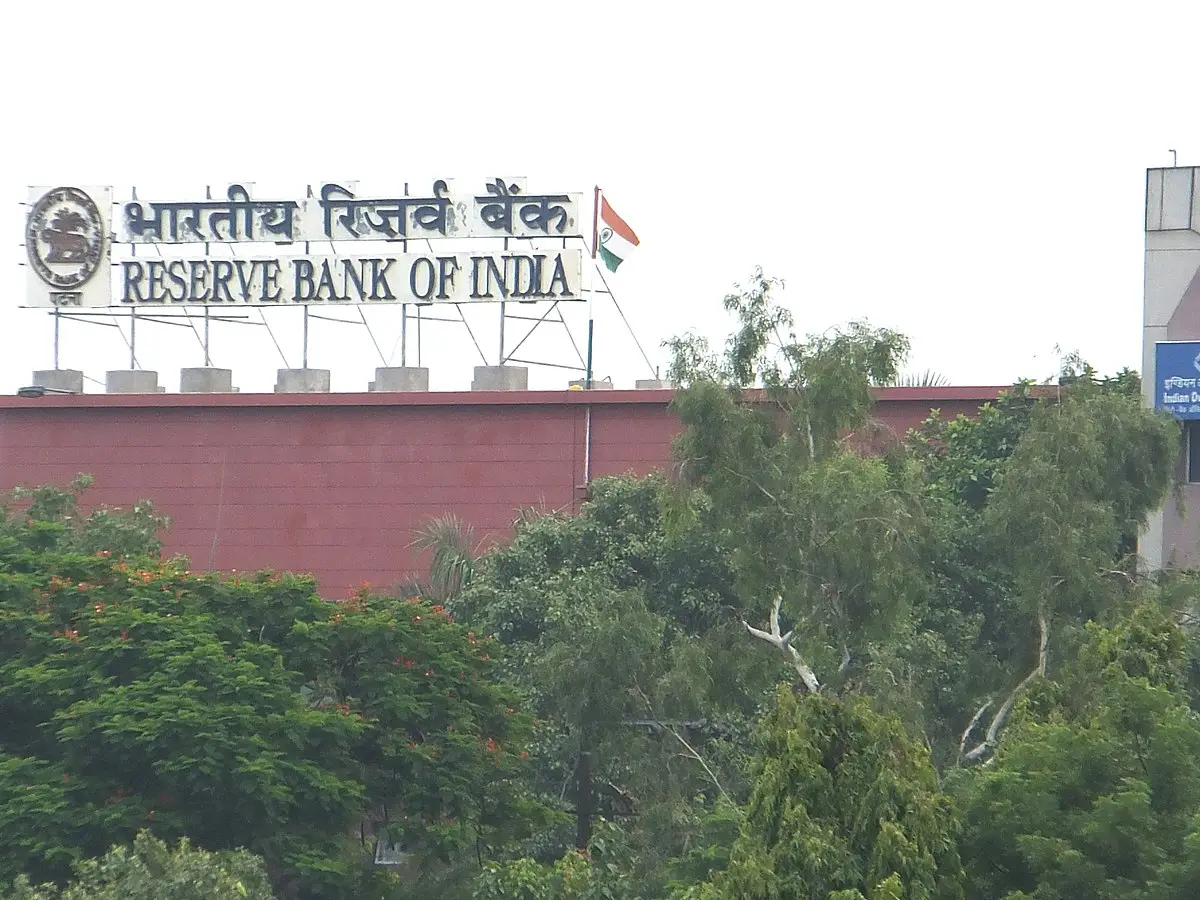
Representative image. Photograph: (Wikimedia Commons)
Under its draft amendment guidelines, the regulator of the banking sector stated that banks are permitted to take certain steps to restrict certain functionalities of mobile phones if the loan dues are not paid.
The Reserve Bank of India on Wednesday (May 20) said lenders are prohibited from completely blocking or disabling mobile phones due to non-payment of loans taken to buy the device. Under its draft amendment guidelines, the regulator of the banking sector stated that banks are permitted to take certain steps to restrict certain functionalities of mobile phones if the loan dues are not paid. However, completely disabling or blocking the phone is prohibited.
The regulator noted that the rules are applicable only to loans specifically used for mobile phone purchases and not to any other form of borrowing.
A 2024 study by Home Credit Finance indicated that buying a phone on loan has become a trend, with more than 1.16 billion mobile connections in India, as per the telecom regulator. Currently, Phones have become essential tools for people in terms of communication, work, and education across the country.
Also read: Gold loans jump over 50% YoY, emerge as India’s fastest-growing retail credit segment: CRIF
RBI barred from accessing personal data
Earlier in 2024, the Reserve Bank of India had directed lenders to stop locking the phones of borrowers who defaulted on repayments. The practice involved installing an application at the time of loan disbursal that could remotely lock the device in case of non-payment. According to sources, the updated guidelines will require lenders to secure prior consent from borrowers before enabling any phone-locking mechanism. They will also be barred from accessing personal data stored on the device.
Trending Stories
)
)
)
)
)
)
)
)
)
)
)
)
)
)
)
)
)
)
)
)
)
)
)
)
)
)
)
)
)
)
)
)
)
)
&im=FitAndFill=(700,400))
)
)
)
)
Data from CRIF High Mark showed that loans below Rs 1 lakh carry a higher risk of default. Non-banking lenders account for nearly 85 per cent of consumer durable financing in India, while personal loans now make up almost one-third of the banking system’s total non-food credit, with loans for electronic devices witnessing rapid growth.

