AI decodes Napoleon-era secret letter unsolved for more than 200 years. What was hidden in the ciphers?

&imwidth=600&imheight=450&format=webp&quality=medium "AI decodes Napoleon-era secret letter unsolved for more than 200 years. What was hidden in the ciphers?")
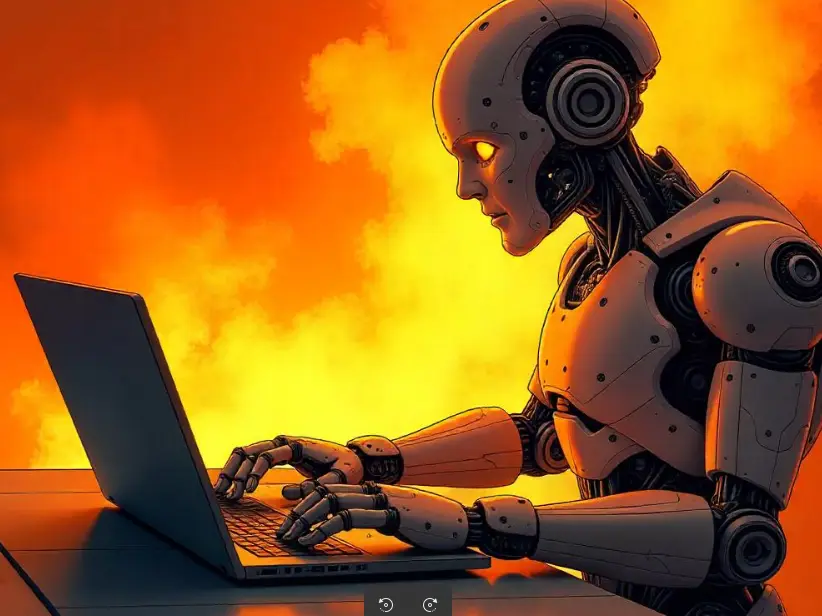
AI helps solve centuries-old historical mystey Photograph: (AI generated image)
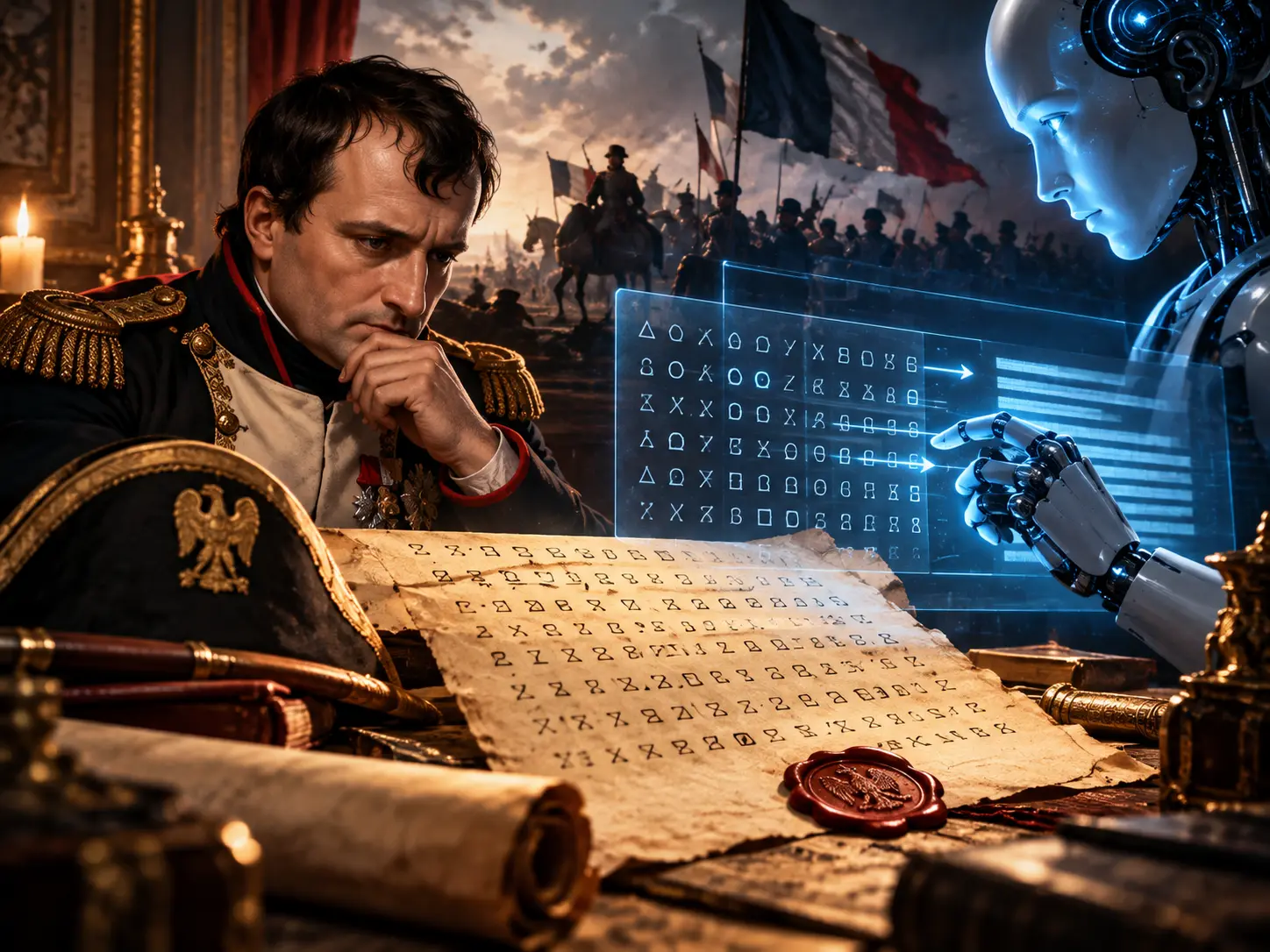
AI has helped crack a coded letter from Napoleon’s 1809 military campaign in just six hours, after more than 200 years without a solution. What was hidden in the historical pages? Scroll down to find out.
A coded letter commissioned by Napoleon Bonaparte in 1809 and left unsolved for more than two centuries has been deciphered in just six hours using artificial intelligence. This groundbreaking feat highlights how the emerging technology is changing the study of history. Carter Church, a 27-year-old AI engineer at US cybersecurity firm SentinelOne, used OpenAI’s latest model, GPT-6 Astra, to decode the wartime message, which, as it turns out, contains details about the positions of French and allied troops. The letter, made up of symbols, numbers and letters spread across two dozen lines, had for decades remained overlooked in an online academic archive.
Weeks' work done in hours
Church said the task would have taken weeks using conventional methods. He spent several evenings working on the cipher before consulting Japanese patent engineer Satoshi Tomokiyo, who maintains an online catalogue of unsolved codes, to verify the solution.
“What AI mostly brings is persistence,” Church told AFP, describing an “unbelievable sense of satisfaction and excitement” when he saw the result.
AI changes the game for amateur code-breakers
Trending Stories
&imwidth=280&imheight=210&format=webp&quality=medium)
&imwidth=280&imheight=210&format=webp&quality=medium)
&imwidth=280&imheight=210&format=webp&quality=medium)
&imwidth=280&imheight=210&format=webp&quality=medium)
&imwidth=280&imheight=210&format=webp&quality=medium)
&imwidth=280&imheight=210&format=webp&quality=medium)
&imwidth=280&imheight=210&format=webp&quality=medium)
&imwidth=280&imheight=210&format=webp&quality=medium)
&imwidth=280&imheight=210&format=webp&quality=medium)
&imwidth=280&imheight=210&format=webp&quality=medium)
&imwidth=280&imheight=210&format=webp&quality=medium)
&imwidth=280&imheight=210&format=webp&quality=medium)
&imwidth=280&imheight=210&format=webp&quality=medium)
&imwidth=280&imheight=210&format=webp&quality=medium)
&imwidth=280&imheight=210&format=webp&quality=medium)
&imwidth=280&imheight=210&format=webp&quality=medium)
&imwidth=280&imheight=210&format=webp&quality=medium)
&imwidth=280&imheight=210&format=webp&quality=medium)
&imwidth=280&imheight=210&format=webp&quality=medium)
&imwidth=280&imheight=210&format=webp&quality=medium)
&imwidth=280&imheight=210&format=webp&quality=medium)
&imwidth=280&imheight=210&format=webp&quality=medium)
&imwidth=280&imheight=210&format=webp&quality=medium)
&imwidth=280&imheight=210&format=webp&quality=medium)
&imwidth=280&imheight=210&format=webp&quality=medium)
&imwidth=280&imheight=210&format=webp&quality=medium)
&imwidth=280&imheight=210&format=webp&quality=medium)
&imwidth=280&imheight=210&format=webp&quality=medium)
&imwidth=280&imheight=210&format=webp&quality=medium)
&im=FitAndFill=(700,400)&imwidth=280&imheight=210&format=webp&quality=medium)
&imwidth=280&imheight=210&format=webp&quality=medium)
&imwidth=280&imheight=210&format=webp&quality=medium)
&imwidth=280&imheight=210&format=webp&quality=medium)
&imwidth=280&imheight=210&format=webp&quality=medium)
The discovery is part of a wider shift in historical cryptography, as publicly available AI systems help people without specialist training tackle problems that once demanded extensive research and painstaking manual work.
Tomokiyo, whose website Cryptiana is a resource for amateur cryptographers, described 2026 as a potential turning point for historical code-breaking. He said that since mid-September, AI had been used to solve most of the ciphers listed on his website.
While researchers have been developing AI systems for cryptanalysis for some time, the public availability of advanced general-purpose models has accelerated the process. Church used OpenAI’s GPT-6 Astra, but others have previously used models developed by rival AI company Anthropic.
'Mixed feelings'
The rapid progress has also brought mixed feelings among enthusiasts who have spent years pursuing difficult codes. Tomokiyo said he was pleased to see long-standing puzzles solved, while questioning the ease with which AI appeared to have overcome some of them. "I'm excited long-time problems are now solved, but on the other hand, I have mixed feelings, because AI seems to have solved these difficult problems so easily," he said.
He acknowledged that AI has taken away the satisfaction of being the first to crack a cipher and said: “I feel useless.” Some ciphers may remain unsolved for years, he added, particularly when there is little relevant data available to help AI identify patterns.

