3I/ATLAS did the unthinkable near Sun, with a mysterious move - 'A sign of tech...'

&imwidth=600&imheight=450&format=webp&quality=medium "3I/ATLAS did the unthinkable near Sun, with a mysterious move - 'A sign of tech...'")
3I/ATLAS made an unexpected move at perihelion. Photograph: (NASA)
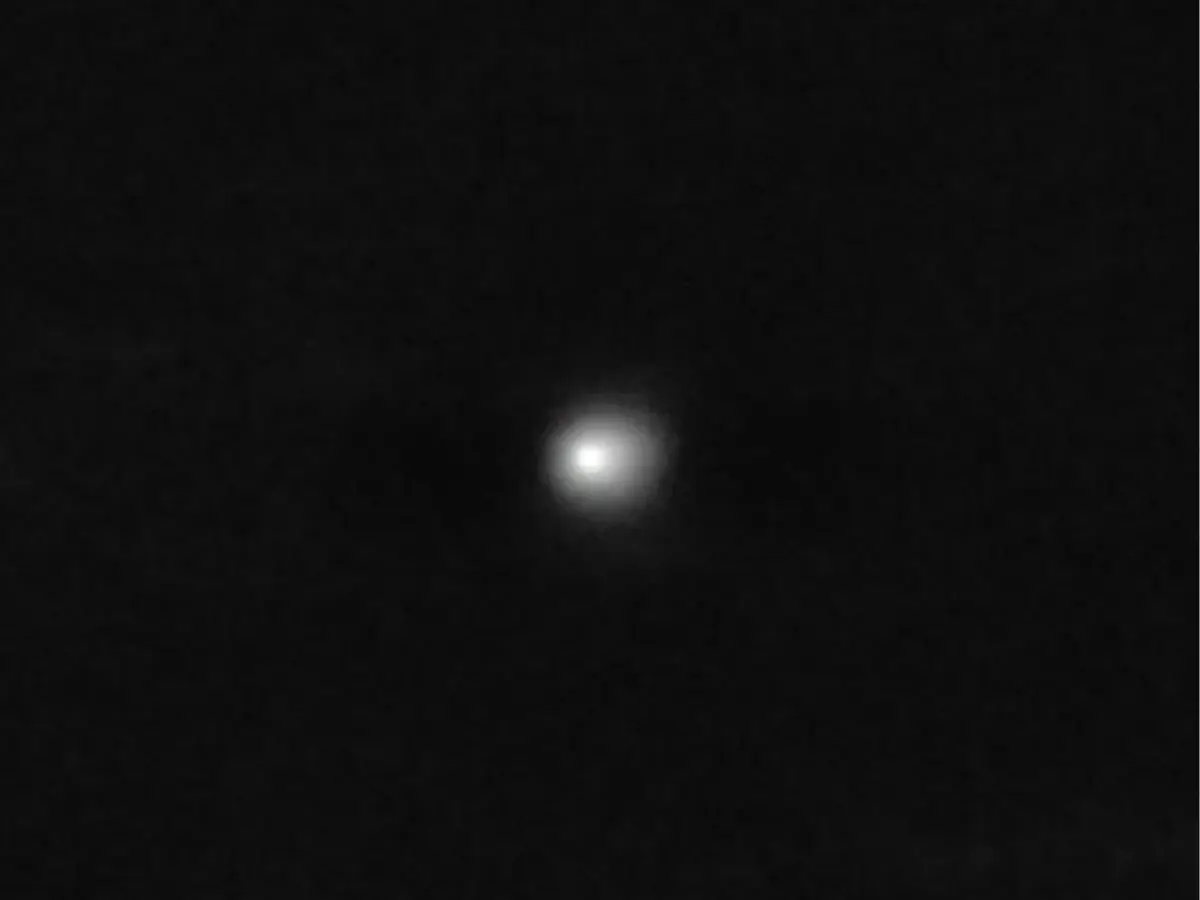
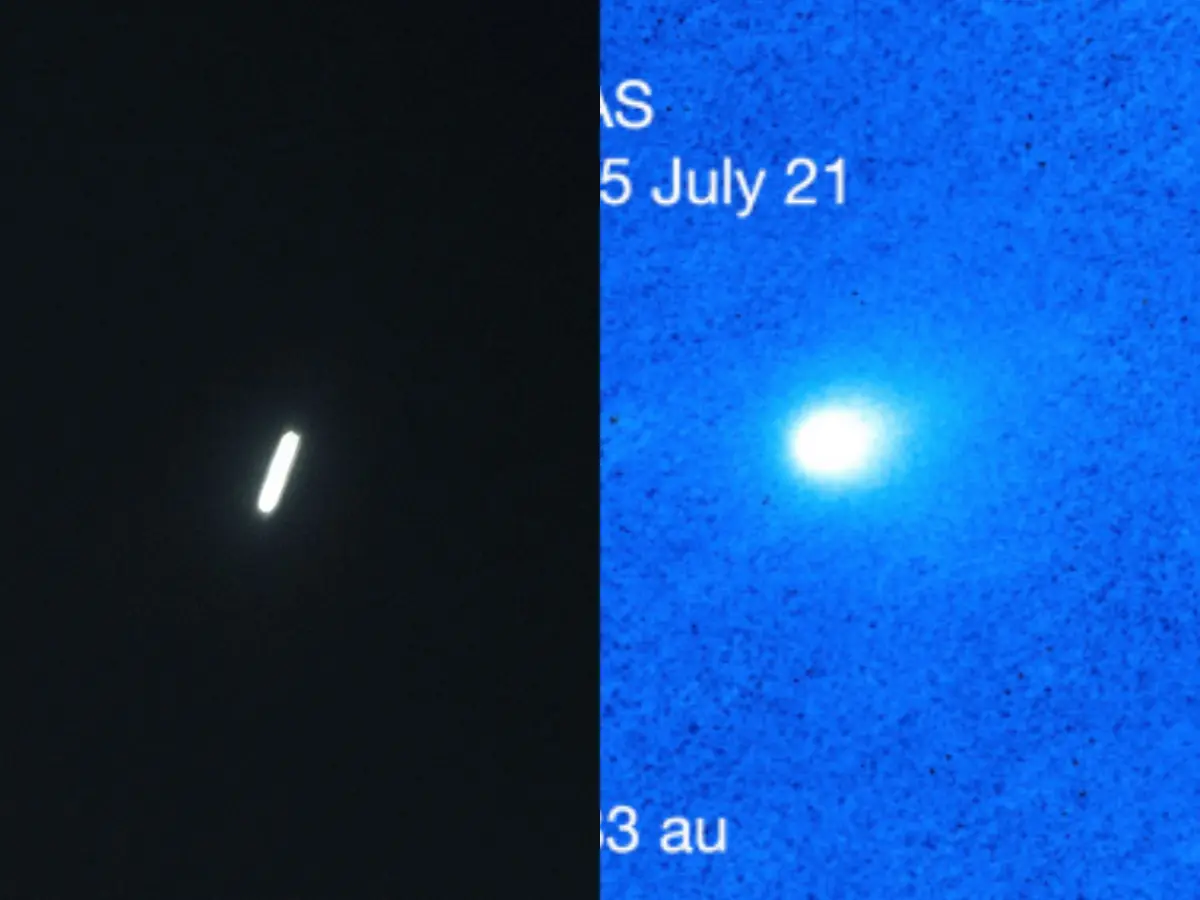
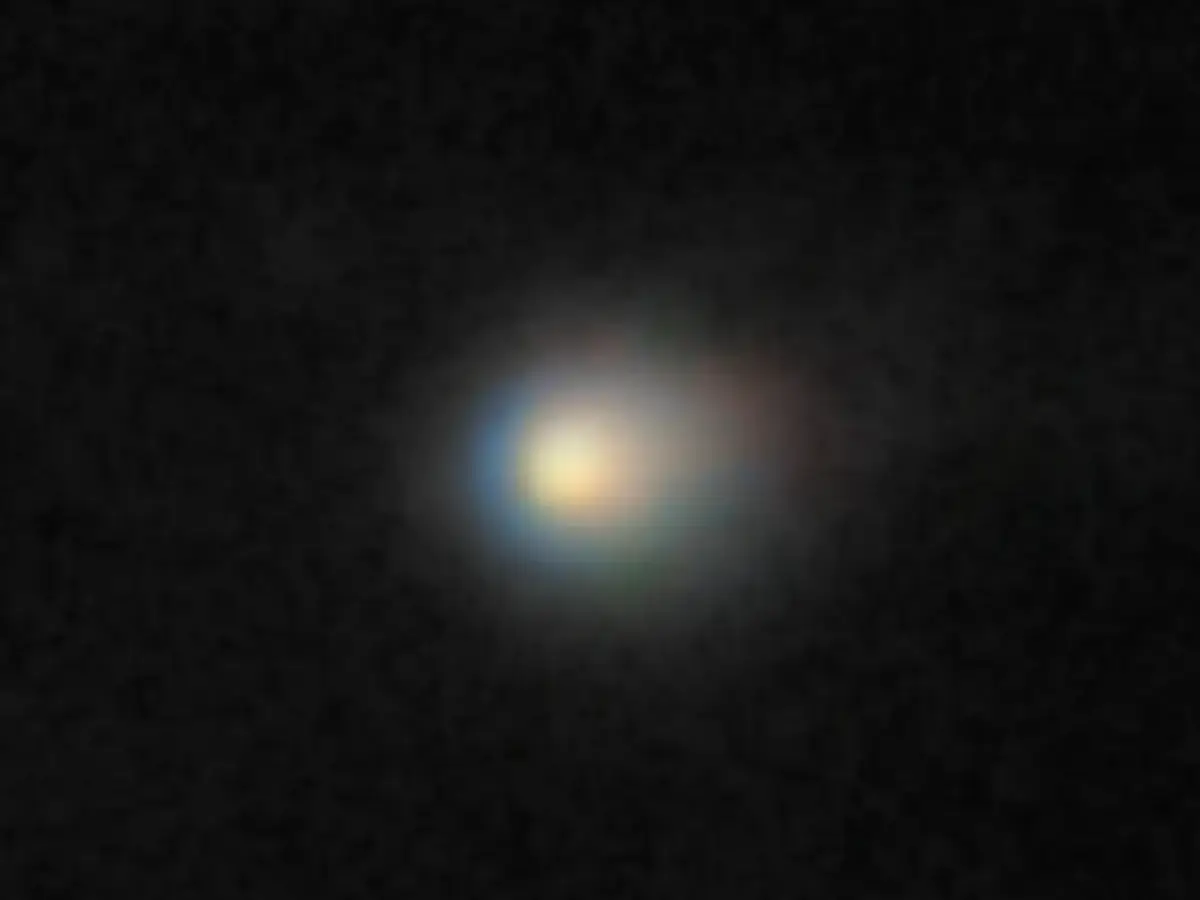
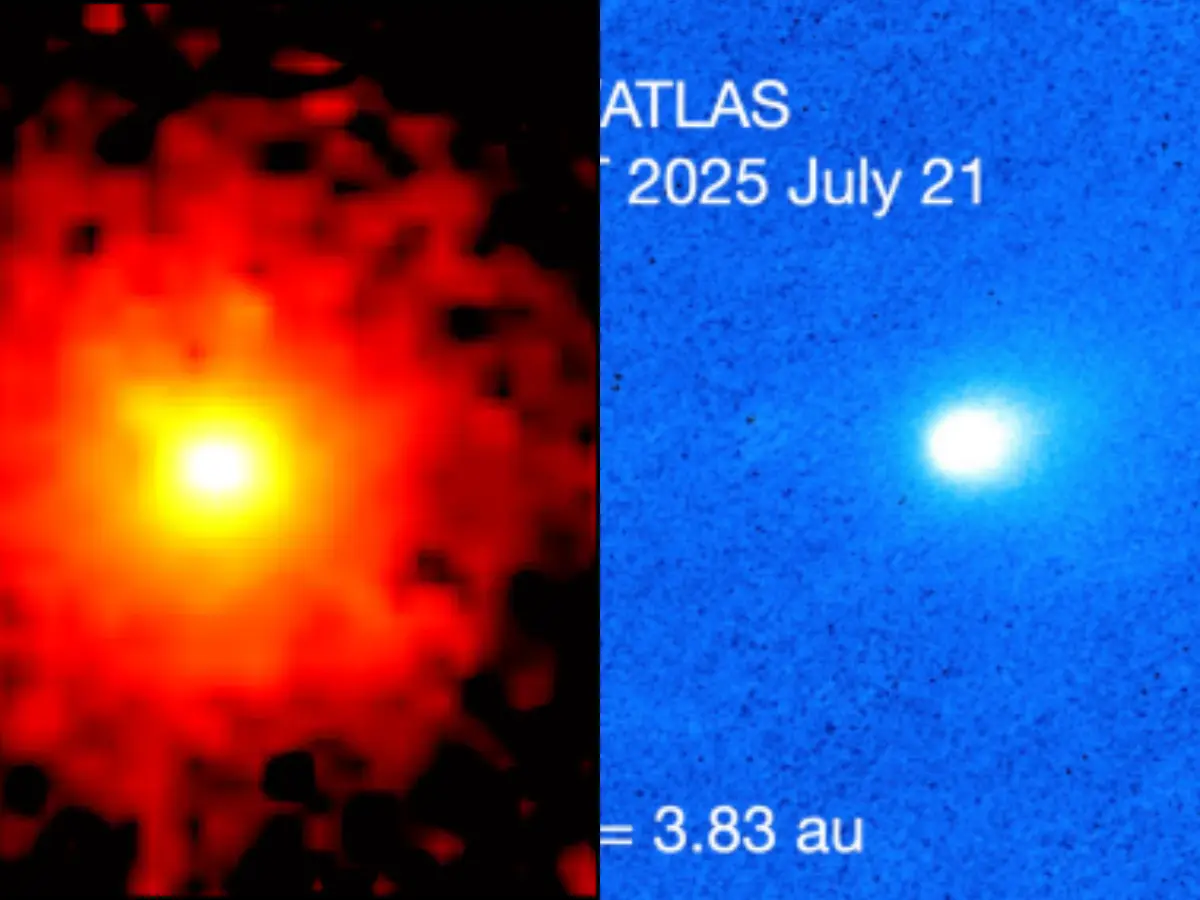
Interstellar comet 3I/ATLAS made a move that could be a clue about what is driving this mysterious cosmic body. It also became blue and extremely bright right before it reached perihelion. A scientist says the non-gravitational acceleration could mean that an internal engine is driving 3I/ATLAS.
Interstellar comet 3I/ATLAS made a non-gravitational manoeuvre as it went behind the Sun, according to a NASA engineer. Harvard scientists Avi Loeb stated in his blog that Davide Farnoccia, a navigation engineer at NASA’s Jet Propulsion Laboratory in Pasadena, filed the first evidence of the object making mysterious moves. The data states that 3I/ATLAS made a radial acceleration away from the Sun by 135 kilometres per day squared. There was also a transverse acceleration relative to the Sun’s direction of 60 kilometres per day squared, Loeb wrote. This is a jolting revelation since comets do not suddenly move away in this fashion. This non-gravitational acceleration was measured at the perihelion distance of 1.36 times the Earth-Sun separation.
3I/ATLAS has changed colour
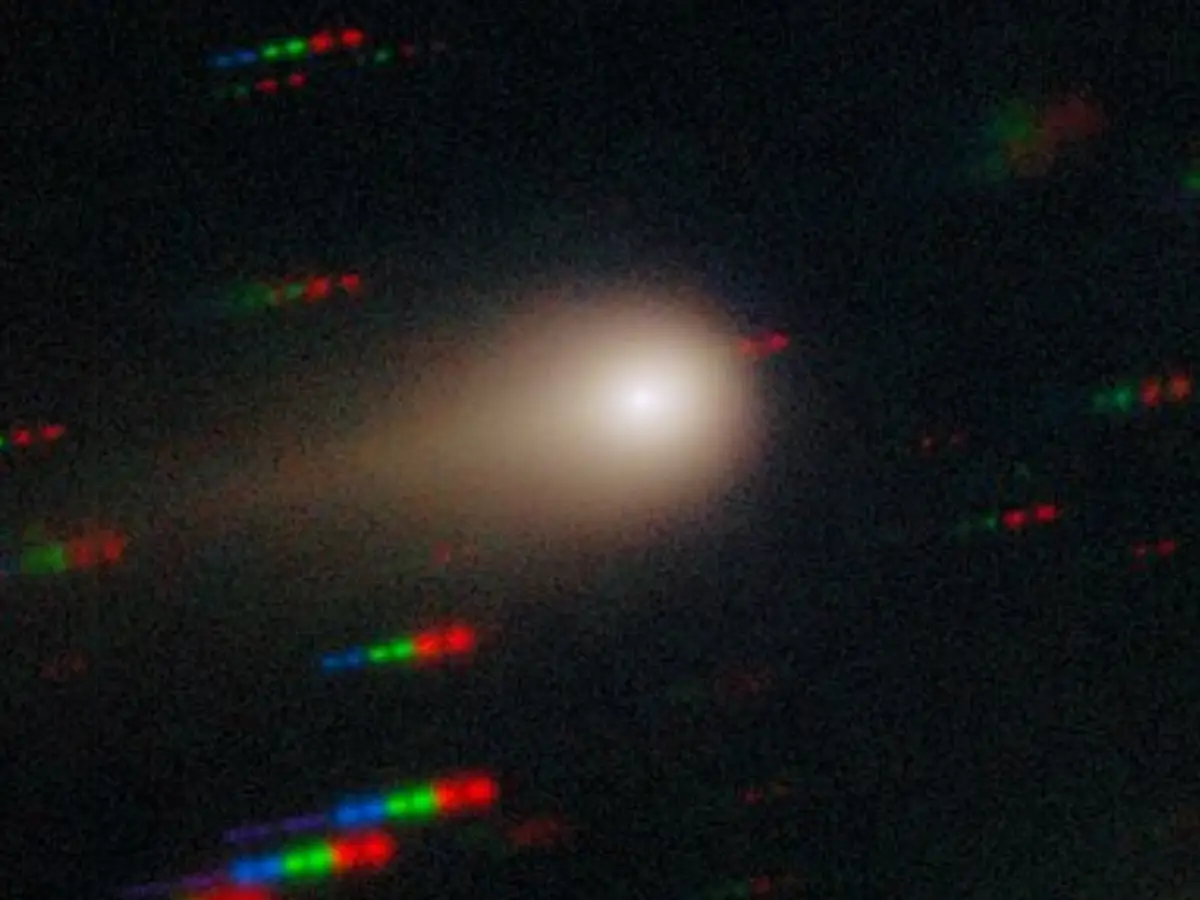
The non-gravitational acceleration was not the only thing that was observed as 3I/ATLAS hid in the Sun's glare. The comet also changed colour. It turned a bright blue instead of the usual red. Loeb claims that the non-gravitational acceleration and the change in its colour are related. "The non-gravitational acceleration might be the technological signature of an internal engine," he wrote. "This might also explain the report on 3I/ATLAS getting bluer than the Sun This might also explain the report on 3I/ATLAS getting bluer than the Sun." Ideally, the dust around a comet should turn the scattered sunlight red. Loeb has called this the ninth anomaly that the interstellar object has displayed.
3I/ATLAS also became extremely bright
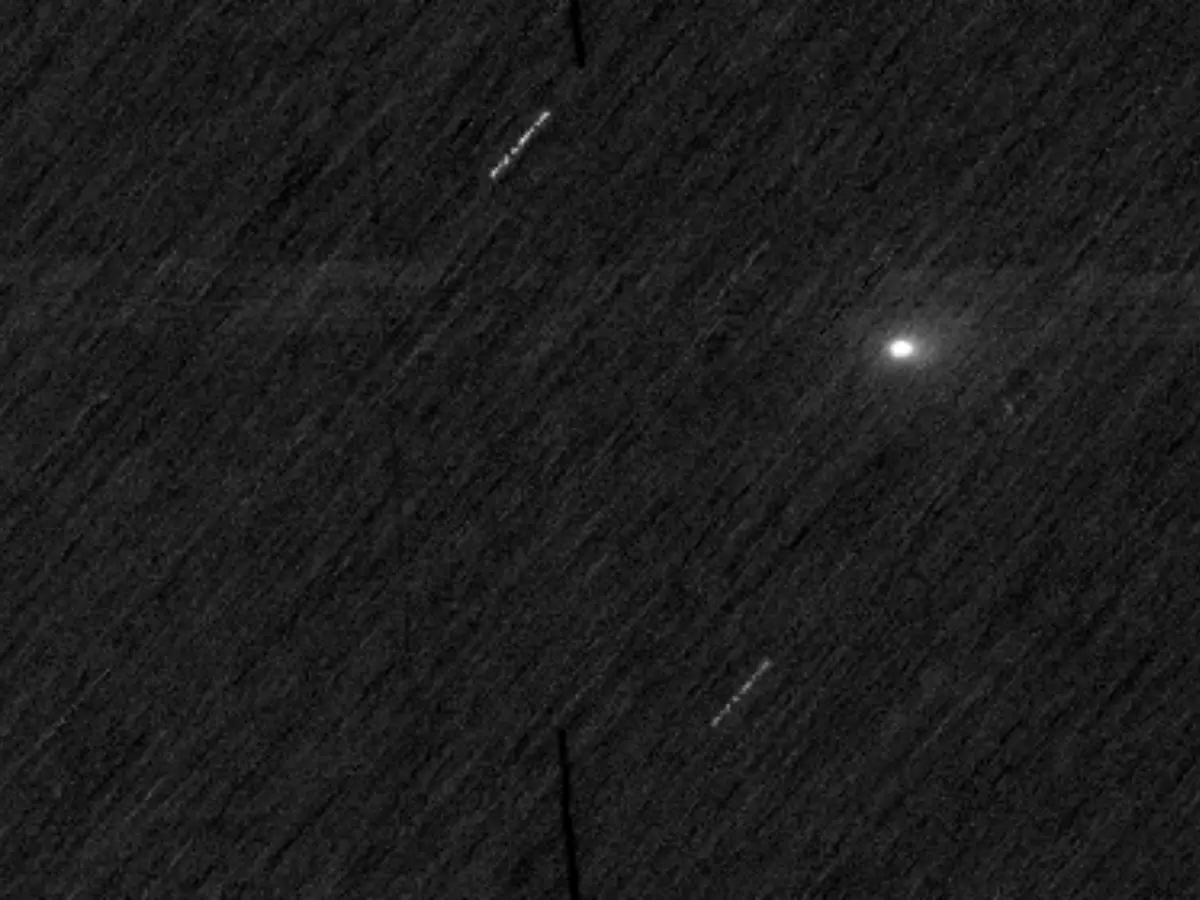
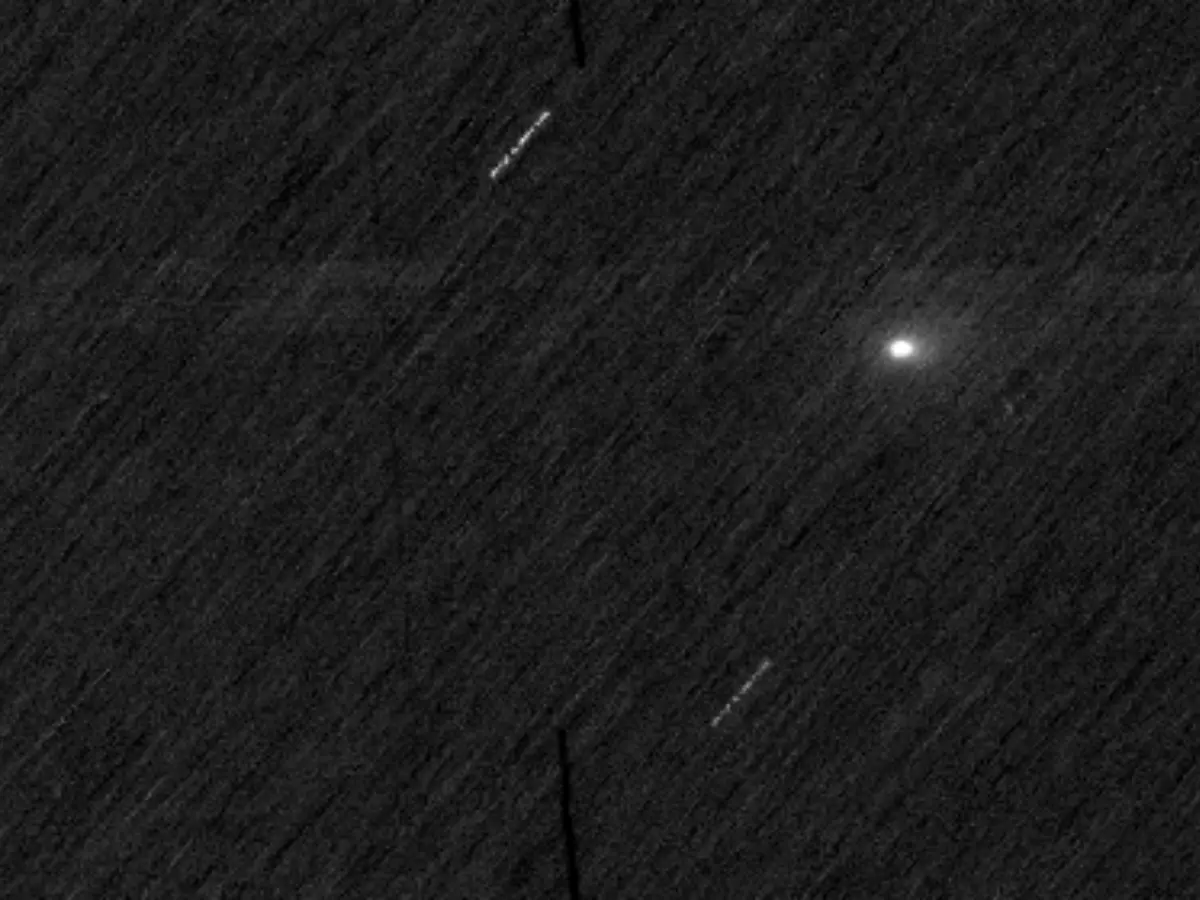
Some observations made by spacecraft have revealed that it became extremely bright as it swung behind the Sun. On October 28, two researchers posted a study to the preprint server arXiv saying that 3I/ATLAS rapidly brightened ahead of perihelion. According to them, the comet will have brightened to roughly magnitude 9 at perihelion. Amateur astronomer and comet hunter Worachate Boonplod spotted the comet in images from the National Oceanic and Atmospheric Administration's GOES-19 weather satellite. He noted in the Comets Mailing List group that the brightness of 3I/ATLAS was comparable to nearby stars with a magnitude ~11. "The comet is moving from left to right (relative to both the field and background stars) and should go out of the CCOR-1 field on October 24."
Trending Stories
&imwidth=280&imheight=210&format=webp&quality=medium)
&imwidth=280&imheight=210&format=webp&quality=medium)
&imwidth=280&imheight=210&format=webp&quality=medium)
&im=FitAndFill=(700,400)&imwidth=280&imheight=210&format=webp&quality=medium)
&imwidth=280&imheight=210&format=webp&quality=medium)
&imwidth=280&imheight=210&format=webp&quality=medium)
&imwidth=280&imheight=210&format=webp&quality=medium)
&imwidth=280&imheight=210&format=webp&quality=medium)
&imwidth=280&imheight=210&format=webp&quality=medium)
&imwidth=280&imheight=210&format=webp&quality=medium)
&imwidth=280&imheight=210&format=webp&quality=medium)
&imwidth=280&imheight=210&format=webp&quality=medium)
&imwidth=280&imheight=210&format=webp&quality=medium)
&imwidth=280&imheight=210&format=webp&quality=medium)
&imwidth=280&imheight=210&format=webp&quality=medium)
&imwidth=280&imheight=210&format=webp&quality=medium)
&imwidth=280&imheight=210&format=webp&quality=medium)
&imwidth=280&imheight=210&format=webp&quality=medium)
&imwidth=280&imheight=210&format=webp&quality=medium)
&imwidth=280&imheight=210&format=webp&quality=medium)
&im=FitAndFill=(700,400)&imwidth=280&imheight=210&format=webp&quality=medium)
&imwidth=280&imheight=210&format=webp&quality=medium)
&imwidth=280&imheight=210&format=webp&quality=medium)
&imwidth=280&imheight=210&format=webp&quality=medium)
&imwidth=280&imheight=210&format=webp&quality=medium)
&imwidth=280&imheight=210&format=webp&quality=medium)
&imwidth=280&imheight=210&format=webp&quality=medium)
&imwidth=280&imheight=210&format=webp&quality=medium)
&im=FitAndFill=(700,400)&imwidth=280&imheight=210&format=webp&quality=medium)
&imwidth=280&imheight=210&format=webp&quality=medium)
&imwidth=280&imheight=210&format=webp&quality=medium)
&imwidth=280&imheight=210&format=webp&quality=medium)
&imwidth=280&imheight=210&format=webp&quality=medium)
&imwidth=280&imheight=210&format=webp&quality=medium)
&imwidth=280&imheight=210&format=webp&quality=medium)
Loeb further says that the picture on 3I/ATLAS would become clearer once it becomes visible again. "Over the month it takes 3I/ATLAS to cross a spatial scale of order its perihelion separation from the Sun, 3I/ATLAS would lose about a tenth of its mass," he wrote. "Such a massive mass loss should be detectable in the form of a large plume of gas surrounding 3I/ATLAS during the upcoming months of November and December 2025." Scientists will be waiting for it once it re-emerges, especially when it reaches its nearest point to Earth on December 19.