‘Matter of survival’: Why South Korean president seeks government funding for hair loss treatment

&imwidth=600&imheight=450&format=webp&quality=medium "‘Matter of survival’: Why South Korean president seeks government funding for hair loss treatment")
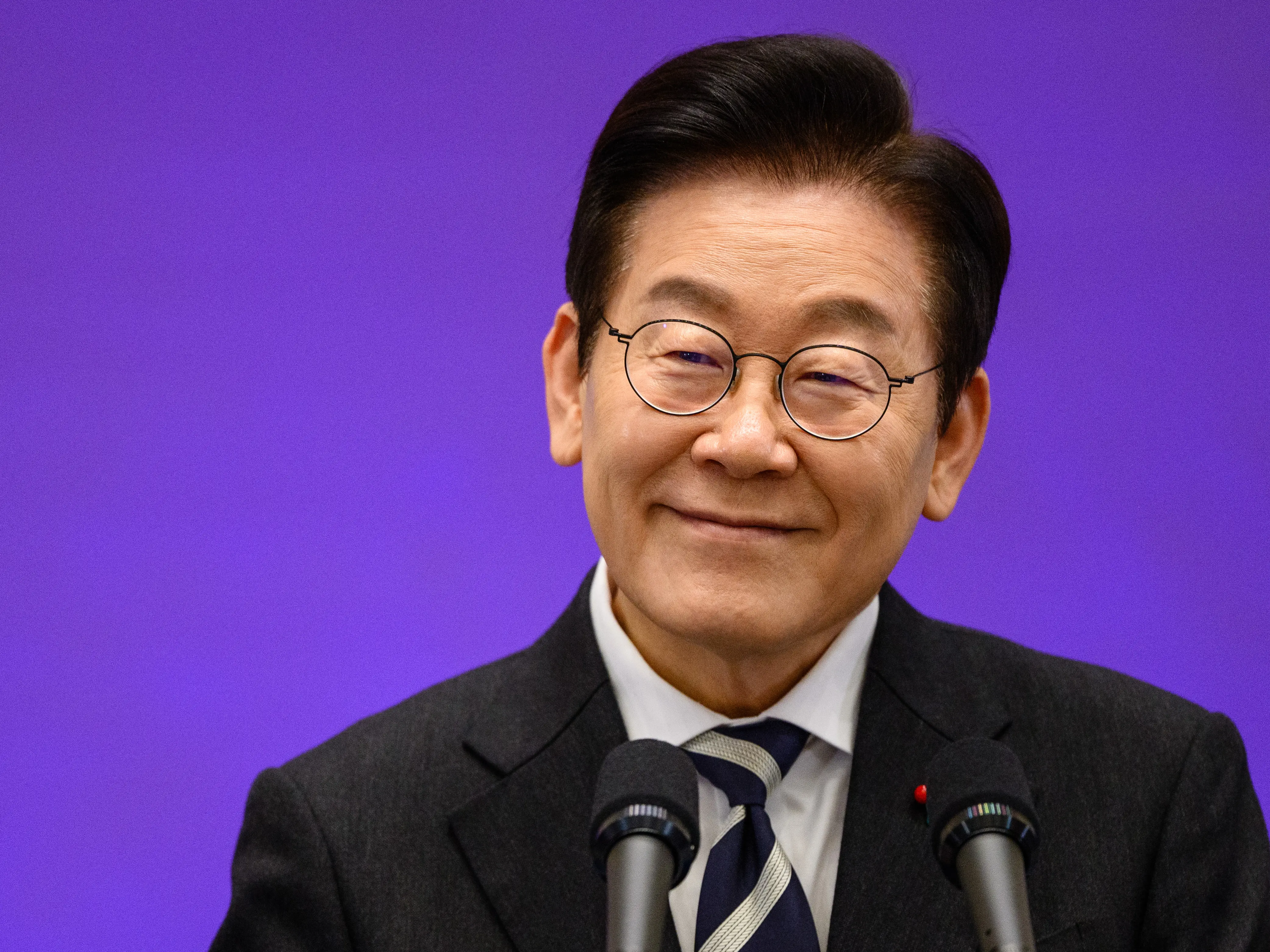
South Korea President Lee Jae Myung Photograph: (AFP)
South Korea’s strict beauty standards mean baldness carries a strong stigma, especially for young people, where hair loss is often linked to ageing and affects social and professional perceptions.
Hair loss may be a painful experience for an individual, but for governments, it has not been a serious concern. Well, that is no more the case after South Korean president Lee Jae Myung described balding as 'a matter of survival' and argued that medical treatment for hair loss should be covered under the national health insurance scheme.
President Myung made the suggestions during a meeting with senior officials, saying that the medical treatment for hair loss should not be seen as "cosmetic" as it is viewed in past, but should be considered as "a matter of survival."
South Korea’s national health insurance scheme currently provides coverage for hair loss treatments linked to medical conditions. However, it does not extend this benefit to individuals with hereditary hair loss, as the condition does not pose a threat to life, Health Minister Jeong Eun-kyeong said at a meeting on Tuesday.
Why is baldness a serious issue for Lee
South Korea is known for its strict beauty standards, and baldness has become a stigma and can significantly hamper young people's lives. Out of 240,000 people in the country who visited hospitals for hair loss last year, 40% were in their 20s or 30s, according to authorities. The country's cosmetic and hair-loss treatment market is believed to be among the biggest around the world.
Also Read: Yunus government condemns lynching of Hindu man, says violence has no place in New Bangladesh
Trending Stories
)
)
)
)
)
)
)
)
)
)
&im=FitAndFill=(700,400))
)
)
)
&im=FitAndFill=(700,400))
)
&im=FitAndFill=(700,400))
)
)
)
)
)
&im=FitAndFill=(700,400))
)
)
)
)
)
)
)
)
)
)
)
)
)
)
)
)
)
The president first made this proposal during his unsuccessful 2022 presidential election campaign, but later dropped it following criticism over populist pandering. The move was based on feedback gathered by Lee's team, which found that the hair loss issue resonates with people, especially among the young adults.
Lee's proposal put South Korea's intense cultural focus on Physical appearance. According to a 2024 survey of young adults found that 98 per cent of respondents believed that attractive people have social advantages in several domains.