Epstein files: What is Phenazopryidine? The tablets discovered in Eptein’s latest estate pics

Phenazopyridine tablets discovered in Jeffrey Epstein's estate photos are common over-the-counter urinary pain relief medication. The tablets treat burning and urgency from urinary tract infections. The drug provides symptom relief only and does not cure infections.
Discovery of Phenazopyridine
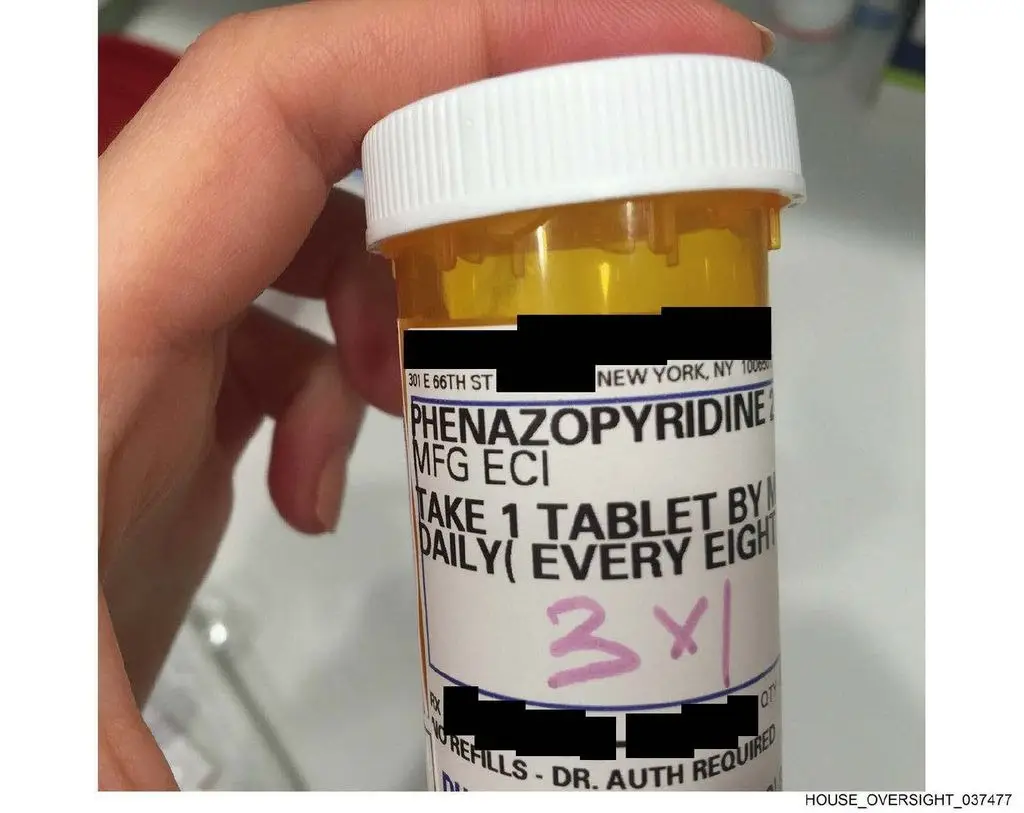
A photograph in the latest release from Jeffrey Epstein's estate shows a prescription bottle for Phenazopyridine. The House Oversight Committee made the image public on 17 December 2025 as part of a transparency effort ahead of final file deadlines.

What is Phenazopyridine?
Phenazopyridine is a medication primarily used as a urinary analgesic to provide relief from pain and burning. It works as a local anaesthetic on the lining of the urinary tract to soothe irritation during urination. The medication is available both over-the-counter and via prescription depending on strength.

Common Medical Uses
Doctors usually prescribe this drug to manage symptoms caused by urinary tract infections or surgical procedures affecting the urinary system. It helps alleviate the urgency and frequent need to urinate that often accompanies bladder or urethral irritation. It provides temporary symptom relief during discomfort.
Not an Antibiotic
It is important to note that Phenazopyridine is not an antibiotic and does not cure the underlying infection. It is typically used for a short duration of one to two days alongside actual infection-clearing medication prescribed by a doctor.

Availability and Dosage
The medication is available both over the counter in lower strengths and via prescription for higher dosages. Standard adult doses are often 200 milligrams taken three times a day after meals to avoid stomach upset. Duration of use should not exceed two days without medical guidance.

Distinctive Side Effects
A well-known effect of Phenazopyridine is that it turns urine a bright orange or reddish colour. This chemical change is harmless and temporary. However, it can permanently stain soft contact lenses and certain types of clothing, so users should exercise caution.

Why It Was in the Files
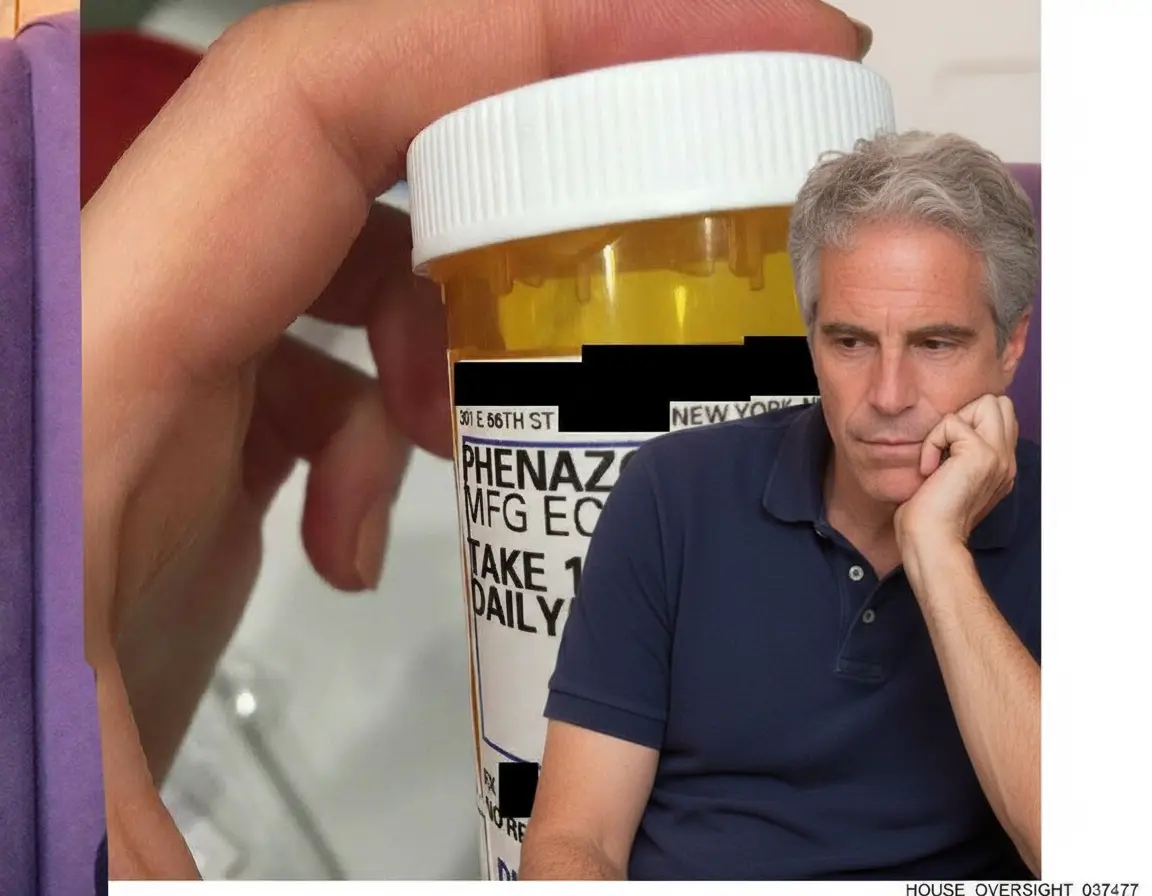
The House Oversight Committee released the photograph as part of a transparency effort regarding Epstein's estate and documented possessions. The image shows a prescription bottle with the label partially visible. While the bottle confirms the presence of medical supplies at the residence, the exact reason for its presence remains undocumented in publicly released materials.
)
)
)
)
)