What could replace the S-400 in the next 20 years?

Over the next 20 years, the USD 2.5 billion S-500 Prometheus and the specialised S-550 will gradually replace the S-400. These next-generation systems expand the intercept range to 600 km to destroy hypersonic missiles and LEO satellites.
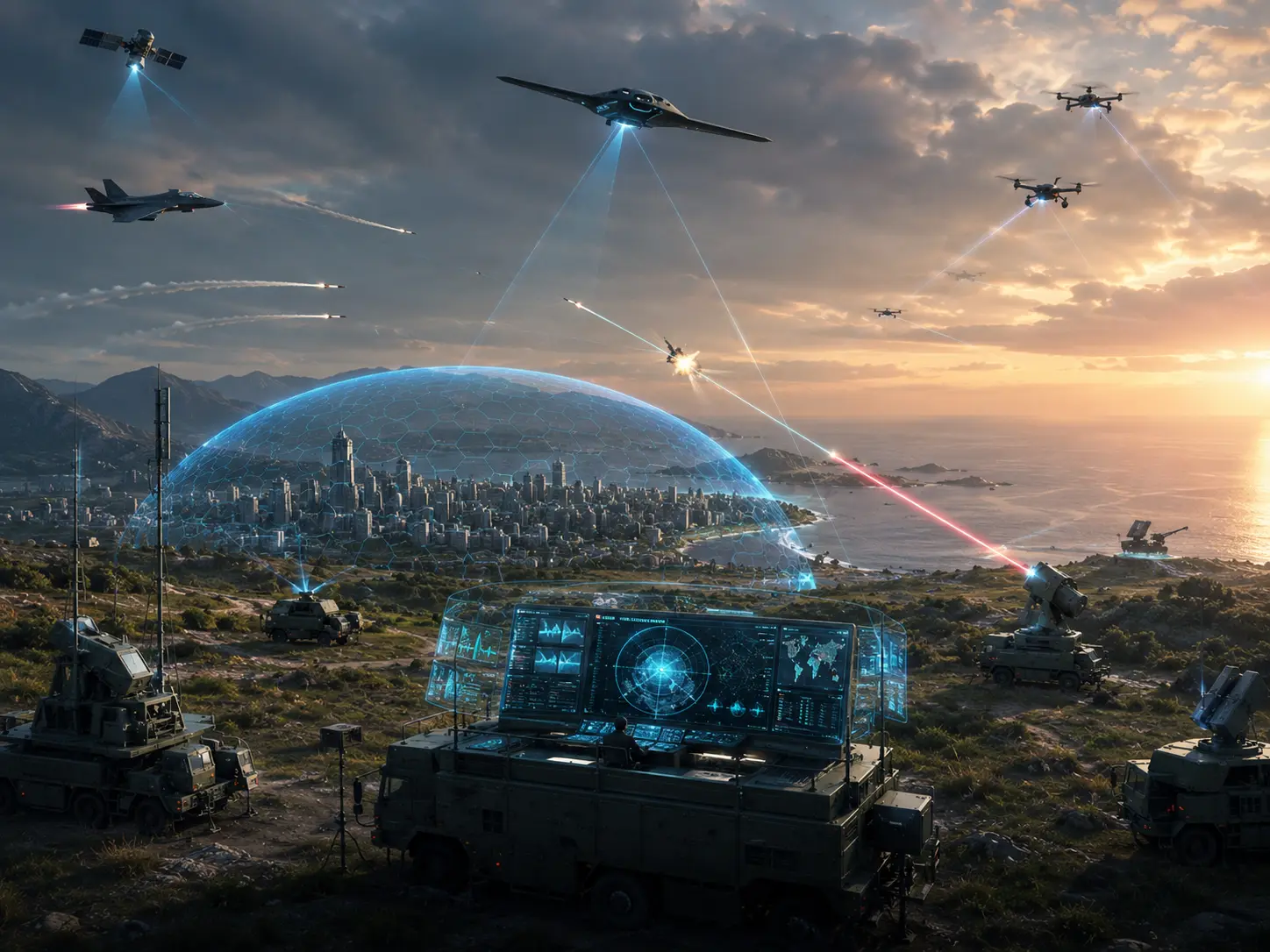
The S-500 Prometheus
In the next two decades, the primary successor to the S-400 will be the S-500 Prometheus. This advanced surface-to-air system costs roughly USD 2.5 billion per unit and is explicitly designed to neutralise hypersonic and space-based threats.
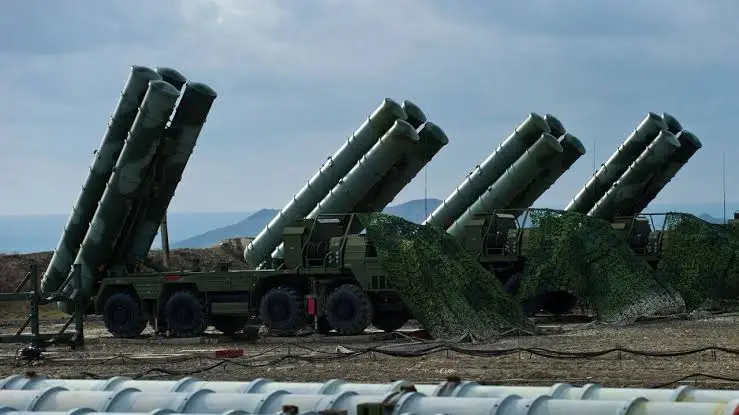
Hitting the Stratosphere
Unlike the S-400, which focuses heavily on aerodynamic aircraft, the S-500 is engineered to destroy intercontinental ballistic missiles in mid-air. Its massive 77N6 interceptors can reach altitudes of up to 200 kilometres, allowing it to directly target low Earth orbit satellites.
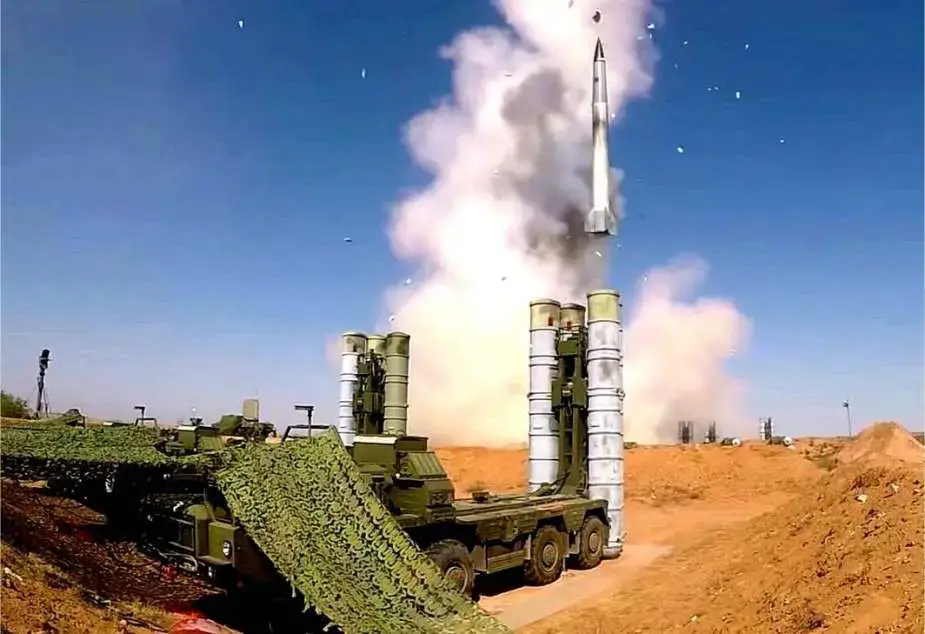
The S-550 Strategic Shield
Russia is also actively developing the S-550, a highly specialised derivative of the Prometheus system. This mobile platform is optimized almost exclusively for hunting incoming ICBM warheads and classified spacecraft like the American X-37.
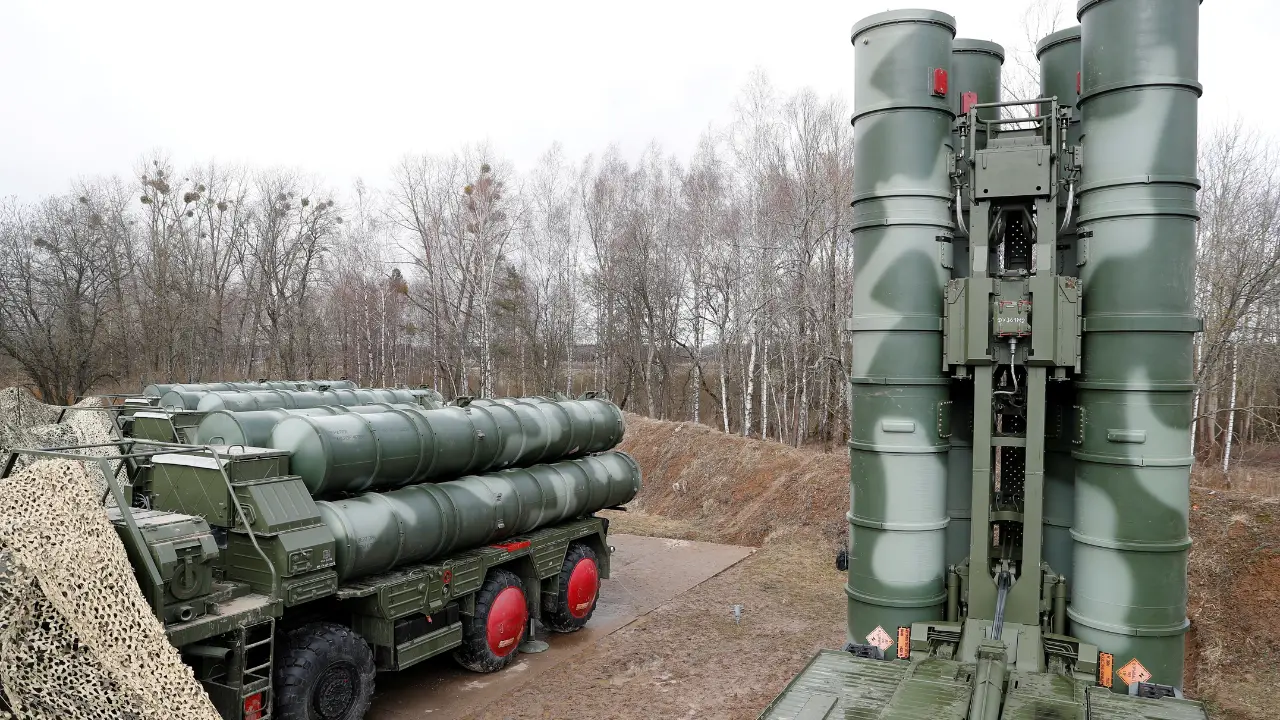
Hypersonic Interception
To catch the fastest weapons on Earth, next-generation systems require extreme processing power and interceptor velocities. The S-500 can track and simultaneously engage up to 10 hypersonic targets flying at speeds of 5 to 7 kilometres per second.
Expanding the Bubble
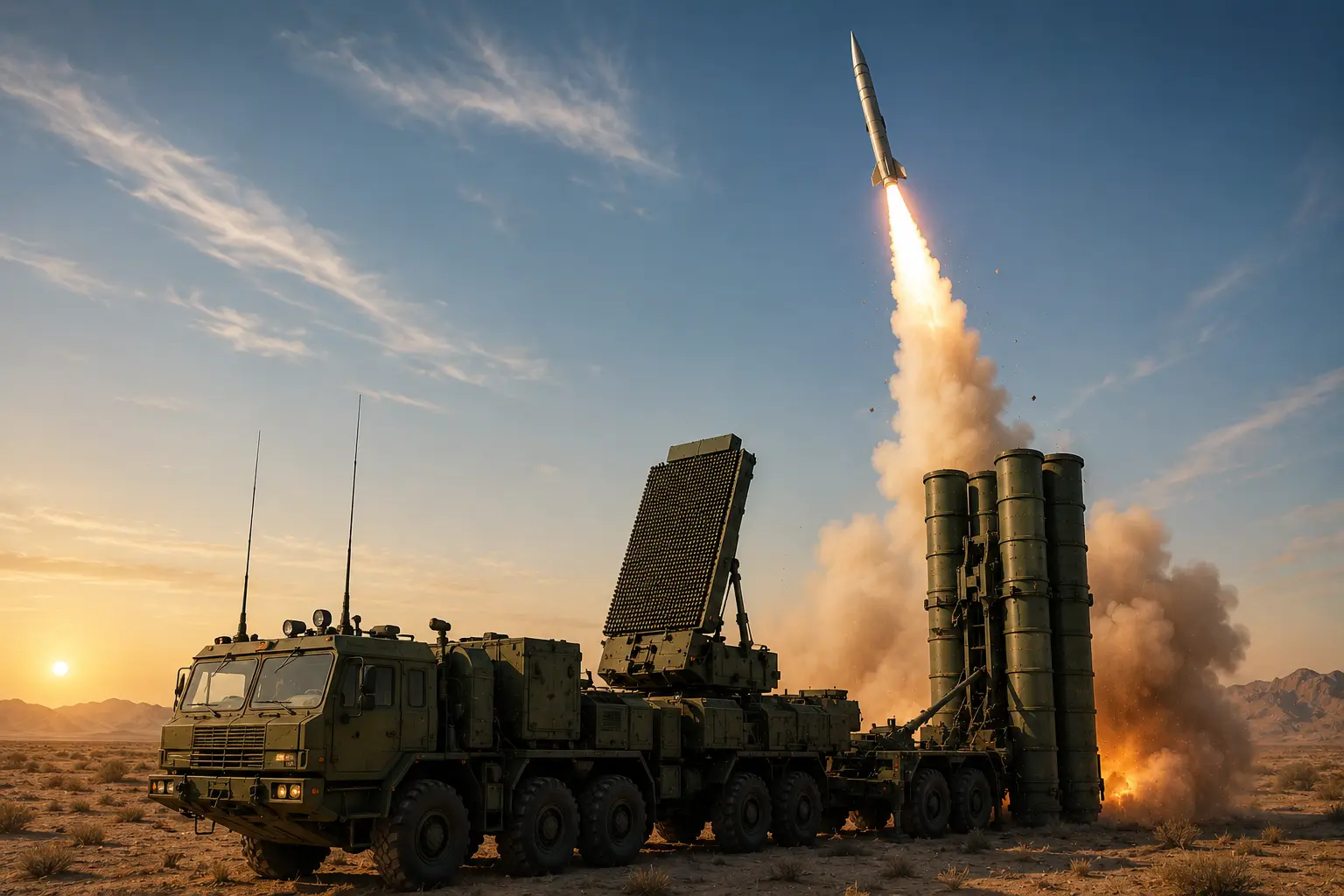
While the S-400 relies on a 400-kilometre intercept radius, its successor pushes the boundary significantly further. The S-500 boasts an operational range of 600 kilometres, effectively pushing enemy bombers and launch platforms far beyond their own weapon release ranges.
Lightning Reaction Times
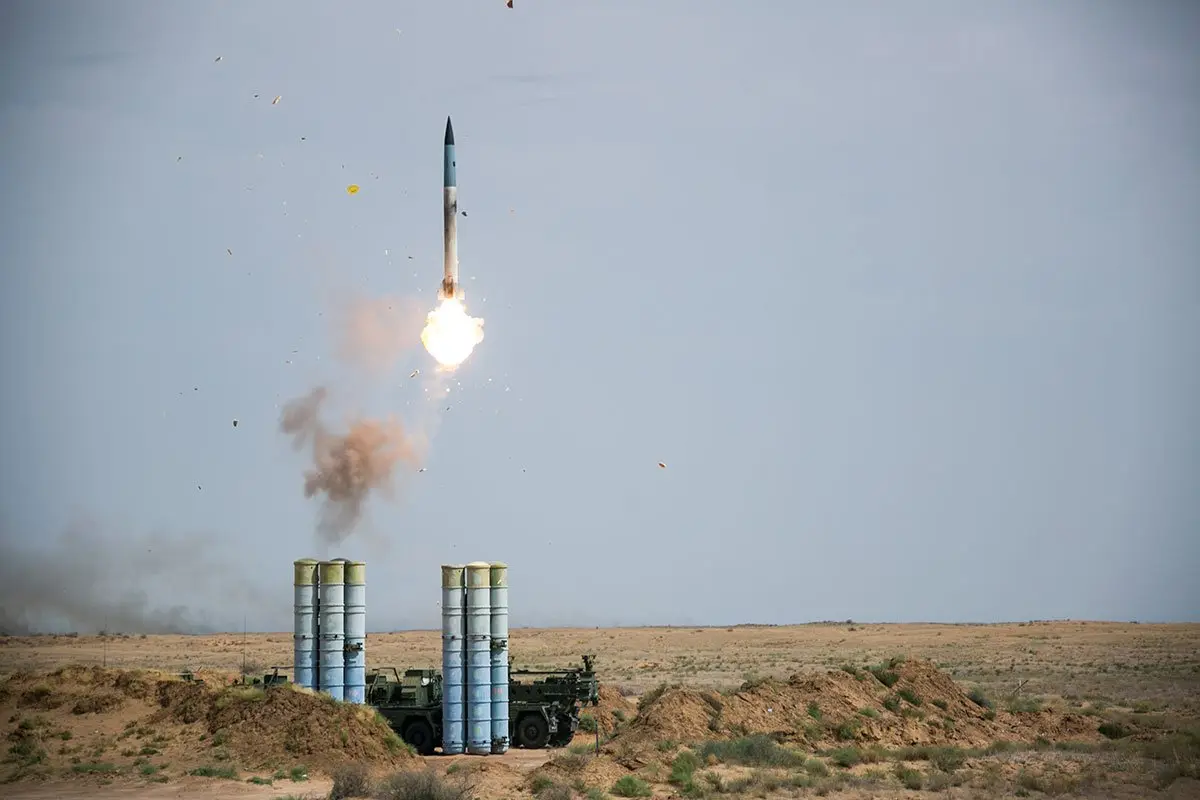
When hunting hypersonic cruise missiles, human reflexes are fundamentally too slow. The S-500 reduces the S-400's 10-second reaction time down to less than four seconds, relying on highly automated digital command posts to instantly execute the kill chain.
A Networked Future
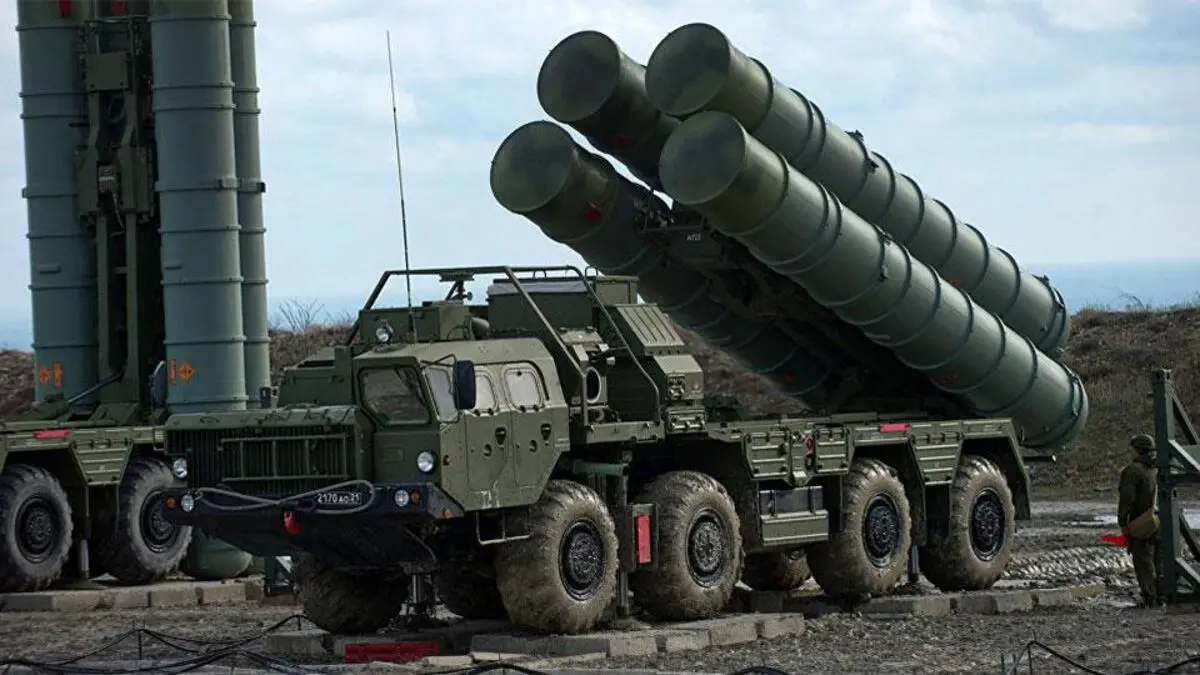
These advanced systems will not immediately retire the S-400, but rather operate alongside it in a layered architecture. Over the next 20 years, the S-500 and S-550 will gradually replace older units, creating an impenetrable anti-access dome across critical airspace.
)
)
)
)
)