Can an S-400 fire while moving?

The S-400 cannot fire while moving. To safely launch its heavy Mach 14 interceptors, the system must halt, deploy hydraulic outriggers, and elevate its tubes vertically. However, a crew can transition from driving to firing in just five minutes.Untitled Summary
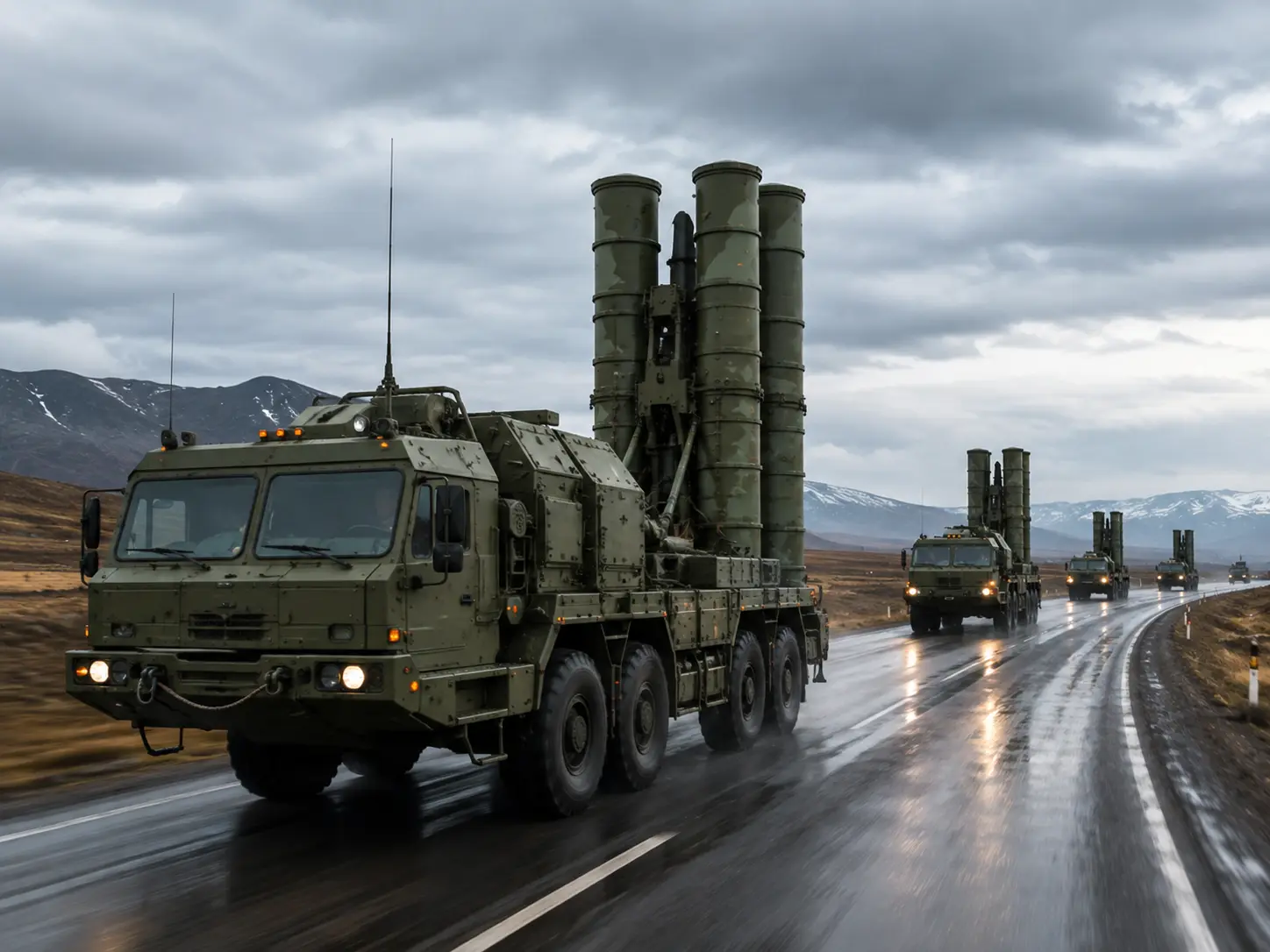
The Physics of a Halt
The short answer is no; the Russian S-400 Triumf cannot fire its missiles while driving. Launching a massive interceptor at Mach 14 creates immense physical stress, forcing the USD 1.25 billion system to completely halt before initiating a combat sequence.
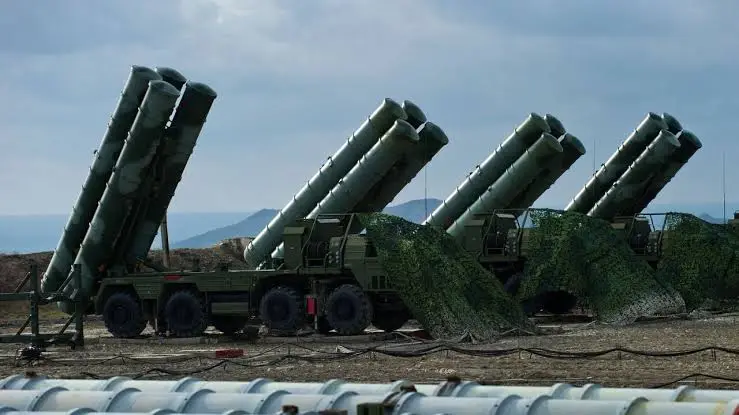
Hydraulic Outriggers
Before firing, the heavy 8x8 MZKT-7930 transport vehicles must securely anchor themselves to the earth. The crew deploys massive hydraulic outriggers to perfectly level the chassis and absorb the violent mechanical shock of a launch.
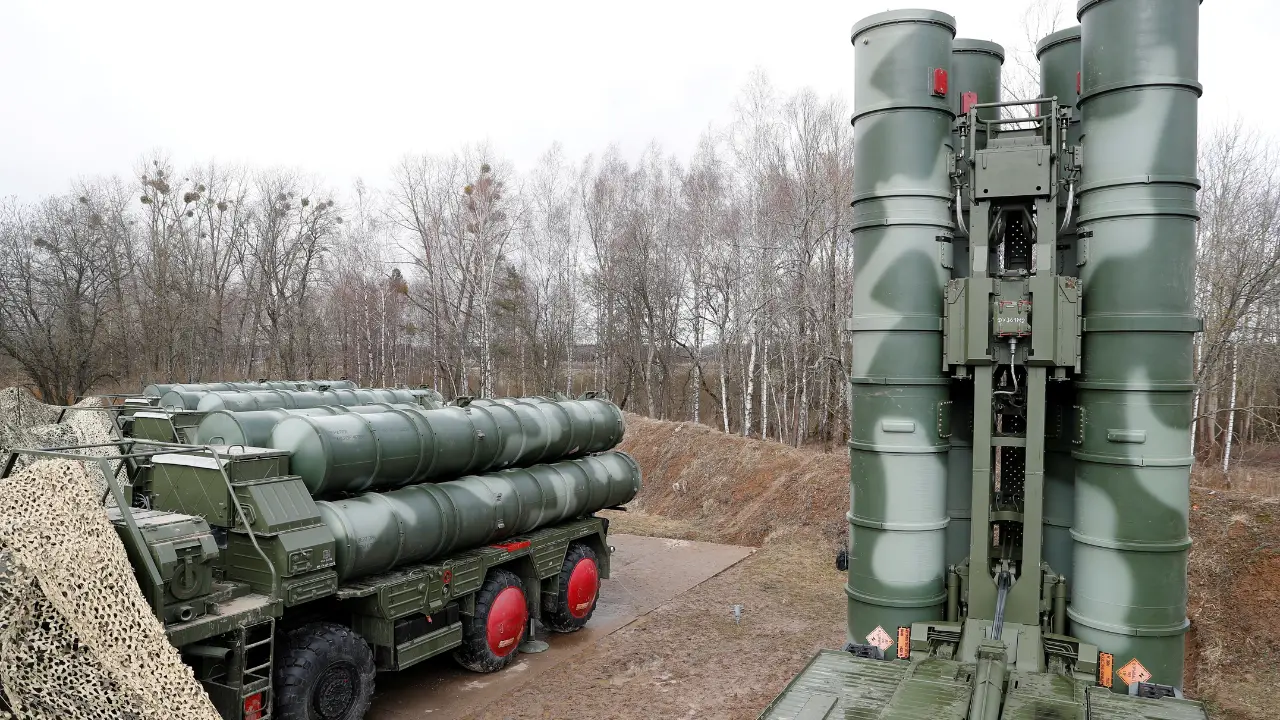
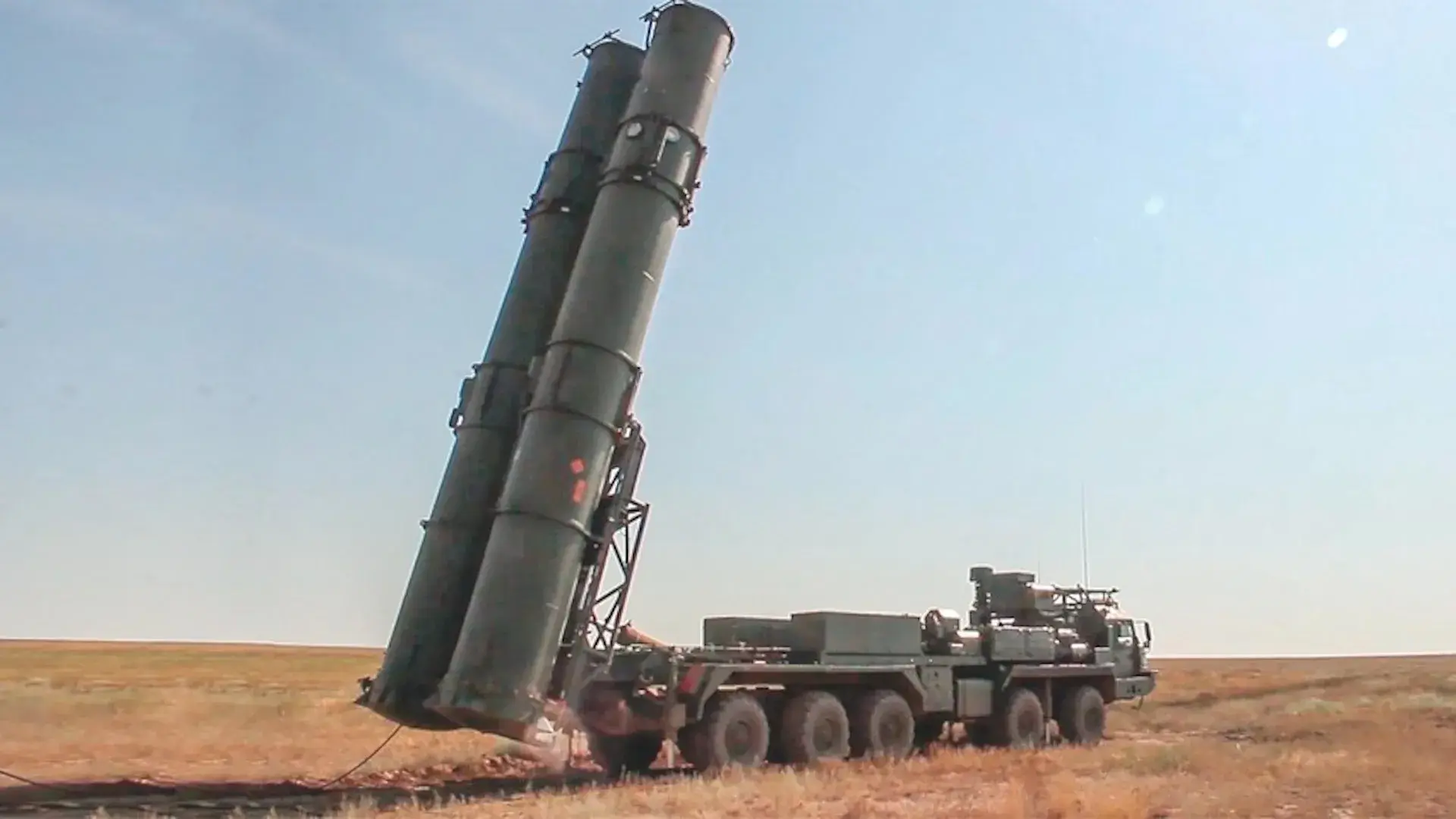
The Vertical Erection
The S-400 relies on cold launch technology, requiring the missile tubes to be elevated to a strict 90-degree vertical position. Attempting to drive a 24-tonne truck with upright, fully loaded missile canisters would instantly flip the vehicle over.
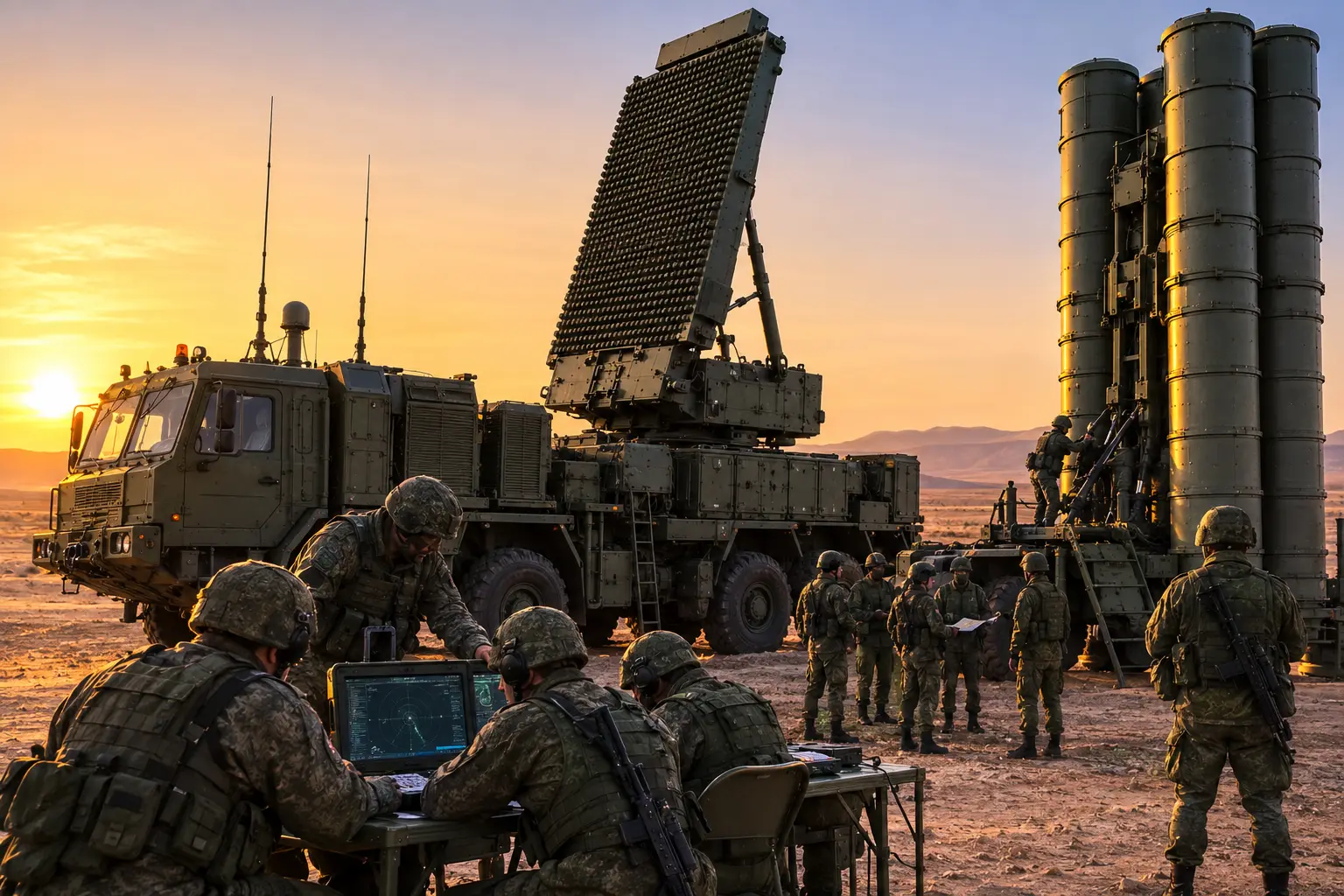
Calibrating the Radars
Accurate missile guidance demands absolute mathematical precision from the ground sensors. The 91N6E panoramic and 92N6E engagement radars must remain completely stationary to establish a flawless coordinate grid across their 600-kilometre scanning radius.
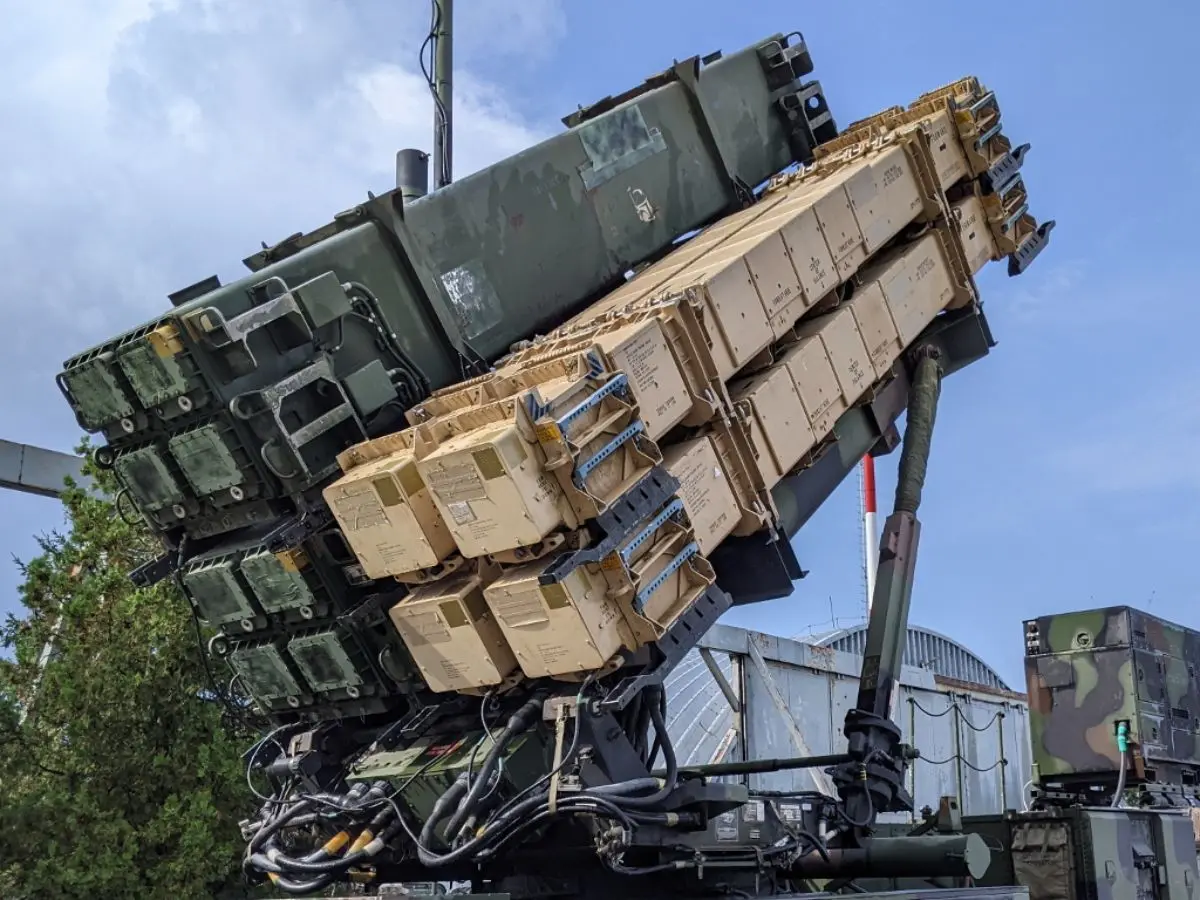
The Five-Minute Setup
While it cannot shoot on the move, the S-400 is engineered for extreme rapid deployment. A highly trained crew can transition the massive battery from a full highway driving sprint to complete combat launch readiness in roughly five minutes.
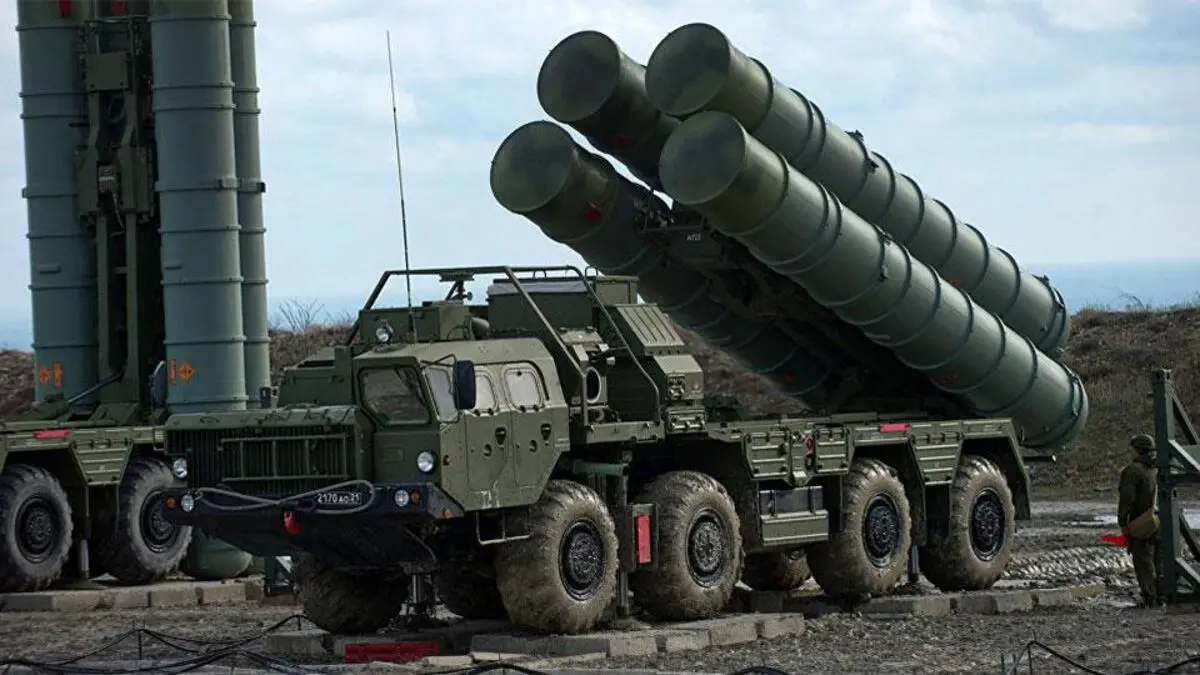
Shoot-and-Scoot Tactics
The inability to fire while driving is offset by aggressive shoot-and-scoot tactics. Immediately after launching an interceptor, the crew rapidly retracts the missile tubes and drives away to evade incoming enemy anti-radiation missiles.
The Pantsir Contrast
While short-range Russian systems like the Pantsir-S1 are specifically designed to fire their auto-cannons and light missiles while moving, strategic batteries follow different rules. The S-400 sacrifices fire-on-the-move capability to accommodate the massive size and extreme 400-kilometre range of the 40N6E interceptor.
)
)
)
)
)