What happens if one vehicle in an S-400 battery breaks down?

Because the S-400 uses a modular architecture, the breakdown of a single vehicle does not disable the system. The 55K6E command post instantly reroutes firing commands to operational launchers, while overlapping radars prevent blind spots.Untitled Summary
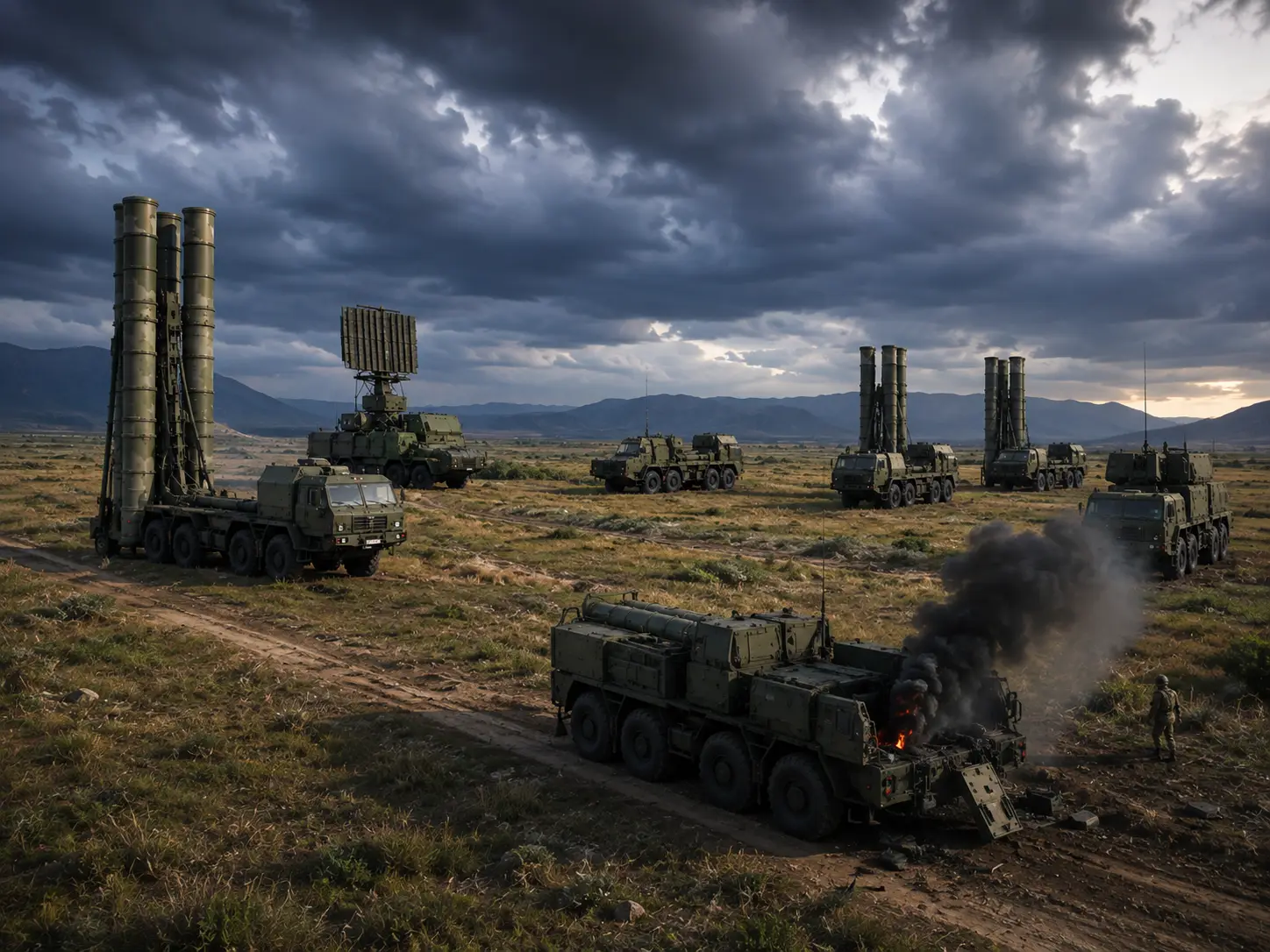
A Modular Architecture
The S-400 Triumf is not a single machine, but a highly distributed ‘system of systems’. This modular architecture is explicitly designed so that if one vehicle breaks down, the entire battery does not collapse.
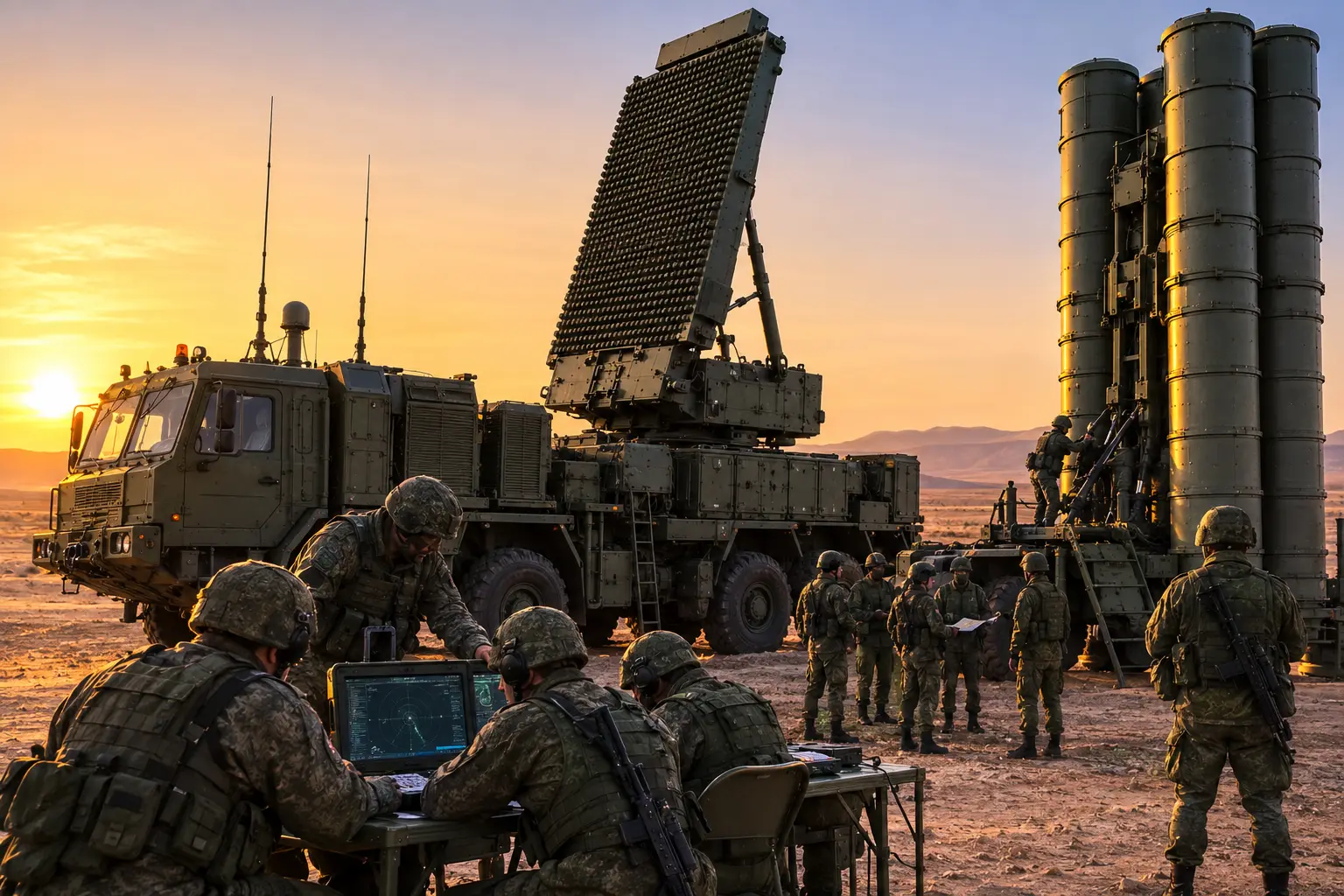
Launcher Failures
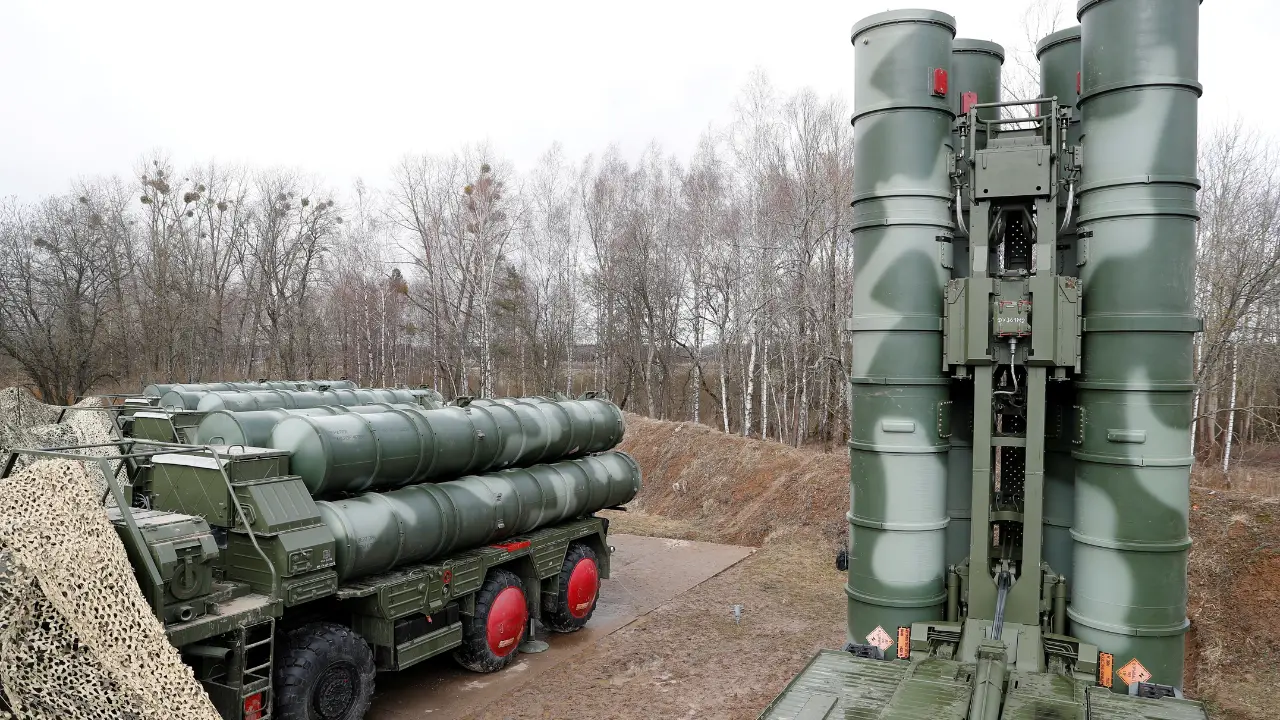
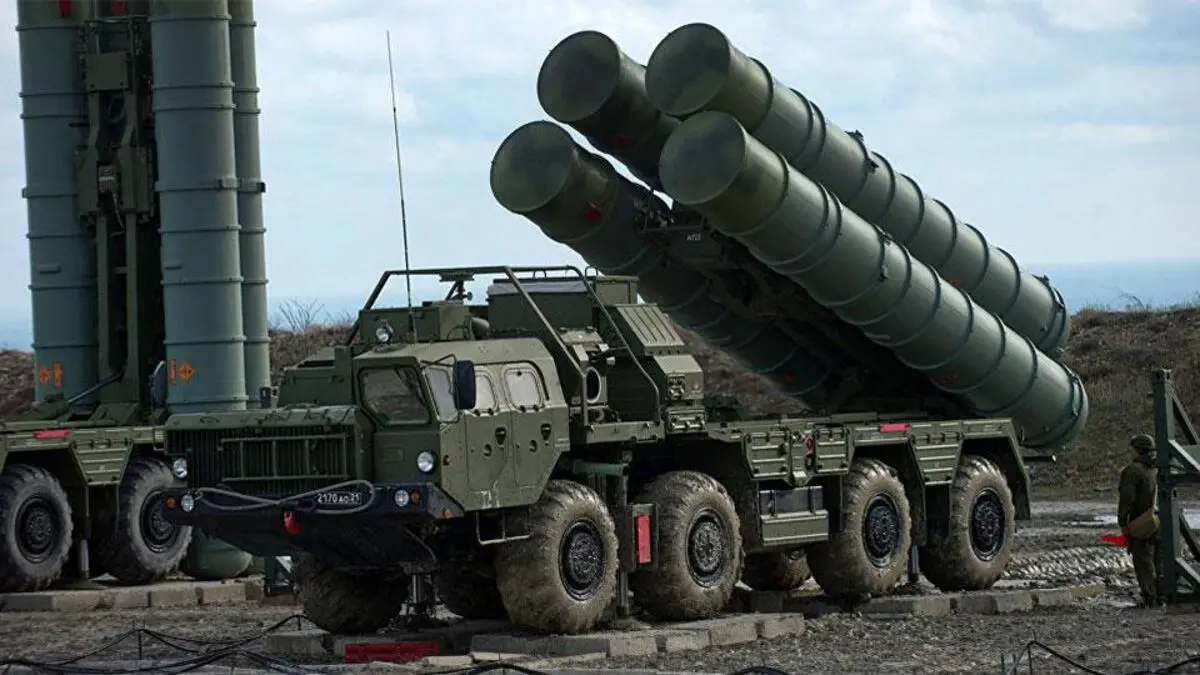
A standard S-400 battalion typically fields up to six fire units, each containing multiple Transporter Erector Launchers. If one launcher experiences a catastrophic mechanical failure, the battery only loses access to those specific four missiles.
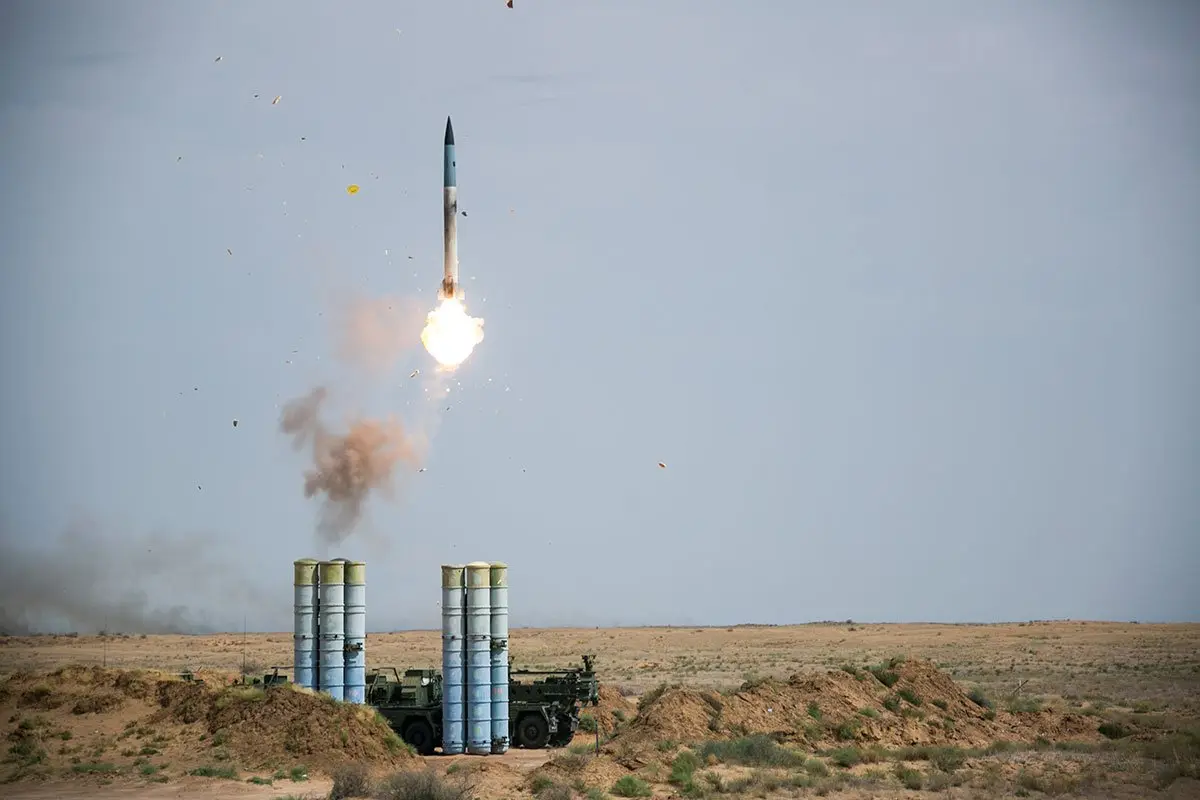
Instant Rerouting
When a launch vehicle goes offline, the 55K6E command post instantly recognises the network failure. The digital brain automatically recalculates the engagement and seamlessly reroutes the firing command to an operational launcher within the battery.
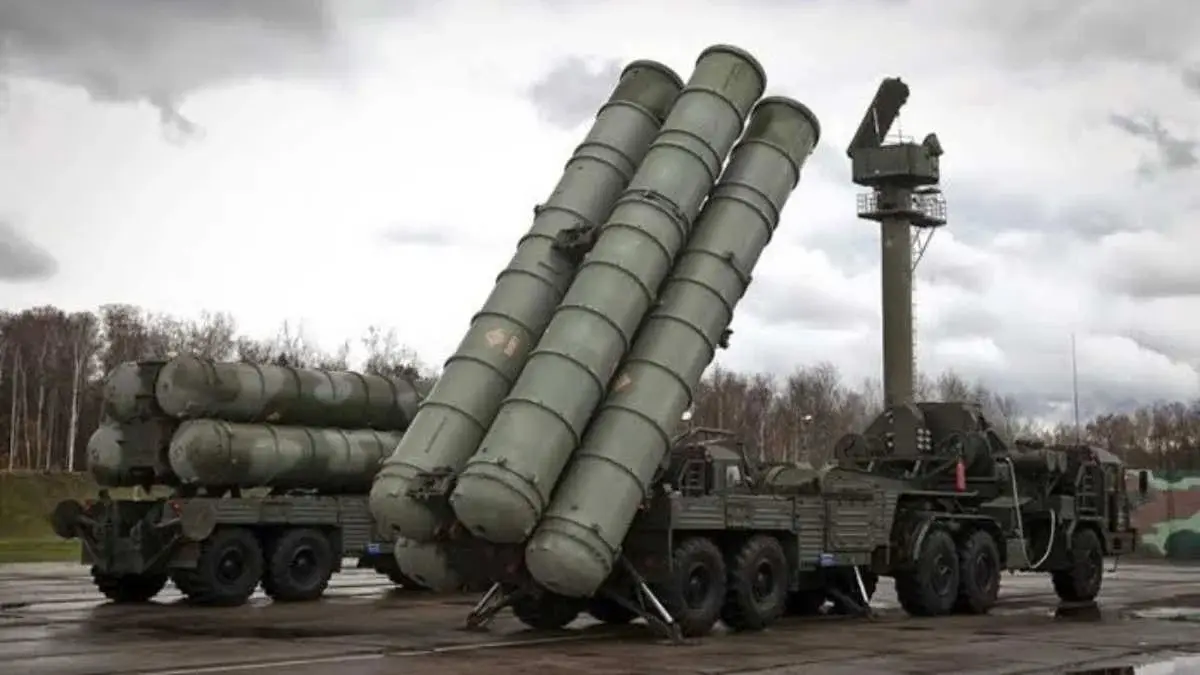
Radar Redundancy
Radars are the most critical components of the kill chain. If the primary 91N6E surveillance radar breaks down, the system can temporarily rely on the 96L6E all-altitude radar or receive telemetry from other networked battalions.
Field Maintenance
Heavy military hardware frequently breaks down in harsh off-road environments. To counter this, the battery is always accompanied by specialised mobile repair workshops that can replace damaged hydraulic pumps or generators directly on the battlefield.
The 22T6 Transloader
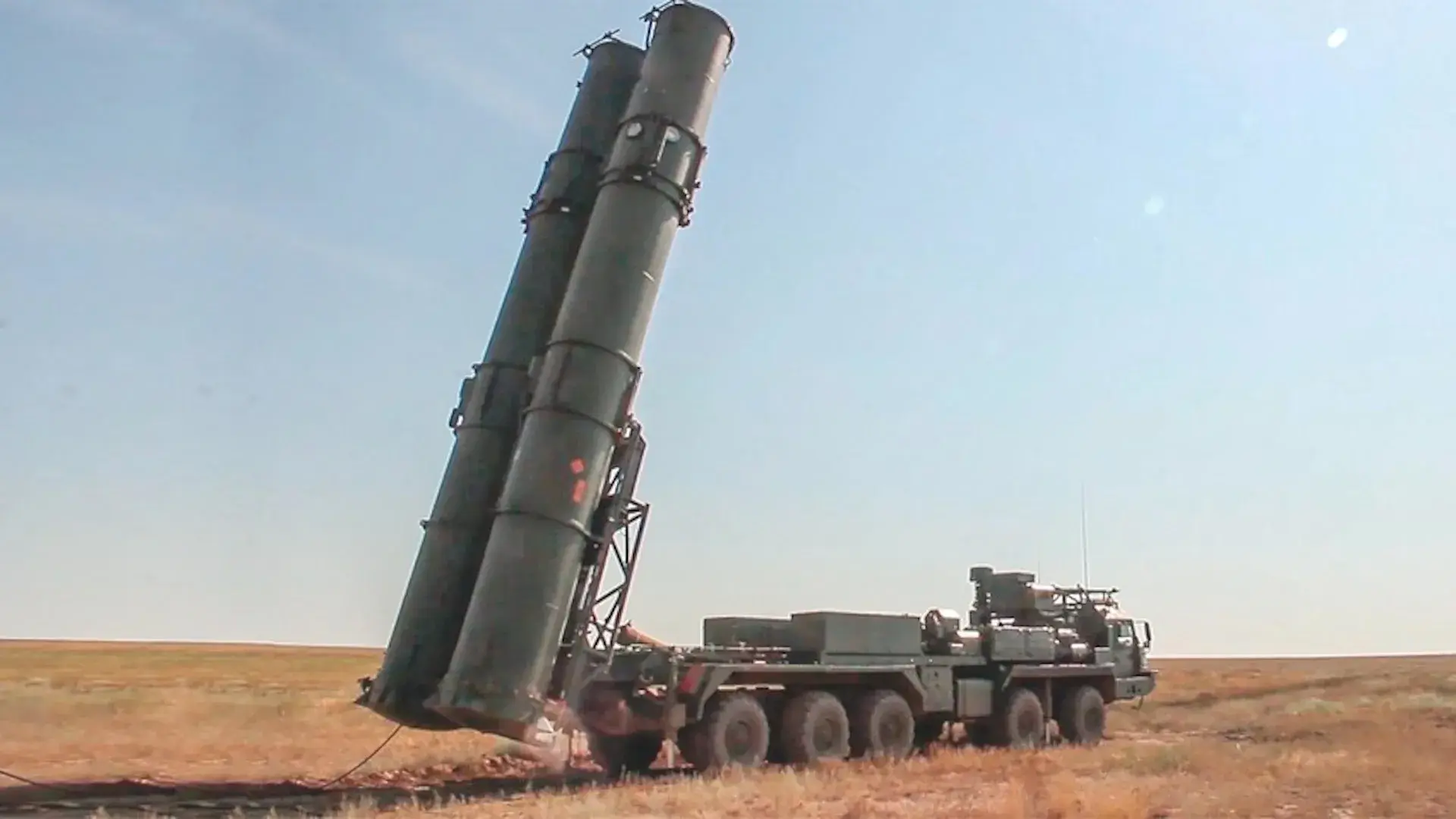
If a launcher's elevation mechanics fail, the crew cannot fire its loaded weapons. They must deploy the 22T6 transloader vehicle, a heavy crane truck designed to safely extract the unfired missile canisters and transfer them to a working launcher.
No Single Point of Failure
By dispersing its vehicles and networking its digital communications, the USD 1.25 billion system avoids single points of failure. The loss of any one truck merely degrades the total missile capacity without blinding the strategic airspace shield.
)
)
)
)
)