Epstein files: What is the Epstein Files Transparency Act and how did it finally pass?

The Epstein Files Transparency Act passed Congress 427-1. Signed 19 Nov 2025, it requires the DOJ to release unclassified Epstein files by today, 19 Dec 2025, in searchable format.
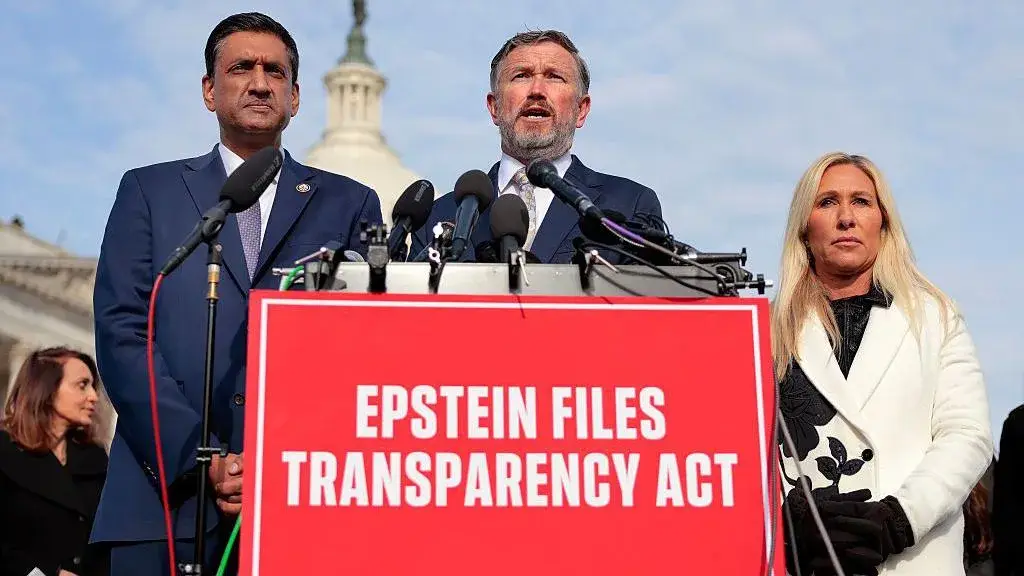
What the Act Requires
The Epstein Files Transparency Act mandates the Department of Justice to make all unclassified records publicly available in searchable and downloadable format within 30 days. The release must include files from both federal investigations into Epstein and related materials from Ghislaine Maxwell's prosecution. The deadline established was 19 December 2025 from the law's enactment date.

Bipartisan Introduction
Representatives Thomas Massie (Republican, Kentucky) and Ro Khanna (Democrat, California) introduced the legislation in July 2025 with bipartisan co-sponsorship. Both lawmakers pushed for transparency regarding federal handling of the investigation across two separate federal inquiries spanning nearly two decades. The joint effort reflected frustration from Congress about government secrecy surrounding the Epstein case.

House Leadership Resistance
House Speaker Mike Johnson initially opposed the bill and worked to prevent a floor vote for months, stating concerns about the release. However, House members from both parties used parliamentary procedures to force the bill onto the floor despite leadership opposition. This indicated strong rank-and-file support for transparency among lawmakers regardless of party affiliation.
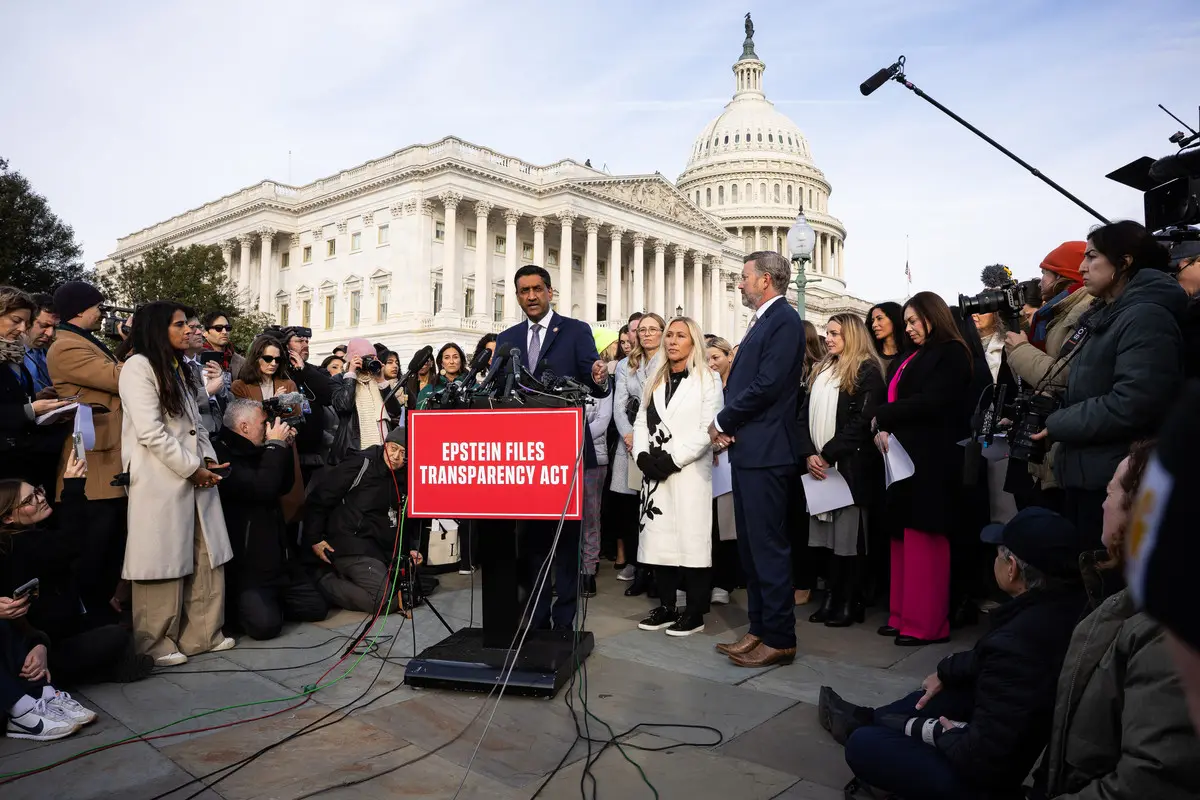
The Historic House Vote
The House voted on 18 November 2025 under suspension of rules, requiring a two-thirds majority for passage. The legislation passed with 427 votes in favour and only one against, Louisiana Republican Clay Higgins cast the sole dissenting vote. The overwhelming approval demonstrated rare bipartisan consensus on government transparency and public disclosure.
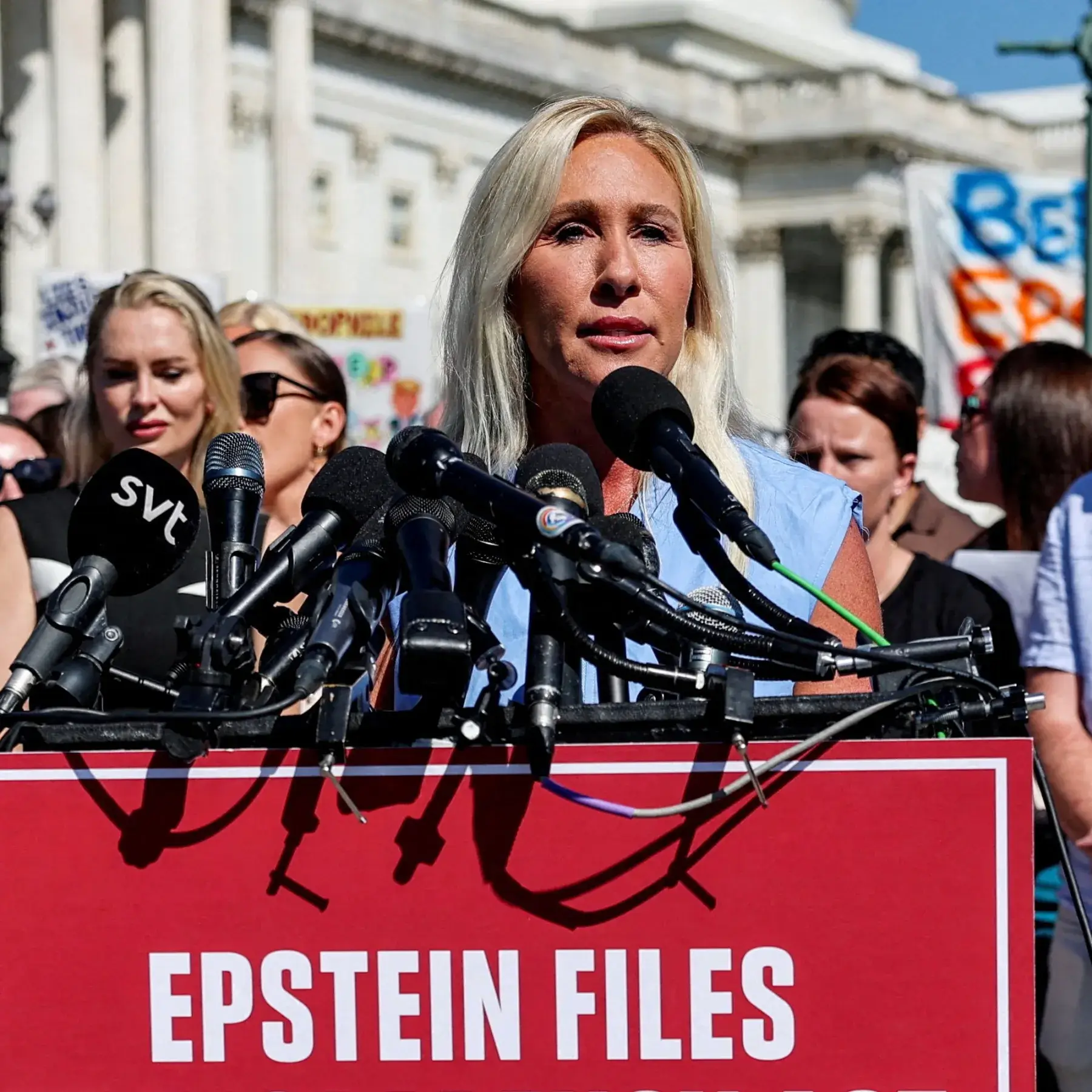
Senate Unanimous Consent
The Senate passed the Epstein Files Transparency Act the following day through unanimous consent without objection or formal vote. This swift passage reflected broad bipartisan agreement across both chambers on the transparency measure. The bill reached the President's desk on 19 November 2025 for signing.
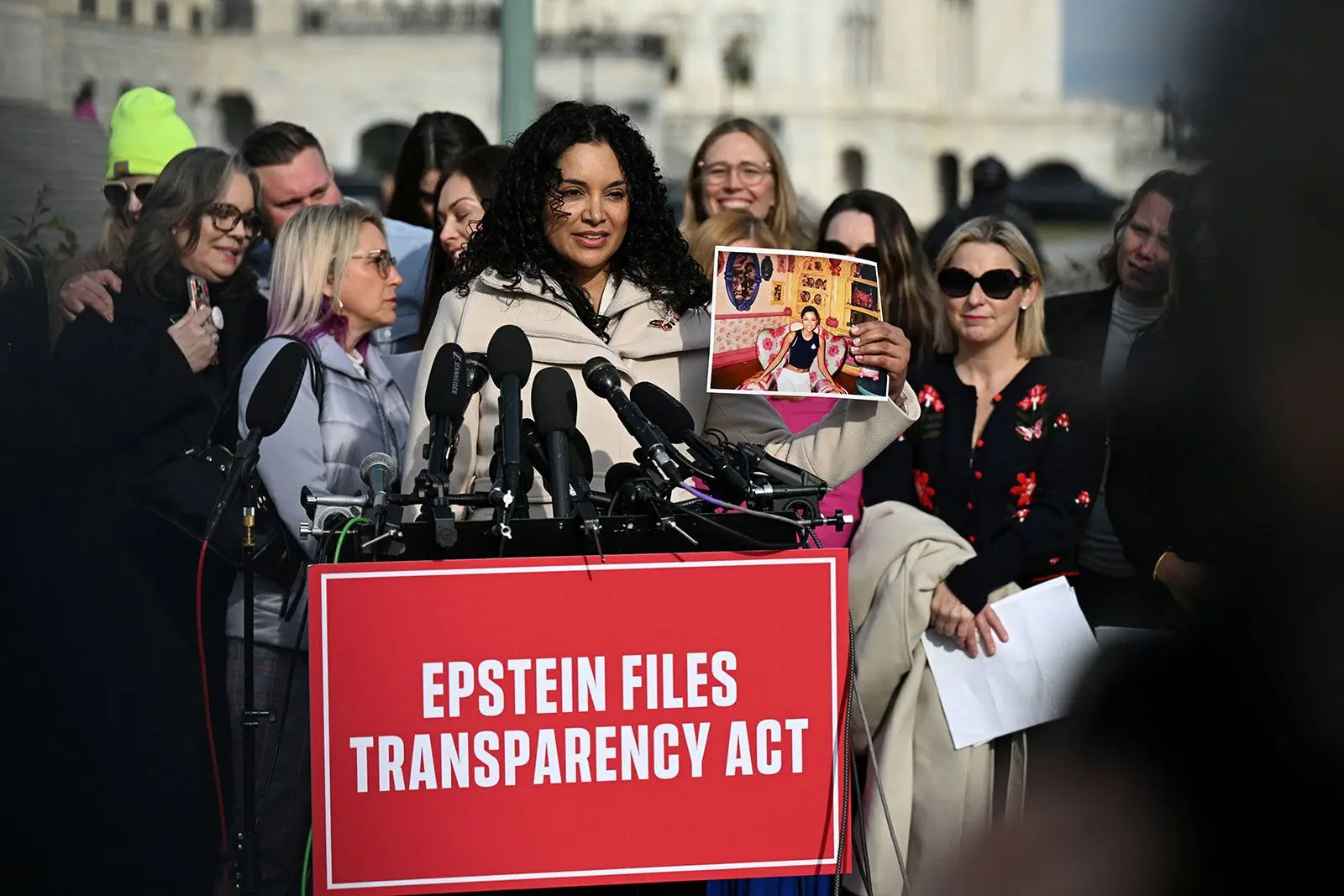
Trump's Reversal and Signing
President Trump initially opposed the bill, calling it politically driven distraction, but reversed his position over the weekend. Trump announced on Truth Social that he had signed the bill into law on the evening of 19 November 2025. The Attorney General was directed to promote "maximum transparency" regarding DOJ compliance with the release mandate.

Redaction Provisions
The law permits the Department of Justice to withhold materials involving ongoing federal investigations, active prosecutions, and information protecting victim privacy. However, the DOJ cannot withhold information based on "embarrassment, reputational harm, or political sensitivity." The law requires a 15-day Congressional report detailing classified materials and justifications for any non-release.
)
)
)
)
)