US, Britain, other countries ink agreement to make AI 'secure by design'


Artificial Intelligence
The United States, Britain and more than a dozen other countries on Sunday unveiled what a senior U.S. official described as the first detailed international agreement on how to keep artificial intelligence safe from rogue actors, pushing for companies to createAIsystems that are "secure by design."
In a 20-page document unveiled Sunday, the 18 countries agreed that companies designing and usingAIneed to develop and deploy it in a way that keeps customers and the wider public safe from misuse.
The agreement is non-binding and carries mostly general recommendations such as monitoringAIsystems for abuse, protecting data from tampering and vetting software suppliers.

Still, the director of the U.S. Cybersecurity and Infrastructure Security Agency, Jen Easterly, said it was important that so many countries put their names to the idea thatAIsystems needed to put safety first.
"This is the first time that we have seen an affirmation that these capabilities should not just be about cool features and how quickly we can get them to market or how we can compete to drive down costs," Easterly told Reuters, saying the guidelines represent "an agreement that the most important thing that needs to be done at the design phase is security."
The agreement is the latest in a series of initiatives - few of which carry teeth - by governments around the world to shape the development ofAI, whose weight is increasingly being felt in industry and society at large.
&im=FitAndFill=(700,400))
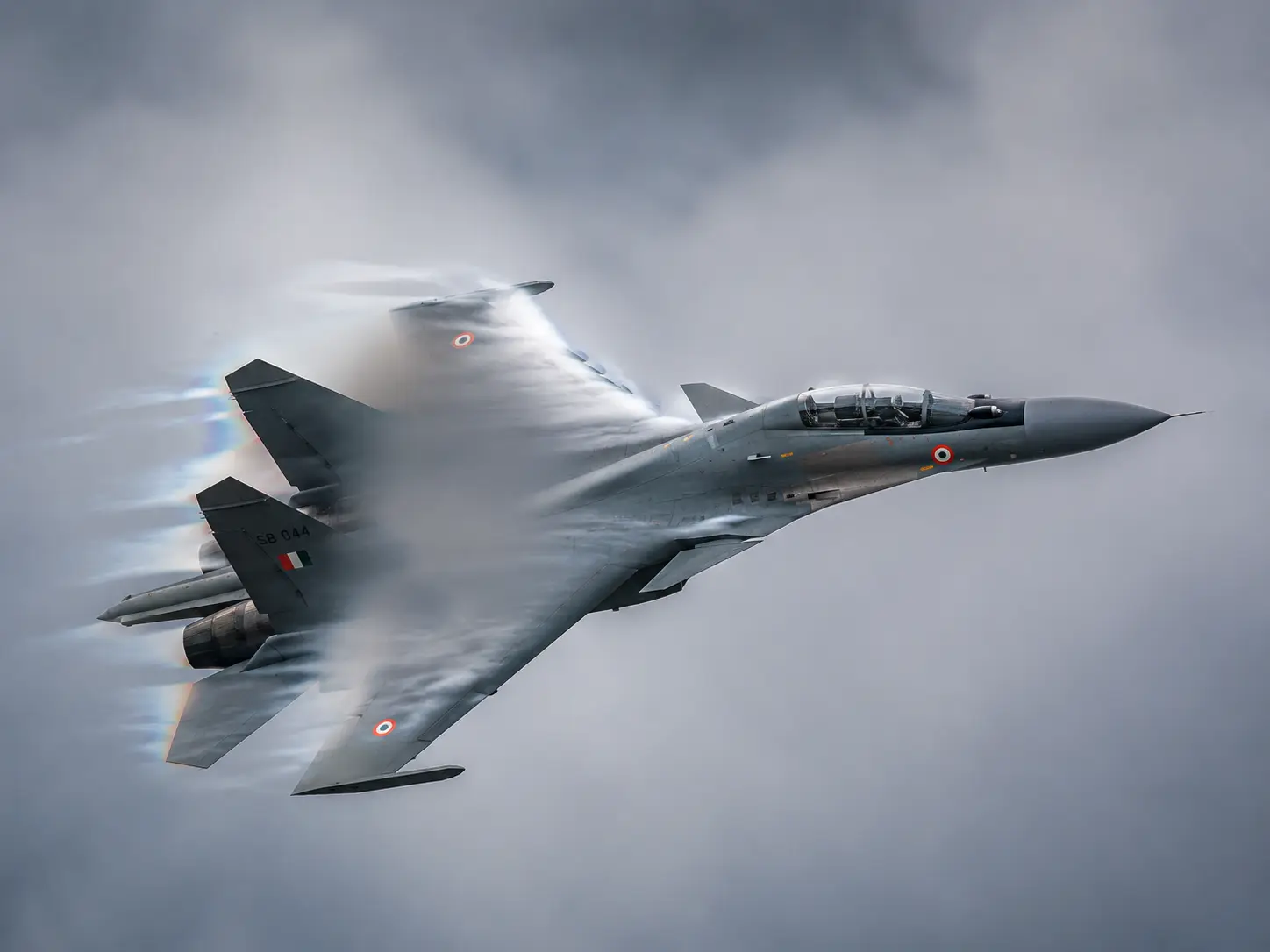
How fast can the Sukhoi Su-30 fighter jet really fly?
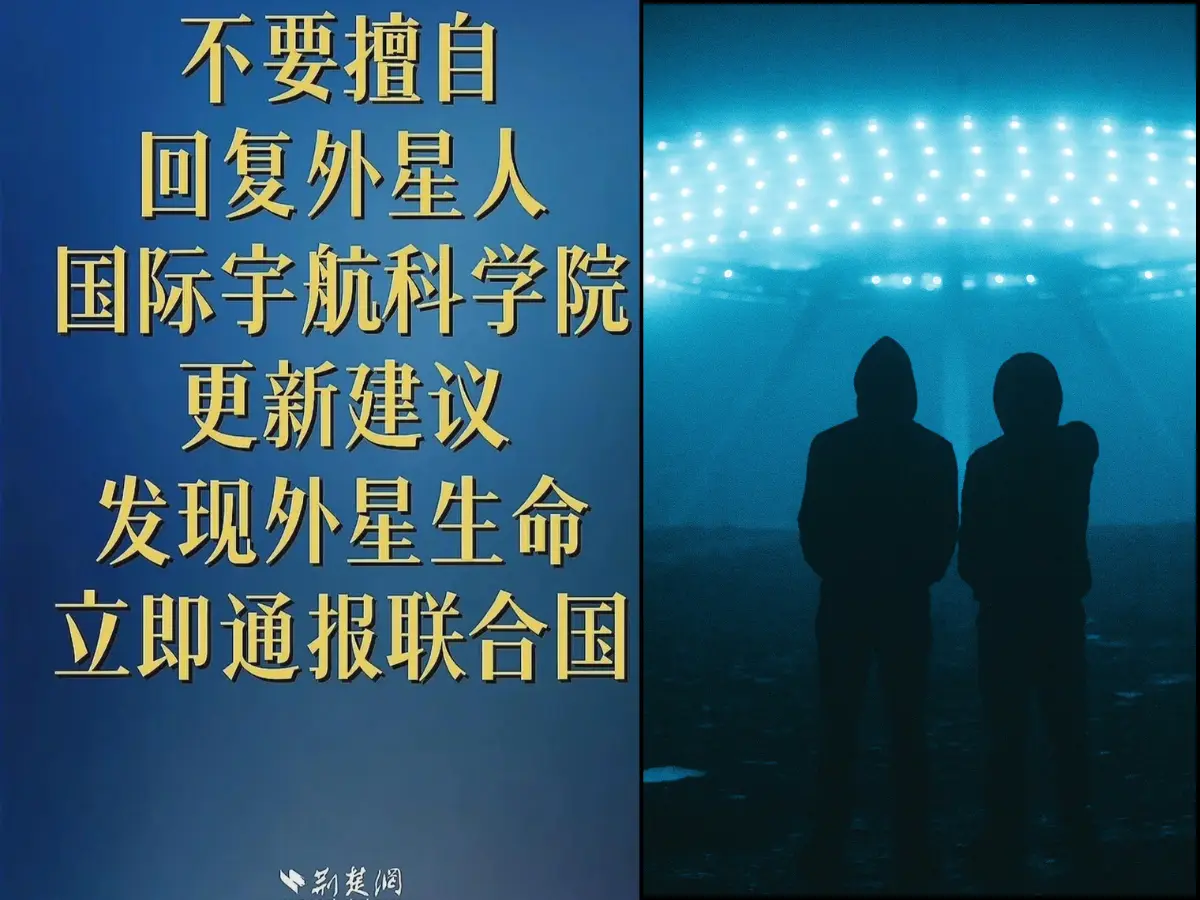)
Did China ask its people 'not to respond to aliens'? Origin of bizarre claim on social media
)
MS Dhoni-CSK Fallout? Report claims failed stake sale talks triggered rift
)
Japan to go nuclear? Russia warns Tokyo could get nukes within a year
)
Scientists reveal the SAFEST COUNTRY when catastrophe strikes the planet
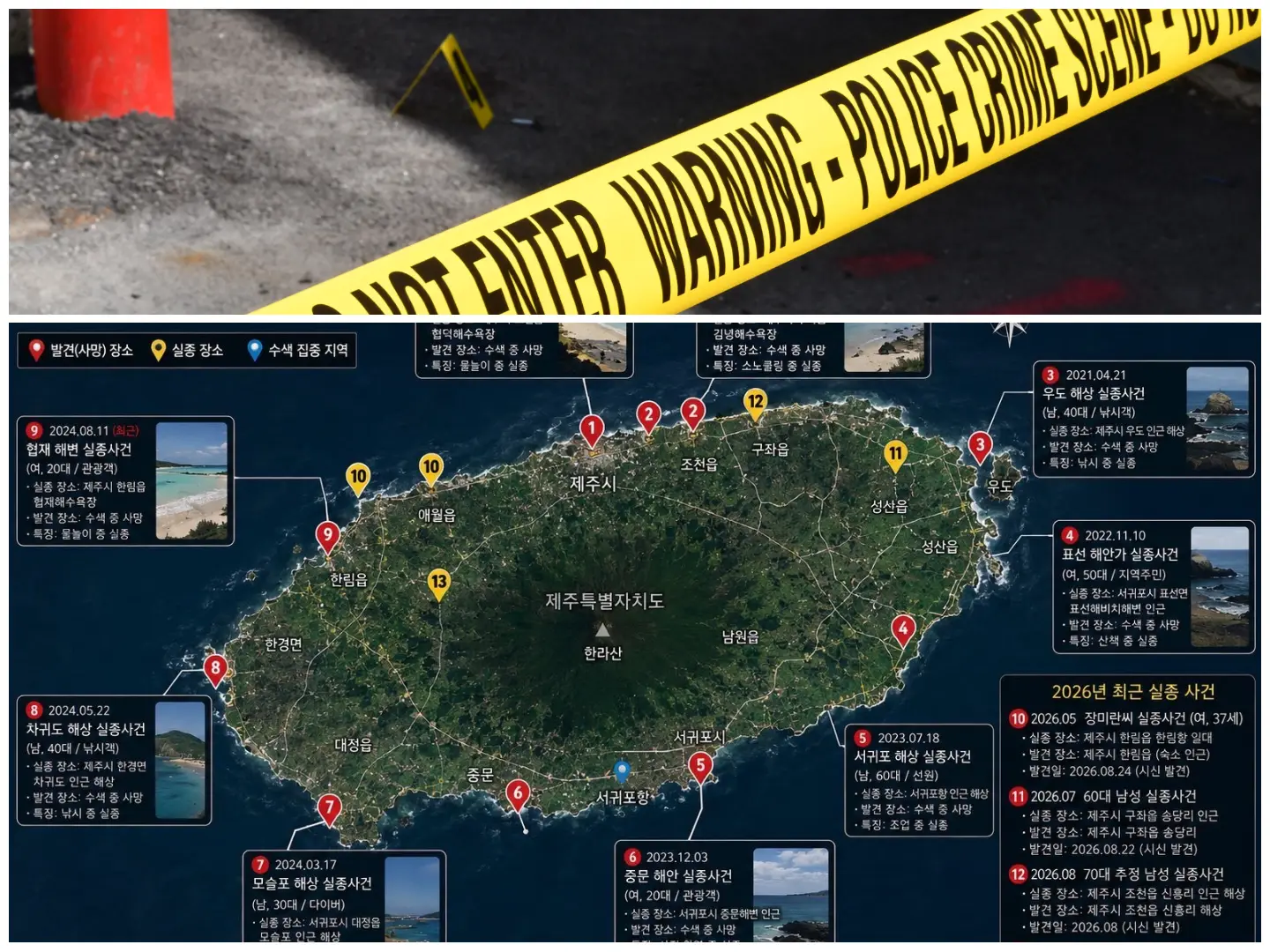)
Serial killer on the loose in South Korea's Jeju Island? Fourth body found in three days as more than a dozen people go missing
)
2/3rd of glacier detached, collapsed: ISRO satellite images reveal what triggered Nepal floods
)
'If he is dead, they're putting on a pretty good show': Trump casts fresh doubt over Mojtaba Khamenei's fate
)
Trump once again claims without him there would be ‘no Israel right now’
)
Foreign espionage attacks against German companies surge to 37%, Bitkom report reveals
)
Blake Lively wins partial legal fee from Justin Baldoni after $8M request
)
Why is Pakistan deploying Turkish Bayraktar TB2 drones near India border?
)
'OH MY GOD! We've found other agents!': Investigators discover not one or two, almost 700 OpenAI AI agents went rogue, hacked Hugging Face
)
Lunar eclipse 2026: India timings, places to see and more. August Blood moon factsheet
)
RSS chief Mohan Bhagwat on global outreach tour
)
16-year-old charged with preparing terror attack on kindergarten in Norway
)
Nepal floods: Over 165 dead, 400 missing; US, India, China, World Bank mobilise aid
)
India's multi-layered watch: The new surveillance war
)
5 doomsday planes spotted in US skies hours after CIA director's secret trip to Russia
)
9/11 mastermind Khalid Sheikh Mohammed to finally face trial in 2028, nearly 27 years after horrific attacks
)
Islamabad hospital fire: What we know about one of the biggest facility that housed Imran Khan
)
Workers run for life while filming Nepal flash flood: Scary new visuals emerge from Rasuwa
)
Russian military planes enter South Korean air defence zone amid rising tensions with North Korea: What's happening
)
WATCH | ‘Orange snake’ in the hills: Vande Bharat’s stunning Western Ghats journey goes viral
)
400-year-old 'vampire' grave in Poland reveals non-existent genetic lineage
)
Dolly Parton, global icon and queen of country music, dies at 80
)
Nepal flash floods: Kailash Mansarovar yatra affected, close to 400 pilgrims out of contact
)
Ron Weasley Is Back! Rupert Grint set to return to Harry Potter universe on Broadway
)
Man arrested near US Capitol with guillotine in pickup truck: What happened?
&im=FitAndFill=(700,400))
Why the Su-30MKI cockpit is painted bright turquoise green
In addition to the United States and Britain, the 18 countries that signed on to the new guidelines include Germany, Italy, the Czech Republic, Estonia, Poland, Australia, Chile, Israel, Nigeria and Singapore.
The framework deals with questions of how to keepAItechnology from being hijacked by hackers and includes recommendations such as only releasing models after appropriate security testing.
It does not tackle thorny questions around the appropriate uses ofAI, or how the data that feeds these models is gathered.
The rise ofAIhas fed a host of concerns, including the fear that it could be used to disrupt the democratic process, turbocharge fraud, or lead to dramatic job loss, among other harms.
Europe is ahead of the United States on regulations aroundAI, with lawmakers there draftingAIrules. France, Germany and Italy also recently reached an agreement on how artificial intelligence should be regulated that supports "mandatory self-regulation through codes of conduct" for so-called foundation models ofAI, which are designed to produce a broad range of outputs.
The Biden administration has been pressing lawmakers forAIregulation, but a polarized U.S. Congress has made little headway in passing effective regulation.
The White House sought to reduceAIrisks to consumers, workers, and minority groups while bolstering national security with a new executive order in October.