
&imwidth=800&imheight=600&format=webp&quality=medium "The Internet of Things (IoT): Why everything is getting smarter")
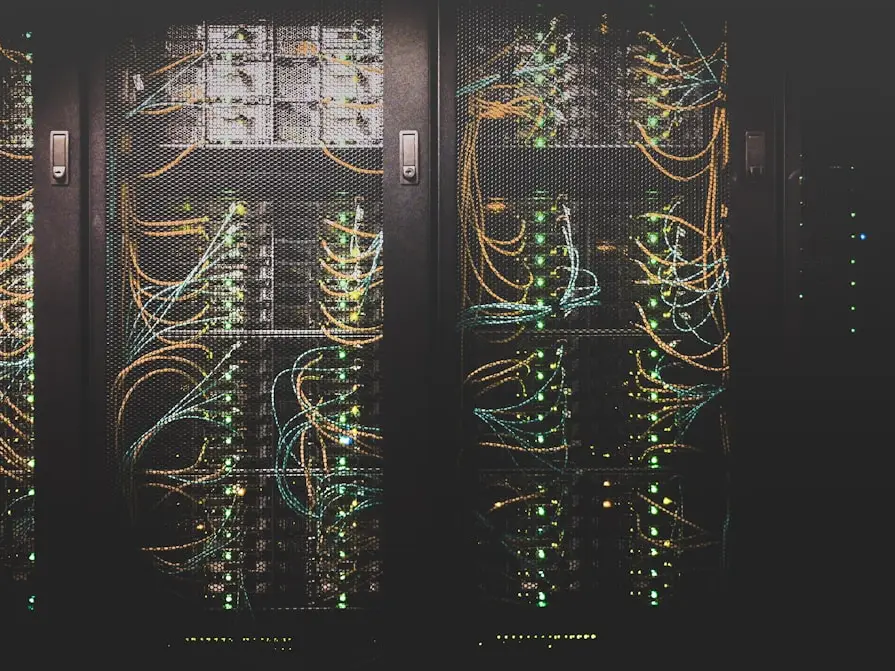
The Internet of Things (IoT) has evolved from a futuristic concept into the backbone of modern connectivity. By the end of 2025, billions of devices worldwide will be communicating seamlessly, transforming everything from household appliances to entire urban infrastructures.
This technological revolution isn't just about connectivity and convenience. It's reshaping how businesses operate, how cities function, and how we live our daily lives. From smart thermostats that learn our preferences to industrial sensors that prevent costly breakdowns, IoT is creating a more intelligent, responsive world.
Growth of IoT Devices

The numbers surrounding IoT (Internet of Things) adoption are growing rapidly. According to Statista, the global IoT market is projected to reach $1.39 trillion by 2025, with over 75 billion connected devices expected worldwide. This represents a massive increase from just 15 billion devices in 2020.
IoT Analytics reports that enterprise IoT connections alone grew by 18 per cent in 2024, with industrial IoT leading the charge. Manufacturing, healthcare, and logistics sectors are driving much of this expansion, seeking efficiency gains through real-time monitoring and automation.
The GSMA's latest intelligence report highlights that cellular IoT connections surpassed 2.4 billion globally in 2024, demonstrating the technology's reliability for mission-critical applications. This growth spans multiple sectors, from smart agriculture monitoring soil conditions to connected vehicles improving road safety.
Trending Stories
)
Samay Raina-Mukesh Chhabra controversy explained: What happened over girlfriend joke on India's Got Latent?
)
Putin's United Russia party wins 355 seats in Duma election; 4 other parties cross threshold to enter parliament
)
Asian Games: Indian women's hockey team thrash Indonesia 17-1, blasts 36 goals in 2 matches
)
FIFA chief Infantino wants to reform governing body with consultation from federations
)
40-foot waves crash into cruise ship in dangerous stretch near Antarctica. Watch
)
Four decades after leaving Kolkata, the Birlas may be coming back for more
)
Explainer: Why rare-earth export licences and Board of Trade are US priorities ahead of Trump-Xi summit
)
Saudi Arabia exits China-led mBridge digital currency platform amid Saudi-Houthi conflict
&im=FitAndFill=(700,400))
New OTT releases this week (September 21-27, 2026): Shaque: Trust No One, Hunkkaar, Don’t Be Shy- 5 new titles coming to Netflix, Prime Video and more
)
Microsoft executive called AI training the ‘largest theft of labour in human history’
)
UK PM Burnham agrees to 'defensive' military support for Saudi Arabia against Houthis
)
J&K Assembly Session begins amid chaos: BJP, ruling alliance clash as statehood demand dominates
)
The Scandal: Why so scandalous? Ji Chang Wook leaves you gasping for air
)
IIT Bombay tensions ease after three-hour open house; director’s assurances pacify students
)
US and China vie for AI dominance as calls grow for regulation | Gravitas
)
Taylor Swift has a 'proud wife' moment as Travis Kelce scores first touchdown of season: 'That’s my husband!'
)
Samsung raises Galaxy S26 prices by Rs 20,000: Here’s what each model now costs
)
Pilot recreates Mona Lisa in sky over Oklahoma and Arkansas in four-hour flight: VIDEO
)
Bessent meets China’s He Lifeng to prepare for Trump-Xi summit
)
Iranian airlines to shut worldwide on Sept 23, Bessent warns of US banking ban
)
Glitch in the matrix caught on camera: Woman vanishes after talking to reporter
)
US-Iran war, peace deals and more: What to expect from Trump's UNGA 2026 speech
)
From ‘communist’ to ‘great mayor’: Trump praises Mamdani after New York meeting, discusses immigration and housing
)
Russia-Ukraine war: Russian strikes knock out three of Ukraine's largest steel plants
)
North Korea's nuclear tests triggered 1,399 earthquakes: Earth is still shaking | Gravitas
)
'Lot of things to learn from experienced players': Jayasuriya backs Rohit, Virat for 2027 ODI World Cup
)
BTS fans mock iHeartRadio’s day 2 turnout after short set controversy
)
China expels top generals Zhang Youxia, Liu Zhenli over ‘disloyalty’, corruption
)
Trump says Russia has ‘lost control’ of its diesel industry, calls for end to ‘ridiculous, never-ending’ war
)
‘0% chance’: Nvidia CEO Jensen Huang dismisses AI extinction fears by 2030
)
Trump's helipad event overshadowed by audio failure as major TV networks suspend pool coverage
)
White House TV pool halts Trump coverage after CNN barred from UNGA events
)
Jailer 2: Vidya Balan joins Rajinikanth's upcoming film as Kantha | Watch
)
8,000 bees worth over $20,000 stolen from hives in Queensland
)
The Verdict | The Mecca Agreement is under scrutiny as Houthis attack Saudis
)
Mahabharat actor Saurav Gurjar arrested in Hyderabad, sent to 14-day judicial custody in sexual exploitation case
)
WATCH | Mysterious lights over Tehran caught on video. Drone, aircraft or something else?
)
Delhi Air pollution: Strict crackdown on waste burning
Privacy and Security in a Connected World
As IoT devices proliferate, security concerns have become paramount. The BBC's recent investigation revealed that many consumer IoT devices lack basic security protocols, making them vulnerable to cyber attacks and data breaches.
Industry experts emphasise that security must be built into IoT devices from the ground up, not added as an afterthought. The European Union's Cyber Resilience Act, coming into effect in 2025, mandates stricter security standards for IoT manufacturers.
Privacy concerns also loom large as these devices collect vast amounts of personal data. From smart speakers recording conversations to fitness trackers monitoring health metrics, users must carefully consider what information they're willing to share for convenience.
Data encryption, regular software updates, and transparent privacy policies are becoming essential requirements rather than optional features in the IoT ecosystem.
The Future: Smarter Cities
Smart city initiatives represent perhaps the most ambitious application of IoT technology. Cities worldwide are deploying interconnected systems to manage traffic, reduce energy consumption, and improve public services.
)
IoT sensors monitoring consumption in Barcelona's smart city Photograph: (X)
Barcelona's smart city project has reduced water usage by 25 per cent through IoT sensors monitoring consumption patterns, whilst Singapore's smart traffic management system has cut travel times by up to 15 per cent using real-time data analytics.
The integration of 5G networks is accelerating smart city development is providing the high-speed, low-latency connections necessary for real-time urban management. From autonomous public transport to predictive maintenance of infrastructure, cities are becoming living, breathing digital ecosystems.
Looking ahead, the combination of IoT, artificial intelligence, and edge computing promises even more sophisticated urban solutions.
Cities will anticipate problems before they occur, optimise resource usage automatically, and provide personalised services to residents.
The IoT revolution is far from complete. As IoT devices become more intelligent and interconnected, we're moving towards a world where technology seamlessly integrates into every aspect of our lives.
