
&imwidth=800&imheight=600&format=webp&quality=medium "Elon Musk wants humanoid robots to build Moon factories, says it could make Earth's economy 1,000 times bigger")
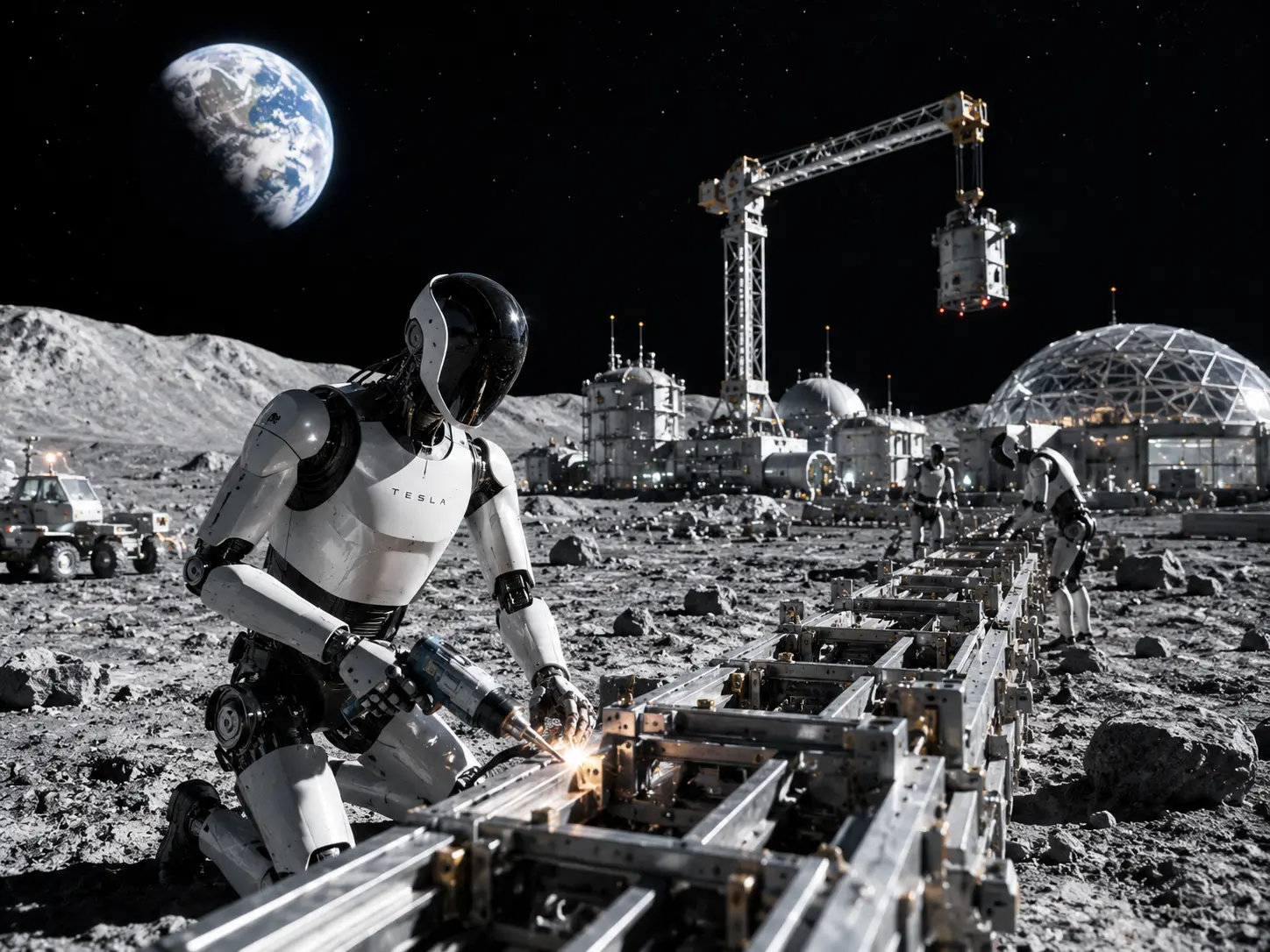
Elon Musk has outlined one of SpaceX's most ambitious ideas yet: sending humanoid robots to the Moon to build factories and industrial infrastructure before humans take over. Speaking during the company's latest earnings call, Musk said robotic construction on the lunar surface could eventually help expand Earth's economy by as much as 1,000 times. "It sounds super sci-fi right now, but it's going to happen," Musk said, describing a future where autonomous machines manufacture equipment and build critical infrastructure beyond Earth.
Why Musk wants factories on the Moon
According to Musk, building factories in space offers several advantages over Earth-based manufacturing. Cooling systems would require fewer resources, while autonomous robots could perform dangerous or repetitive work without human intervention. Musk also argued that SpaceX's satellites should already be viewed as robots because they operate autonomously and do not require regular servicing. One of the long-term goals is to build a mass accelerator on the Moon a system capable of launching cargo into space without traditional rockets. Musk believes humanoid robots would be essential for constructing and maintaining such large-scale infrastructure. However, he admitted the proposal currently sounds "totally nuts" and offered no timeline for when it could become reality.

Will Tesla's Optimus robots be used?
SpaceX did not reveal whether it plans to deploy Tesla's Optimus humanoid robots or develop a new generation of robotic workers specifically for lunar operations. The company also did not disclose investment plans or a roadmap for building Moon-based factories. For now, the project remains part of Musk's long-term vision for expanding humanity's industrial footprint beyond Earth. The announcement comes days after a discarded upper stage of a SpaceX Falcon 9 rocket reportedly impacted the Moon after drifting in space for more than a year following a 2025 lunar mission.
Nvidia partnership powers SpaceX's AI ambitions
Trending Stories
)
Trump says Russia has ‘lost control’ of its diesel industry, calls for end to ‘ridiculous, never-ending’ war
)
Putin's United Russia party wins 355 seats in Duma election; 4 other parties cross threshold to enter parliament
)
Delhi Air pollution: Strict crackdown on waste burning
)
‘0% chance’: Nvidia CEO Jensen Huang dismisses AI extinction fears by 2030
)
Samay Raina-Mukesh Chhabra controversy explained: What happened over girlfriend joke on India's Got Latent?
)
Trump's helipad event overshadowed by audio failure as major TV networks suspend pool coverage
)
Russia-Ukraine war: Russian strikes knock out three of Ukraine's largest steel plants
)
Four decades after leaving Kolkata, the Birlas may be coming back for more
)
Glitch in the matrix caught on camera: Woman vanishes after talking to reporter
)
IIT Bombay tensions ease after three-hour open house; director’s assurances pacify students
)
Samsung raises Galaxy S26 prices by Rs 20,000: Here’s what each model now costs
)
J&K Assembly Session begins amid chaos: BJP, ruling alliance clash as statehood demand dominates
)
Bessent meets China’s He Lifeng to prepare for Trump-Xi summit
)
8,000 bees worth over $20,000 stolen from hives in Queensland
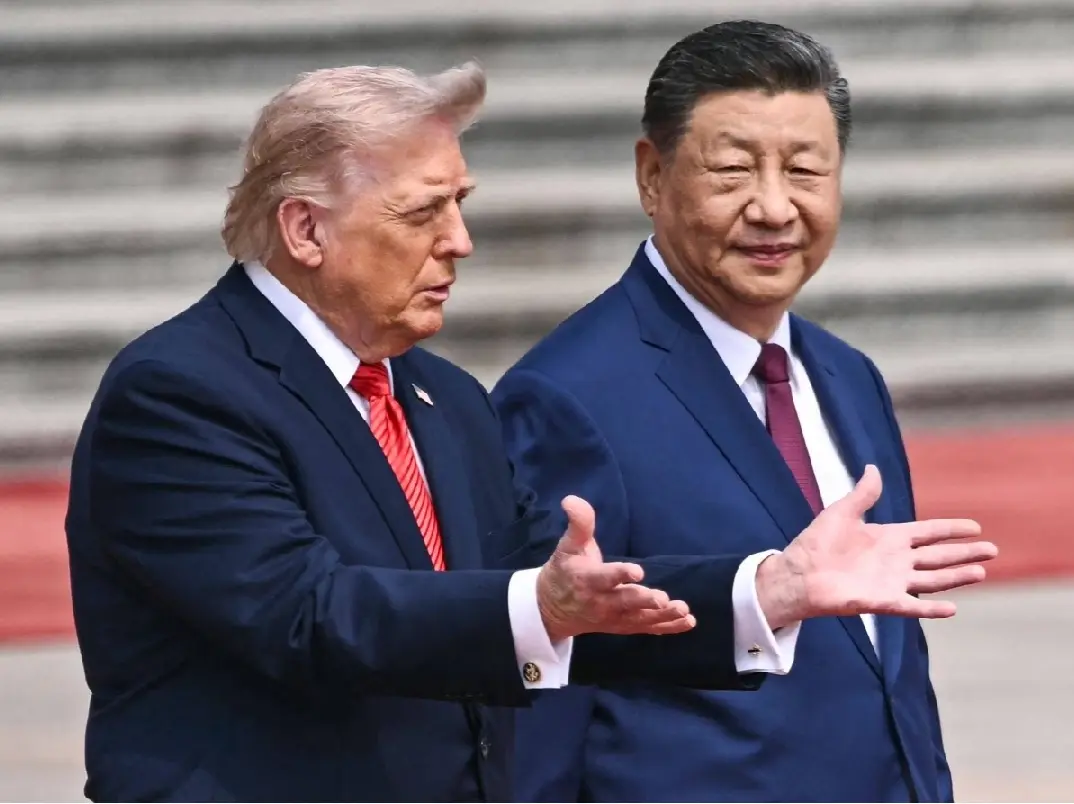)
US and China vie for AI dominance as calls grow for regulation | Gravitas
)
FIFA chief Infantino wants to reform governing body with consultation from federations
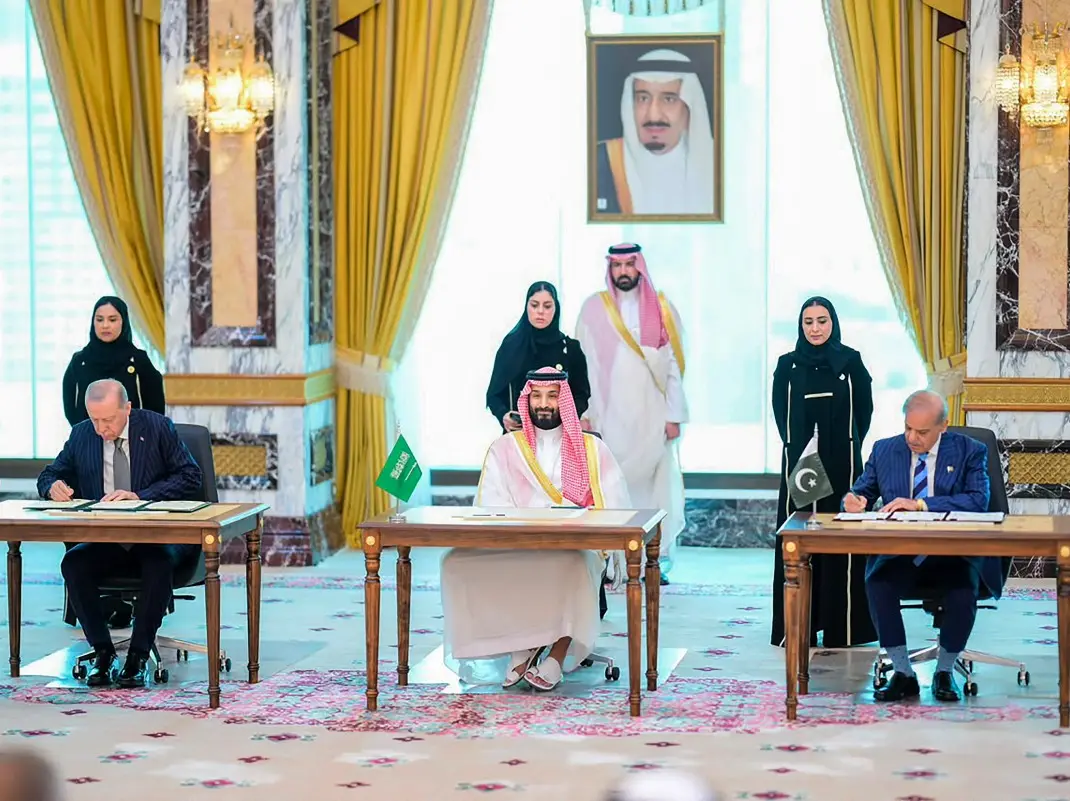)
The Verdict | The Mecca Agreement is under scrutiny as Houthis attack Saudis
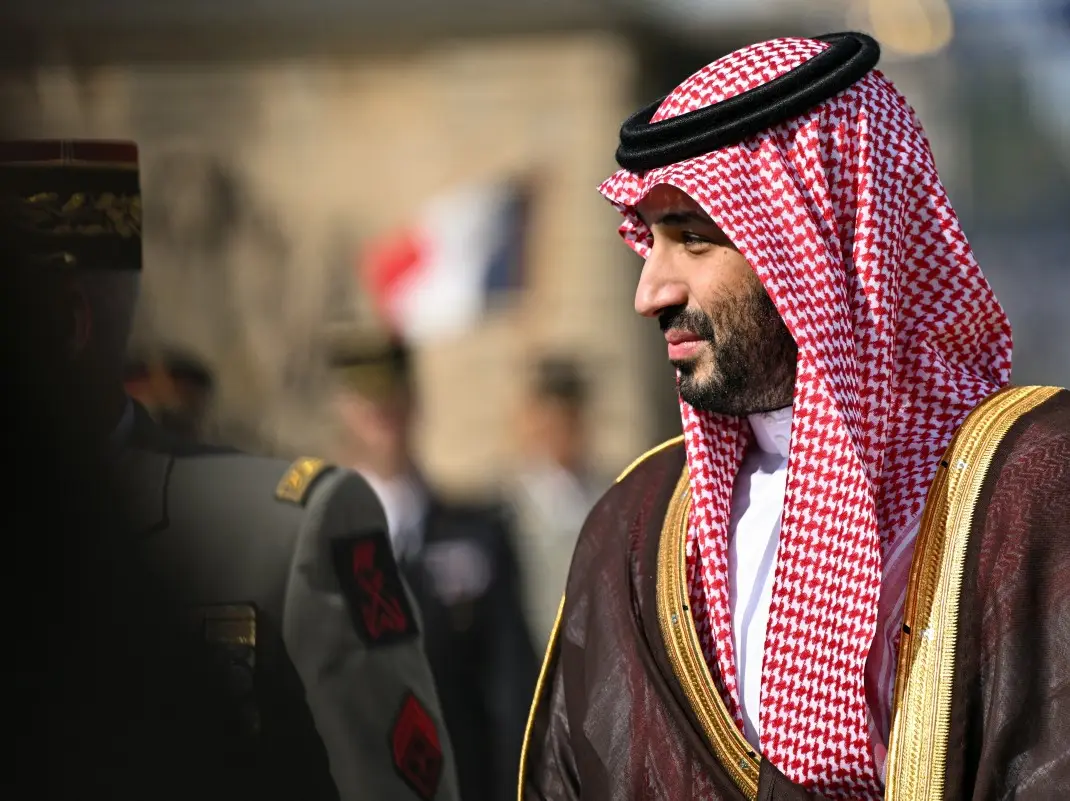)
Saudi Arabia exits China-led mBridge digital currency platform amid Saudi-Houthi conflict
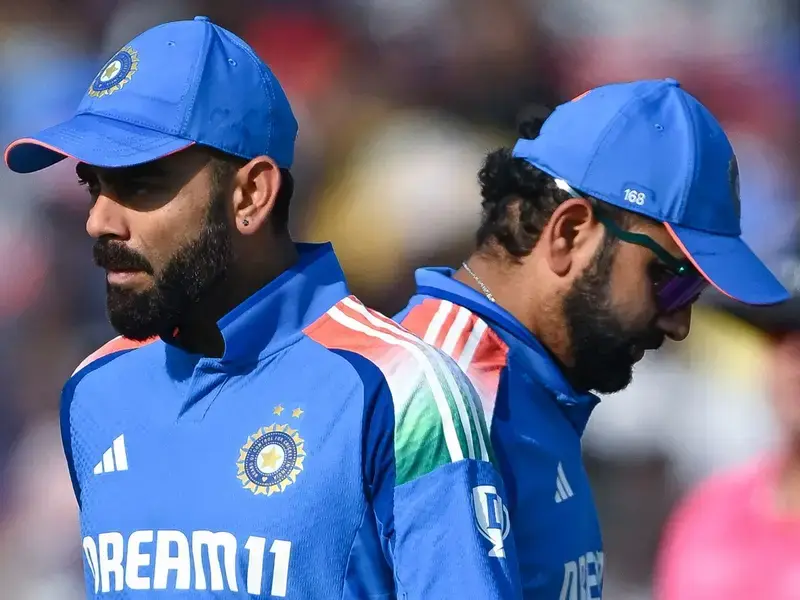)
'Lot of things to learn from experienced players': Jayasuriya backs Rohit, Virat for 2027 ODI World Cup
)
Taylor Swift has a 'proud wife' moment as Travis Kelce scores first touchdown of season: 'That’s my husband!'
)
North Korea's nuclear tests triggered 1,399 earthquakes: Earth is still shaking | Gravitas
)
Mahabharat actor Saurav Gurjar arrested in Hyderabad, sent to 14-day judicial custody in sexual exploitation case
&im=FitAndFill=(700,400))
New OTT releases this week (September 21-27, 2026): Shaque: Trust No One, Hunkkaar, Don’t Be Shy- 5 new titles coming to Netflix, Prime Video and more
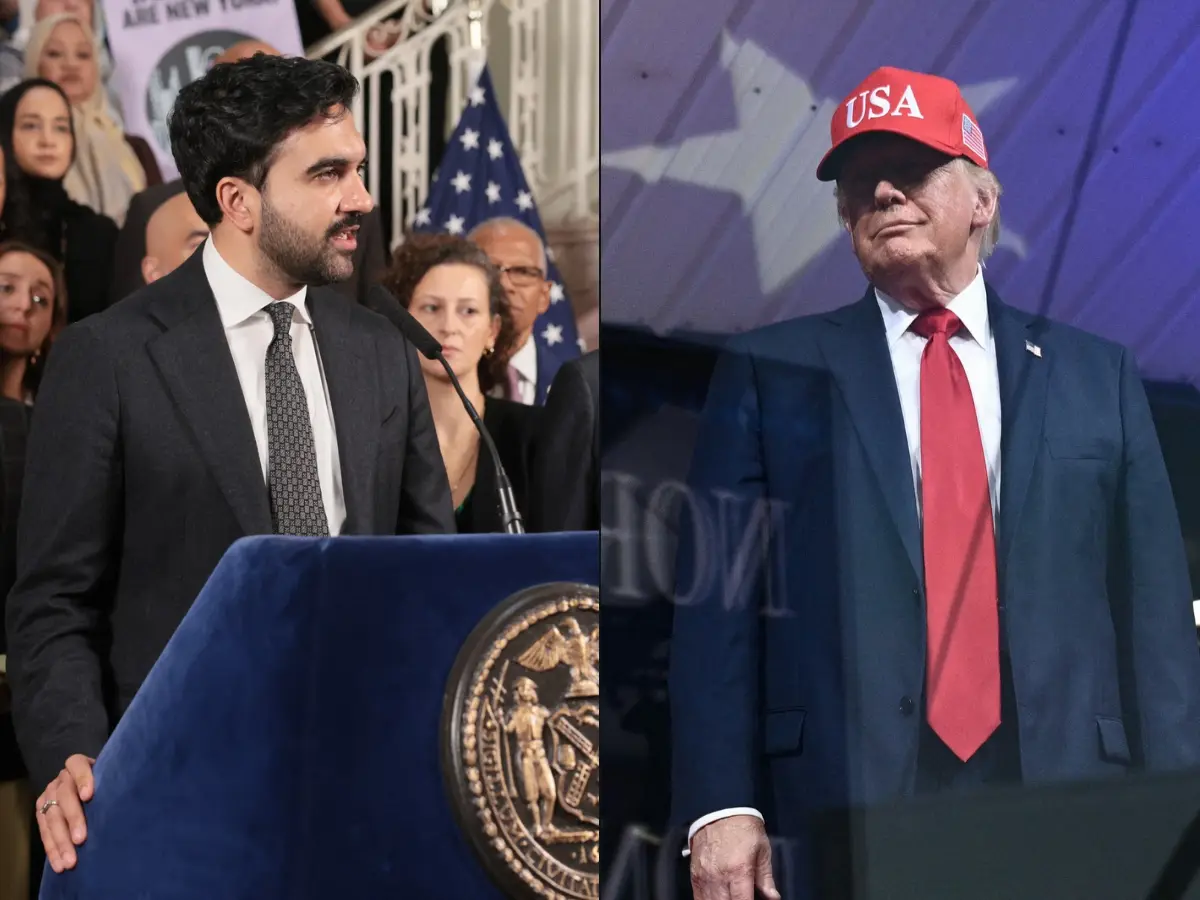)
From ‘communist’ to ‘great mayor’: Trump praises Mamdani after New York meeting, discusses immigration and housing
)
WATCH | Mysterious lights over Tehran caught on video. Drone, aircraft or something else?
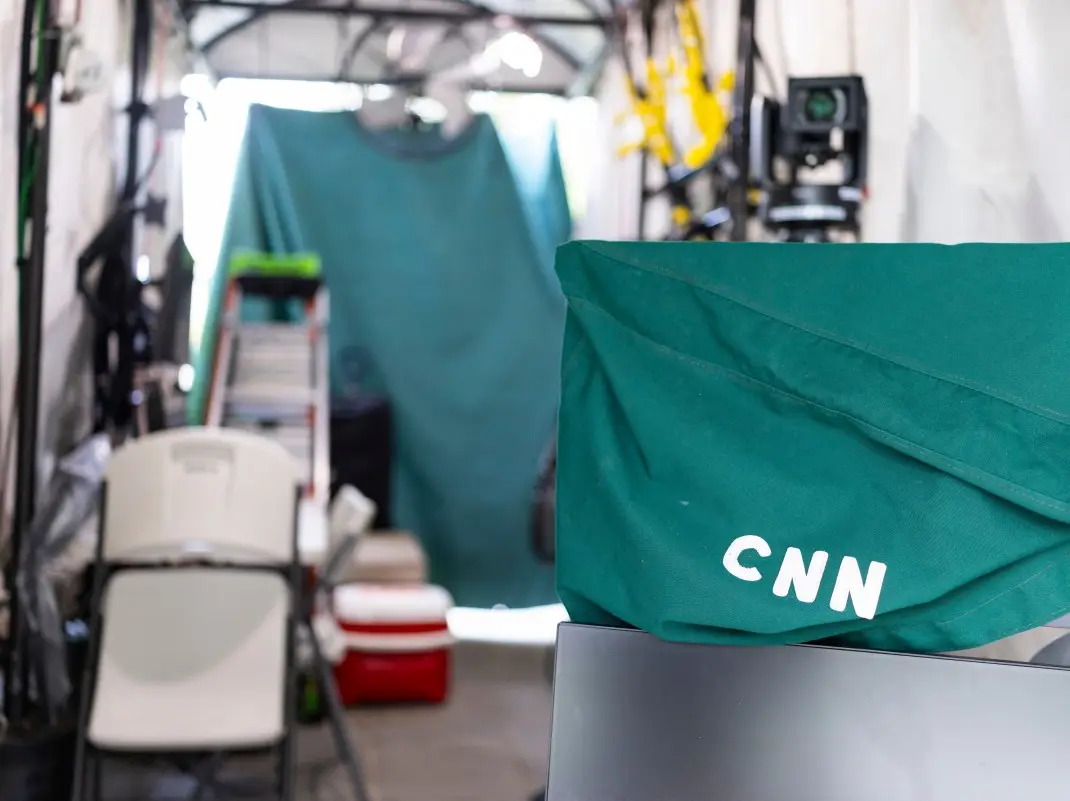)
White House TV pool halts Trump coverage after CNN barred from UNGA events
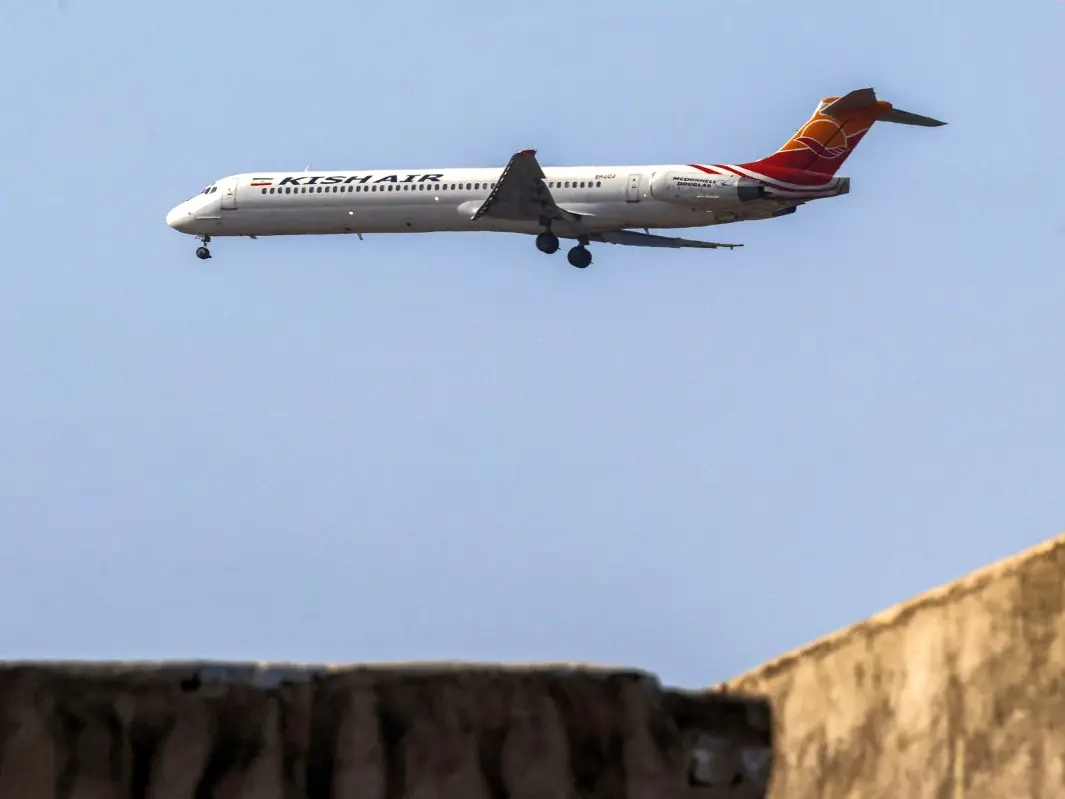)
Iranian airlines to shut worldwide on Sept 23, Bessent warns of US banking ban
)
China expels top generals Zhang Youxia, Liu Zhenli over ‘disloyalty’, corruption
)
Pilot recreates Mona Lisa in sky over Oklahoma and Arkansas in four-hour flight: VIDEO
)
UK PM Burnham agrees to 'defensive' military support for Saudi Arabia against Houthis
)
Jailer 2: Vidya Balan joins Rajinikanth's upcoming film as Kantha | Watch
)
Microsoft executive called AI training the ‘largest theft of labour in human history’
)
40-foot waves crash into cruise ship in dangerous stretch near Antarctica. Watch
)
US-Iran war, peace deals and more: What to expect from Trump's UNGA 2026 speech
)
Explainer: Why rare-earth export licences and Board of Trade are US priorities ahead of Trump-Xi summit
)
BTS fans mock iHeartRadio’s day 2 turnout after short set controversy
)
The Scandal: Why so scandalous? Ji Chang Wook leaves you gasping for air
Alongside its lunar plans, SpaceX also announced a partnership with Nvidia to develop Starmind AI-1, an orbital data centre powered by Nvidia's latest Rubin GPUs and Vera CPUs. Musk said the first Starmind satellites are expected to launch next year and confirmed SpaceX will build its AI infrastructure exclusively on Nvidia hardware. "We think the Vera Rubin architecture is the best AI computer," Musk said, calling Nvidia a key strategic partner as SpaceX expands its artificial intelligence capabilities both in orbit and, eventually, on the Moon.
