Alibaba’s AI cloud revenue seen surging over 50% as massive investment starts paying off

&imwidth=600&imheight=450&format=webp&quality=medium "Alibaba’s AI cloud revenue seen surging over 50% as massive investment starts paying off")
Alibaba’s AI revenue boom gains speed as cloud business powers growth
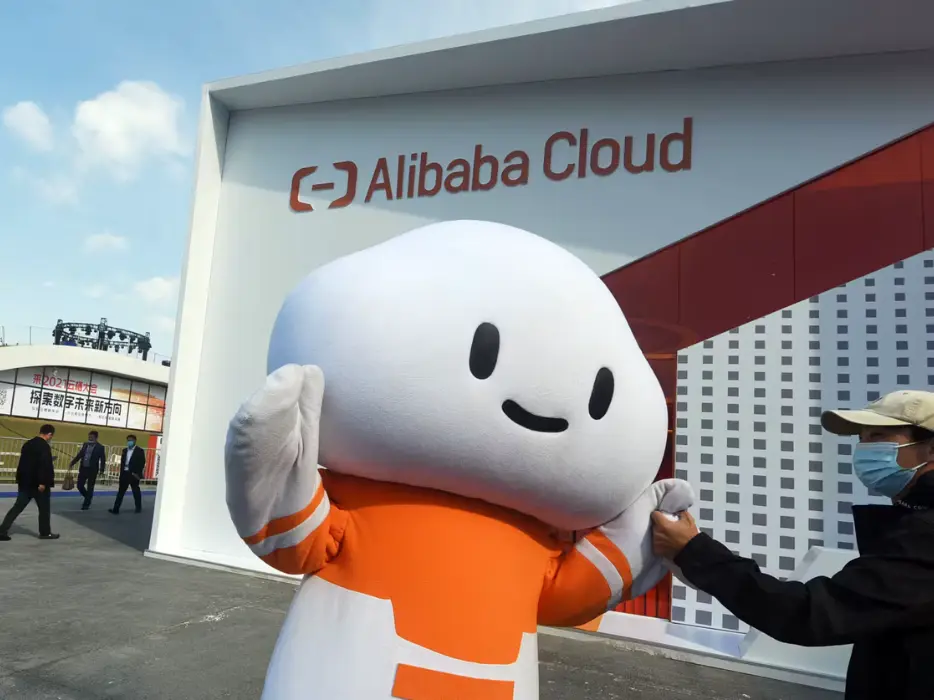
Alibaba’s AI Cloud and Compute Services revenue is expected to grow more than 50 per cent in the September quarter, according to analysts. Rising margins and strong AI demand suggest its heavy investment in chips, data centres and models is beginning to pay off.
Alibaba’s aggressive artificial intelligence investment is beginning to show signs of paying off, with analysts expecting its AI cloud revenue to surge by more than 50 per cent in the September quarter.
Analysts across several financial institutions expect Alibaba’s AI Cloud and Compute Services unit to accelerate from the 45 per cent growth recorded in the previous quarter. Profit margins are also forecast to improve, suggesting the company is beginning to turn its huge AI spending into a more profitable business.
Alibaba’s AI cloud growth gathers pace
Jefferies expects the unit’s profit margin to reach 12.3 per cent for the quarter, while Longbridge Securities forecasts an EBITA margin of about 15 per cent, up from 12 per cent in the June quarter. The latest expectations follow a strong June quarter, when Alibaba’s AI cloud business generated 48.4 billion yuan ($7.2 billion) in revenue. It was the segment’s fastest growth rate in 22 quarters. The AI Lab and Applications division is also expected to grow. Longbridge forecasts a 20 per cent year-on-year increase, up from 16 per cent in the previous quarter. The unit includes Alibaba’s AI model operations, Qwen Consumer Business Group and QwenWork. Losses in that division are expected to narrow to between 10 billion and 11 billion yuan.
Alibaba is spending heavily on AI
Alibaba has been rapidly expanding its AI infrastructure. At its annual Apsara Conference in September, the company unveiled the Zhenwu V900 processor, describing it as its most powerful AI chip in China. It also outlined plans to train an AI model with up to 10 trillion parameters. Alibaba wants to expand its global data centre capacity to more than 20 gigawatts by 2032. To fund that push, the company raised around HK80billion(10.2 billion) through a new share issue in August. It was Alibaba’s first share placement since its Hong Kong listing in 2019.
Trending Stories
&imwidth=280&imheight=210&format=webp&quality=medium)
&imwidth=280&imheight=210&format=webp&quality=medium)
&imwidth=280&imheight=210&format=webp&quality=medium)
&imwidth=280&imheight=210&format=webp&quality=medium)
&imwidth=280&imheight=210&format=webp&quality=medium)
&imwidth=280&imheight=210&format=webp&quality=medium)
&imwidth=280&imheight=210&format=webp&quality=medium)
&imwidth=280&imheight=210&format=webp&quality=medium)
&imwidth=280&imheight=210&format=webp&quality=medium)
&imwidth=280&imheight=210&format=webp&quality=medium)
&imwidth=280&imheight=210&format=webp&quality=medium)
&imwidth=280&imheight=210&format=webp&quality=medium)
&imwidth=280&imheight=210&format=webp&quality=medium)
&imwidth=280&imheight=210&format=webp&quality=medium)
&imwidth=280&imheight=210&format=webp&quality=medium)
&imwidth=280&imheight=210&format=webp&quality=medium)
&imwidth=280&imheight=210&format=webp&quality=medium)
&imwidth=280&imheight=210&format=webp&quality=medium)
&imwidth=280&imheight=210&format=webp&quality=medium)
&imwidth=280&imheight=210&format=webp&quality=medium)
&im=FitAndFill=(700,400)&imwidth=280&imheight=210&format=webp&quality=medium)
&imwidth=280&imheight=210&format=webp&quality=medium)
&imwidth=280&imheight=210&format=webp&quality=medium)
&imwidth=280&imheight=210&format=webp&quality=medium)
&imwidth=280&imheight=210&format=webp&quality=medium)
&imwidth=280&imheight=210&format=webp&quality=medium)
&imwidth=280&imheight=210&format=webp&quality=medium)
&imwidth=280&imheight=210&format=webp&quality=medium)
&imwidth=280&imheight=210&format=webp&quality=medium)
&imwidth=280&imheight=210&format=webp&quality=medium)
&imwidth=280&imheight=210&format=webp&quality=medium)
&imwidth=280&imheight=210&format=webp&quality=medium)
&im=FitAndFill=(700,400)&imwidth=280&imheight=210&format=webp&quality=medium)
&imwidth=280&imheight=210&format=webp&quality=medium)
&imwidth=280&imheight=210&format=webp&quality=medium)
&imwidth=280&imheight=210&format=webp&quality=medium)
&imwidth=280&imheight=210&format=webp&quality=medium)
Chairman Joe Tsai has also said AI will be “infused in every aspect” of Alibaba’s business over the next five years, helped by the company's huge e-commerce ecosystem.
Can AI profits offset Alibaba’s wider costs?
Alibaba’s overall September-quarter revenue is expected to rise 9.6 per cent year on year, according to Jefferies, slightly ahead of the 9 per cent growth recorded previously.
The cloud business could become increasingly important as Alibaba tries to offset losses from its AI investments. Jefferies expects cloud profits to cover quarterly losses from the AI Lab and Applications segment by the end of December.
However, Alibaba’s core e-commerce business remains under pressure from fierce domestic competition. Its quick-commerce division is also expected to post a quarterly loss of around 9.8 billion yuan, although that would be an improvement.
Alibaba shares fell 1 per cent to HK$104.30 on Wednesday amid a broader decline in Chinese technology stocks. The company is expected to report its September-quarter earnings in November. That report will provide a clearer test of whether Alibaba’s massive AI spending is translating into sustainable growth and profits.
