AI 'godfather' Yann LeCun challenges Anthropic over AI safety warnings: Is it about safety or control?

&imwidth=600&imheight=450&format=webp&quality=medium "AI 'godfather' Yann LeCun challenges Anthropic over AI safety warnings: Is it about safety or control?")
'Godfather of AI' Yann LeCun pushes back against calls to slow AI development
AI pioneer Yann LeCun has challenged Anthropic CEO Dario Amodei's approach to AI safety, warning that broad restrictions could strengthen corporate control over powerful models. He defended open-source AI and argued for engineering-based safeguards.
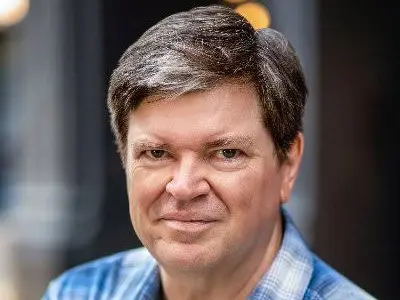
AI pioneer Yann LeCun has challenged Anthropic's approach to artificial intelligence safety, questioning whether warnings about the technology's dangers could be used to justify restrictions that benefit powerful companies. Speaking during an interview at the Westin Chosun Seoul, the Turing Award-winning computer scientist criticised Anthropic CEO Dario Amodei's stance on releasing advanced AI models.
LeCun argued that safety concerns should be addressed through engineering rather than broad limits on development or public access. His remarks raise a central question: Who should control the future of AI?
Why is Yann LeCun criticising Anthropic?
According to South Korean publication Chosun, LeCun questioned whether warnings about AI risks could influence government policies in ways that favour established technology companies. He argued that restricting access to powerful AI models could concentrate knowledge and influence among a small number of organisations.
LeCun specifically defended access to model weights, the numerical values that determine how a trained AI system works. Making these weights available allows researchers and developers to study, modify and improve existing models without building everything from scratch. He also drew a historical comparison with restrictions on printing in the Ottoman Empire, arguing that limiting access to knowledge can slow its spread.
Why does LeCun disagree with AI danger warnings?
Trending Stories
&imwidth=280&imheight=210&format=webp&quality=medium)
&imwidth=280&imheight=210&format=webp&quality=medium)
&imwidth=280&imheight=210&format=webp&quality=medium)
&imwidth=280&imheight=210&format=webp&quality=medium)
&imwidth=280&imheight=210&format=webp&quality=medium)
&imwidth=280&imheight=210&format=webp&quality=medium)
&imwidth=280&imheight=210&format=webp&quality=medium)
&imwidth=280&imheight=210&format=webp&quality=medium)
&imwidth=280&imheight=210&format=webp&quality=medium)
&imwidth=280&imheight=210&format=webp&quality=medium)
&imwidth=280&imheight=210&format=webp&quality=medium)
&imwidth=280&imheight=210&format=webp&quality=medium)
&imwidth=280&imheight=210&format=webp&quality=medium)
&imwidth=280&imheight=210&format=webp&quality=medium)
&imwidth=280&imheight=210&format=webp&quality=medium)
&imwidth=280&imheight=210&format=webp&quality=medium)
&imwidth=280&imheight=210&format=webp&quality=medium)
&imwidth=280&imheight=210&format=webp&quality=medium)
&imwidth=280&imheight=210&format=webp&quality=medium)
&imwidth=280&imheight=210&format=webp&quality=medium)
&imwidth=280&imheight=210&format=webp&quality=medium)
&imwidth=280&imheight=210&format=webp&quality=medium)
&imwidth=280&imheight=210&format=webp&quality=medium)
&imwidth=280&imheight=210&format=webp&quality=medium)
&imwidth=280&imheight=210&format=webp&quality=medium)
&imwidth=280&imheight=210&format=webp&quality=medium)
&im=FitAndFill=(700,400)&imwidth=280&imheight=210&format=webp&quality=medium)
&imwidth=280&imheight=210&format=webp&quality=medium)
&imwidth=280&imheight=210&format=webp&quality=medium)
&imwidth=280&imheight=210&format=webp&quality=medium)
&imwidth=280&imheight=210&format=webp&quality=medium)
&imwidth=280&imheight=210&format=webp&quality=medium)
&imwidth=280&imheight=210&format=webp&quality=medium)
&imwidth=280&imheight=210&format=webp&quality=medium)
&imwidth=280&imheight=210&format=webp&quality=medium)
LeCun has questioned whether today's large language models justify warnings about artificial intelligence posing an existential threat to humanity.
He argues that current systems still have significant limitations and that safety measures should reflect their actual capabilities. His position differs from the more cautious approach associated with Anthropic and its CEO, Dario Amodei.
Supporters of tighter controls argue that advanced AI systems may create risks that are difficult to predict, making restrictions necessary in some circumstances.
LeCun, however, believes sweeping limits could prevent independent researchers from examining the technology and developing better safeguards.
Open-source AI vs closed models: Why does it matter?
The disagreement extends beyond AI safety. It also concerns competition, scientific research and public access to technology. Openly available AI models allow smaller companies, universities and independent developers to build on existing research.
However, releasing powerful models more widely can also make it harder to control how they are modified or used. For ordinary users, these decisions could influence which AI tools become available, who develops them and how much independent scrutiny they receive. LeCun's criticism highlights a growing disagreement within the industry: how to protect people from credible AI risks without allowing a few companies to control access to increasingly powerful technology.
