IND vs ENG: Gill given LBW despite impact being outside off? Here's what ICC rule says

&imwidth=600&imheight=450&format=webp&quality=medium "IND vs ENG: Gill given LBW despite impact being outside off? Here's what ICC rule says")
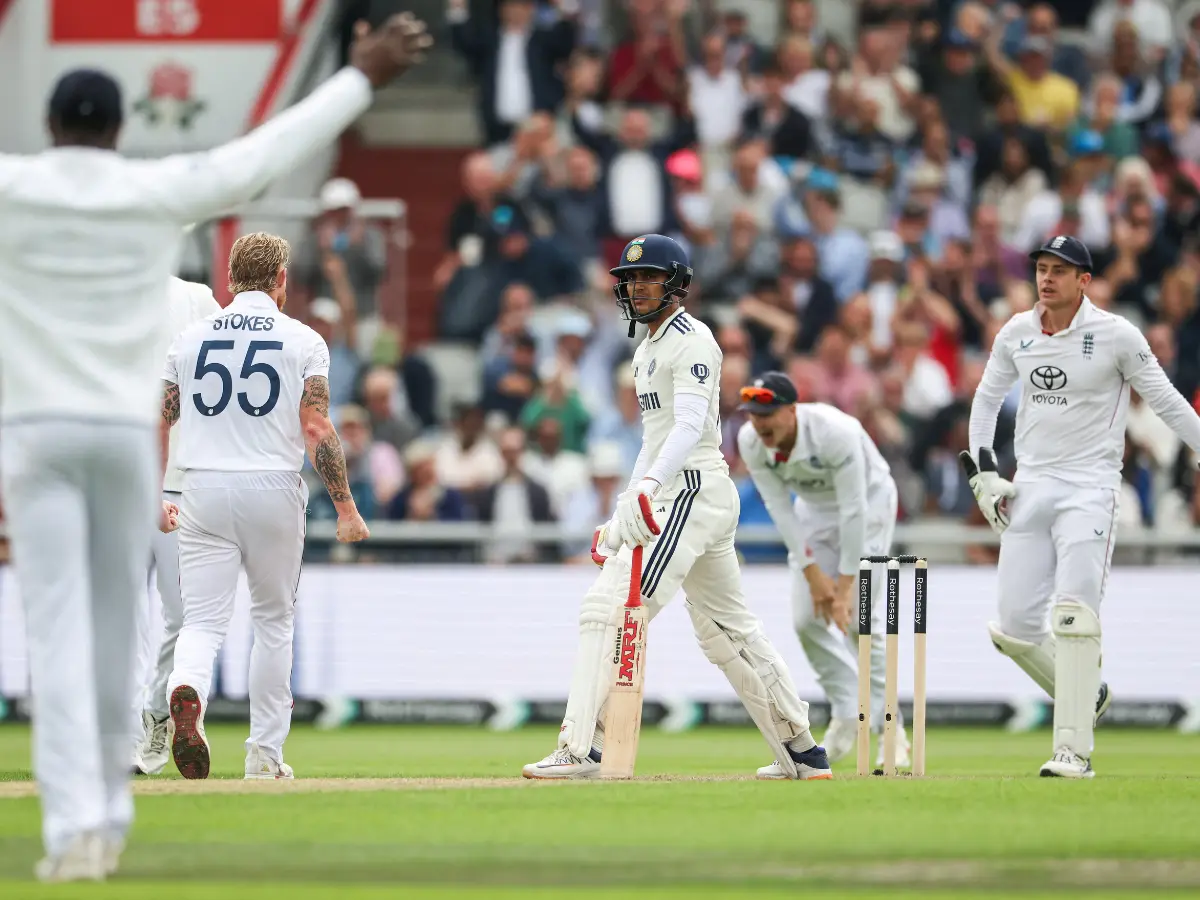
Gill after being trapped in front of the wickets Photograph: (AFP)
On the first ball of the 50th over during India's innings, a sharp inswinger from Ben Stokes landed on good length patch and struck Gill's pads. Stokes immediately appealed, joined by other English players.
The ongoing fourth Test between India and England at Manchester has raised eyebrows over the dismissal of Indian skipper Shubman Gill. On the first ball of the 50th over during India's innings, a sharp inswinger from Ben Stokes landed on good length patch and struck Gill's pads. Stokes immediately appealed, joined by other English players. However, the on-field umpire didn't show much interest and turned down the appeal. England reviewed the decision, and when the ball tracking was displayed on the big screen, it showed that the ball pitched in-line, the impact was outside the off-stump and ball was hitting the wickets. Despite this information, the third umpire declared Gill out.
Many Indian fans were confused about how Gill was sent back to the pavilion, given the impact was outside off. To understand the same, let's have a look at the International Cricket Council's (ICC) playing conditions.
Also read | Who holds the highest Test score record for India at Old Trafford? He is a former India skipper
Why was Gill declared out?
The Indian skipper was given out after choosing to leave the ball, meaning no shot was offered by him. According to ICC rules, a batter can be declared LBW even if the ball impacts outside the off stump, provided no shot is attempted by the batter. In contrast, had Shubman Gill shown any attempt to play the ball with his bat, he would not have been ruled out under the same circumstances.
This is elaborated in ICC's playing conditions for Test cricket; according to clause 36.1.4, “if the batter has made no genuine attempt to play the ball with the bat and is between wickets and outside the line of the off stump and clause 36.1.5, but for the interception, the ball would have hit the wicket.”
Trending Stories
&imwidth=280&imheight=210&format=webp&quality=medium)
&im=FitAndFill=(700,400)&imwidth=280&imheight=210&format=webp&quality=medium)
&imwidth=280&imheight=210&format=webp&quality=medium)
&imwidth=280&imheight=210&format=webp&quality=medium)
&imwidth=280&imheight=210&format=webp&quality=medium)
&imwidth=280&imheight=210&format=webp&quality=medium)
&imwidth=280&imheight=210&format=webp&quality=medium)
&imwidth=280&imheight=210&format=webp&quality=medium)
&imwidth=280&imheight=210&format=webp&quality=medium)
&imwidth=280&imheight=210&format=webp&quality=medium)
&imwidth=280&imheight=210&format=webp&quality=medium)
&imwidth=280&imheight=210&format=webp&quality=medium)
&imwidth=280&imheight=210&format=webp&quality=medium)
&imwidth=280&imheight=210&format=webp&quality=medium)
&imwidth=280&imheight=210&format=webp&quality=medium)
&im=FitAndFill=(700,400)&imwidth=280&imheight=210&format=webp&quality=medium)
&imwidth=280&imheight=210&format=webp&quality=medium)
&imwidth=280&imheight=210&format=webp&quality=medium)
&imwidth=280&imheight=210&format=webp&quality=medium)
&imwidth=280&imheight=210&format=webp&quality=medium)
&imwidth=280&imheight=210&format=webp&quality=medium)
&imwidth=280&imheight=210&format=webp&quality=medium)
&imwidth=280&imheight=210&format=webp&quality=medium)
&imwidth=280&imheight=210&format=webp&quality=medium)
&im=FitAndFill=(700,400)&imwidth=280&imheight=210&format=webp&quality=medium)
&imwidth=280&imheight=210&format=webp&quality=medium)
&imwidth=280&imheight=210&format=webp&quality=medium)
&imwidth=280&imheight=210&format=webp&quality=medium)
&imwidth=280&imheight=210&format=webp&quality=medium)
&imwidth=280&imheight=210&format=webp&quality=medium)
&imwidth=280&imheight=210&format=webp&quality=medium)
&imwidth=280&imheight=210&format=webp&quality=medium)
&imwidth=280&imheight=210&format=webp&quality=medium)
Hence, the dismissal of Shubman Gill was totally fair and under the laws of the International Cricket Council (ICC).

