
&imwidth=800&imheight=600&format=webp&quality=medium "Science debunks Trump's claim: Paracetamol in pregnancy not linked to autism, finds Lancet study")
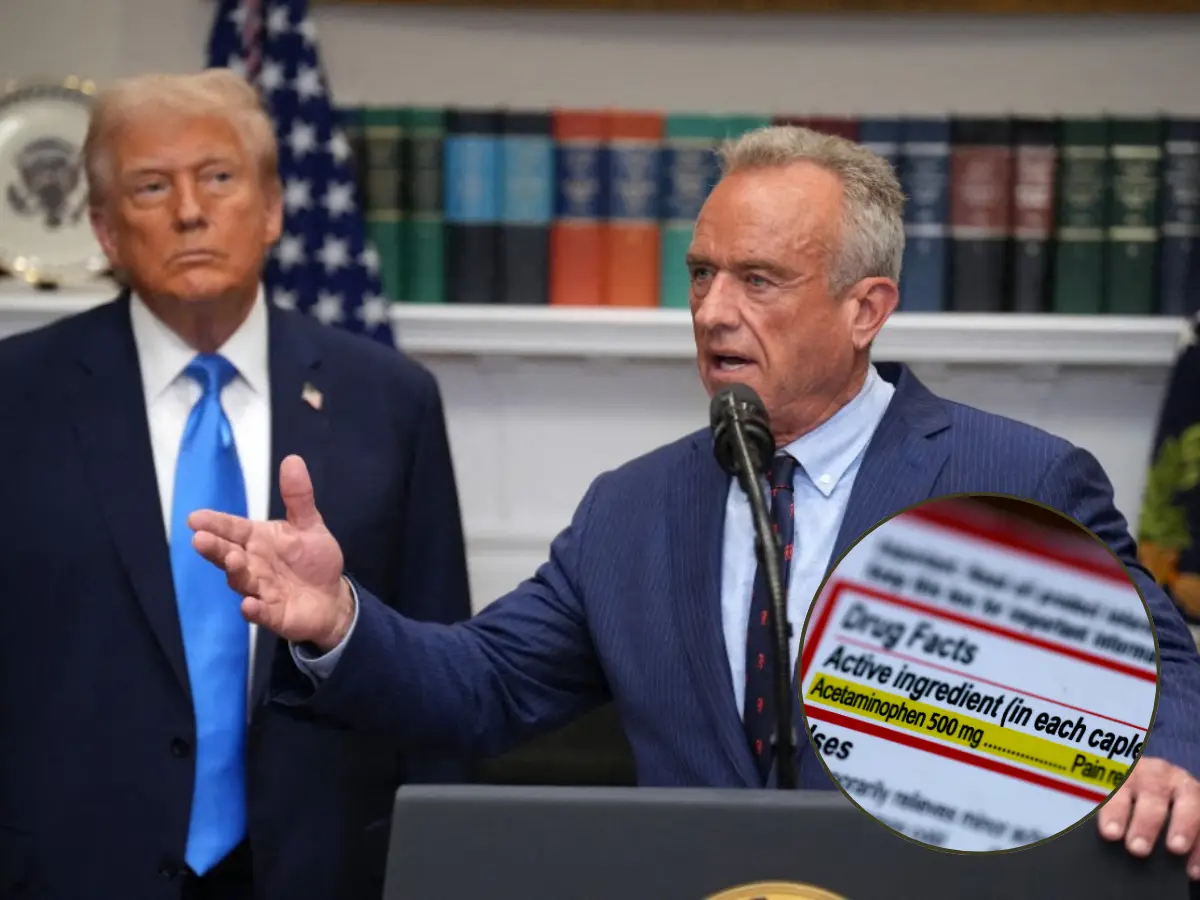
Taking paracetamol during pregnancy is safe and does not increase the risk of autism, ADHD or other developmental conditions in children, shows a major new scientific review. The findings are in direct contradiction of the controversial claims made by US President Donald Trump a few months back. In September, Trump told pregnant women in the United States to avoid Tylenol and “tough it out,” and tied the painkiller, which is known as paracetamol outside America, to autism. Researchers say the evidence presented in the latest review published in The Lancet journal is strong enough to put the debate to rest.
Findings contradict Trump claims

The review directly contradicts comments made last year by Trump, who claimed paracetamol was dangerous in pregnancy and urged women to avoid it. In a speech that was reminiscent of his anti-vaccination push, Donald Trump repeatedly said, “Don’t take it (Tylenol),” adding that pregnant women should only consider acetaminophen, the main ingredient in Tylenol, if battling an “extremely high fever.” He then told them to “fight like hell not to take it.”
The US president claimed that, “There's a rumour—and I don't know if it's so or not—that Cuba, they don't have Tylenol because they don't have the money for Tylenol. And they have virtually no autism.” He also contended that the Amish, traditionalist people known for their horse-drawn carts and rejection of modern technology, "have essentially no autism".
Trending Stories
)
IND vs JPN one-off T20I: India survive scare from Japan to win five-over a side match by 2 runs
)
Putin's United Russia party wins 355 seats in Duma election; 4 other parties cross threshold to enter parliament
)
AI models chose to harm humans to stop ‘pain,’ alarming study raises fresh safety questions
)
‘0% chance’: Nvidia CEO Jensen Huang dismisses AI extinction fears by 2030
)
Samay Raina-Mukesh Chhabra controversy explained: What happened over girlfriend joke on India's Got Latent?
)
Trump's helipad event overshadowed by audio failure as major TV networks suspend pool coverage
)
Russia-Ukraine war: Russian strikes knock out three of Ukraine's largest steel plants
)
'Needs time away from the international scene': England white-ball captain Brook on pacer Brydon Carse's future
)
Glitch in the matrix caught on camera: Woman vanishes after talking to reporter
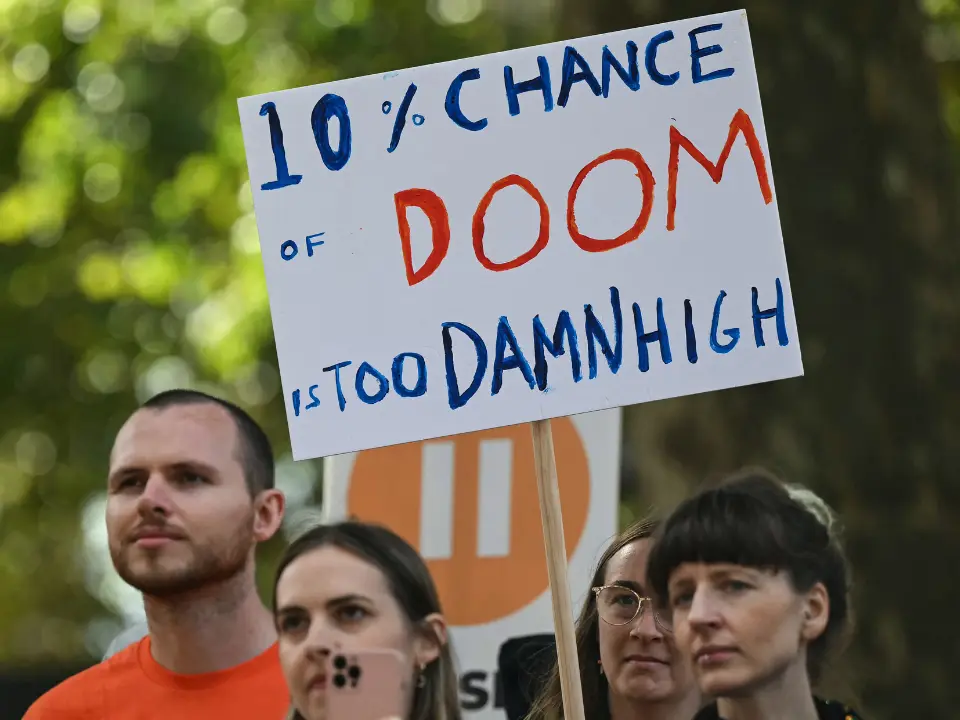)
Anti-AI activists storm summit, say 'incompetent' leaders are leading us into a disaster - 'We need a vote'
)
Samsung raises Galaxy S26 prices by Rs 20,000: Here’s what each model now costs
)
J&K Assembly Session begins amid chaos: BJP, ruling alliance clash as statehood demand dominates
)
Key accused in Bihar's Jamui molestation case, arrested after police shoot him in leg
)
Randeep Hooda arrives in Gujarat for his first National Film Award: ‘Very grateful’
)
US and China vie for AI dominance as calls grow for regulation | Gravitas
&im=FitAndFill=(700,400))
Anant Nag to recieve Dadasaheb Phalke Award: From Ankur to Nishant- Revisit his best films and iconic performances on OTT
)
FIFA chief Infantino wants to reform governing body with consultation from federations
)
The Verdict | The Mecca Agreement is under scrutiny as Houthis attack Saudis
)
India at UNGA81: Jaishankar warns global order under 'growing stress', pushes for ‘reformed multilateralism’
)
Raaka creates history! Allu Arjun’s film secures Guinness World Record ahead of release
)
Saudi Arabia exits China-led mBridge digital currency platform amid Saudi-Houthi conflict
)
'Lot of things to learn from experienced players': Jayasuriya backs Rohit, Virat for 2027 ODI World Cup
)
$110 billion Warner Bros merger: Paramount reaches settlement with 12 US states
&im=FitAndFill=(700,400))
New OTT releases this week (September 21-27, 2026): Shaque: Trust No One, Hunkkaar, Don’t Be Shy- 5 new titles coming to Netflix, Prime Video and more
)
From ‘communist’ to ‘great mayor’: Trump praises Mamdani after New York meeting, discusses immigration and housing
)
Report: Zelensky meets CIA chief Ratcliffe at Shannon airport, weeks after his secret Moscow trip
)
How Zaheer Khan came to be CSK's head coach of IPL 2027
)
Pilot recreates Mona Lisa in sky over Oklahoma and Arkansas in four-hour flight: VIDEO
)
UK PM Burnham agrees to 'defensive' military support for Saudi Arabia against Houthis
)
Jailer 2: Vidya Balan joins Rajinikanth's upcoming film as Kantha | Watch
)
Microsoft executive called AI training the ‘largest theft of labour in human history’
)
40-foot waves crash into cruise ship in dangerous stretch near Antarctica. Watch
)
US-Iran war, peace deals and more: What to expect from Trump's UNGA 2026 speech
)
Explainer: Why rare-earth export licences and Board of Trade are US priorities ahead of Trump-Xi summit
)
BTS fans mock iHeartRadio’s day 2 turnout after short set controversy
)
Two infants die after fire breaks out at RIMS newborn care unit in Telangana's Adilabad
Those remarks drew sharp criticism from medical bodies worldwide and left many pregnant women uncertain about what pain relief was safe.
What the research examined
Experts say this latest research, published in The Lancet Obstetrics, Gynaecology and Women’s Health, is among the most rigorous analyses ever conducted on the issue. The review analysed 43 high-quality studies involving hundreds of thousands of women. Crucially, it focused on robust comparisons, including sibling studies, which allow researchers to rule out different genes and family environments as explanations for developmental outcomes.
The authors also prioritised studies with low risk of bias and those that followed children for more than five years. Across this data, they found no evidence linking paracetamol use in pregnancy to autism, ADHD or intellectual disability.
Lead author Professor Asma Khalil said, "When we did this analysis, we found no links, there was no association, there's no evidence that paracetamol increases the risk of autism. The message is clear – paracetamol remains a safe option during pregnancy when taken as guided".
Why this matters for mothers
Medical guidance already warns that untreated pain or high fever during pregnancy can itself be harmful, increasing the risk of miscarriage, premature birth or developmental complications. Paracetamol is widely recommended as the first-line treatment because alternatives such as ibuprofen carry known risks later in pregnancy.

