Orphan Saturn 10,000 light-years away: Billions of rogue planets could be lost in the Milky Way

&imwidth=600&imheight=450&format=webp&quality=medium "Orphan Saturn 10,000 light-years away: Billions of rogue planets could be lost in the Milky Way")
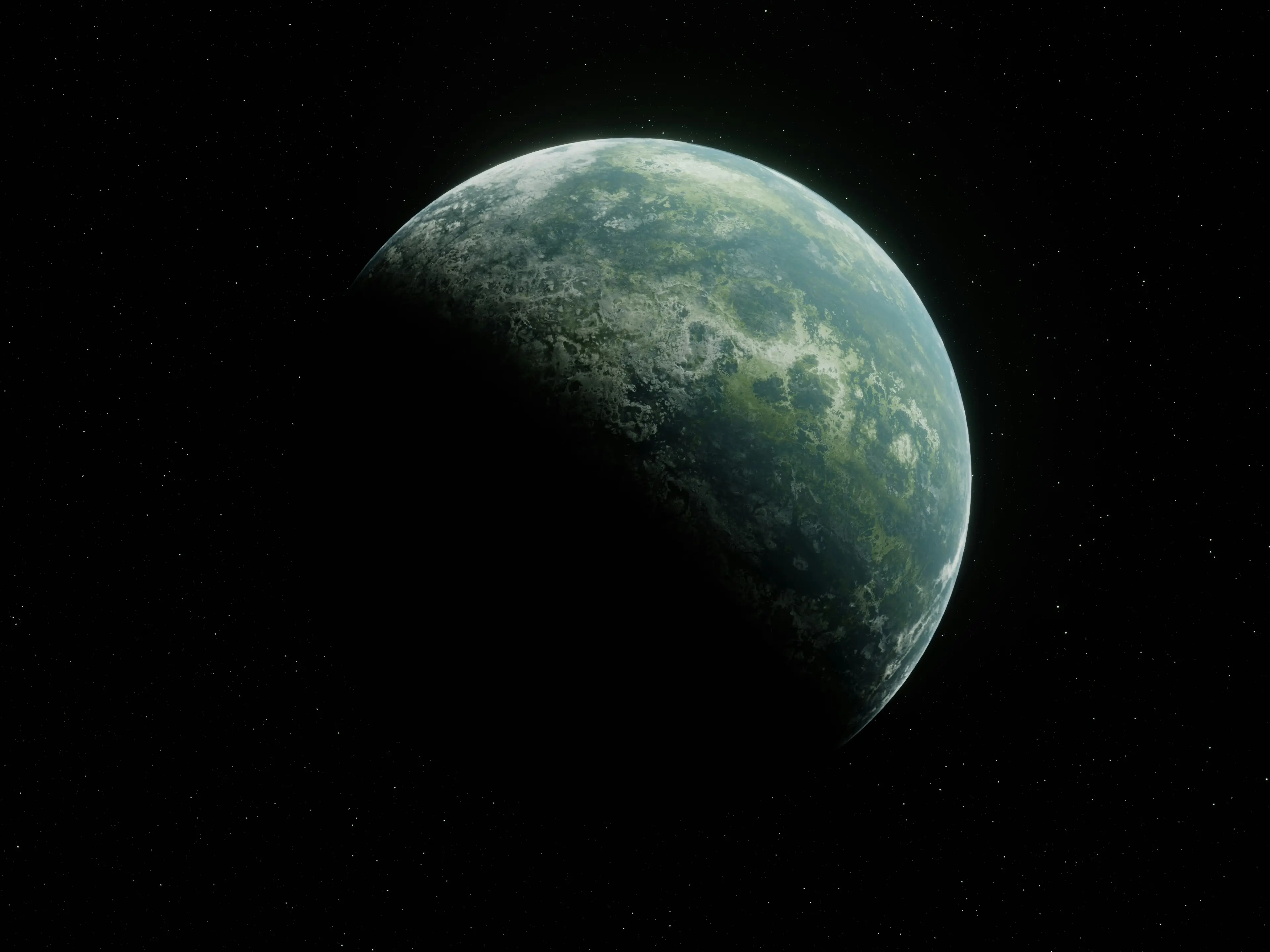
Exoplanet representative image Photograph: (Unsplash)
A planet about the size of Saturn has been discovered roaming through the Milky Way. It is a rogue body that was kicked out of its star system billions of years ago. This is the first time astronomers have been able to measure the mass of a rogue planet.
Scientists have discovered a rogue Saturn for the first time, roaming 10,000 light-years away from us. This discovery is important since astronomers think there could be billions of orphan planets zooming through the Milky Way. While rogue planets are common in the Milky Way, what's surprising is that this exo-Saturn (KMT-2024-BLG-0792) with such an enormous mass was dislocated from its position around its star. This planet could have either been entirely kicked out of its star system, or it could simply have been moved out of its orbit, Sky and Telescope reported. This could have happened because of a gravitational interaction with another cosmic body that possibly happened billions of years ago. Since these bodies neither orbit a parent star nor do they emit their own light, it is hard to locate or study these bodies. This planet was successfully analysed because scientists observed it from two locations - telescopes on Earth and the Gaia space telescope located 1.5 million kilometres away.
Microlensing has revealed nine rogue planets in the Milky Way
This double observation led to a parallax, that a shift in the planet and star’s positions when seen from two different vantage points. When they measured the relative parallax between the planet and the background star, astronomers could tell the distance between them and deduce the mass of the planet. Microlensing has revealed nine rogue planets in the past, where a star or planet in the foreground bends and magnifies the light from a more distant background star. However, since they were not observed from two different points, it was hard to tell their distances or their mass.
Also Read: Earth was formed with lots of cosmic rays from a supernova, and many of them could be out there
Another planet could have kicked out the exoSaturn
Using a technique called depth perception, scientists could tell that the planet had a mass of around 22 per cent of Jupiter’s. Notably, Saturn is 30 per cent of Jupiter’s mass, leading to it being classified as a Saturn. Talking about what caused it to be thrown out, lead author Subo Dong of Peking University, China, wrote in a paper published in Science, that it likely had a gravitational interaction with another planet, and this caused it to be flung into an extremely wide orbit or completely out of its system. The researchers are sure that it was born in another solar system since it is relatively small.
Trending Stories
&imwidth=280&imheight=210&format=webp&quality=medium)
&im=FitAndFill=(700,400)&imwidth=280&imheight=210&format=webp&quality=medium)
&imwidth=280&imheight=210&format=webp&quality=medium)
&imwidth=280&imheight=210&format=webp&quality=medium)
&imwidth=280&imheight=210&format=webp&quality=medium)
&imwidth=280&imheight=210&format=webp&quality=medium)
&imwidth=280&imheight=210&format=webp&quality=medium)
&imwidth=280&imheight=210&format=webp&quality=medium)
&im=FitAndFill=(700,400)&imwidth=280&imheight=210&format=webp&quality=medium)
&imwidth=280&imheight=210&format=webp&quality=medium)
&imwidth=280&imheight=210&format=webp&quality=medium)
&imwidth=280&imheight=210&format=webp&quality=medium)
&imwidth=280&imheight=210&format=webp&quality=medium)
&imwidth=280&imheight=210&format=webp&quality=medium)
&imwidth=280&imheight=210&format=webp&quality=medium)
&imwidth=280&imheight=210&format=webp&quality=medium)
&imwidth=280&imheight=210&format=webp&quality=medium)
&imwidth=280&imheight=210&format=webp&quality=medium)
&imwidth=280&imheight=210&format=webp&quality=medium)
&im=FitAndFill=(700,400)&imwidth=280&imheight=210&format=webp&quality=medium)
&imwidth=280&imheight=210&format=webp&quality=medium)
&imwidth=280&imheight=210&format=webp&quality=medium)
&imwidth=280&imheight=210&format=webp&quality=medium)
&imwidth=280&imheight=210&format=webp&quality=medium)
&imwidth=280&imheight=210&format=webp&quality=medium)
&imwidth=280&imheight=210&format=webp&quality=medium)
&imwidth=280&imheight=210&format=webp&quality=medium)
&im=FitAndFill=(700,400)&imwidth=280&imheight=210&format=webp&quality=medium)
&imwidth=280&imheight=210&format=webp&quality=medium)
&imwidth=280&imheight=210&format=webp&quality=medium)
&imwidth=280&imheight=210&format=webp&quality=medium)
&imwidth=280&imheight=210&format=webp&quality=medium)
&imwidth=280&imheight=210&format=webp&quality=medium)
&imwidth=280&imheight=210&format=webp&quality=medium)
Also Read: 1.2 billion light-years away, a triple black hole collision is occurring for the first time
The finding has led astronomers to conclude that billions of such orphan planets could be zooming through the Milky Way. In fact, they could even outnumber the stars. Discovering them would become easier after NASA’s Roman Space Telescope and China’s Chinese Space Station Telescope (CSST) are launched in late 2026.

