NASA's James Webb Telescope captures rare image of a newborn sun-like star


NASA captures newborn sun-like star using James Webb telescope.
NASA's most powerful telescope the James Webb Space Telescope (JWST) captured a young star's supersonic outflow, which gave a glimpse of how our Sun would have appeared thousands of years ago.
The rare image has captured jets of star matter which can be seen blasting from a very young star's poles and speeding into space at supersonic speeds. The bright regions surrounding the newborn stars are called Herbig-Haro objects.
This specific Herbig-Haro object captured in the image is called Herbig-Haro (HH) 211 and is at a distance of approximately 1,000 light-years away from Earth, currently in the constellation Perseus.
ALSO READ |NASA study rules out extra-terrestrial origin of UFOs, unnamed new chief to lead further research
Posting the image, NASA wrote, ''If we could take a baby picture of our Sun, it might look something like this. Seen in this @NASAWebb image is a newborn star with supersonic jets of gas spewing from its poles. It's only a few tens of thousands of years old here, but when it grows up, it'll be much like our Sun.''

)
Nigeria: Protesters take to the streets, police fire shots
)
US-Iran war: Tehran draws red lines — seven demands before any peace talks
)
Russia-Europe tensions: Polish PM warns Russian attacks could test NATO's unity
&im=FitAndFill=(700,400))
‘Not the US or China’: These are the countries leading the world in arable land
)
EXCLUSIVE | Singer Hanita Bhambri on her Toxic debut, working with Vishal Mishra and more
)
Mark Carney mimics Trump in hilarious moment over C$70 billion clean-energy investment; room erupts in laughter
)
Delhi voter roll shake-up: 3.31 million electors flagged in SIR review
)
Aravana prasadam shortage at Sabarimala temple in Kerala triggers protests, TDB questioned
)
‘End of my career...’: NSA Doval recalls tense Sikkim mission when China captured Indian intelligence team
)
Report: Iran rebuilding Taleghan 2, nuclear site tied to past weapons research, hit twice by Israel
)
Trump defends AI amid growing alarm, announces new 'AI force' and promises an 'AI czar'
)
Iran sets 7 conditions to end war with US: What are Tehran’s demands?
)
Trump announces ‘AI Force’ as debate grows over AI risks and regulation
)
China may have gained access to US's classified F-35 jets; parts meant for repairs diverted to Hong Kong, sparking Pentagon inquiry
)
Gaza under attack: Health chief's son killed in IDF strikes
)
Arvind Kejriwal, family members, Delhi CM Rekha Gupta get SIR notices
)
Cochin shipyard starts building Indian Navy's next-gen missile vessels
)
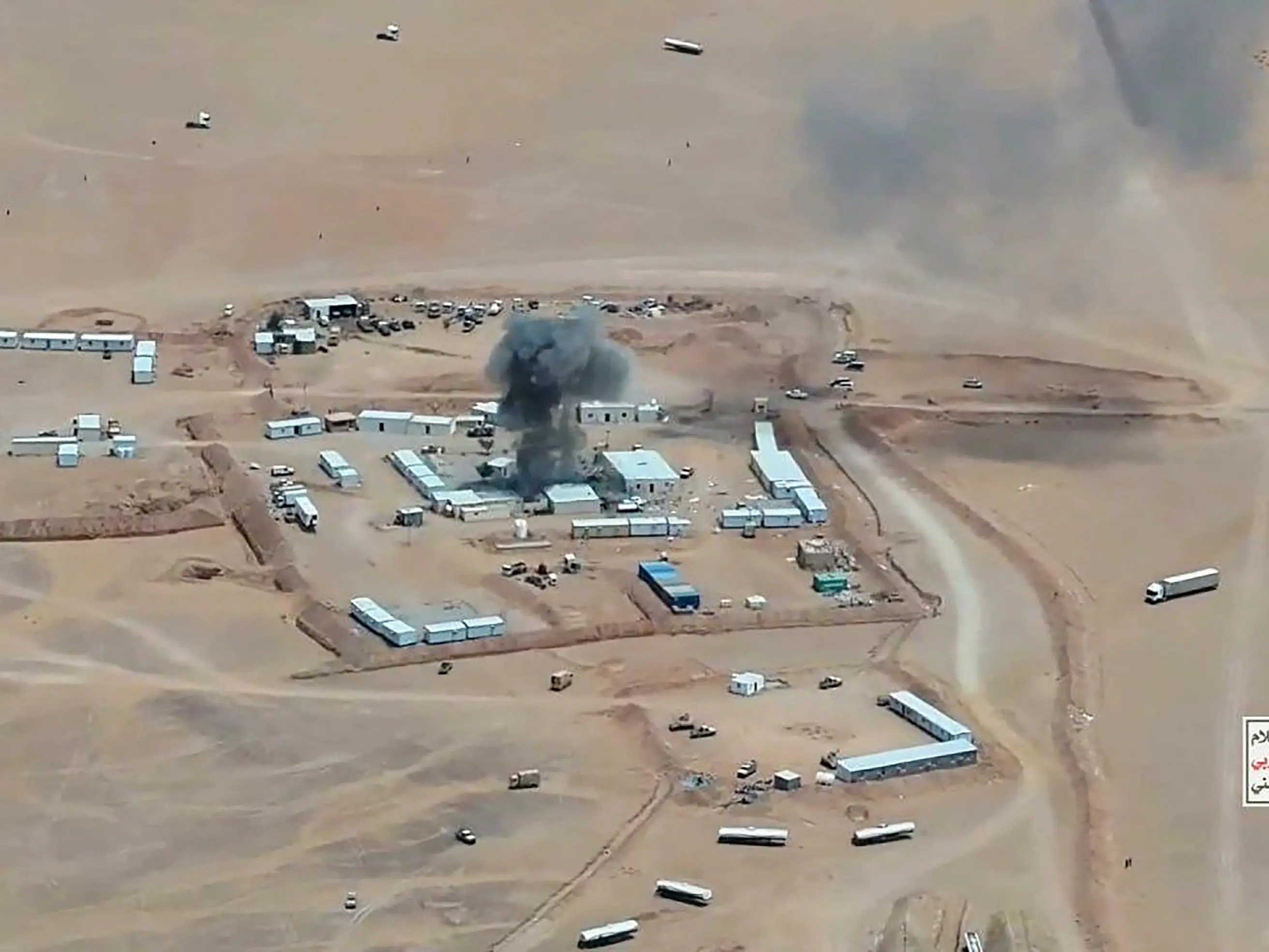
Saudi vs Houthis: Houthis claim missiles & drones used in attack on key Saudi sites
)
Ed Sheeran addresses Macklemore's removal, Gaza conflict during Philadelphia concert: 'I cannot hide how I feel'
)
Nepal forms 7-member panel to probe August 26 Bhotekoshi flood from source to downstream
)
‘Will go to any extent’: Pakistan vows to defend Saudi Arabia amid Houthi attacks
66 years of the Indus Waters Treaty: How India and Pakistan settled a bitter river dispute
)
The Verdict | When precision fails: US commits war crime in Minab school strike, UN finds
)
9 women found dead near Johannesburg: South Africans rally, demand 'enough' to femicide
)
Kampala-Ankara rift deepens: Uganda suspends military ties, seeks Fred Lumbuye's extradition
)
Several petrol pumps, other businesses to refuse UPI payments above Rs 2,000 from Oct 16: Is it legal?
)
US-Iran war: Tehran sets seven conditions to re-engage in talks with US
)
Reacher star Alan Ritchson opens up about alleged blackmail, suicide attempt during difficult period
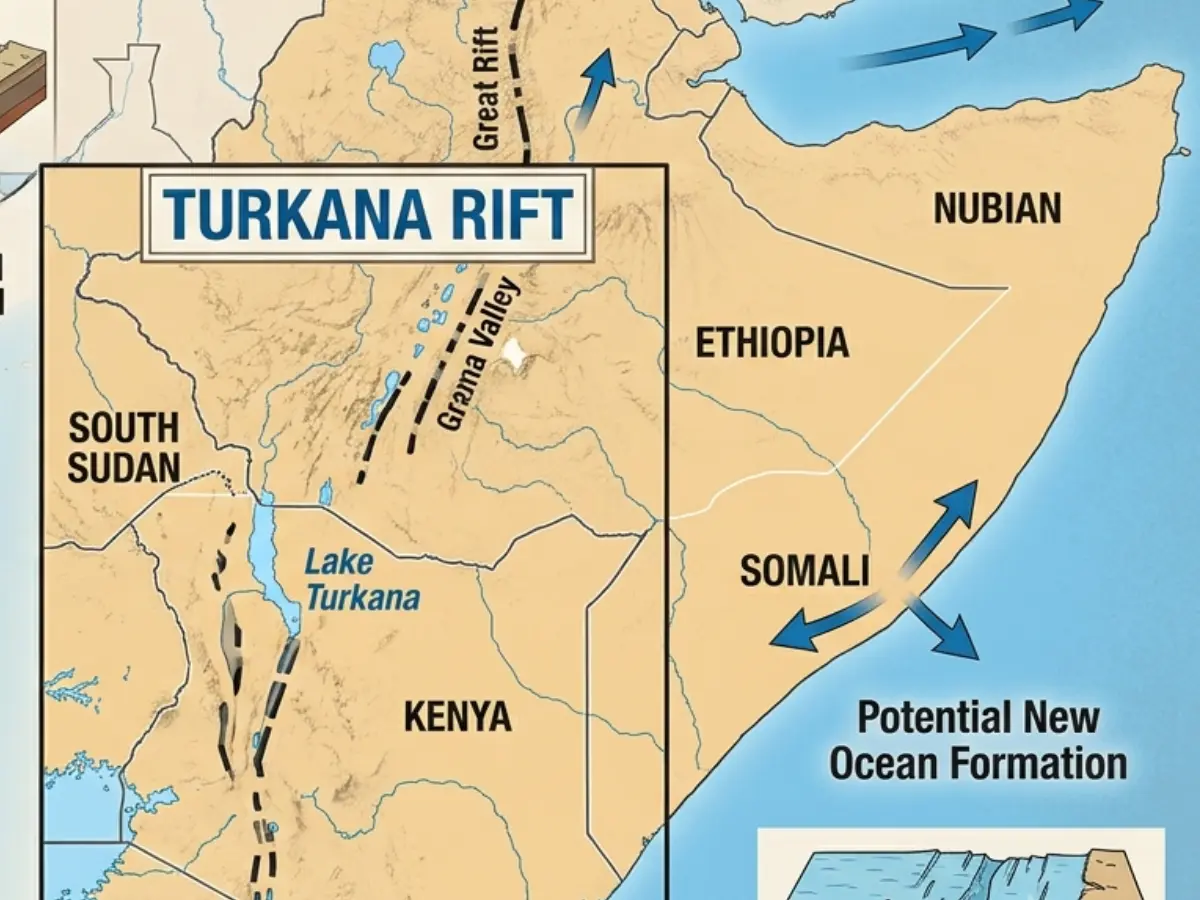)
Africa is splitting, and a lot sooner than estimated, giving way to a new ocean
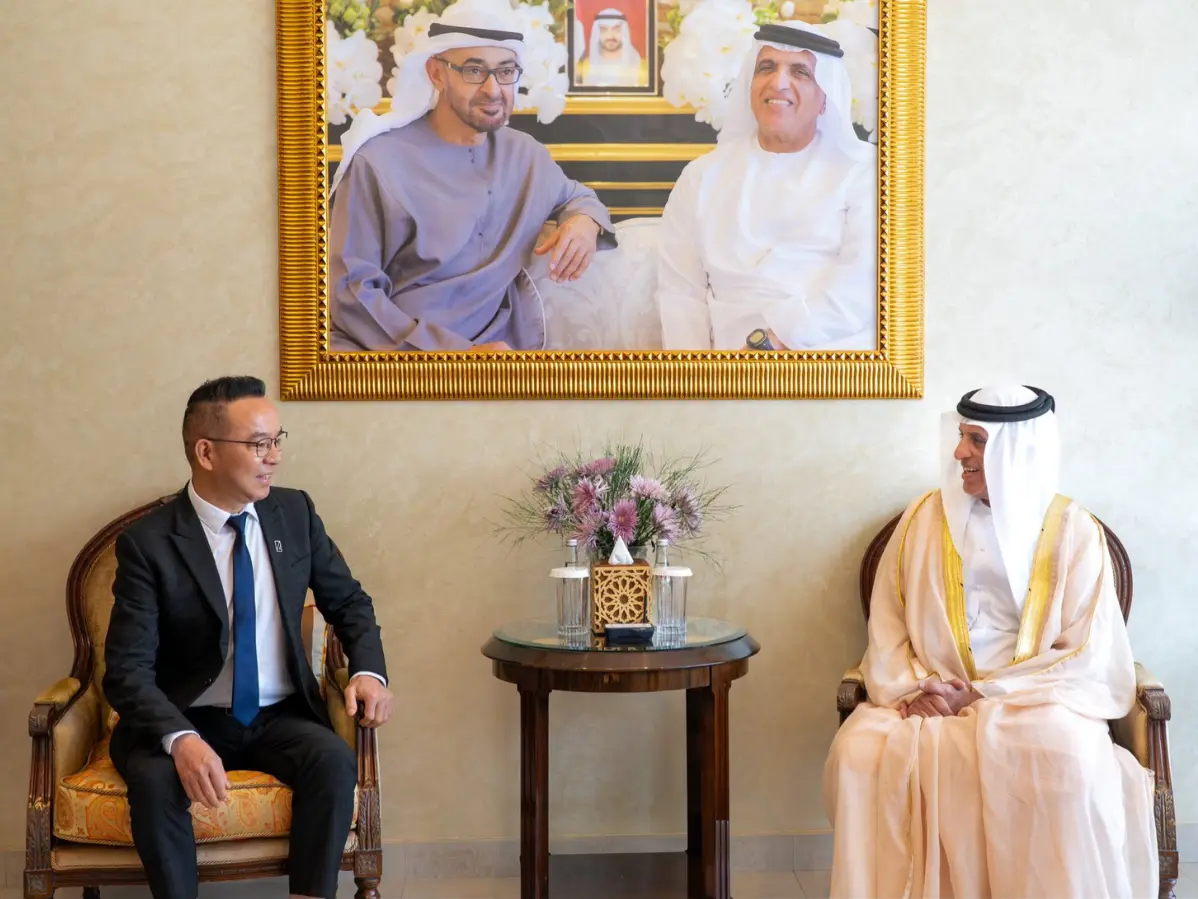)
Flying cars in UAE: Ras Al Khaimah signs deal with Chinese company to test new transport
)
West Indies Squad for India Series: Hetmyer included for T20Is, Holder rested
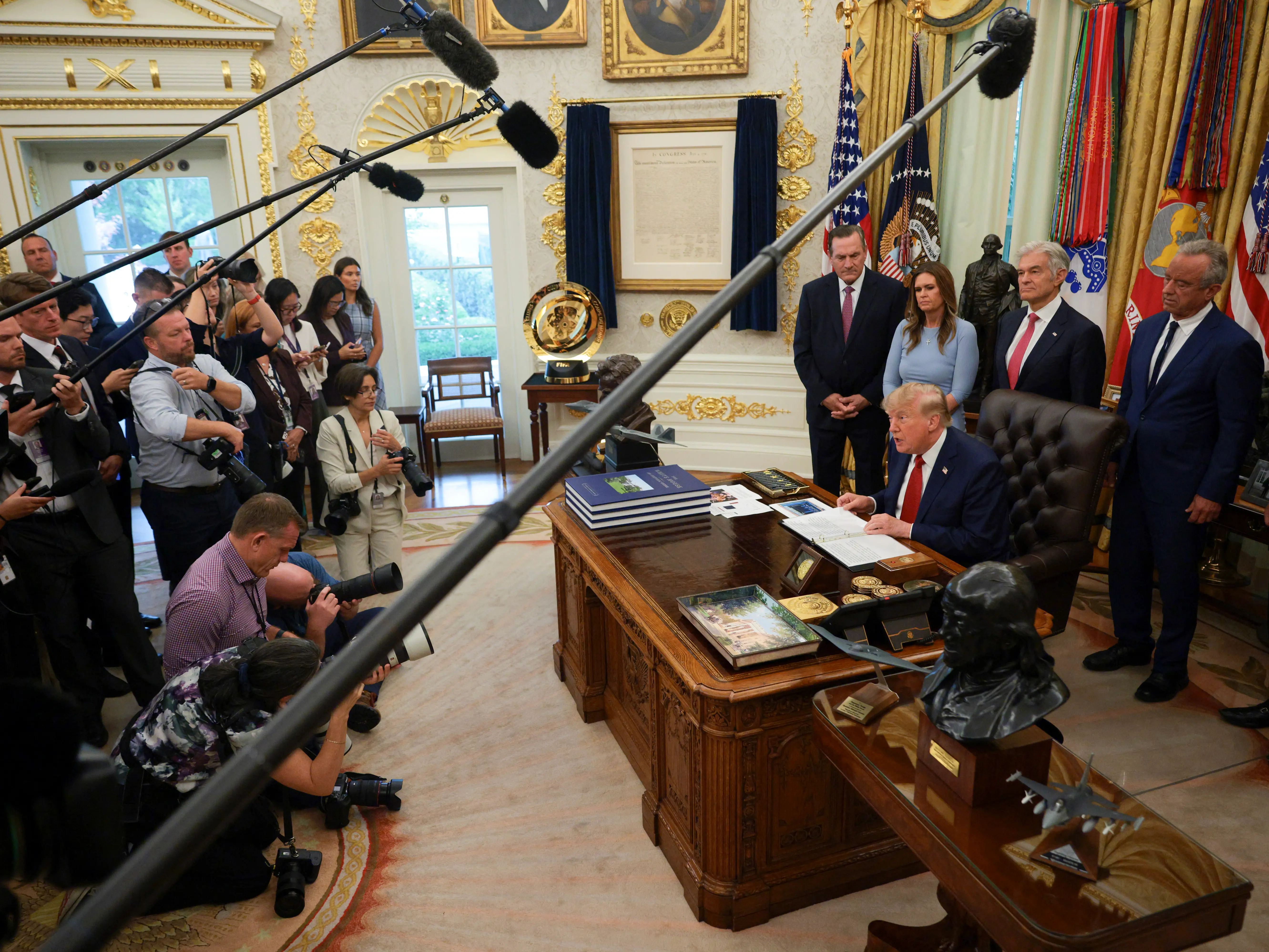)
Trump bans CNN, MS NOW and Politico from White House over ‘FAKE NEWS’
)
Trump 2.0: Dark days ahead for America’s ‘imperial presidency’
&im=FitAndFill=(700,400))
How many F-35s does Britain, Japan and Israel have?
)
Harry Brook targets long reign at top of T20I rankings after Sri Lanka sweep
)
Russia's deadly Ukraine strikes kill 2 in Sumy, hit Dnipro mall
)
Russia holds first parliamentary elections since the beginning of the Ukraine war
&im=FitAndFill=(700,400))
Meet top 5 Indian batters with fastest T20I centuries
)
Raphinha hat-trick powers Barcelona to 3-1 win over Sevilla in La Liga
)
A Herbig-Haro takes place when ''formed when stellar winds or jets of gas spewing from these newborn stars form shock waves colliding with nearby gas and dust at high speeds,'' explained NASA.
Tens of thousands of years old young star
The young star has been identified as a Class 0 protostar which is only a few tens of thousands of years old and has a mass that is just 8 per cent of the sun. However, the star is projected to grow eventually into a star like the sun.
Excited molecules like silicon monoxide, molecular hydrogen and carbon monoxide emit infrared light which allows Webb to map out the structure of the outflows. The surroundings of the young star have been captured in unprecedented detail in the newly-released image.
WATCH |Gravitas | 'Aliens are out there': NASA chief's admission as hunt begins for extraterrestrial life
"Earlier observations of HH 211 with ground-based telescopes revealed giant bow shocks moving away from us (north-west) and moving towards us (south-east) and cavity-like structures in shocked hydrogen and carbon monoxide respectively, as well as a knotty and wiggling bipolar jet in silicon monoxide. Researchers have used Webb's new observations to determine that the object's outflow is relatively slow in comparison to more evolved protostars with similar types of outflows," stated NASA.
The Webb telescope, which came into existence in 2021 and started collecting data in 2022, reshaped the early universe's understanding while capturing stunning images of the cosmos.
Since the telescope began operation, it revealed the existence of many of the earliest-known black holes and galaxies and shared a huge amount of unprecedented data. Webb also emerged as around 100 times more powerful compared to the Hubble telescope.
You cannow write forwionews.comand be a part of the community. Share your stories and opinions with ushere.