Second moon mission by Japan's Ispace to take flight as early as 2024 after April setback


A model of the lander in HAKUTO-R lunar exploration program by "ispace"
Japanese space startup Ispace Inc is set to embark on its second lunar mission as early as 2024 despite the setback of its failed attempt in April to land a rover on the moon.The upcoming mission is scheduled to launch on a SpaceX Falcon 9 rocket, possibly in the northern hemisphere winter of 2024, according to statements from the Tokyo-based company.
Ispace's CEO Takeshi Hakamada spoke of the importance of the experience and data gained from the initial mission, even whilenot achieving a successful moon landing.
“We may not have landed on the moon the first time, but the experience and data we gained are vital,” Chief Executive Officer Takeshi Hakamada reportedly said.

Also Read |India's EAM Jaishankar discusses pro-Khalistani extremism with UK leaders
The payload of the lander, named 'Resilience,' includes various components such as a water electrolyser, a module for experimenting with food production, a deep space probe, a commemorative metal plate based on the Japanese anime series Gundam, and a micro-rover developed by Ispace, media reports said.
The rover has a weight of around 5 kilogrammes and is 26 centimetres tall. It is also equipped with a high-definition camera to capture lunar surface images along with a shovel for collecting lunar rocks.
)
Nigerian Navy seizes 10,000 litres of suspected illegal fuel in Rivers State crackdown
)
Did India risk its US trade deal despite softer stance at BRICS?
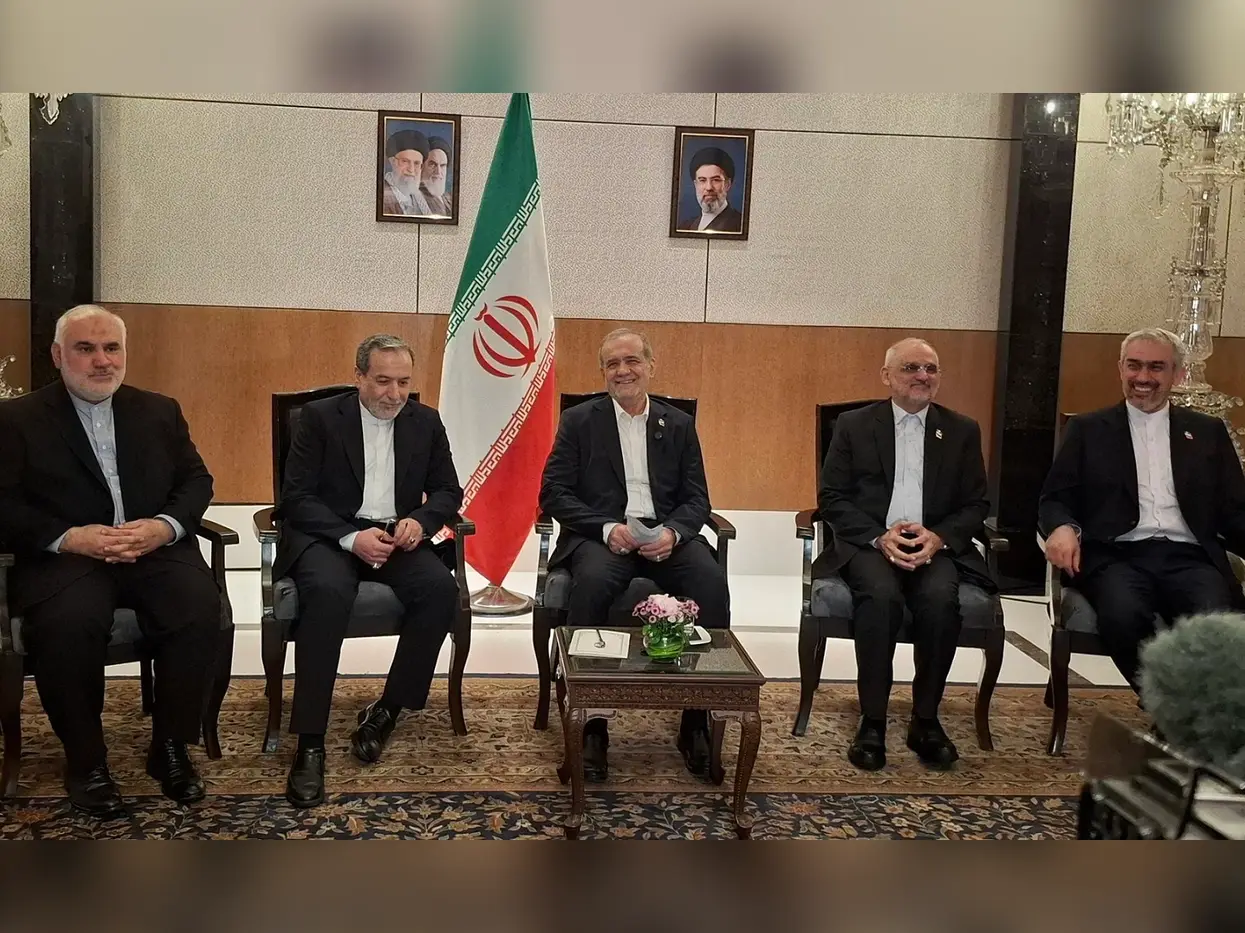)
Iran, India agree to deepen humanitarian and political ties, President Pezeshkian says
)
Who is Kalyan Bainsla, accused in the Gurugram hit-and-run case involving woman biker?
)
'She married her brother': Ilhan Omar faces criminal probe over immigration fraud claims
&im=FitAndFill=(700,400))
New OTT releases this week (September 14-20, 2026): Lust Stories 3, Waiting Hai, Irumudi- 5 new titles coming on Netflix, Prime Video and more
)
Extreme warming in Indian Ocean added 695 billion tons of ice to Antarctica ice sheet
)
UK man admits drugging, raping wife for 20 years in shocking abuse case
)
Emmys 2026: Matthew Rhys wins Best Actor twice, sets historic 78-year record
)
Indian-origin woman, Nepali-American friend crushed to death by subway train in New York
)
Plane carrying prominent figure crashes at Libya’s Misrata airport: Report
)
Ecstasy tablets are rage in 'drug haven' Libya | Gravitas
)
Turkish Airlines plane flies through a storm three times, triggering severe turbulence
)
Trump downplays China's alleged 'help' to Iran in strike on Jordan base | Gravitas
)
Legendary costume designer Bob Mackie dies at 87: A look back at his iconic legacy
)
Emmys 2026 In Memoriam: Catherine O’Hara honoured by on-screen children Macaulay Culkin, Annie Murphy, Dan Levy; Dolly Parton, Rob Reiner remembered
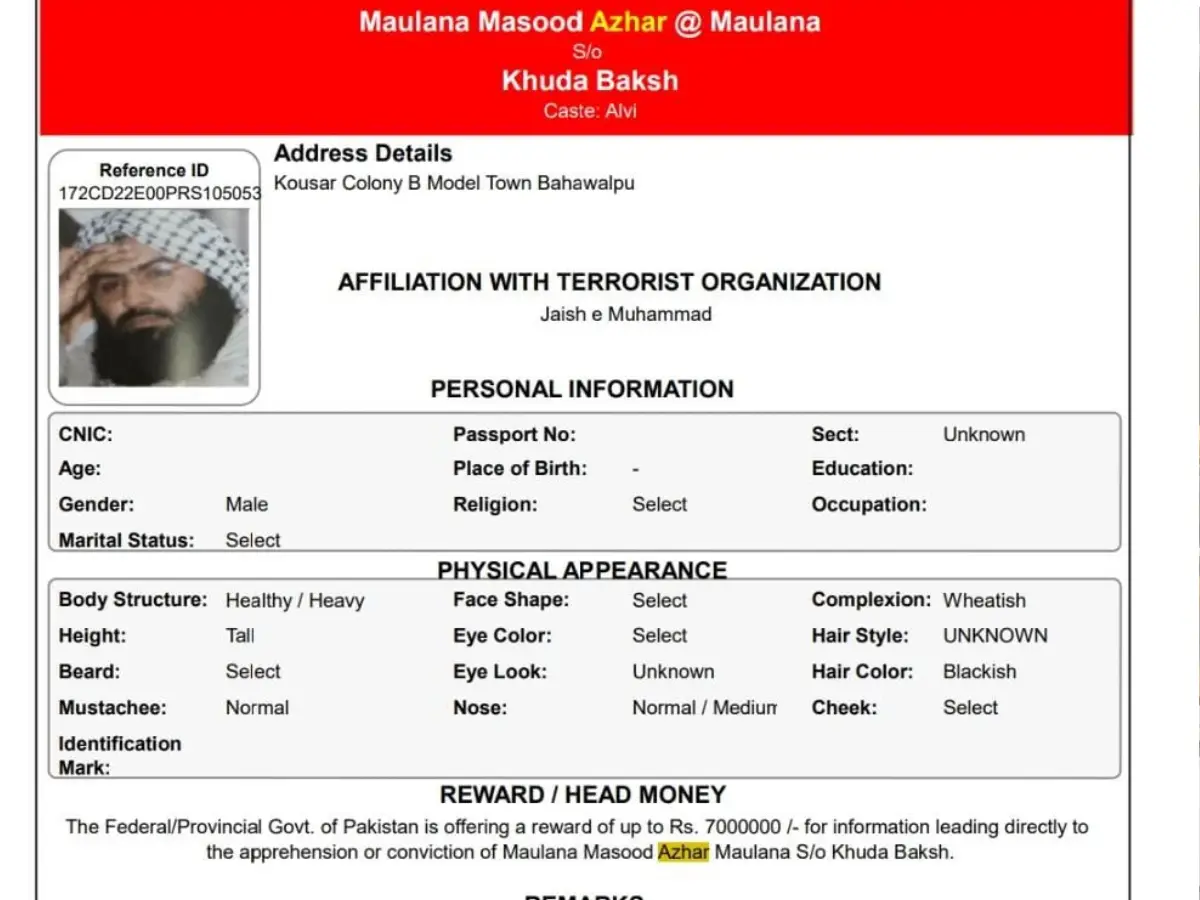)
Pakistan puts Pak Rs 70 lakh bounty on UN terrorist Masood Azhar; move draws skepticism in Delhi
)
Dodgers beat Reds for playoff berth in bid for third consecutive World Series
)
Saudi Arabia discovers 110 million tonnes of Uranium-rich ore in Madinah region
)
BCCI VP Rajeev Shukla says Mohsin Naqvi 'did not object' India refusing trophy from ACC chief
)
'Now Trump is copying us': Shivakumar links US $5,000 plan to Congress guarantees
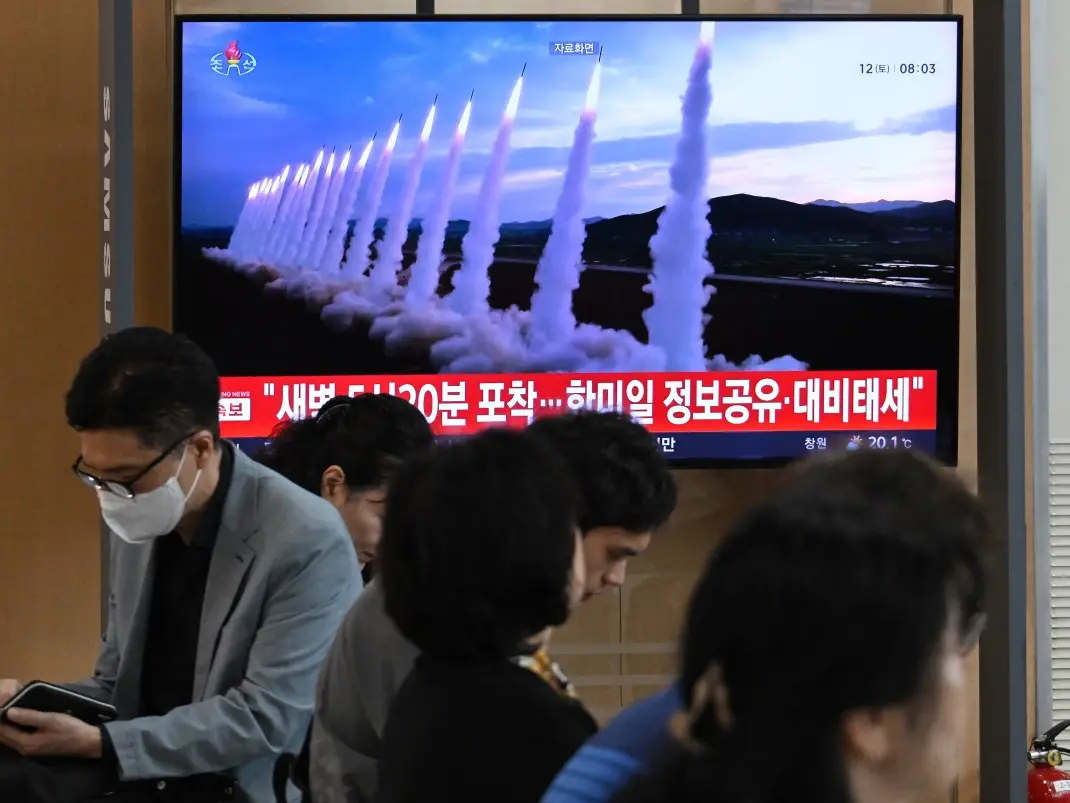)
'Huge destructive power': North Korea calls its latest missile launches 'live-fire drill' even as US dismisses 'immediate threat'
)
‘US ensuring global energy supplies’: Trump demands reimbursement for securing Strait of Hormuz
)
Gurugram hit and run case: Police arrest car driver Kalyan Bainsla, book him for attempt to murder
)
Trump loses Supreme Court battle over mail ballots ahead of US midterms: What happened?
)
Sent home midway from UK tour, Pakistan's Salman Agha hits 300* in domestic return
)
Emmy Awards 2026: Widow's Bay and The Pitt win in lead categories- check out the complete list of winners
&im=FitAndFill=(700,400))
Why Chinese PL-15 air-to-air missiles use dual-pulse motors compared to European interceptors
)
Emmys 2026: Michael J Fox honoured with Bob Hope Humanitarian Award for Parkinson’s advocacy
)
What is Hyrox, in news for athlete who soiled herself, but kept running and using common equipment?
&im=FitAndFill=(700,400))
Emmys 2026 Red Carpet: Zendaya, Nicole Kidman and Julia Garner lead the glamour peak
)
Ukraine strikes Syzran Oil Refinery deep inside Russia, fires erupt
)
Former Pak PM Imran Khan's ex-wife Jemima Goldsmith marries Australian financier: Who is Cameron O'Reilly
)
3 Italians fly from Delhi to Munich without immigration clearance; Air India gets notice on major security lapse
)
UPI payments up to Rs 2,000 to stays free, but bigger transactions may soon cost you: Govt
)
China thinned Himalayan troop presence in 2025, India defence report says; terms border situation 'stable'
)
Russia proposes to build 360 kmph Ivolga FG trains in India: What happened on sidelines of BRICS
)
Video of Pakistani lawmaker struggling to read English tribute to Jinnah goes viral - WATCH
)
Delhi govt to roll out ₹13,820 crore development projects under Seva Sankalp Abhiyan: CM Rekha Gupta
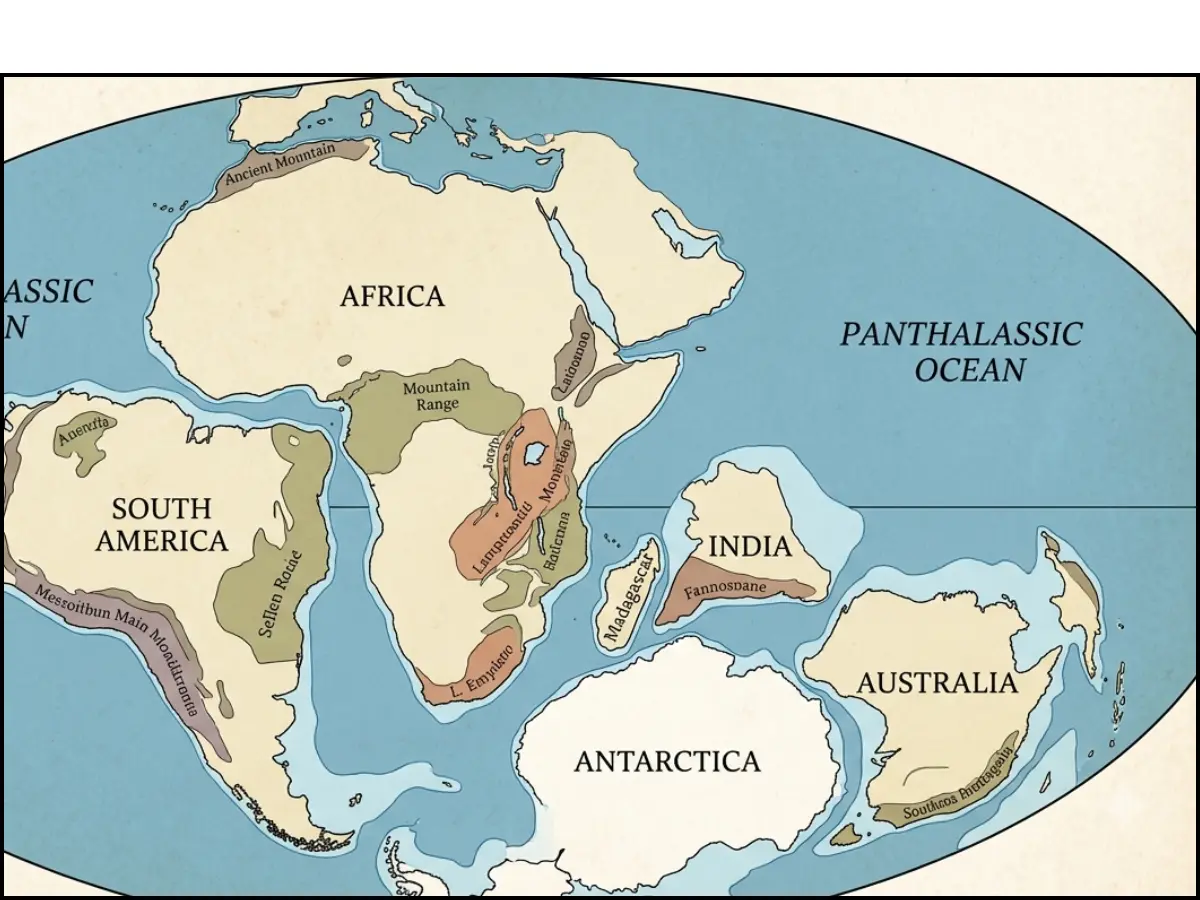)
800 million years old - Scientists discover 'fingerprints' of supercontinent Gondwana in ancient rocks
Mission improvements
Acknowledging the challenges faced during the first attempt, Ispace said that improvements would be incorporated into the Mission 2 flight model.
These enhancements include necessary "software validation, expanding the landing simulation range, and additional field testing of radar sensors" to improve mission accuracy. Ispace's announcement follows the success of the Japan Aerospace Exploration Agency's H2-A rocket launch in September.
Watch |Israel raids Gaza’s Al-Shifa Hospital for second day
Ispace, founded in 2010, is competing with other companies, such as Intuitive Machines Inc. and Astrobotic Technology Inc., in the race to place the first commercial lander on the moon. Despite the growing interest in commercial space endeavours, challenges still persist with a lack of rockets with sufficient payload capacity leading to delays and cancellations of launch plans.
(With inputs from agencies)