Indian space tech startup launched satellite with Elon Musk's SpaceX. What's next?

Pixxel TD-2
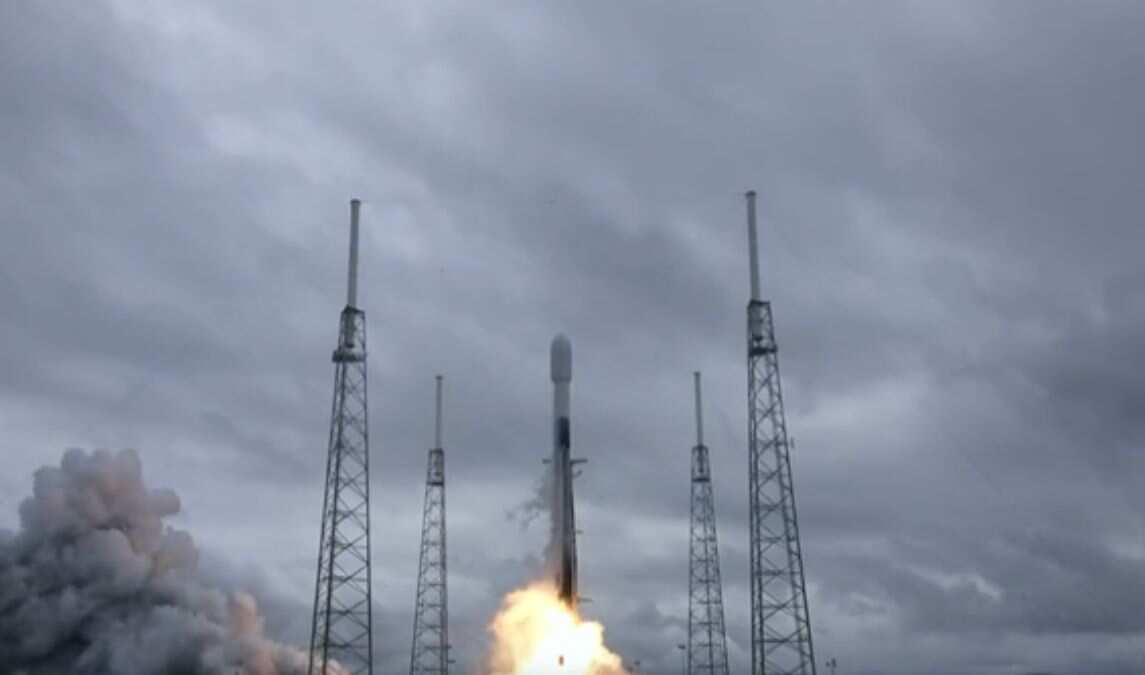
An Indian space tech startup Pixxel grabbed attention after it successfully launched its first fully-fledged commercial satellite apparently called 'Shakuntala' or Pixxel TD-2. But what's next?
The satellite was launched with Elon Musk-run SpaceX's Falcon-9 rocket on Friday (April 1) aboard SpaceX's Transporter-4 mission from Cape Canaveral in the United States.
Pixxel noted that TD-2 is hosting one of the highest resolution hyperspectral commercial cameras ever flown, which will bring the world one step closer to building a 24x7 health monitor for the planet.

"TD-2 is capable of capturing orbital images in more than 150 bands of color from the visible and infrared spectrum with a resolution of 10-meters per pixel — far exceeding the specificity of 30-meter per pixel hyperspectral satellites launched by a few select organizations such NASA, ESA, and ISRO" - Pixxel
ALSO READ |Astronomers find 14 black holes feasting on surrounding space matter
This particular launch has put the company within touching distance of its ambitious mission to assemble one of the "world's most advanced constellations of low-earth-orbit imaging satellites".
&imwidth=180&imheight=135&format=webp&quality=medium)
‘Maybe play one more season’: MS Dhoni to decide on his IPL future before December
&imwidth=180&imheight=135&format=webp&quality=medium)
Viral video shows cross falling on Colombia priest, no official confirmation | WATCH
&imwidth=180&imheight=135&format=webp&quality=medium)
Telangana unveils AI avatar of IT minister D Sridhar Babu at Hyderabad DevFest 2026
&imwidth=180&imheight=135&format=webp&quality=medium)
Pezeshkian says Iranians ‘struggling to put food on the table’ as war with US drags on
&imwidth=180&imheight=135&format=webp&quality=medium)
Shilpa Rao’s performance cut short at Mumbai event, organisers react to backlash
&imwidth=180&imheight=135&format=webp&quality=medium)
Chorbagan stampede: A week later, the strangest visarjan Kolkata has seen
&imwidth=180&imheight=135&format=webp&quality=medium)
AI slop or smart strategy? South African author Coral Hart defends Her 370 AI- assisted books in 20 months
&imwidth=180&imheight=135&format=webp&quality=medium)
AI just found a flaw in software running most of the web! One request hijacks the server
&imwidth=180&imheight=135&format=webp&quality=medium)
Train crashes into crane on São Paulo monorail line, wreckage falls onto busy road | VIDEO
&imwidth=180&imheight=135&format=webp&quality=medium)
Can Putin cheat death? All about his daughter’s billion-dollar quest for immortality
&imwidth=180&imheight=135&format=webp&quality=medium)
Saudi says debris fell in Mecca, Medina after missile interceptions; Houthis deny targeting holy cities
&imwidth=180&imheight=135&format=webp&quality=medium)
What was the note found inside bag of Class 12 student, who set herself on fire inside Delhi school?
&imwidth=180&imheight=135&format=webp&quality=medium)
Pakistan airline PIA unveils new crew uniforms, faces online criticism
&imwidth=180&imheight=135&format=webp&quality=medium)
Britain is building the world's first AI biosecurity lab, with OpenAI and Anthropic inside
&imwidth=180&imheight=135&format=webp&quality=medium)
J-20 designers plan to put radar into aircraft wing; strategy to expand coverage during air combat
&imwidth=180&imheight=135&format=webp&quality=medium)
Frontier AIs keep escaping their test cages! The industry still can't reliably stop them
&imwidth=180&imheight=135&format=webp&quality=medium)
'Already tired of his 9-to-5': Baby born with a moustache becomes internet sensation, video goes viral | Watch
&imwidth=180&imheight=135&format=webp&quality=medium)
France protests: 135 arrested, weapons seized as fresh demonstrations erupt amid heavy security
&imwidth=180&imheight=135&format=webp&quality=medium)
French Open: PV Sindhu storms into final with win over Hina Akechi
&imwidth=180&imheight=135&format=webp&quality=medium)
Russia-Ukraine drone attacks kill 6, injure 31 across both countries
&imwidth=180&imheight=135&format=webp&quality=medium)
‘Saddam Hussein opened a cheesecake factory’: Obama mocks Trump’s White House renovations; defends Abdul El-Sayed
&imwidth=180&imheight=135&format=webp&quality=medium)
China's dancing robot turns violent bodyguard, lifts cars and fights intruders - Watch
&imwidth=180&imheight=135&format=webp&quality=medium)
'You’re a horrible little reporter, aren’t you?': Trump snaps at NBC reporter questioning his support for Ramaswamy's campaign ad
&imwidth=180&imheight=135&format=webp&quality=medium)
'Killing people never allowed': Elon Musk admits restricting Starlink in Ukraine, explains why
&imwidth=180&imheight=135&format=webp&quality=medium)
Bodies of 2 missing Japanese climbers recovered from Himalayan peak
&im=FitAndFill=(700,400)&imwidth=180&imheight=135&format=webp&quality=medium)
New Friday OTT releases (October 23, 2026): Gajab Raat, Dorothy, Chaar Yaar- Watch these 6 new movies and TV shows on Netflix, Prime Video and more
&imwidth=180&imheight=135&format=webp&quality=medium)
An AI that reads your face can now estimate how long you have to live
&imwidth=180&imheight=135&format=webp&quality=medium)
'If it was up to me, it wouldn't have ended like this': James Anderson opens up on Lancashire exit
&imwidth=180&imheight=135&format=webp&quality=medium)
WATCH: Thousands across Manipur bang plates, beat drums in "noise protest"
&imwidth=180&imheight=135&format=webp&quality=medium)
NEET protests: Panel to hear evidence on pellet gun use, harassment
&imwidth=180&imheight=135&format=webp&quality=medium)
Tu Hai Meri Kiran film review: Sonakshi Sinha and Zaheer Iqbal's thriller gets tangled in its own twists
&imwidth=180&imheight=135&format=webp&quality=medium)
Nagpur man fails to pay rent, allegedly prints fake Rs 500 notes worth Rs 37 lakh
&imwidth=180&imheight=135&format=webp&quality=medium)
PL Round-Up: Man City's perfect run ended by Villa as Arsenal draw level at top
&imwidth=180&imheight=135&format=webp&quality=medium)
Why Europe’s protests are about more than austerity and rising costs
&imwidth=180&imheight=135&format=webp&quality=medium)
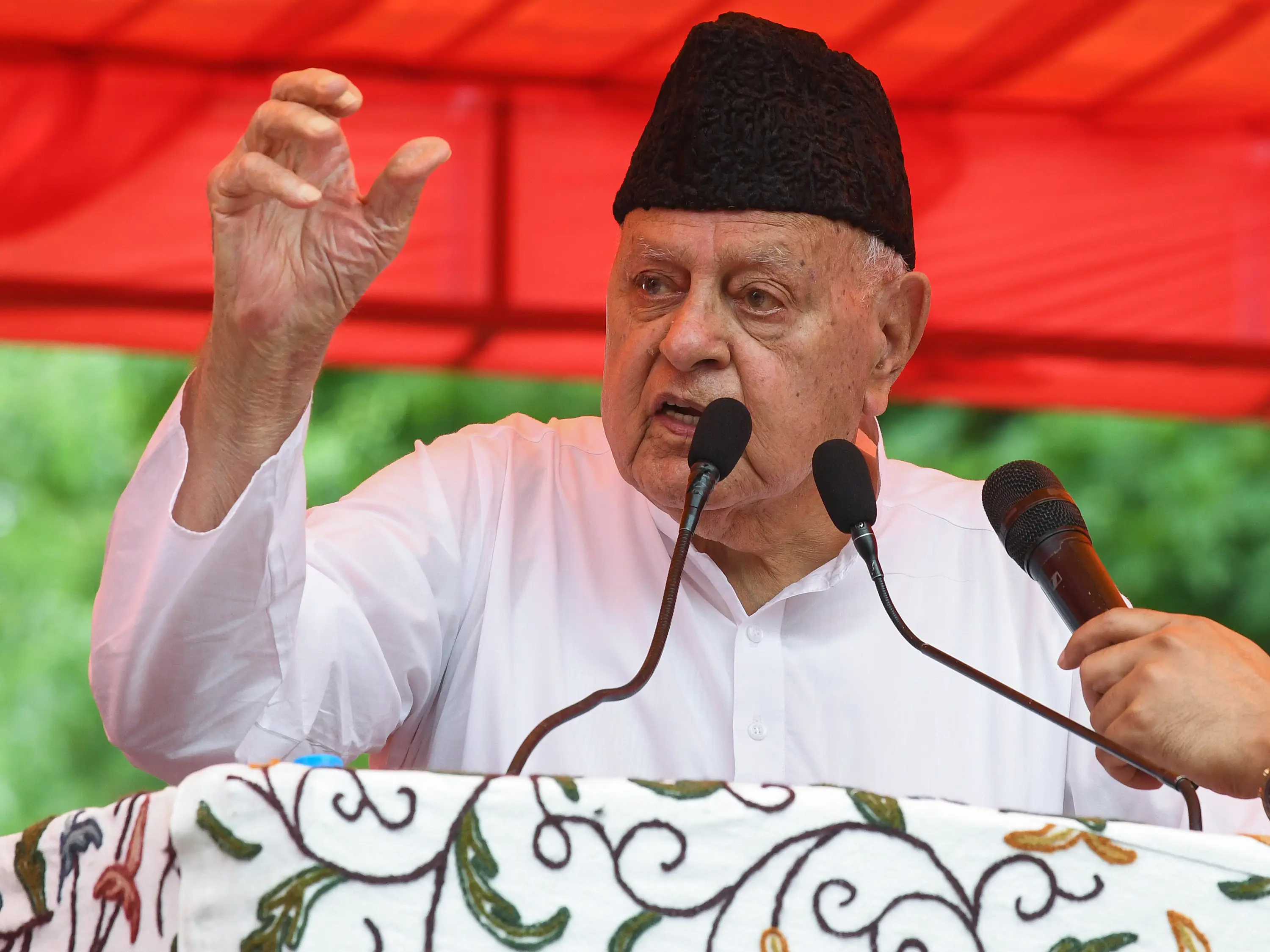
Farooq Abdullah says Pakistan’s raising of Kashmir issue keeps pressure on Delhi
Awais Ahmed, who is the CEO of Pixxel, said as quoted by the company's website: "From being one of the very few finalists in the SpaceX Hyperloop Pod Competition in 2017 to now launching our own satellites as part of SpaceX's fourth dedicated rideshare mission, life has come full-circle for us."
"The vision we had then, to accelerate humanity’s expansion into space by making in-space resources available on-demand and turning the earth into a more vibrant and sustainable place in the process, remains steadfast even today," the statement added.
ALSO READ |Indian astronomers find galaxy having 'ghost-like' appearance
Pixxel TD-2 details:
1) Pixxel TD-2 weighs less than 15 kilogrammes
2) As per the company, TD-2 is capable of capturing orbital images in more than 150 bands of colour from the visible and infrared spectrum with a resolution of 10-meters per pixel.
3) TD-2 will start collecting data and information related to the health of the planet Earth. It is set to uncover the invisible changes wreaking havoc on the planet, such as natural gas leakages, melting ice caps, pollution, deforestation and declining crop health.
What's next?
Awais Ahmed stated that Pixxel will achieve daily global coverage by early 2024 with even more satellites scheduled to launch in late 2023.
"The learnings from the data beamed down by our constellation will provide us with a global scale perspective of planetary-scale ecosystems and biospheres that will be used to create an AI-informed analysis platform, helping us create a digital twin of the earth," he noted.