Hidden mysteries in ancient Egyptian paintings revealed. Here's how

File photo.
Hidden mysteries in ancient Egyptian paintings have been revealed. How? With the use of chemical imaging. According to research published in PLOS ONE journal on Thursday (July 12), scientists used portable chemical technology to identify alterations made by the artists in these paintings. "The limited palette for example has been analysed from actual painted surfaces but also from pigments and painting tools retrieved on site," the research said.
"However, most of these studies took place in museums while the painted surfaces, preserved in funerary chapels and temples, remained somewhat estranged from this primary physical understanding," it added.
The workflow

"The Pharaonic Civilization offers the most extended cultural continuity of the ancient world. Its highly formalized painting style is easily recognized. This consistency mainly derives from aesthetic choices but also from an organized and regulated workflow that has been theoretically reconstructed by different authors," the research said.
It is assumed that the work started with a preliminary sketch drawnin red ochre on the plastered and smoothed wall. This was followed by the application of white or coloured backgrounds, at times leaving a reserve for pictorial details, according to the research.
"Afterward, colour came, commonly with pigment mixtures and layered applications. As the last step, the final outline and details were drawn, mainly with red ochre. In a final and vital stage, paint spilling over the outline was overpainted with opaque white," the research added.
)
Nigeria: Protesters take to the streets, police fire shots
)
US-Iran war: Tehran draws red lines — seven demands before any peace talks
&im=FitAndFill=(700,400))
‘Not the US or China’: These are the countries leading the world in arable land
)
Mark Carney mimics Trump in hilarious moment over C$70 billion clean-energy investment; room erupts in laughter
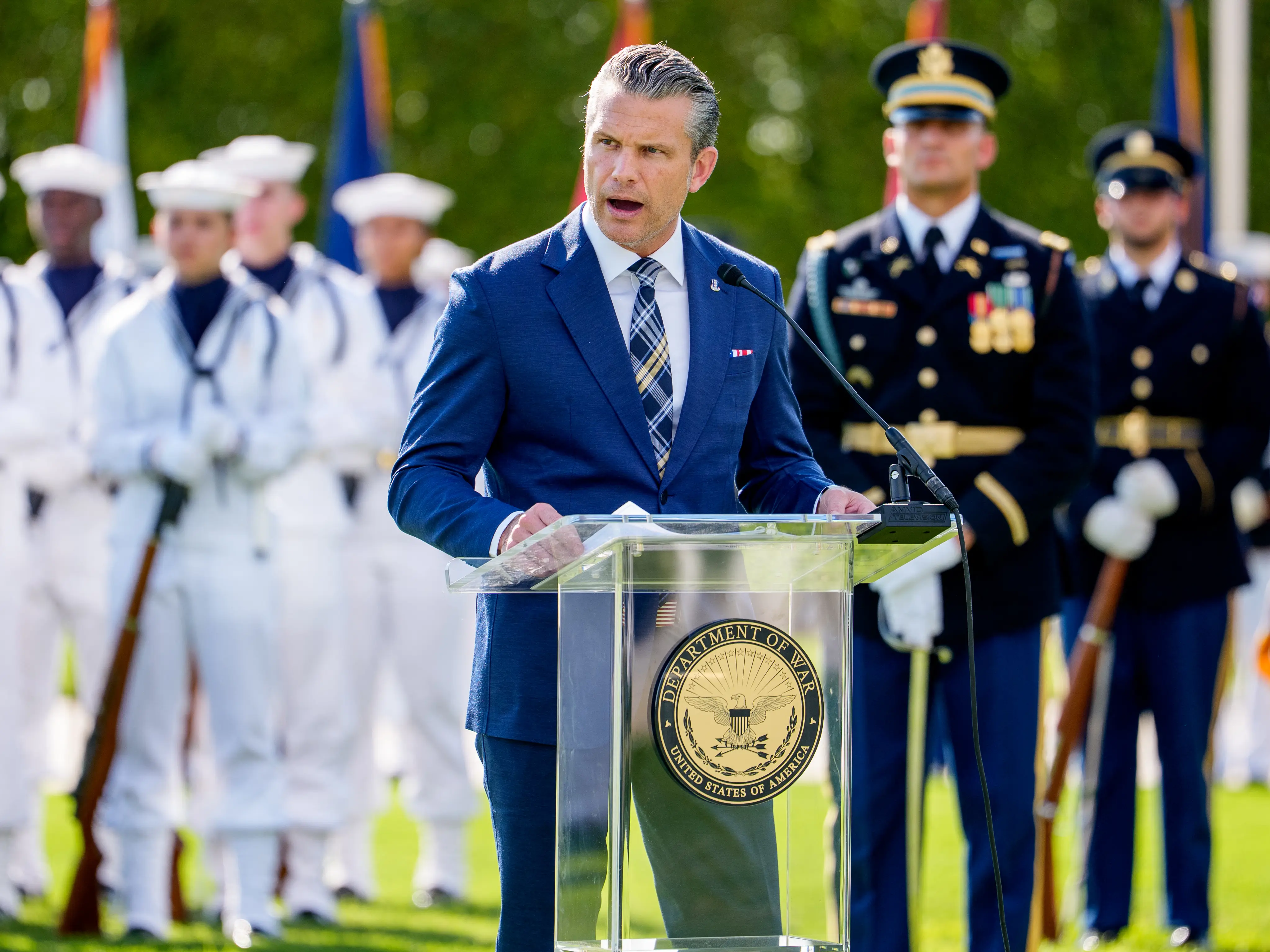)
Pentagon revives mandatory testosterone testing for male troops aged 30 and above
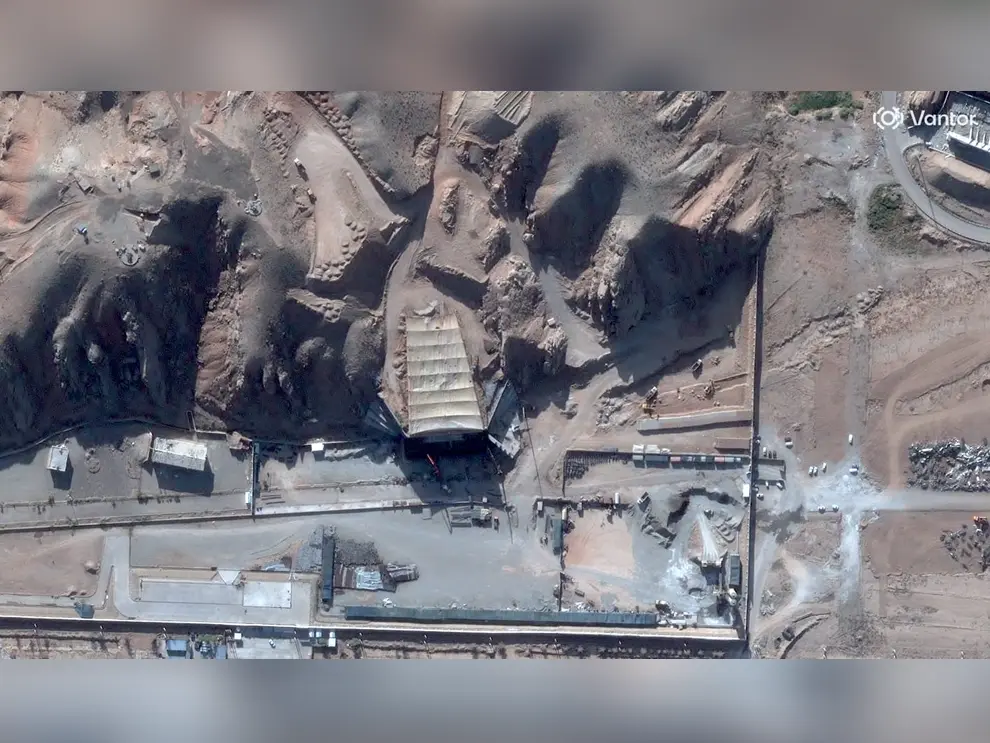)
Iran rebuilding nuclear facilities? New satellite images show Tehran may be rapidly restoring bombed Parchin base
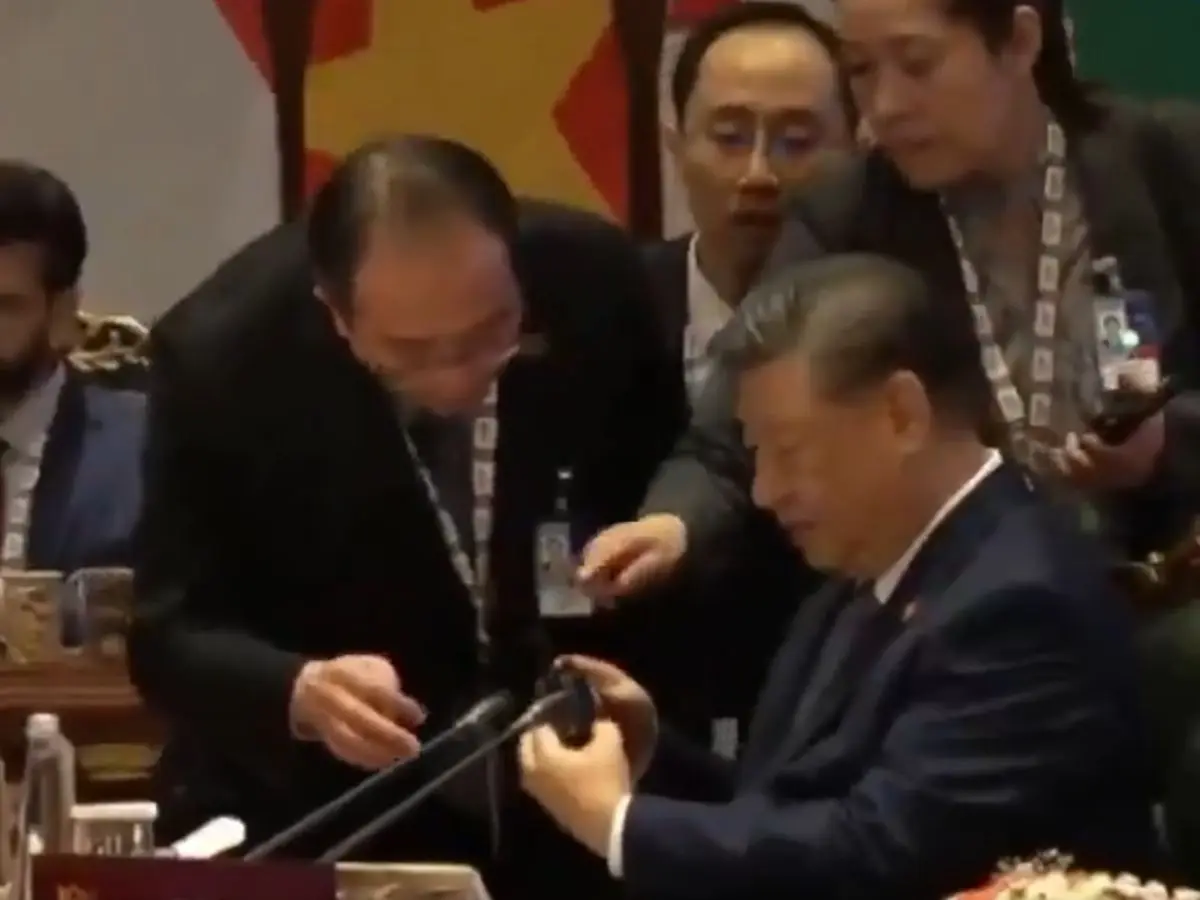)
FACT CHECK: Why did PM Modi ask Xi ‘is it okay’ at BRICS Summit? New video reveals...
)
China may have gained access to US's classified F-35 jets; parts meant for repairs diverted to Hong Kong, sparking Pentagon inquiry
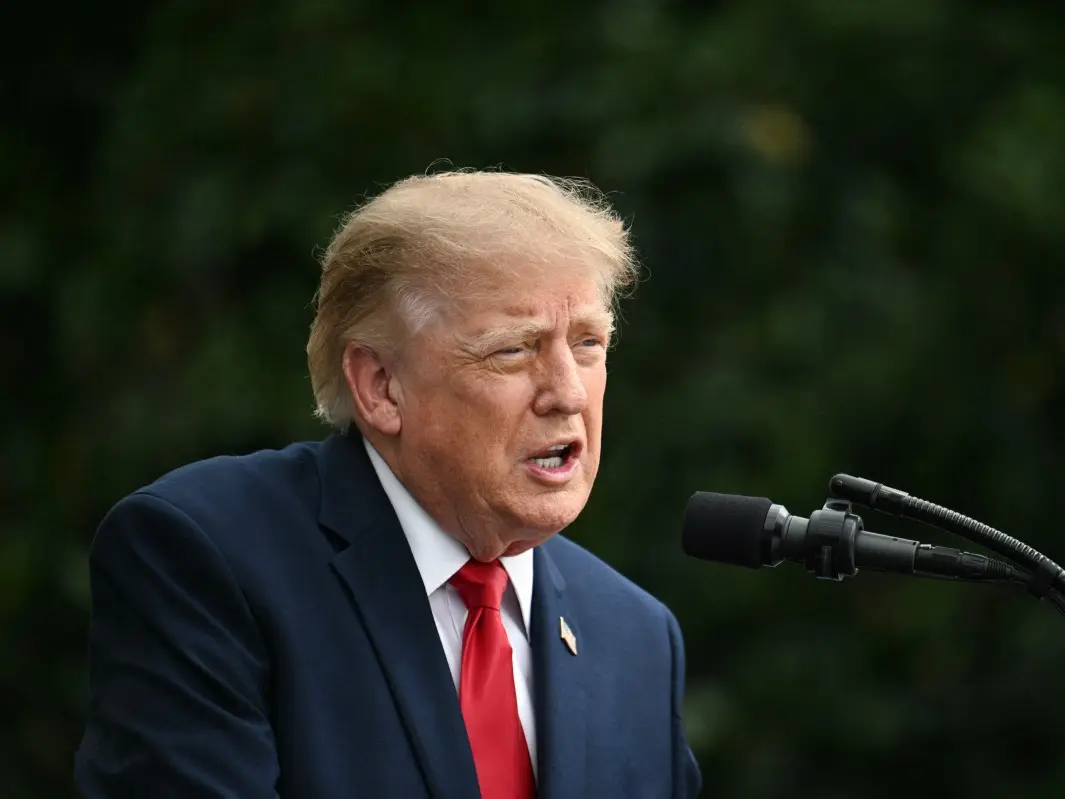)
Trump announces ‘AI Force’ as debate grows over AI risks and regulation
)
Iran sets 7 conditions to end war with US: What are Tehran’s demands?
)
Trump defends AI amid growing alarm, announces new 'AI force' and promises an 'AI czar'
)
Gaza under attack: Health chief's son killed in IDF strikes
)
Arvind Kejriwal, family members, Delhi CM Rekha Gupta get SIR notices
)
Cochin shipyard starts building Indian Navy's next-gen missile vessels
)
Russia extends ban on Western food imports for two more years in extended sanctions countermeasure
)
Brigitte Bardot’s private collection set for Paris auction; key items and prices revealed
)
How did an Australian river with 500 crocodiles pass the Olympic test? Here's how
)
‘Will go to any extent’: Pakistan vows to defend Saudi Arabia amid Houthi attacks
&im=FitAndFill=(700,400))
Ananya Panday to Sharvari: 5 actresses serving major princess vibes
66 years of the Indus Waters Treaty: How India and Pakistan settled a bitter river dispute
)
The Verdict | When precision fails: US commits war crime in Minab school strike, UN finds
)
Trump signs Russia sanctions bill into law, targets Moscow’s energy sector
)
Pak: A series of counter terrorism operations in Khyber Pakhtunkhwa
)
Flying cars in UAE: Ras Al Khaimah signs deal with Chinese company to test new transport
)
Reacher star Alan Ritchson opens up about alleged blackmail, suicide attempt during difficult period
)
Africa is splitting, and a lot sooner than estimated, giving way to a new ocean
)
Ajit Agarkar’s future as chief selector to be decided at right time, says BCCI secretary
)
Trump bans CNN, MS NOW and Politico from White House over ‘FAKE NEWS’
)
Trump 2.0: Dark days ahead for America’s ‘imperial presidency’
&im=FitAndFill=(700,400))
How many F-35s does Britain, Japan and Israel have?
)
Harry Brook targets long reign at top of T20I rankings after Sri Lanka sweep
)
Tirupati Laddu ghee adulterated with chemicals, says ED, supplier arrested
)
Russia holds first parliamentary elections since the beginning of the Ukraine war
&im=FitAndFill=(700,400))
Meet top 5 Indian batters with fastest T20I centuries
)
‘System run by six individuals’: Rahul Gandhi targets PM Modi, Amit Shah, NSA Doval
)
It said that this workflow was mainly based on the study of incomplete works in tomb chapelsas well as artistic projects on ostraca, pottery sherds used for sketches dating to the 18th and 19th dynasties.
The alterations to specific details of the paintings, during or after their executions were also reported but seemed to remain rather seldom.
A third arm for Menna
Take a look at this picture

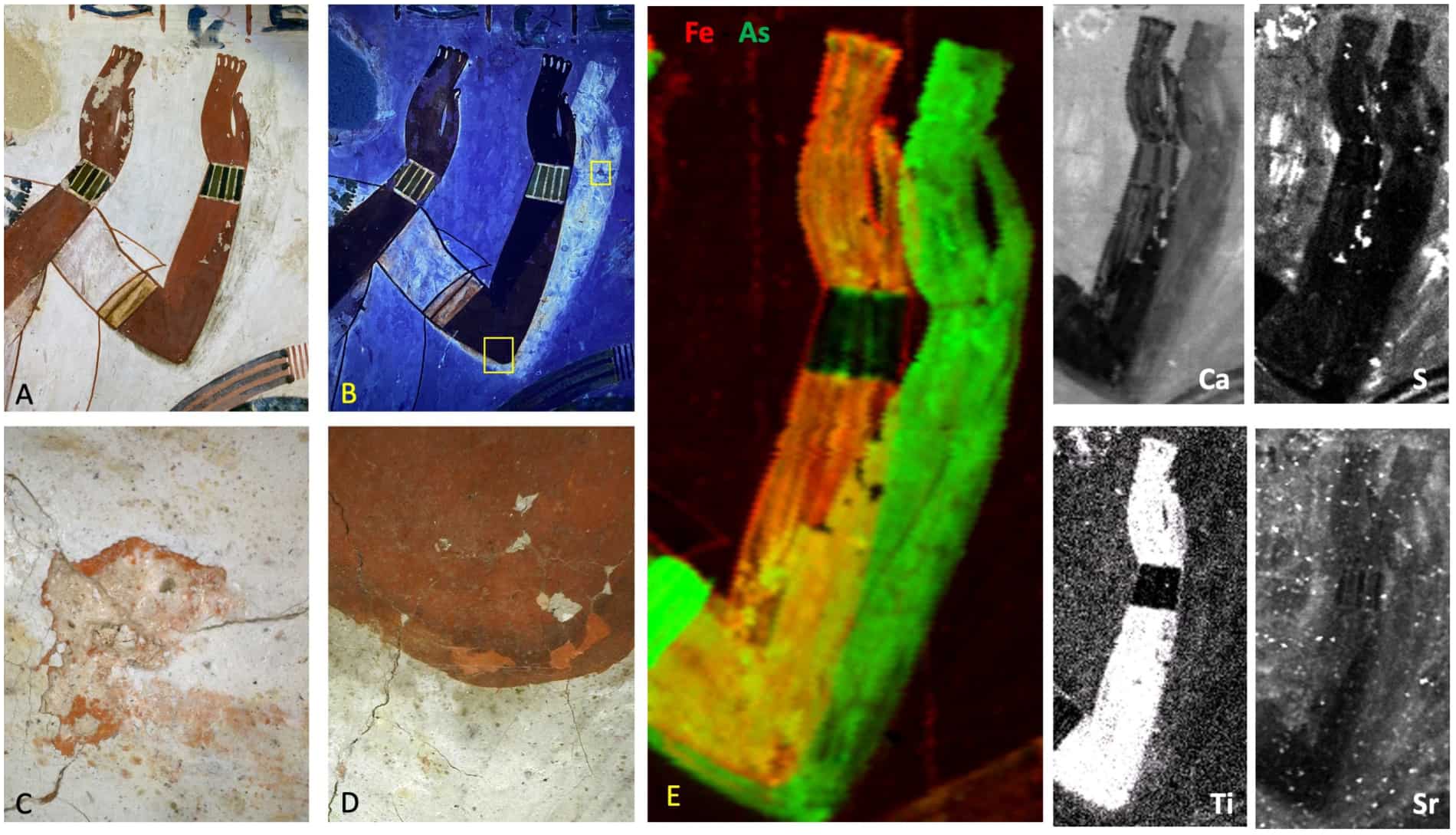
The research cited an exampleof the painted tomb chapel of Menna which was discovered in 1888. The painted tomb "is indeed visible to the naked eye (Figure A). But thatwas surely not the case in ancient times."
"It has probably been made visible due to chemical interactions between the ancient materials and the migration of chemical compounds to the surface."
Figure B showedsurface of the corrected area reacts with fluorescence under ultraviolet lighting This indicated the presence of apecific organic binder or degradation product.
"This alteration is visible in a scene showing Menna and his wife adoring Osiris. This rite of adoration is visually made evident by the fact that Menna raises his two hands in front of his face. However, close observation of this area detects the presence of a third hand, somewhat hidden under the white surface layer that is used as a background," the research also said.
If this ghost hand and arm were easily detected, they remained puzzling because the factual reasoning behind this alteration remains difficult to define precisely.
WATCH WION LIVE HERE
You can now write for wionews.com and be a part of the community. Share your stories and opinions with us here.