November night guide: Leonids meteor shower, stunning views of Jupiter, Moon and more

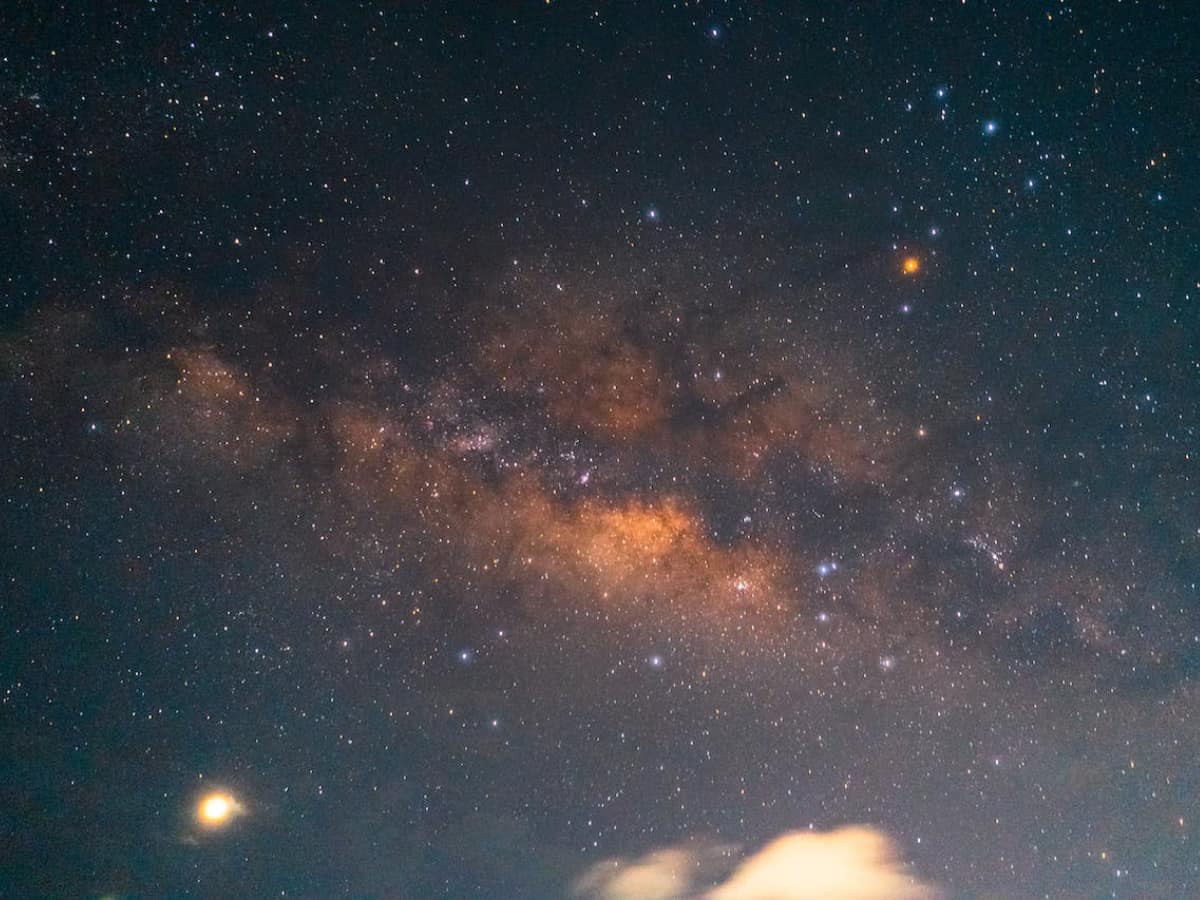
Astronomical events in Nov'23
The month of November will gradually move from fall into the winter season, spreading perfect weather in the night for all the skygazers. The month is full of celestial surprises from meteor shower peaks to stunning views of Jupiter and the famed Beaver’s moon.
The good news is that for most of the astronomical sightings in November, no special equipment will be required to observe the starry night sky. Still, for a better view, a good pair of binoculars and a telescope will enhance your experience.
Also Read |Devil Comet has had two outbursts in the last 4 months, will be visible from Earth. Here's when

So grab a comfy blanket and set of binoculars and get ready to experience all the upcoming celestial events in the month of November this year.
November’s astronomical events are a delight for skygazers
Nov 2-3: Jupiter at Opposition
)
WATCH | China President Xi Jinping lands in US as Trump greets him ahead of high-stakes summit
)
Israeli envoy to US Yechiel Leiter’s son critically injured in West Bank ramming attack
&im=FitAndFill=(700,400))
New OTT releases this week (September 21-27, 2026): Shaque: Trust No One, Hunkkaar, Don’t Be Shy- 5 new titles coming to Netflix, Prime Video and more
)
ICC plans T20I expansion and fewer ODIs in 2027–2031 FTP cycle: Report
)
Mamata demands CEC Gyanesh Kumar's arrest, calls for fresh Bengal polls with old voter list
)
WION Iconic Tourism Summit: South African envoy pushes for direct air connectivity with India
)
American manufacturing is reshoring faster than its factory floors can absorb
)
From Gaddafi tearing up UN Charter to Trump’s ‘escalatorgate’: Most unforgettable UNGA moments
&im=FitAndFill=(700,400))
National Film Awards 2026: Kartik Aaryan, Mammootty, Yami Gautam, Randeep Hooda and other key winners
)
Trump-Xi state dinner 2026: Who is invited? Full guest list of tech CEOs, business leaders and officials
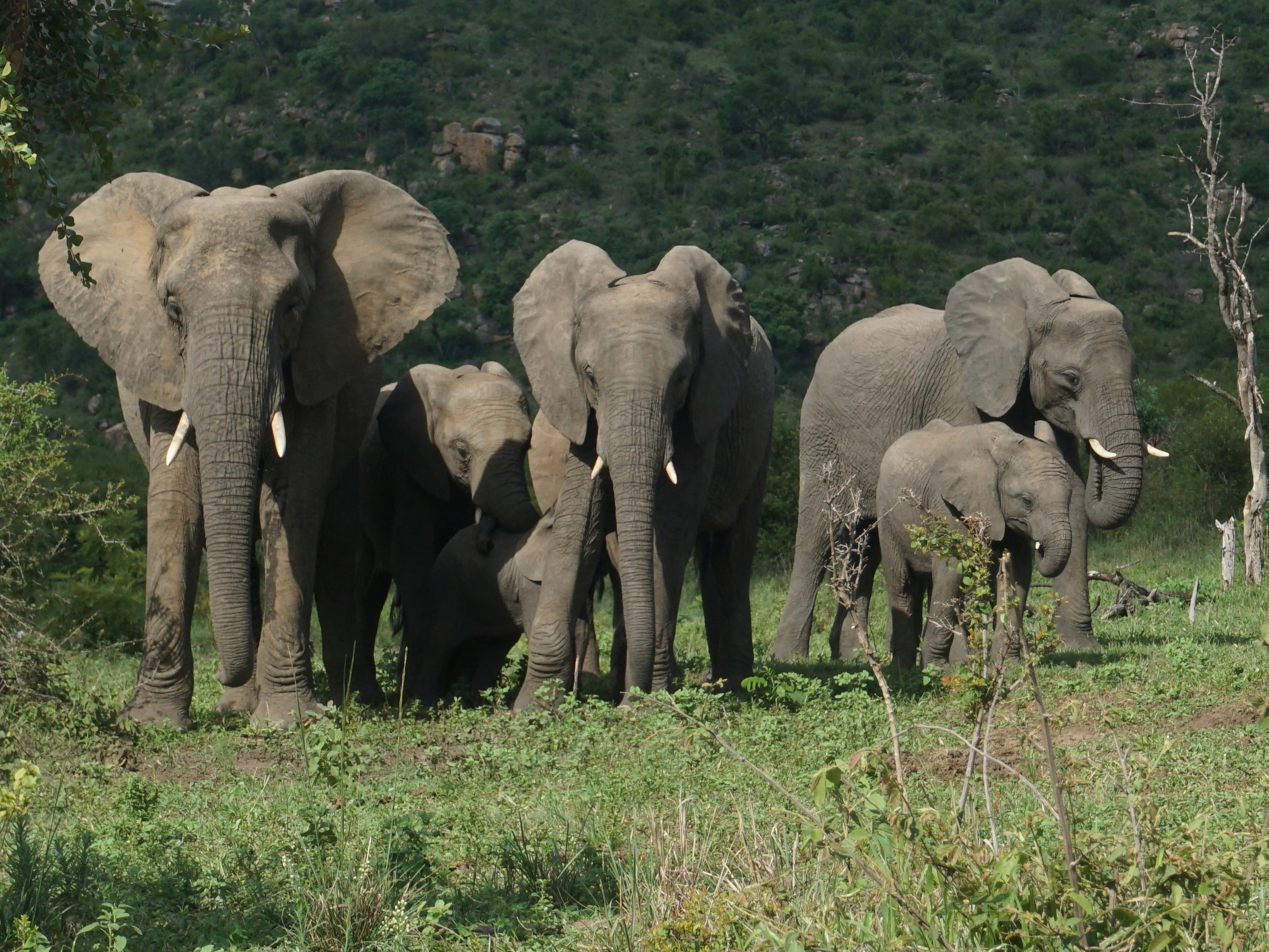)
Elephants hide behind trees, stage surprise attack on poachers targeting rhinos in South Africa
)
WION Iconic Tourism Summit and Awards 2026: Key voices to discuss India’s tourism future
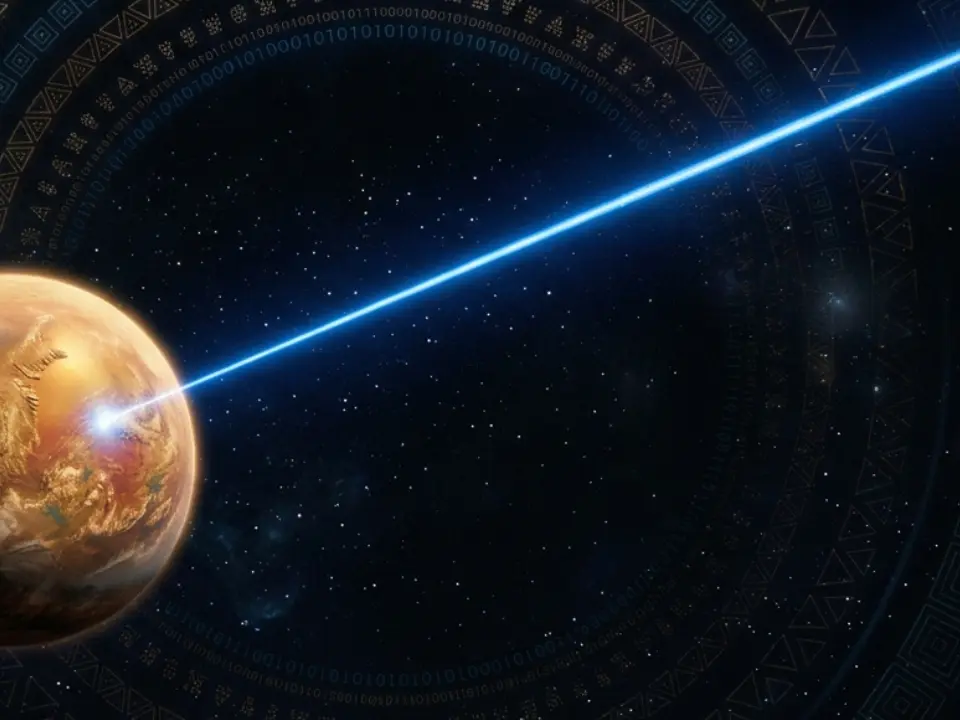)
Scientists detect first radio signals directly from faraway planet
)
UP farmer kills wife, 2 priests during ‘spirit possession’ ritual, shoots 9yo son
)
Anne Hathaway to run in supporting race for Nolan's epic
)
'Taiwan and human rights are red lines': China warns US ahead of Xi-Trump visit
)
‘Iran will never bend at the knee’: Pezeshkian hits back at Trump at UNGA
)
TMC revives impeachment push against CEC Gyanesh Kumar after report of internal dissent
)
Trump signs Greenland security deal with Denmark, paving way for two new US military bases
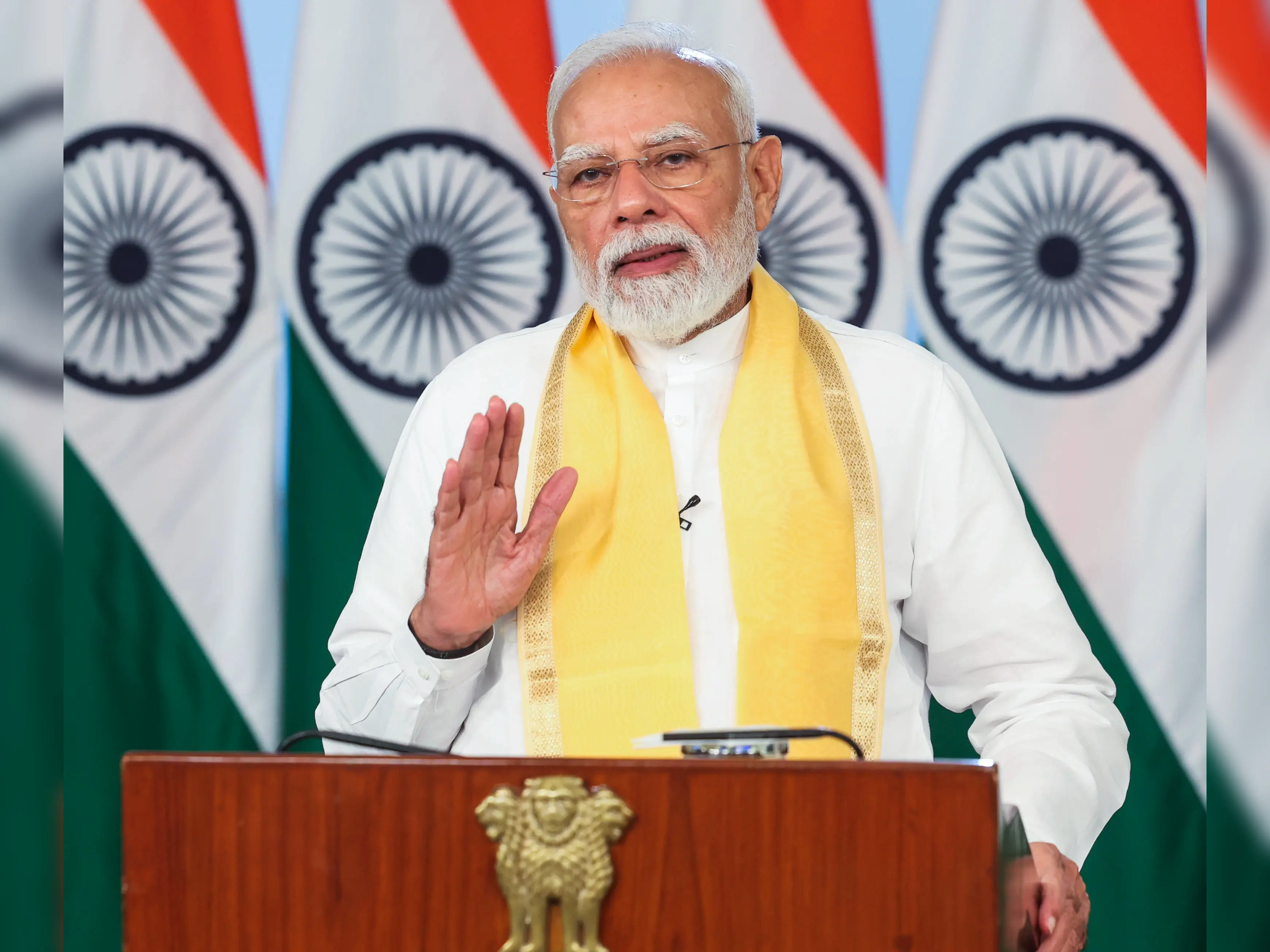)
PM Modi expected to visit Belgium, US and Canada in December with focus on trade deals, G20
)
WION Iconic Tourism Summit: Seychelles envoy says India partnership is important for Seychelles
)
Forget apps: Qualcomm CEO says AI agents will change how we use smartphones
)
WION Iconic Tourism Summit: Minister Kapil Mishra shares Delhi tourism future, invites industry to be partners
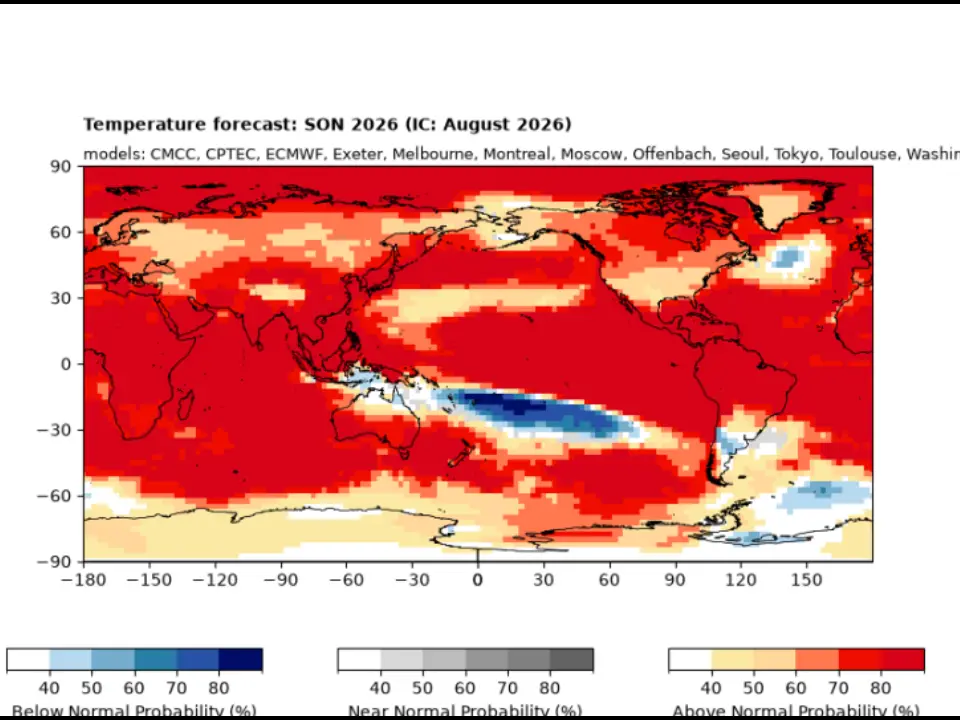)
El Niño 2026 heats up to become strongest in 1,000 years
)
'Putin is patient zero': Zelensky slams Russian president at UNGA, accuses him of using fighters from 47 countries
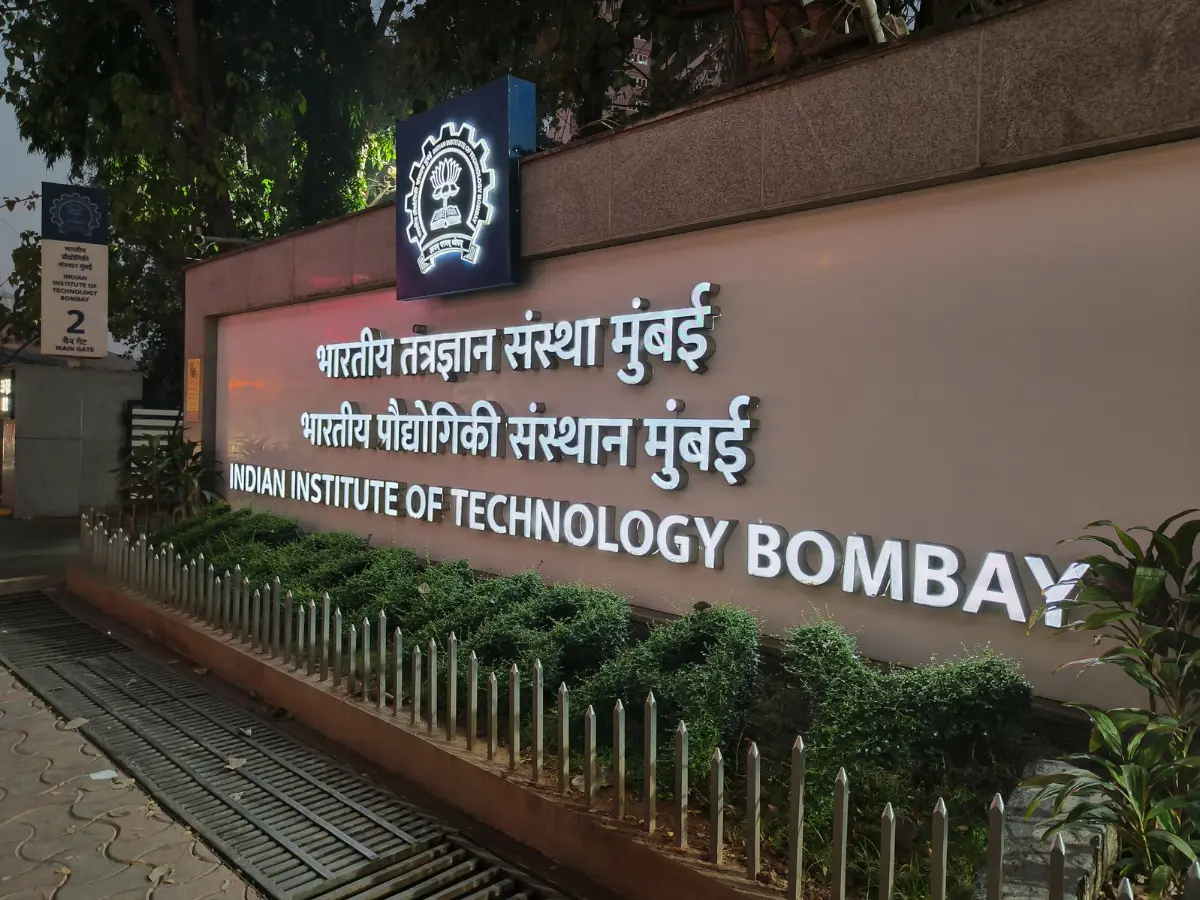)
IIT Bombay professor Suryanarayana Doolla sent on leave amid Sahil Wakode death probe
)
Bomb scare in New York amid UNGA: Suspicious suitcase found near UN headquarters
)
IND vs JPN T20I: How an overturned wide became point of difference between India's win and a tie
)
Trump calls on nations to quit ‘rogue’ and ‘out-of-control’ International Criminal Court, rips UN
)
'What kind of confession is this?': Pakistan PM Shehbaz Sharif’s 'terrorists would be roaming New York' remark goes viral, raises alarm online. Watch
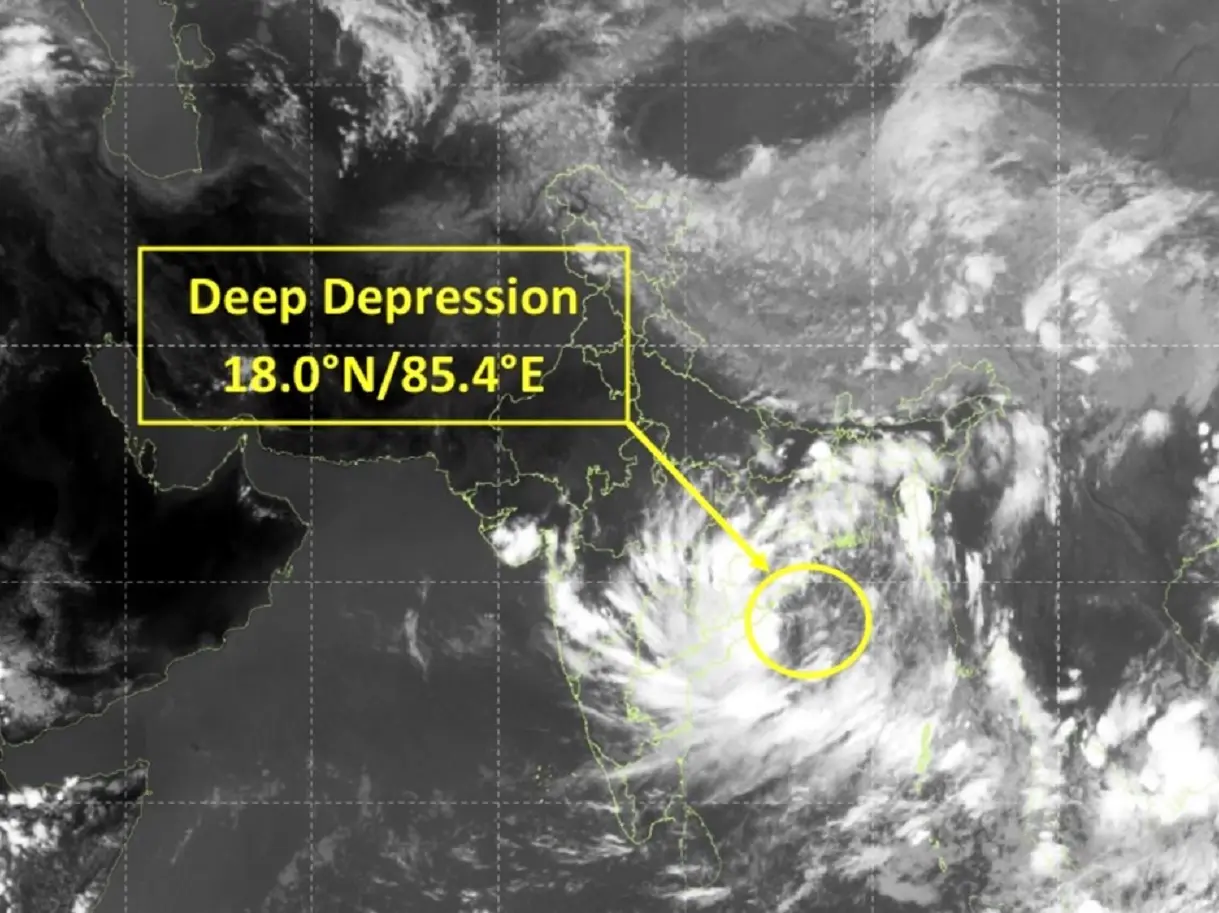)
Cyclone Arnab: Landfall expected before midnight tomorrow as IMD issues orange alerts across six states
)
Pilot recreates Mona Lisa in sky over Oklahoma and Arkansas in four-hour flight: VIDEO
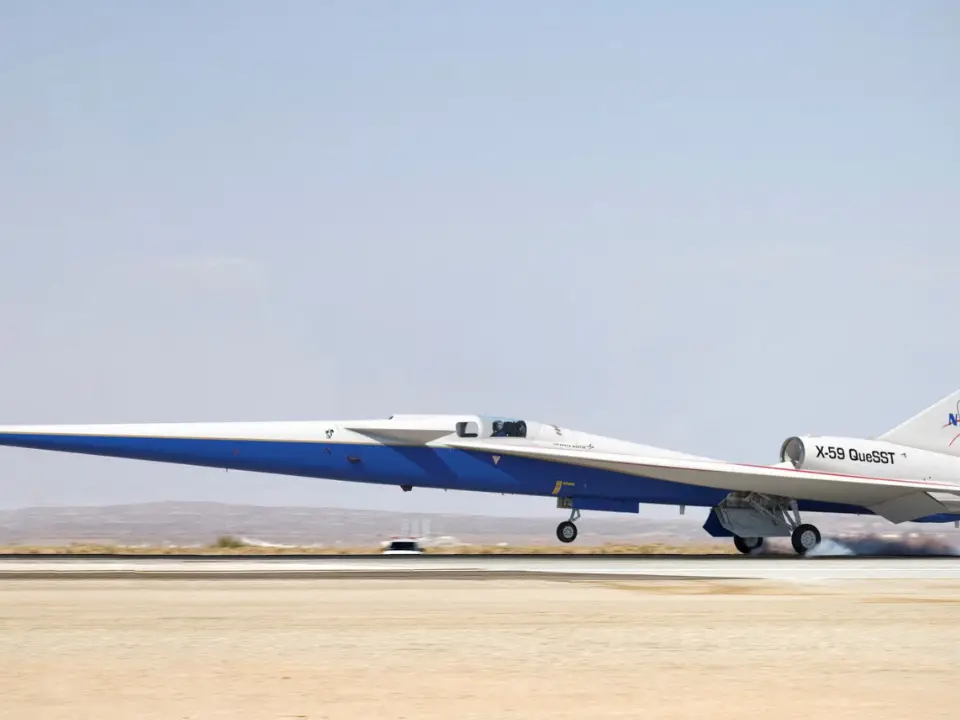)
China to test supersonic jet that moves at Mach 2, double the speed of sound
)
Googlebook is here: Google launches $899 AI laptops with Gemini, Android phone integration
)
US spy satellite from Cold War shatters 775 km above Earth
Jupiter will hit opposition or will appear in its biggest and brightest state at 12:00 am EDT on November 3 and will be visible on the eastern horizon for skygazers in the Northern Hemisphere.
Nov 5-6: Southern Taurids Meteor Shower - Peak Window
The first meteor shower of the month is predicted to peak around November 5-6. Both South Taurids will produce about five meteors per hour and the scene will be amazing.
Nov 9: Moon and Venus Conjunction
The brightest planet of our solar system, Venus will shine more brilliantly this month. It will put on a show on the eastern horizon at 2:55 am EST. The moon will also pass in front of Venus, blocking it from view for some time.
Nov 11-13: Northern Taurids Meteor Shower - Peak Window
Due to the moon’s phases, the best chance for seeing the Northern Taurids this month is from November 11-13. Ideal viewing times will be around midnight because the moon will only be about 2 per cent full that night.
Nov 18: Leonids Meteor Shower - Peak Window
Leonids shower is predicted to peak on Nov 18. The best viewing time would be late on the night of Nov 17 until dawn on Nov 18. It is possible to see 10 to 15 Leonid meteors per hour under a moonless sky.
Nov 27: Full Beaver Moon
November’s full moon will reach peak illumination on November 27 at 4:16 am EST. The moon will also appear very full and close on the night of November 26.
(With inputs from agencies)