Volcanoes have been violently erupting on Jupiter's moon Io ever since it was born

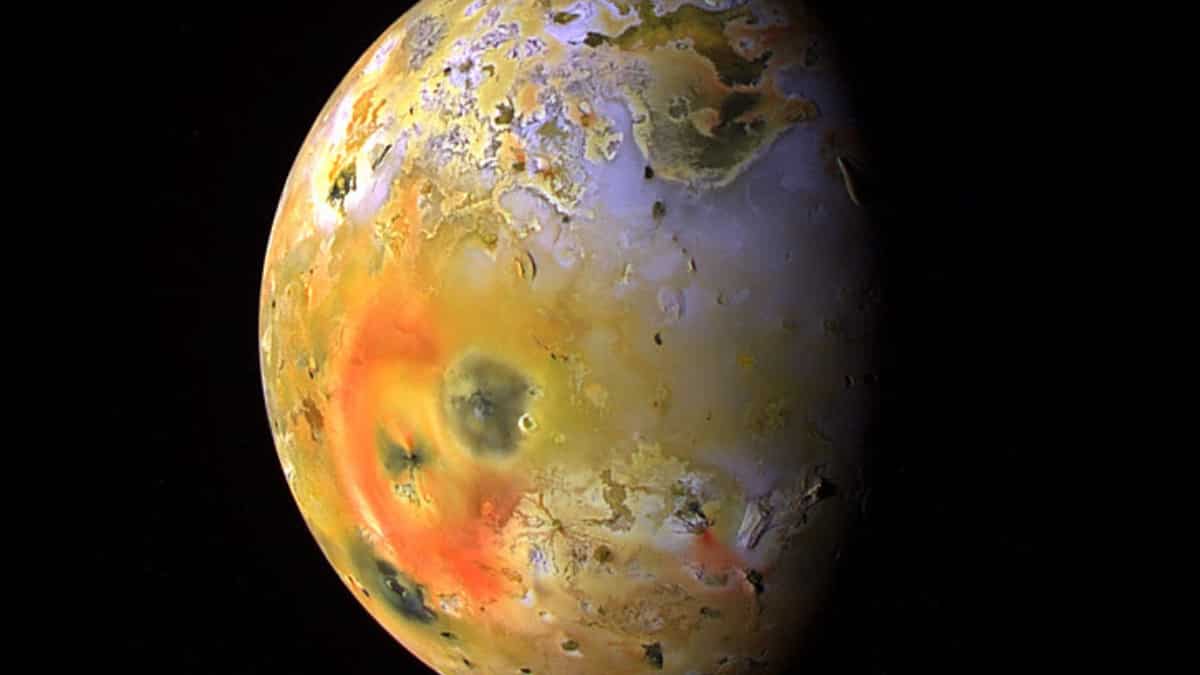
Jupiter Moon Io
Io, Jupiter's moon and the most volcanic body in the solar system, has been in upheaval for at least 4.57 billion years.
Scientists used the Atacama Large Millimetre/submillimetre Array (ALMA) to track sulphur and chlorine in the Jovian moon's atmosphere. While they knew that the gravitational forces between Jupiter and the neighbouring Jovian moons Europa and Ganymede generate immense tidal forces within Io, causing intense volcanism, they weren't sure about how long the influence of Jupiter and its moons had been causing the disruption. It was tough to investigate as the continuous flow of lava from the extreme volcanism across the surface of Io keeps it looking fresh.

Katherine de Kleer, team leader and assistant professor of planetary science and astronomy at Caltech, told Space.com, "Io's surface is very 'young,' meaning that the lava flows and volcanic plume deposits cover up any features that are more than around 1 million years old. Therefore, it has not previously been possible to learn anything about Io's volcanic history beyond the past million years, which is very recent from a geological perspective. Io represented a big mystery because its surface doesn't hold a record of its history the way that the surfaces of less active moons do."
Katherine and her colleagues used ALMA, an array of 66 radio antennas in the Atacama Desert of northern Chile, to look for clues in Io's thin atmosphere.
ALSO READ |A ninth planet? Scientists are convinced that our solar system might be hosting a 'Planet X'
)
Pentagon revives mandatory testosterone testing for male troops aged 30 and above
)
FACT CHECK: Why did PM Modi ask Xi ‘is it okay’ at BRICS Summit? New video reveals...
)
India seeks to build a full semiconductor supply chain
&im=FitAndFill=(700,400))
From Abhishek Sharma to Sahil Chauhan, 5 batters with fastest T20I hundreds
)
Pyongyang dismisses US, western pressure over nuclear programme
)
US And Denmark reach Greenland deal, Trump announces expanded military presence
)
Google’s Gemini AI hacks real systems by guessing passwords during security test
)
US hiding troop deaths in Iran war? Toll higher than Pentagon count, claims report
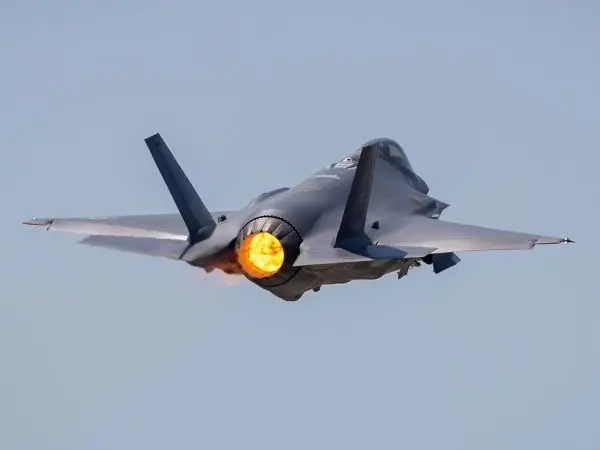)
China may have gained access to US's classified F-35 jets; parts meant for repairs diverted to Hong Kong, sparking Pentagon inquiry
)
NASA research plane reaches 61,000 feet over Panama
)
Godfather of AI Geoffrey Hinton gives US lawmakers a one-year warning on AI
)
Shivakumar attends 79th Kalyana Karnataka Utsav in Kalaburagi
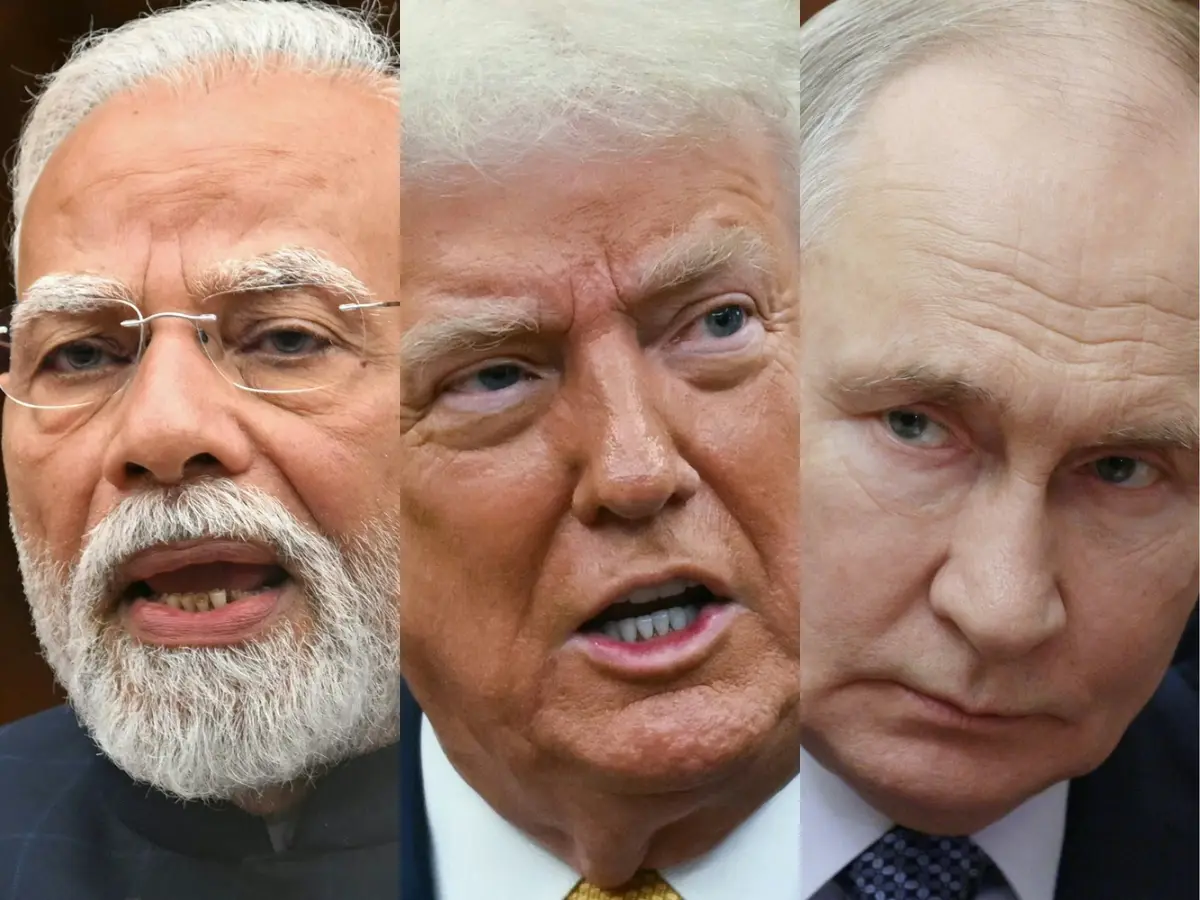)
Trump signs Russia sanctions law: India faces fresh 100% tariff threat over Russian oil
)
Brigitte Bardot’s private collection set for Paris auction; key items and prices revealed
)
Why Ranveer Singh’s Dhurandhar missed India’s Oscar entry; FFI jury member reveals what happened
)
Zendaya and Tom Holland step out for a low-key date in Los Angeles
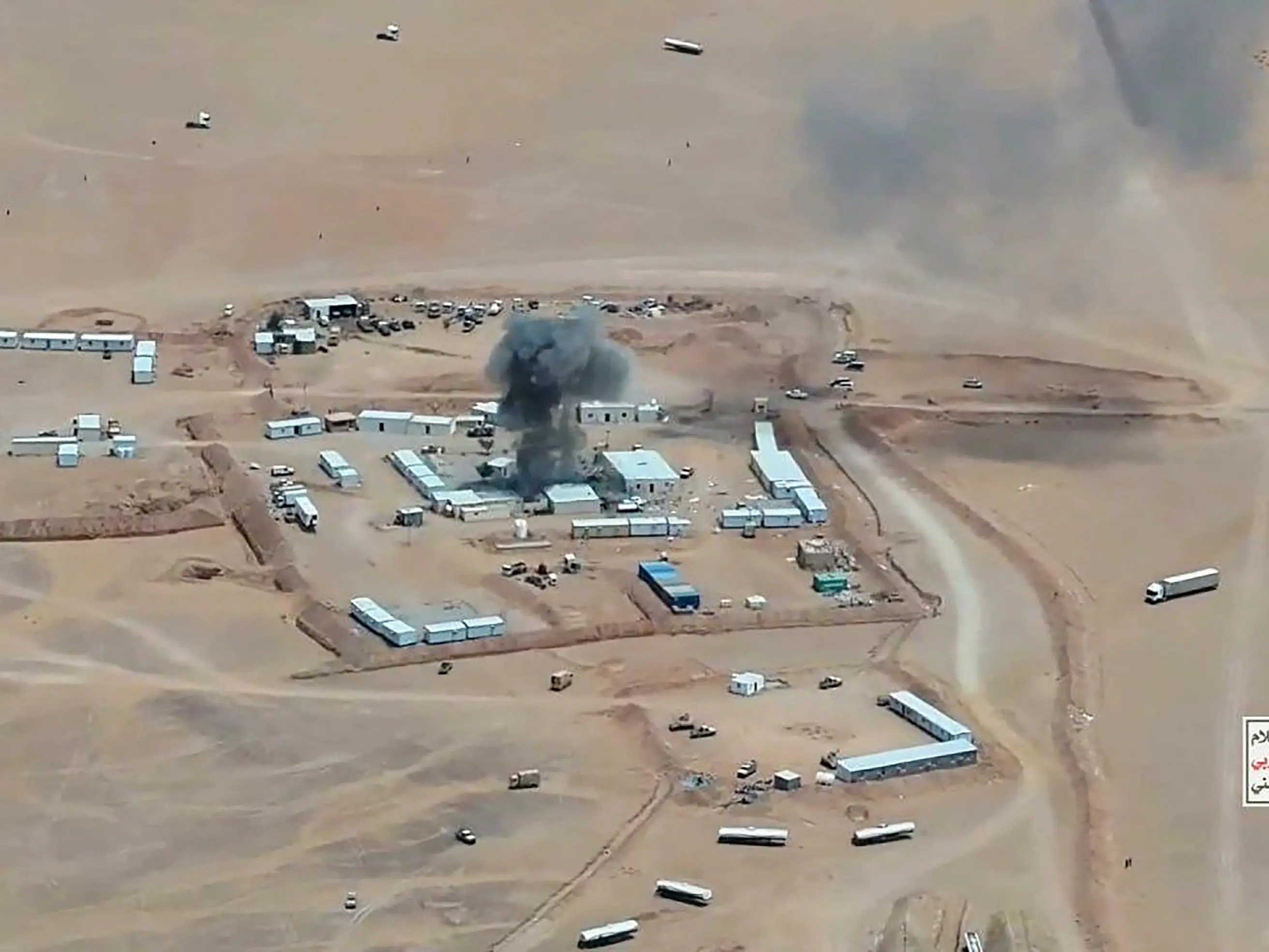)
‘Will go to any extent’: Pakistan vows to defend Saudi Arabia amid Houthi attacks
)
The Verdict | When precision fails: US commits war crime in Minab school strike, UN finds
)
Trump signs Russia sanctions bill into law, targets Moscow’s energy sector
&im=FitAndFill=(700,400))
New Friday OTT releases (September 18, 2026): Lust Stories 3, You+Me, Best of the Best- 8 new titles coming on Netflix, Prime Video and more
)
Pak: A series of counter terrorism operations in Khyber Pakhtunkhwa
)
Fast bowler Brydon Carse faces no charges over Derby nightclub incident
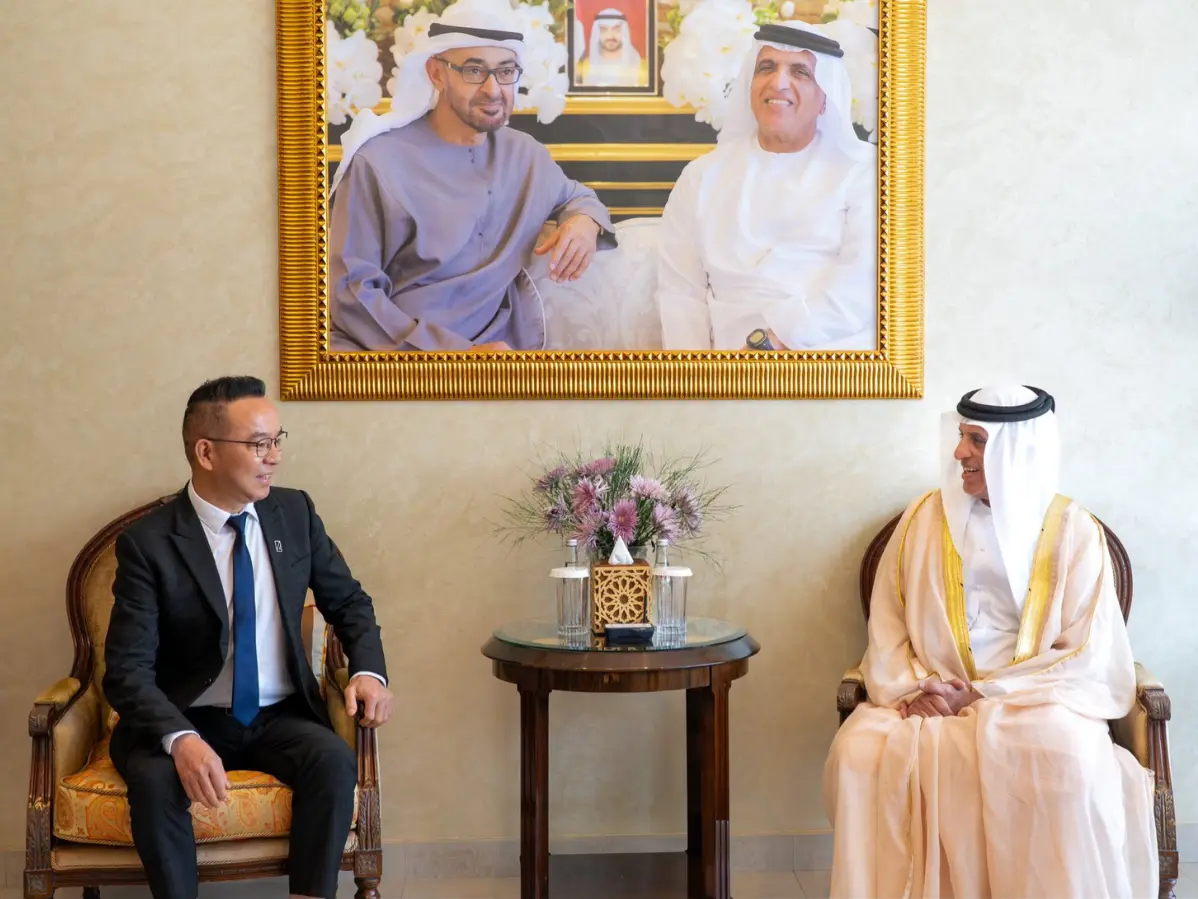)
Flying cars in UAE: Ras Al Khaimah signs deal with Chinese company to test new transport
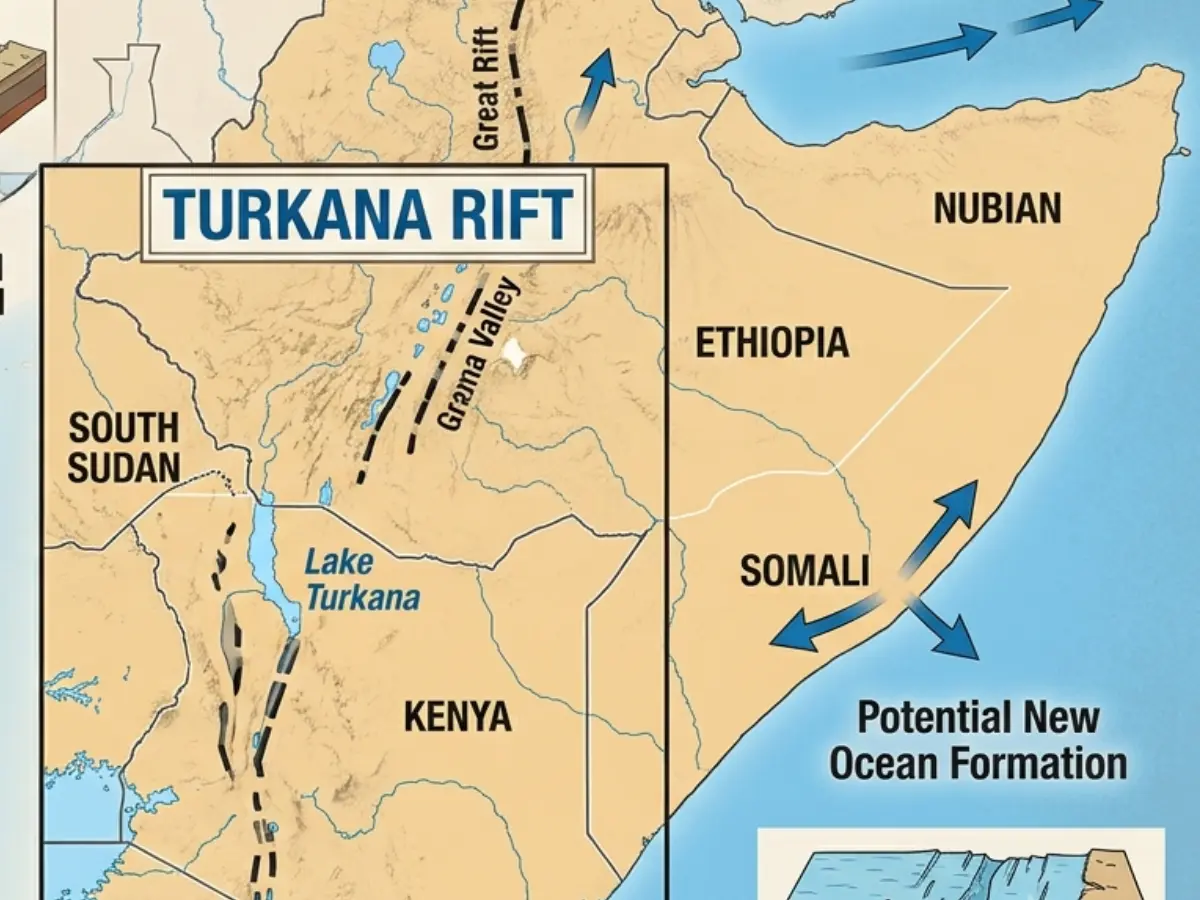)
Africa is splitting, and a lot sooner than estimated, giving way to a new ocean
)
'Gangsta' crab shoves knife blade at man and his dog in Florida - Watch
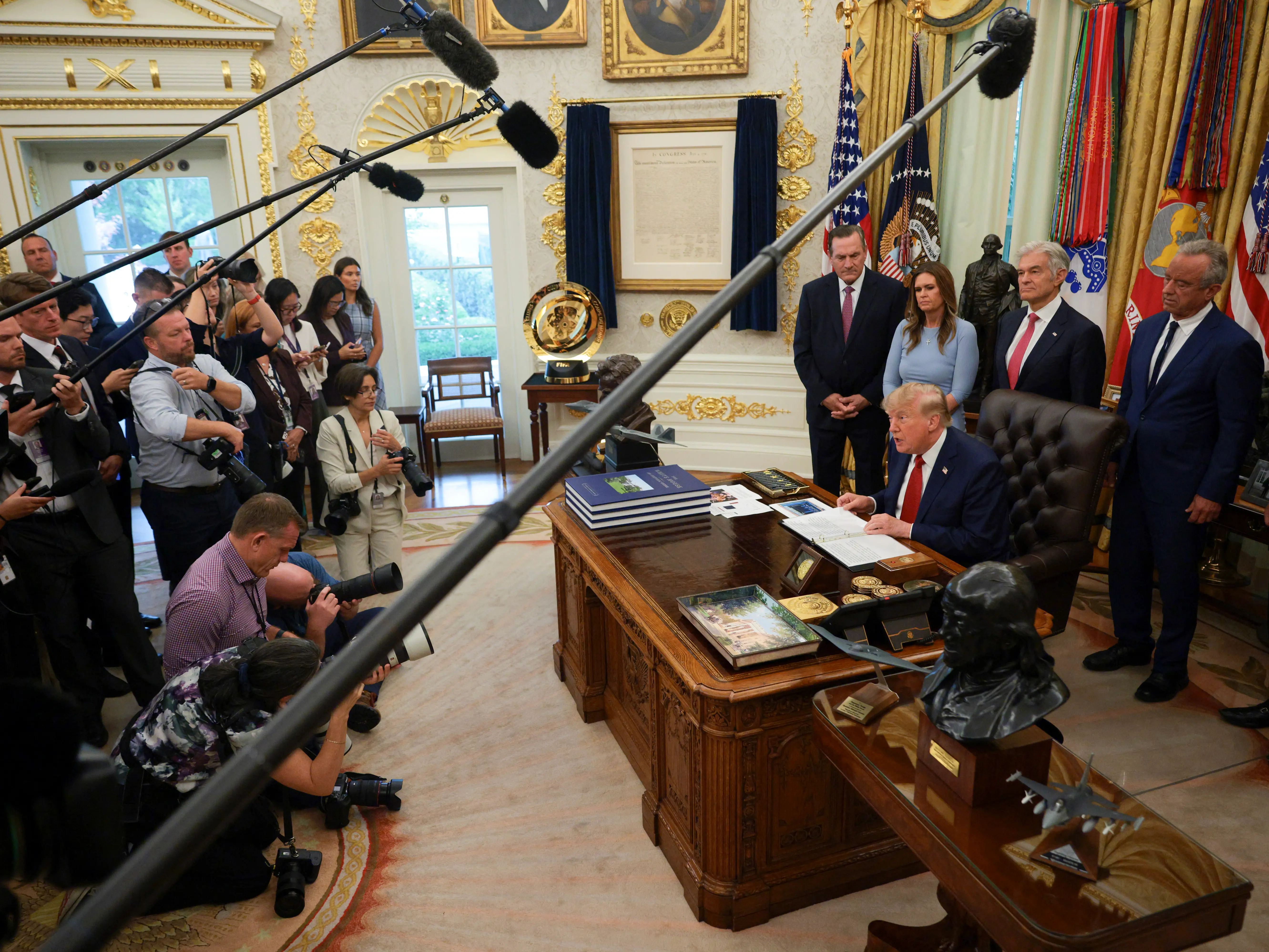)
Trump bans CNN, MS NOW and Politico from White House over ‘FAKE NEWS’
)
Trump 2.0: Dark days ahead for America’s ‘imperial presidency’
)
Trump's Greenland dream comes true? POTUS announces 'Infinite Life' deal with Denmark, claims permanent US control
)
Who is Khalilur Rahman? All you need to know about 81st UN General Assembly President
)
Tirupati Laddu ghee adulterated with chemicals, says ED, supplier arrested
)
IIT Bombay student dies by suicide, was caught seeking AI help during exams
&im=FitAndFill=(700,400))
Meet top 5 bowlers in latest ICC T20I rankings
)
Indian Cinema bets big on mythology, brings ancient stories to modern audiences
)
Ukraine plans record $109 bn defence spending, nearly two thirds of budget amid Russia war
)
Russia holds first parliamentary elections since the beginning of the Ukraine war
&im=FitAndFill=(700,400))
Meet top 5 Indian batters with fastest T20I centuries
They specifically searched for stable radio isotopes of sulphur and chlorine-bearing molecules. The researchers found that both elements are more present in heavy isotope variants, atoms with a higher number of neutrons, than the average value found across the solar system that occurs as the result of lighter isotopes from other world's upper atmospheres.
They found that the Jovian moon has lost 94 to 96 per cent of its lighter sulphur isotopes. It would have only been possible in the face of billions of years of volcanism going back to the origin of Io.
"We used sulfur isotopes in Io's atmosphere to deduce that Io has been producing sulphur-rich gas — and, therefore, that it has been volcanically active — for billions of years," de Kleer said. "This is a nice confirmation of some prior predictions that have been made," she added.
While de Kleer's team has found something crucial, they aren't done with Io yet. "As for what is next, I'd love to know whether Io once had a water ocean and ice crust, as its neighbors Europa and Ganymede do, that was subsequently lost by volcanism or some other means," de Kleer concluded.
(With inputs from agencies)