Diabetes drug may slow Parkinson's disease, says new research

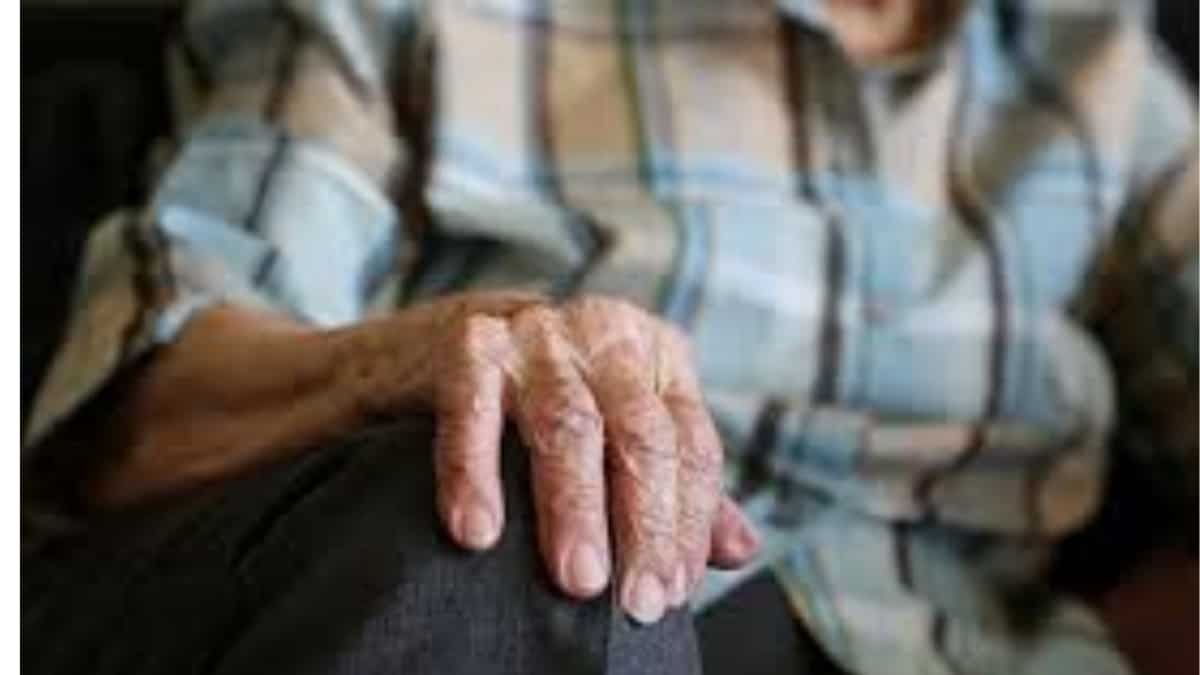
For representative use.
A medicine similar to the ones used in skinny jab could helpslow the progression of symptoms of Parkinson’s disease, research says.
More than 10 million people around the world are living with Parkinson’s – a condition where the brain slowly loses nerve cells, leading to issues with mobility, balance, and memory, among other things, according to the Parkinson’s Foundation.

In recent years glucagon-like peptide 1 receptor agonists (or GLP-1R agonists) have caused excitement, with one such drug, a type 2 diabetes medication called exenatide, found to help slow the progression of motor symptoms in a small group of people.Pow researchers say another such drug, a type 2 diabetes medication called lixisenatide, appears to do the same, supporting the theory that Parkinson’s could be associated with insulin resistance in the brain.
Prof Wassilios Meissner, of University hospital of Bordeaux, a principal investigator of the study, said the results were motivating.
“We have to stay careful about all the understanding and about applicability at the present stage, but it is really a very, very clear and strong signal we have never seen except in the exenatide trial,” he said.
)
Nigeria: Protesters take to the streets, police fire shots
)
US-Iran war: Tehran draws red lines — seven demands before any peace talks
)
Russia-Europe tensions: Polish PM warns Russian attacks could test NATO's unity
&im=FitAndFill=(700,400))
‘Not the US or China’: These are the countries leading the world in arable land
)
EXCLUSIVE | Singer Hanita Bhambri on her Toxic debut, working with Vishal Mishra and more
)
Sikh bus driver assaulted, bus stolen and rammed into cars in England; video surfaces
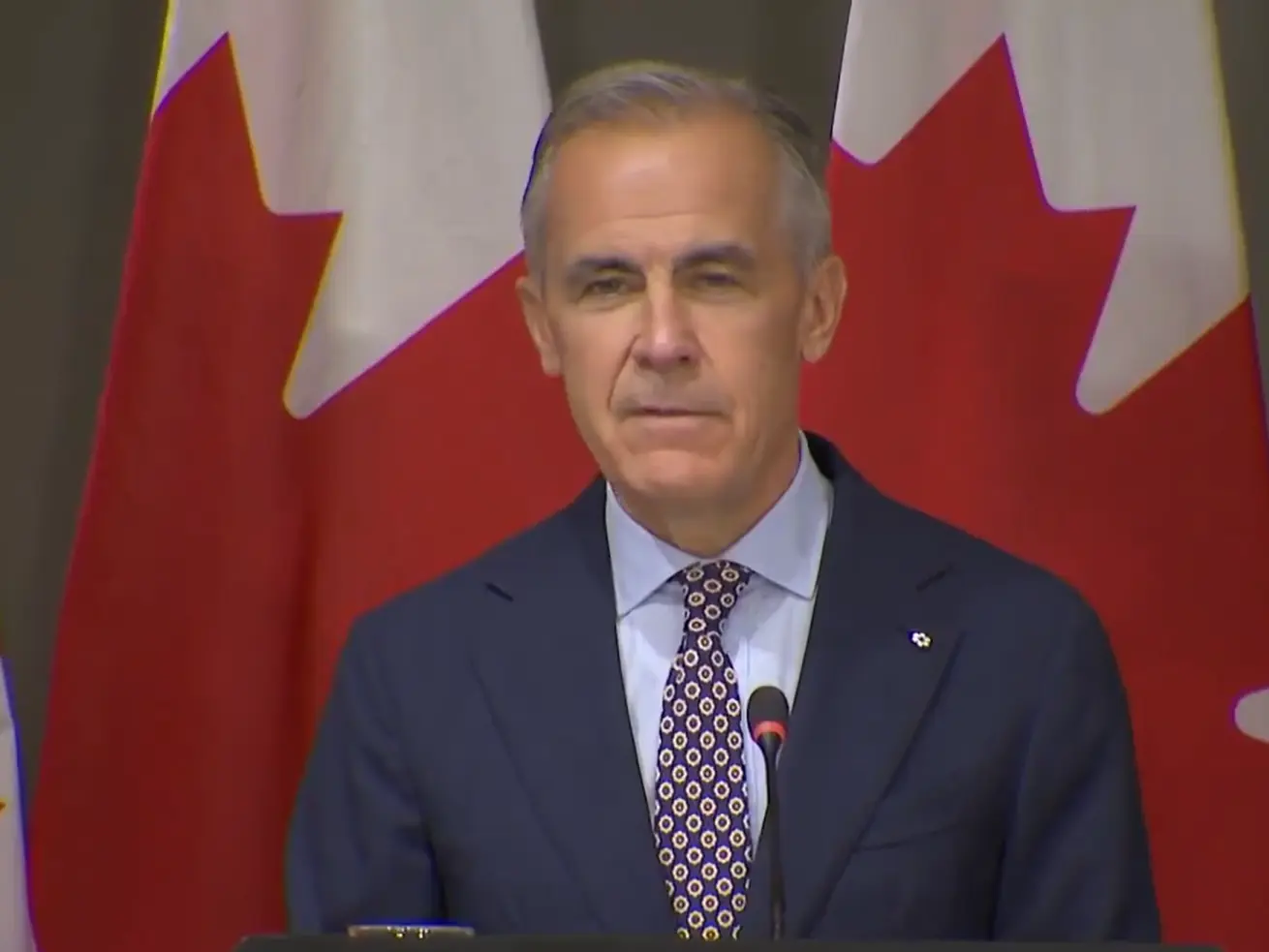)
Mark Carney mimics Trump in hilarious moment over C$70 billion clean-energy investment; room erupts in laughter
&im=FitAndFill=(700,400))
Before Extraordinary Minami Minami, these popular K-dramas got Japanese versions
)
'Were you here to sell chickpeas?': Wasim Akram criticises Babar Azam's captaincy
)
Aravana prasadam shortage at Sabarimala temple in Kerala triggers protests, TDB questioned
)
‘End of my career...’: NSA Doval recalls tense Sikkim mission when China captured Indian intelligence team
)
Report: Iran rebuilding Taleghan 2, nuclear site tied to past weapons research, hit twice by Israel
)
Trump defends AI amid growing alarm, announces new 'AI force' and promises an 'AI czar'
)
Iran sets 7 conditions to end war with US: What are Tehran’s demands?
)
Trump announces ‘AI Force’ as debate grows over AI risks and regulation
)
China may have gained access to US's classified F-35 jets; parts meant for repairs diverted to Hong Kong, sparking Pentagon inquiry
)
Man breaks open wall hiding hundreds of books since 15 years
)
Gaza under attack: Health chief's son killed in IDF strikes
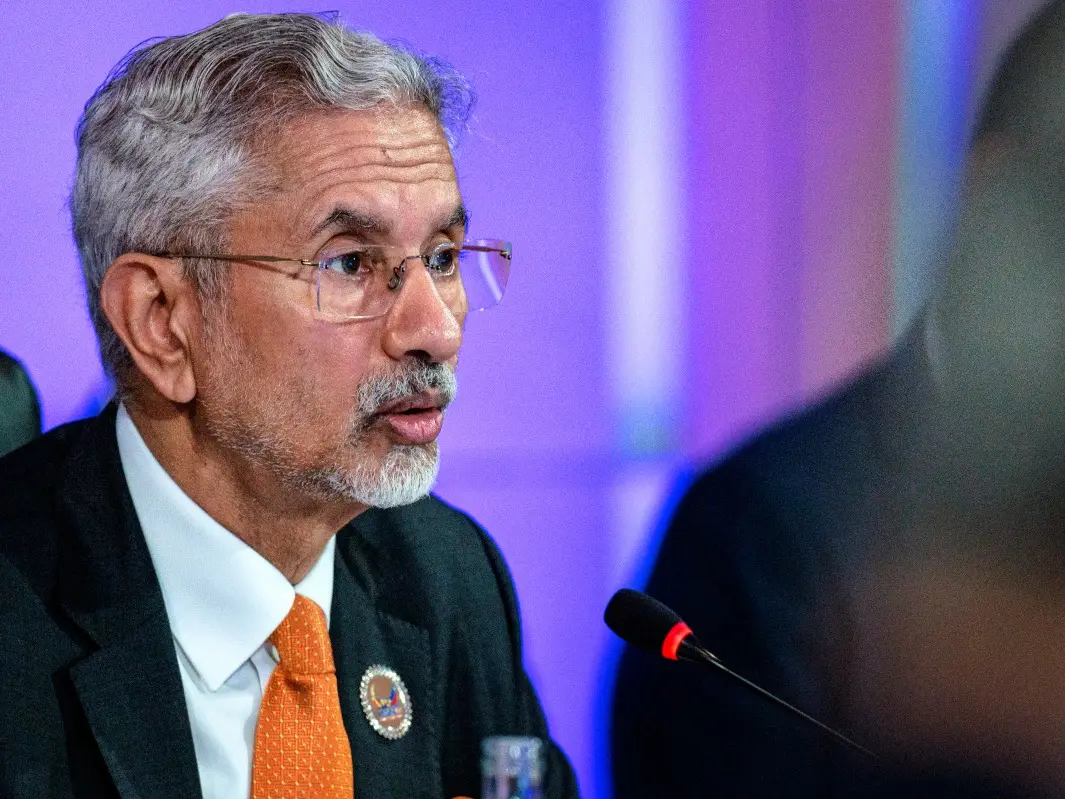)
S Jaishankar, former Army chief among high-profile names issued Delhi SIR notices
)
Arvind Kejriwal, family members, Delhi CM Rekha Gupta get SIR notices
)
AI actress Tilly Norwood glitches mid-interview, switches from English to Chinese | Watch
)
Saudi vs Houthis: Houthis claim missiles & drones used in attack on key Saudi sites
)
Ed Sheeran addresses Macklemore's removal, Gaza conflict during Philadelphia concert: 'I cannot hide how I feel'
)
‘Will go to any extent’: Pakistan vows to defend Saudi Arabia amid Houthi attacks
66 years of the Indus Waters Treaty: How India and Pakistan settled a bitter river dispute
)
The Verdict | When precision fails: US commits war crime in Minab school strike, UN finds
)
9 women found dead near Johannesburg: South Africans rally, demand 'enough' to femicide
)
Kampala-Ankara rift deepens: Uganda suspends military ties, seeks Fred Lumbuye's extradition
)
Several petrol pumps, other businesses to refuse UPI payments above Rs 2,000 from Oct 16: Is it legal?
)
US-Iran war: Tehran sets seven conditions to re-engage in talks with US
)
Reacher star Alan Ritchson opens up about alleged blackmail, suicide attempt during difficult period
)
Africa is splitting, and a lot sooner than estimated, giving way to a new ocean
)
West Indies Squad for India Series: Hetmyer included for T20Is, Holder rested
)
Trump bans CNN, MS NOW and Politico from White House over ‘FAKE NEWS’
&im=FitAndFill=(700,400))
How many F-35s does Britain, Japan and Israel have?
)
Harry Brook targets long reign at top of T20I rankings after Sri Lanka sweep
)
Russia's deadly Ukraine strikes kill 2 in Sumy, hit Dnipro mall
)
Russia holds first parliamentary elections since the beginning of the Ukraine war
&im=FitAndFill=(700,400))
Meet top 5 Indian batters with fastest T20I centuries
)
Raphinha hat-trick powers Barcelona to 3-1 win over Sevilla in La Liga
)
Researchers from France write in the New England Journal of Medicine how they divided 156 individuals with recent Parkinson's disease diagnosis into two equal-sized groups.
Each group received their regular Parkinson's medicine, but one also received a daily injection of lixisenatide, and the other received a placebo.
Before, during and after the study, participants underwent a test of their motor symptoms and were given a score on a disease-severity scale.
The results show that after 12 months, those given lixisenatide showed basically no progression of motor problems, and those given the placebo showed worsening symptoms, dropping around three points on the 132-point assessment scale – a modest difference, yet thought to be clinically meaningful.
The difference continued two months after the trial stopped and other Parkinson’s medications were halted overnight.
As per the researchers, lixisenatide shields the brain from neuronal death in addition to reducing symptoms. However, there was a disadvantage as13 per cent of those who took lixisenatide reported vomiting, and approximately half of those who received it reported feeling nauseated.
The researchers say that further efforts and more research is now required to determine whether lixisenatide actually slows the course of the disease, whether the benefits last longer or even get better if the medication is taken for longer, what the ideal dosage is, and whether the medication would be beneficial to patients with Parkinson's disease at other stages.
(With inputs from agencies)