Deep-sea marvel: Extraordinary octopus nursery found in Costa Rica's waters

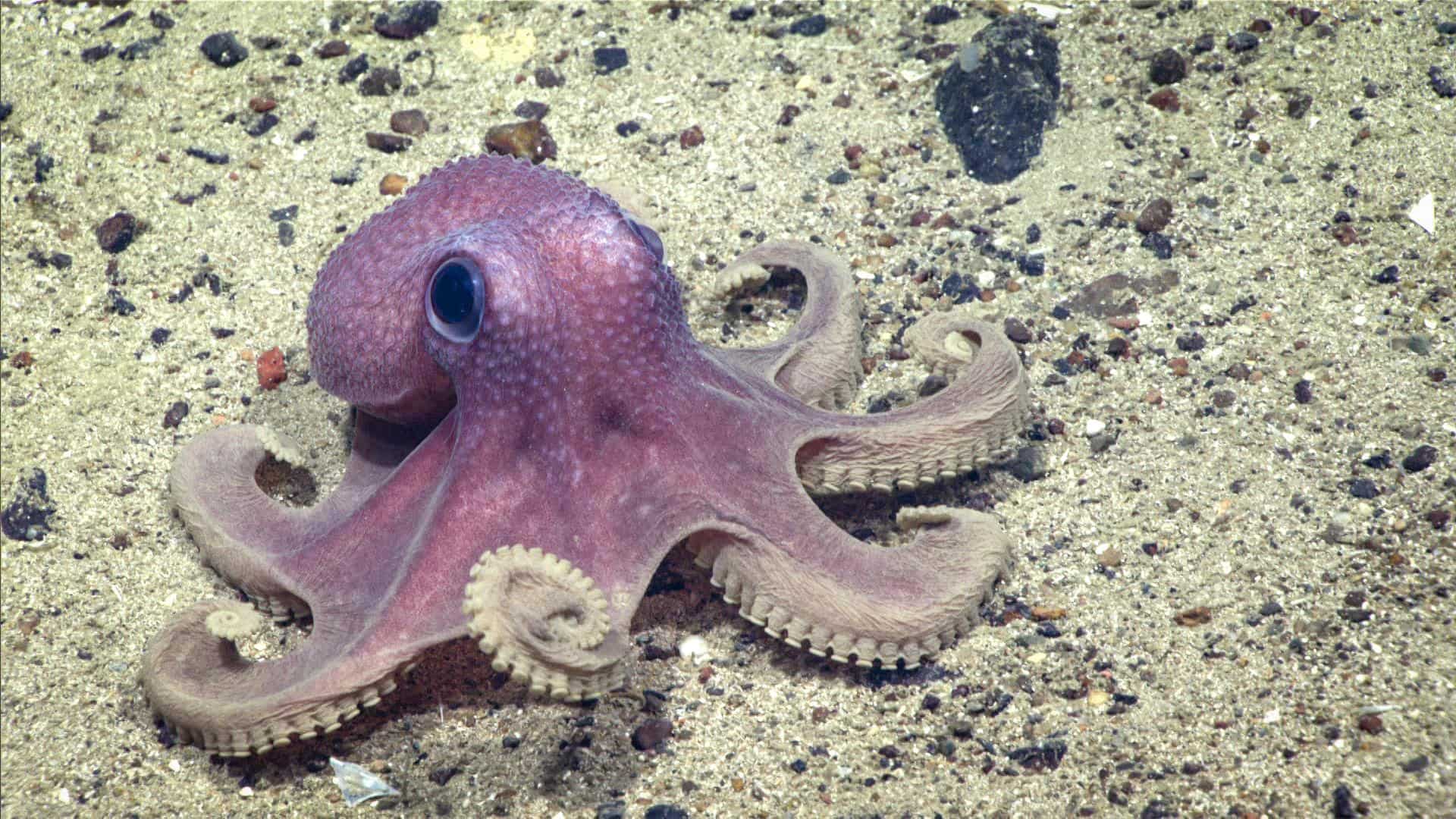
Octopus species called Graneledone boreopacifica seen on the seabed
A team of scientists has made an astonishing discovery, uncovering a new octopus nursery in the seamounts off the coast of Costa Rica. Additionally, they have confirmed the activity of a previously known nursery in the same area, bringing the total number of documented octopus nurseries worldwide to three, according to Science Alert.
During a recent expedition aboard the Falkor research ship, operated by the Schmidt Ocean Institute, 18 international scientists captured remarkable footage using an underwater camera on a remotely operated vehicle.
The footage showcases the hatching of baby octopuses, mothers protecting their young from predators, and potentially even a new species of octopus.

Significance of the discovery
Jyotika Virmani, a physical oceanographer from the Schmidt Ocean Institute who spoke to Science Alert,highlightedthe significance of this discovery, stating that it emphasises the vast amount "we still have to learn about the ocean".
The newly found nursery is situated at an unnamed outcrop in previously unexplored territory, with brooding octopuses observed near low-temperature hydrothermal vents at approximately 7°C (44.6°F).
)
Fast bowler Brydon Carse faces no charges over Derby nightclub incident
)
Pentagon revives mandatory testosterone testing for male troops aged 30 and above
)
Shivakumar attends 79th Kalyana Karnataka Utsav in Kalaburagi
)
Trump 2.0: Dark days ahead for America’s ‘imperial presidency’
)
NASA research plane reaches 61,000 feet over Panama
)
Pak: A series of counter terrorism operations in Khyber Pakhtunkhwa
&im=FitAndFill=(700,400))
New Friday OTT releases (September 18, 2026): Lust Stories 3, You+Me, Best of the Best- 8 new titles coming on Netflix, Prime Video and more
)
Flying cars in UAE: Ras Al Khaimah signs deal with Chinese company to test new transport
)
Pyongyang dismisses US, western pressure over nuclear programme
)
Google’s Gemini AI hacks real systems by guessing passwords during security test
)
Indian Cinema bets big on mythology, brings ancient stories to modern audiences
)
Three labourers killed as DU student loses control of his car, rams into them on Dwarka Expressway
)
Who is Khalilur Rahman? All you need to know about 81st UN General Assembly President
)
‘Will go to any extent’: Pakistan vows to defend Saudi Arabia amid Houthi attacks
)
Ukraine plans record $109 bn defence spending, nearly two thirds of budget amid Russia war
)
Why Ranveer Singh’s Dhurandhar missed India’s Oscar entry; FFI jury member reveals what happened
)
India seeks to build a full semiconductor supply chain
)
Trump signs Russia sanctions bill into law, targets Moscow’s energy sector
)
Tirupati Laddu ghee adulterated with chemicals, says ED, supplier arrested
)
IIT Bombay student dies by suicide, was caught seeking AI help during exams
)
China may have gained access to US's classified F-35 jets; parts meant for repairs diverted to Hong Kong, sparking Pentagon inquiry
&im=FitAndFill=(700,400))
Meet top 5 Indian batters with fastest T20I centuries
&im=FitAndFill=(700,400))
From Abhishek Sharma to Sahil Chauhan, 5 batters with fastest T20I hundreds
)
FACT CHECK: Why did PM Modi ask Xi ‘is it okay’ at BRICS Summit? New video reveals...
)
Russia holds first parliamentary elections since the beginning of the Ukraine war
)
Africa is splitting, and a lot sooner than estimated, giving way to a new ocean
)
Godfather of AI Geoffrey Hinton gives US lawmakers a one-year warning on AI
)
The Verdict | When precision fails: US commits war crime in Minab school strike, UN finds
)
Trump signs Russia sanctions law: India faces fresh 100% tariff threat over Russian oil
&im=FitAndFill=(700,400))
Meet top 5 bowlers in latest ICC T20I rankings
)
Brigitte Bardot’s private collection set for Paris auction; key items and prices revealed
)
Trump's Greenland dream comes true? POTUS announces 'Infinite Life' deal with Denmark, claims permanent US control
)
US And Denmark reach Greenland deal, Trump announces expanded military presence
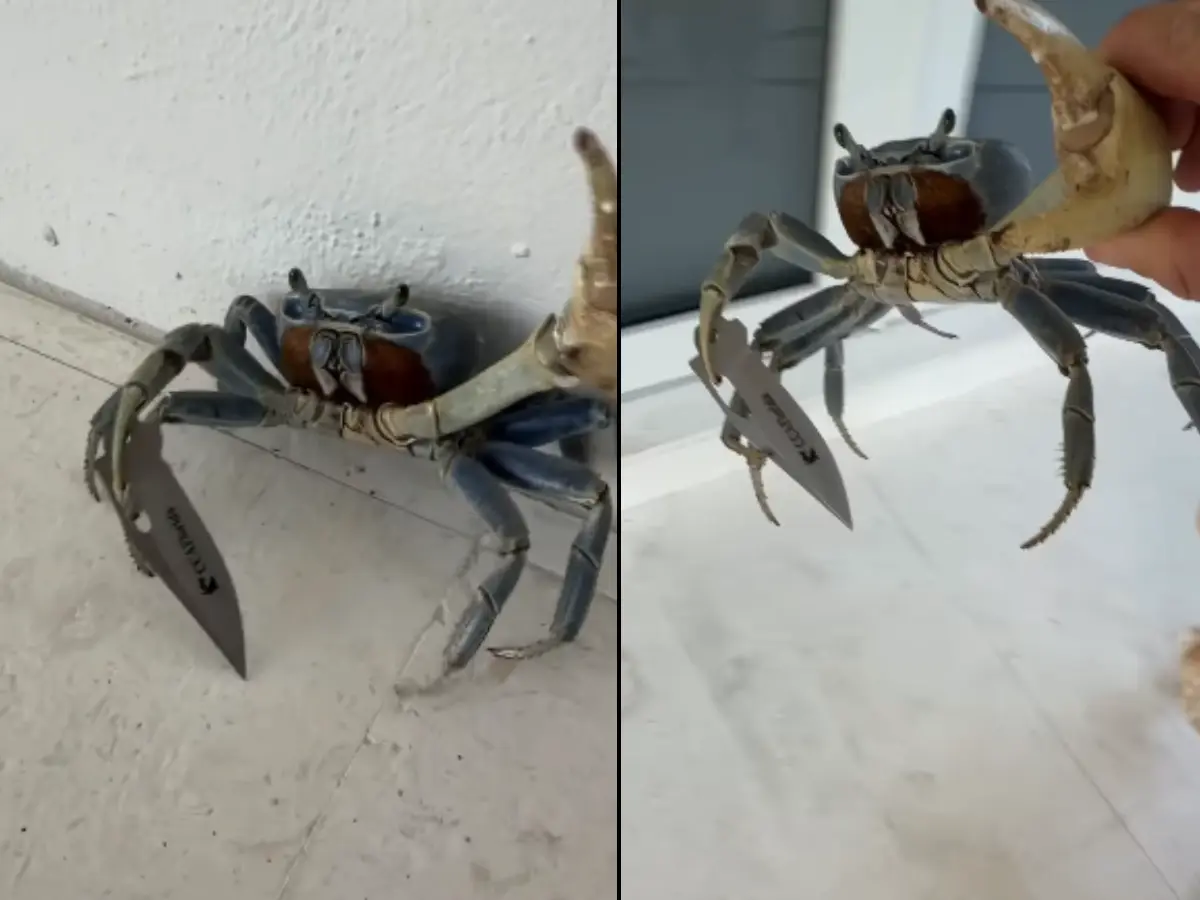)
'Gangsta' crab shoves knife blade at man and his dog in Florida - Watch
)
Trump bans CNN, MS NOW and Politico from White House over ‘FAKE NEWS’
)
US hiding troop deaths in Iran war? Toll higher than Pentagon count, claims report
The researchers suspect that they may have encountered nursing octopuses belonging to a new species within the Muusocotpus genus, which notably lacks ink sacs.
While the brooding behaviour of deep-sea octopusesremains largely enigmatic, previous studies have revealed that one species (Graneledone boreopacifica) broods its eggs for approximately 53 months.
Although the newly observed species falls within the Muusoctopus genus, the size of its eggs is similar to those of G. boreopacifica.
Beth Orcutt, a geomicrobiologist from the Bigelow Laboratory for Ocean Sciences, explains that the discovery of these low-temperature vent sites was a challenging task that required the use of submersible vehicles like the Schmidt Ocean Institute's advanced ROV SuBastian.
The initial revelation of the Dorado Outcrop nursery had already garnered considerable attention.
The sighting of around one hundred female octopuses brooding near hydrothermal vents in the Pacific Ocean off Costa Rica marked the first time scientists had observed such behaviour.
In 2018, it was confirmed that the Davidson Seamount off the coast of California held the largest known deep-sea octopus nursery.
Initially, no developing embryos were found at the Dorado Outcrop, leading researchers to believe that the environment might be too warm for viable offspring. However, their doubts were dispelled when they were fortunate enough to witness the hatching of the octopus babies.
The expedition did not conclude with the nurseries' discovery; the team also explored five previously unknown seamounts in Costa Rican waters. Seamounts, which are shallow areas with steep slopes protruding from the seafloor, are often rich in marine life.
These "underwater mountains" influence tides and chemical fluxes between the ocean and the Earth's crust.
While some seamounts off the coast of Costa Rica have been protected by the government, others, particularly those along the northwest edge of the Pacific Ocean, have received less attention.
The team discovered an abundance of life surrounding these seamounts, with hundreds of animals, including potentially new species like the peculiar tripod fish, awaiting classification. It was as if the scientists had stumbled upon a hidden treasure trove of biodiversity.
WATCH WION LIVE HERE: