Ocean lost to time millions of years ago shaped Asia long before the Himalayas

&imwidth=600&imheight=450&format=webp&quality=medium "Ocean lost to time millions of years ago shaped Asia long before the Himalayas")
AI image of ancient ocean Photograph: (Freepik)
The study by the University of Adelaide has found that an ocean completely closed up 100 million years ago and triggered the formation of Asia, and set the stage for mountain ranges like the Himalayas.
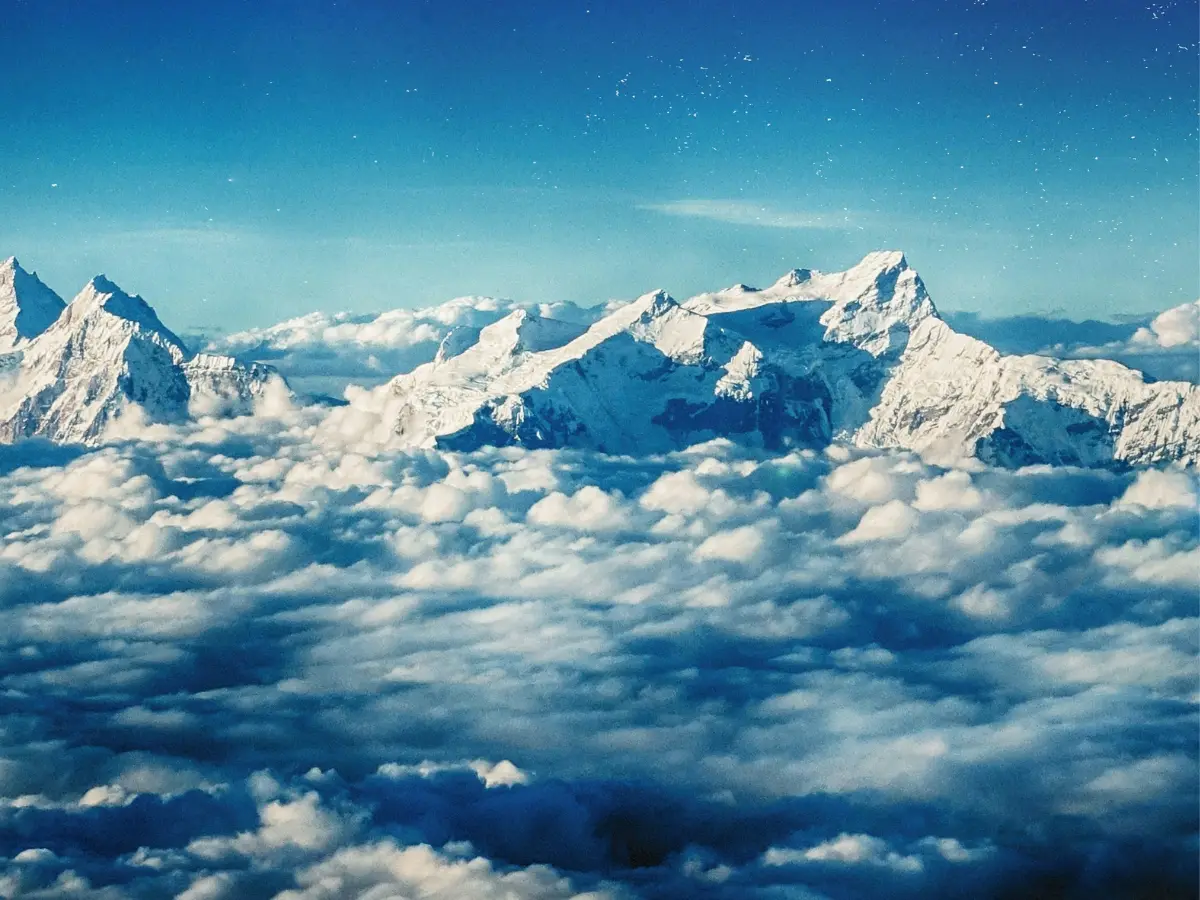
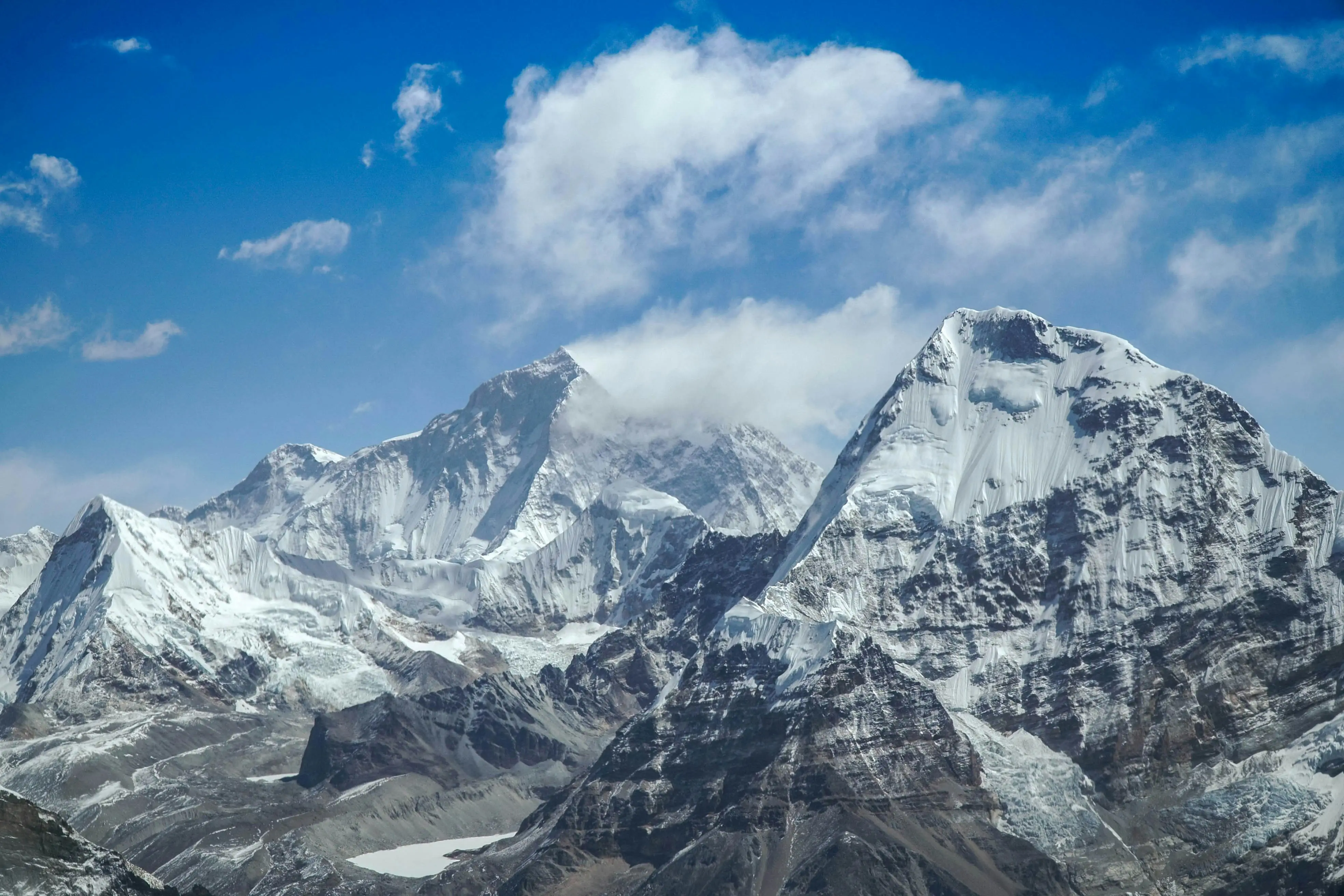
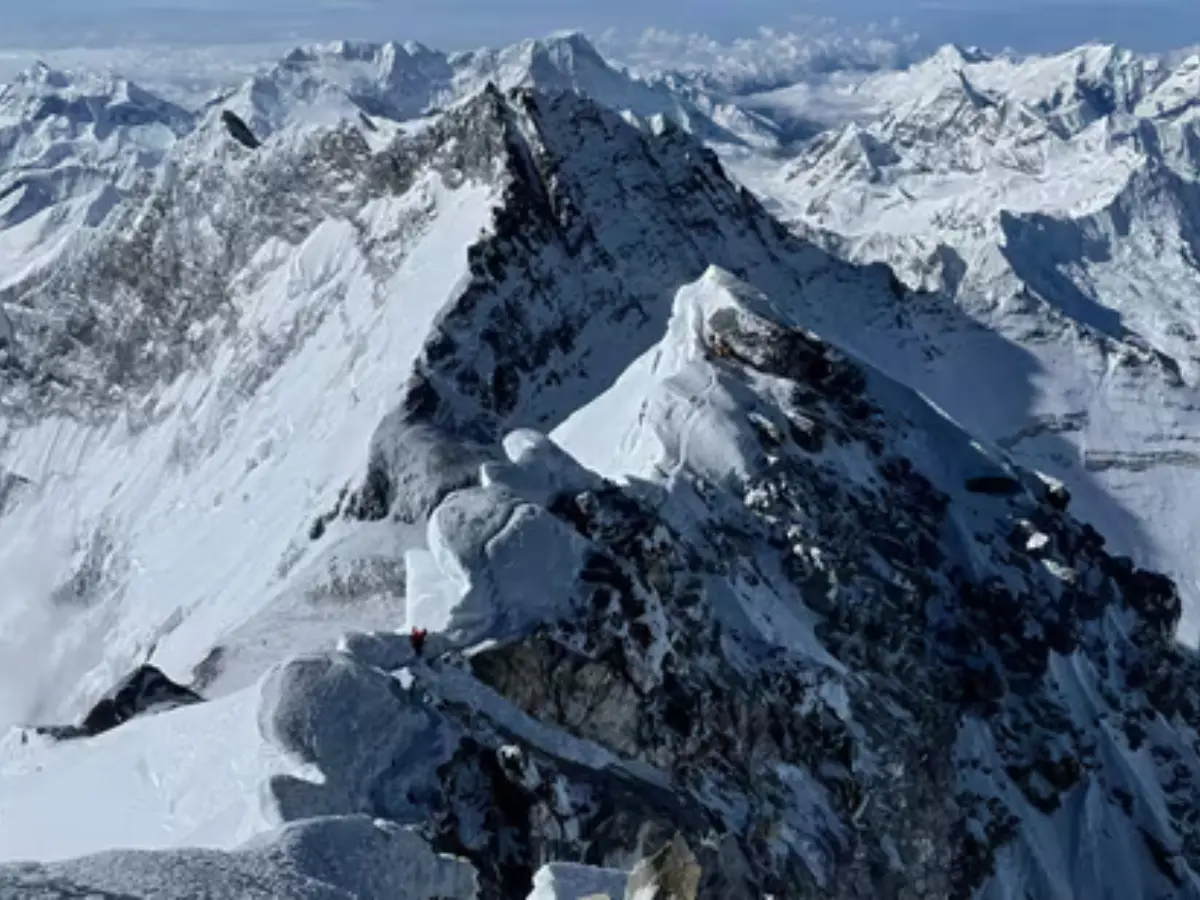
Researchers from the University of Adelaide have discovered that Central Asia’s mountain ranges owed their formation to the ancient Tethys Ocean, which disappeared millions of years ago. The study published in Communications Earth & Environment states that this vast body of water worked together with local tectonic collisions to set the stage for the Himalayas and other major mountain ranges. It underlines the findings that ancient oceanic subductions played a major role in sculpting continents. The Tethys Ocean stretched between massive continental plates and contributed to shaping Eurasia’s internal structure, according to the study. During the Meso-Cenozoic era, the ocean slowly closed. Massive continental plates of Gondwana (including India and Africa) and Eurasia collided, and the ocean vanished. The resulting tectonic pressure did not just create the Himalayas, but also reactivated ancient fault lines far into the interior of the continent.
The study shows that ancient oceanic subductions, even though extremely far from Asia, influenced the formation of the continent. This proves that Earth's systems are interconnected way beyond what is visible. The mountain valleys formed resembled the modern Basin-and-Range Province of the western United States, and were the backdrop for dinosaurs. "During the Cretaceous period, dinosaurs would have seen a mountainous landscape as well, similar to the present-day Basin-and-Range Province in the western USA," Stijn Gloriem, co-author of the study, said.
Also Read: Himalayas are not standing on Indian and Eurasian plates alone, as a secret third layer is revealed
Climate change and mantle processes did not influence Central Asia much
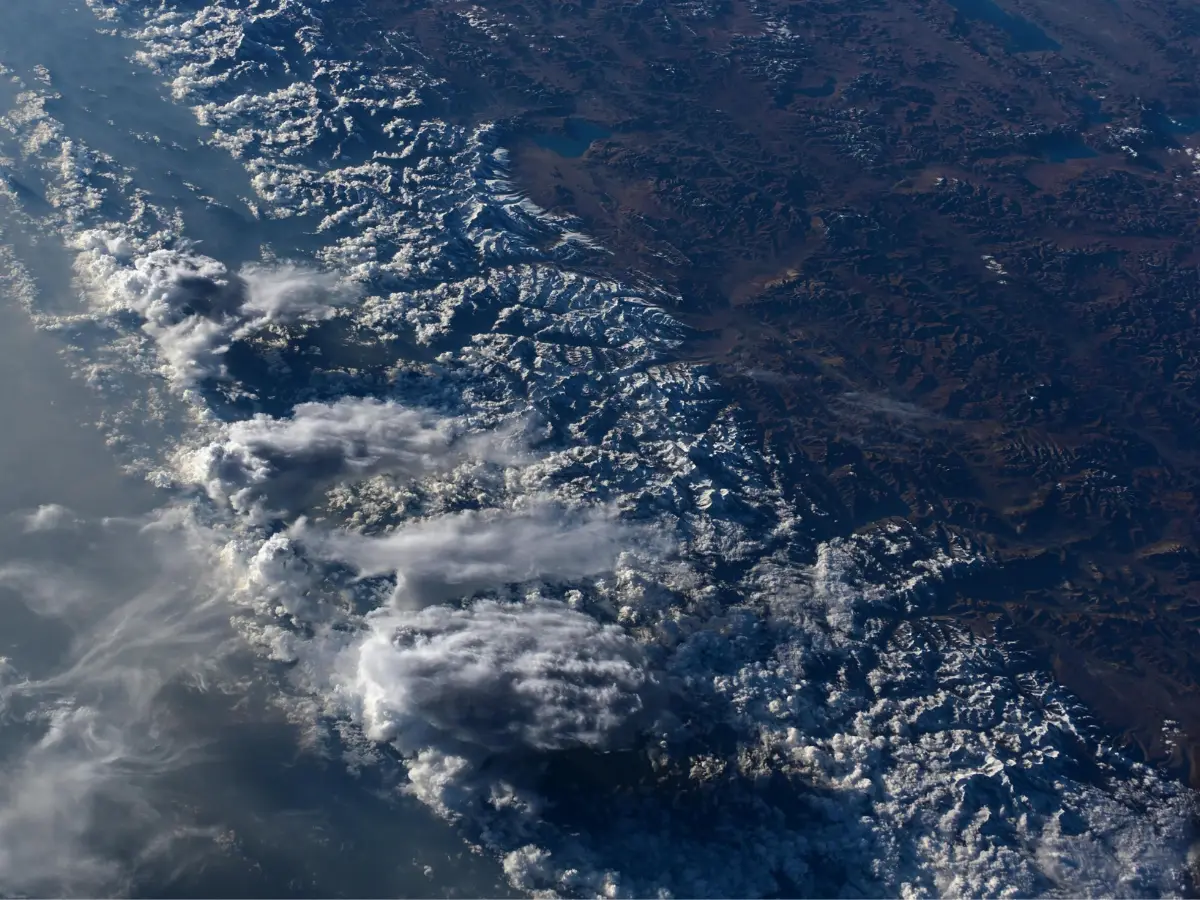
As older geological sutures were activated, a network of ridges and basins was formed millions of years before the Himalayas were born. Scientists say that their findings prove that Central Asia did not form simply from tectonic collisions, mantle convection, and climate change. “We found that climate change and mantle processes had only a little influence on the Central Asian landscape, which persisted in an arid climate for much of the last 250 million years,” Dr Sam Boone, a postdoctoral researcher at the University of Adelaide and lead author of the study, said.
Trending Stories
&imwidth=280&imheight=210&format=webp&quality=medium)
&im=FitAndFill=(700,400)&imwidth=280&imheight=210&format=webp&quality=medium)
&imwidth=280&imheight=210&format=webp&quality=medium)
&imwidth=280&imheight=210&format=webp&quality=medium)
&imwidth=280&imheight=210&format=webp&quality=medium)
&im=FitAndFill=(700,400)&imwidth=280&imheight=210&format=webp&quality=medium)
&imwidth=280&imheight=210&format=webp&quality=medium)
&imwidth=280&imheight=210&format=webp&quality=medium)
&imwidth=280&imheight=210&format=webp&quality=medium)
&imwidth=280&imheight=210&format=webp&quality=medium)
&imwidth=280&imheight=210&format=webp&quality=medium)
&imwidth=280&imheight=210&format=webp&quality=medium)
&imwidth=280&imheight=210&format=webp&quality=medium)
&imwidth=280&imheight=210&format=webp&quality=medium)
&imwidth=280&imheight=210&format=webp&quality=medium)
&imwidth=280&imheight=210&format=webp&quality=medium)
&imwidth=280&imheight=210&format=webp&quality=medium)
&imwidth=280&imheight=210&format=webp&quality=medium)
&imwidth=280&imheight=210&format=webp&quality=medium)
&imwidth=280&imheight=210&format=webp&quality=medium)
&imwidth=280&imheight=210&format=webp&quality=medium)
&imwidth=280&imheight=210&format=webp&quality=medium)
&imwidth=280&imheight=210&format=webp&quality=medium)
&imwidth=280&imheight=210&format=webp&quality=medium)
&im=FitAndFill=(700,400)&imwidth=280&imheight=210&format=webp&quality=medium)
&imwidth=280&imheight=210&format=webp&quality=medium)
&imwidth=280&imheight=210&format=webp&quality=medium)
&imwidth=280&imheight=210&format=webp&quality=medium)
&imwidth=280&imheight=210&format=webp&quality=medium)
&imwidth=280&imheight=210&format=webp&quality=medium)
&imwidth=280&imheight=210&format=webp&quality=medium)
&imwidth=280&imheight=210&format=webp&quality=medium)
&imwidth=280&imheight=210&format=webp&quality=medium)
&imwidth=280&imheight=210&format=webp&quality=medium)
&imwidth=280&imheight=210&format=webp&quality=medium)
Gloriem stressed that these ancient landscapes formed the basis of the modern mountains we see today. "It is thought that the extension in the Tethys, due to roll-back of subducting slabs of ocean crust, reactivated old suture zones into a series of roughly parallel ridges in Central Asia, up to thousands of kilometres away from the Himalaya collision zone," he said.